Dolomite Grinding Processing – A Key Link in the Deep Utilization of Mineral Resources
Dolomite, a common non-metallic mineral composed mainly of calcium magnesium carbonate, is widely distributed in nature and has excellent physical and chemical properties. Its grinding processing is an important means to realize deep resource utilization, as the ground dolomite powder has better reactivity and processability, and is widely used in agriculture, construction, chemical industry, and other fields. The dolomite grinding project described in this article is located in a mining area in northern China, with a total investment of 5 million yuan, a designed hourly output of 8-12 tph, and an output fineness that can be adjusted between 80-200 meshes, focusing on meeting the needs of the agricultural and construction industries.
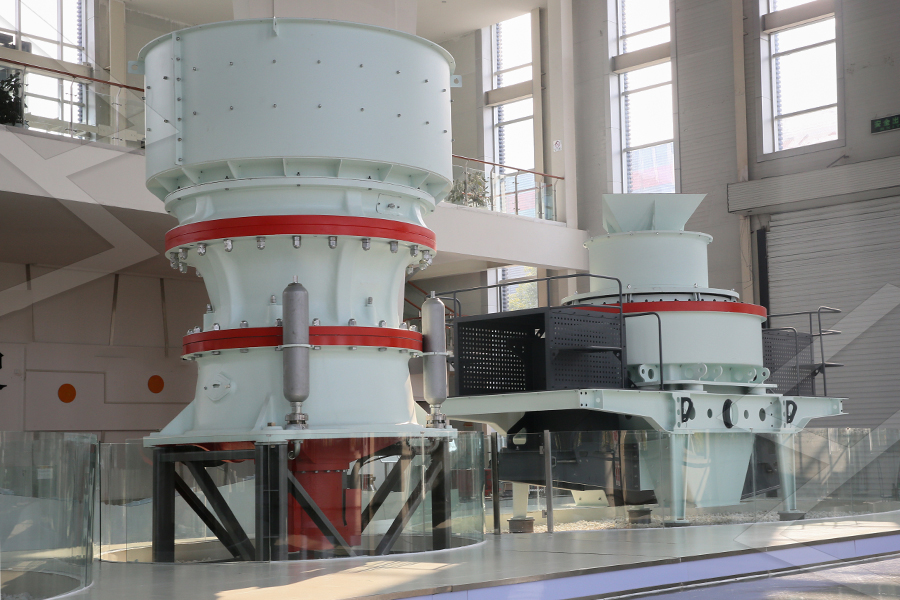
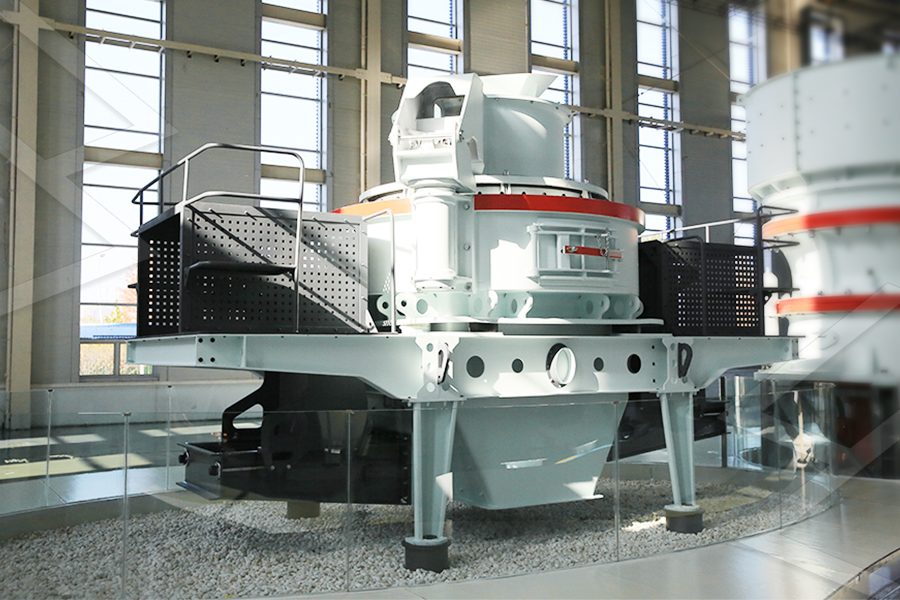
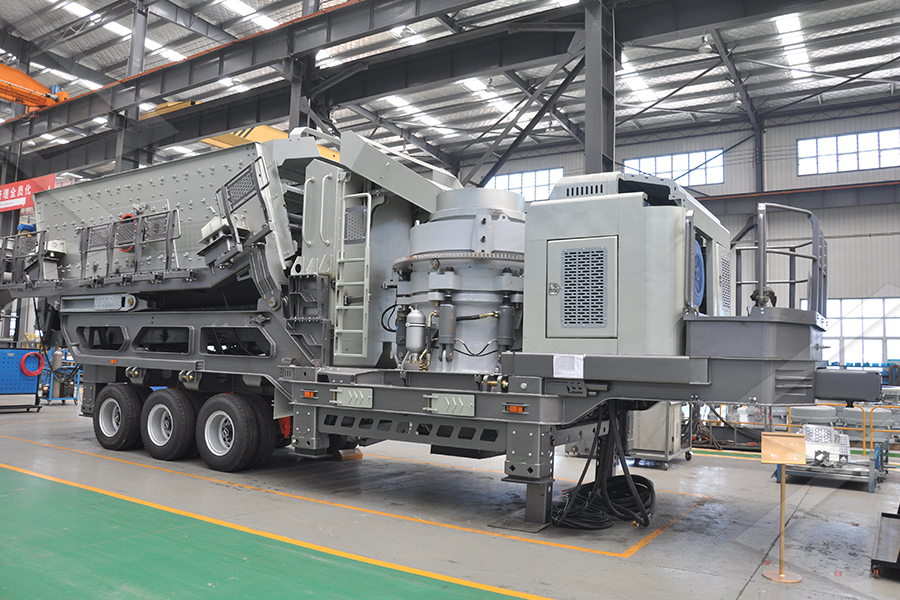
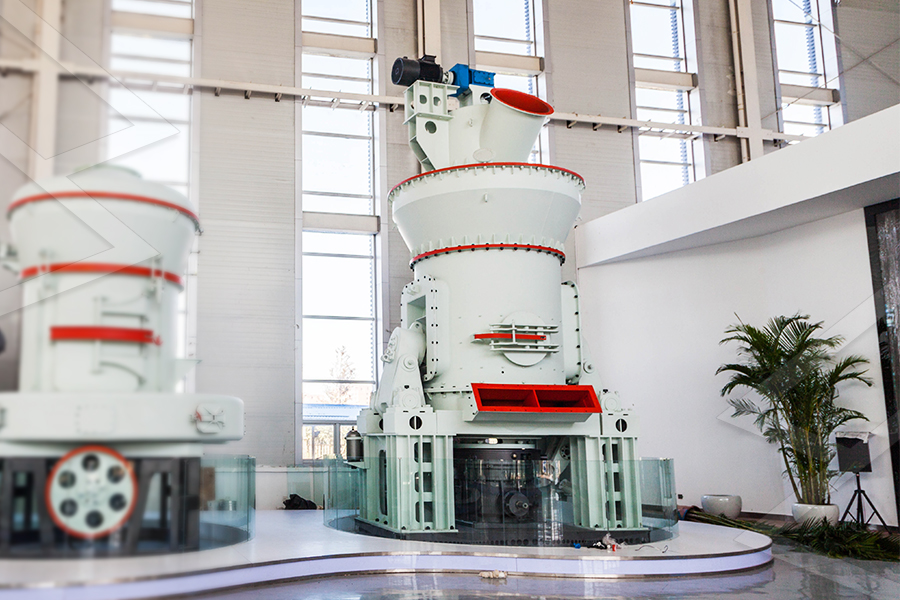
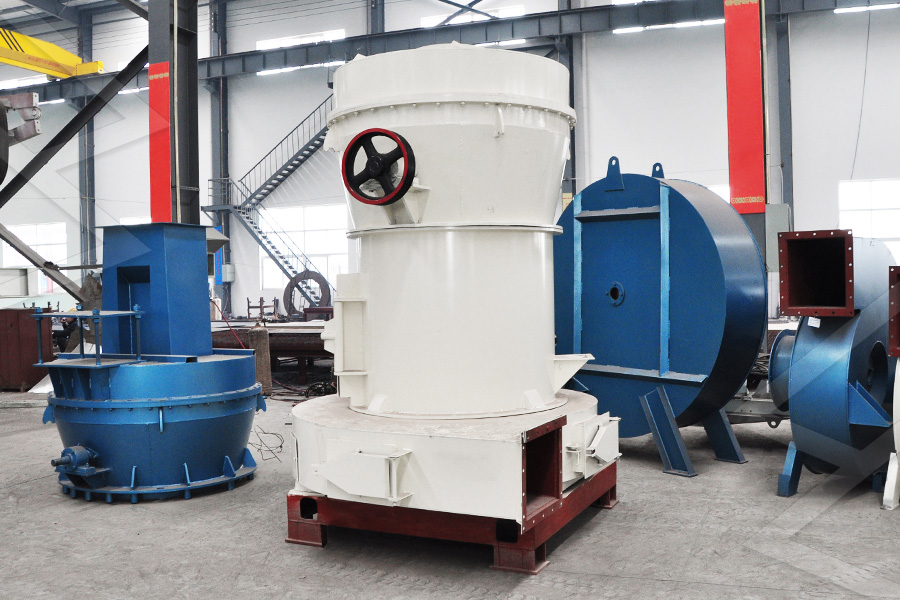
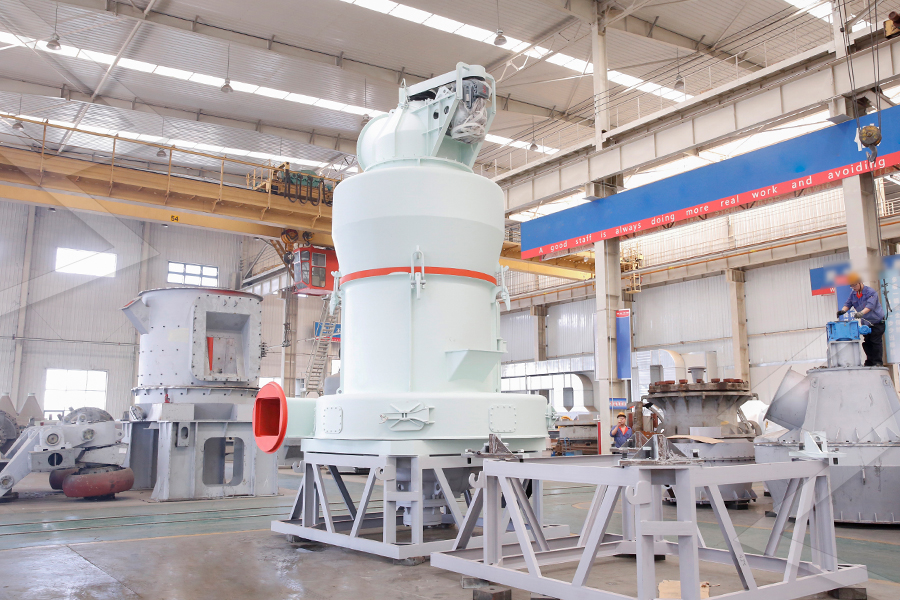
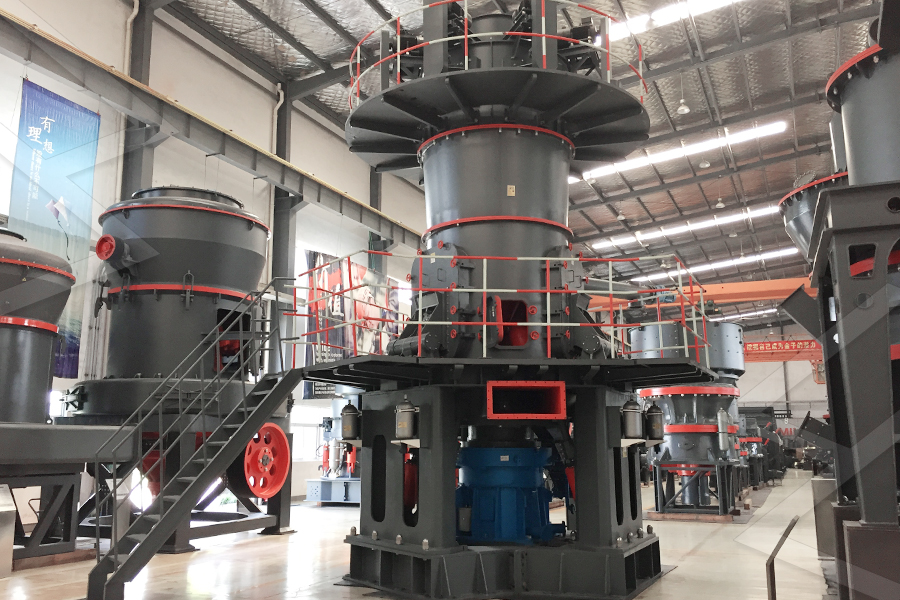
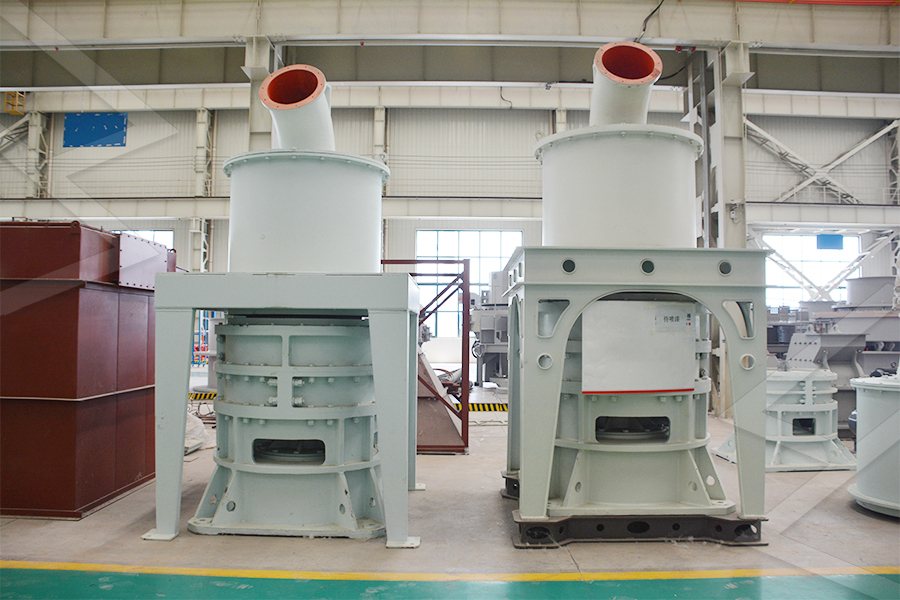
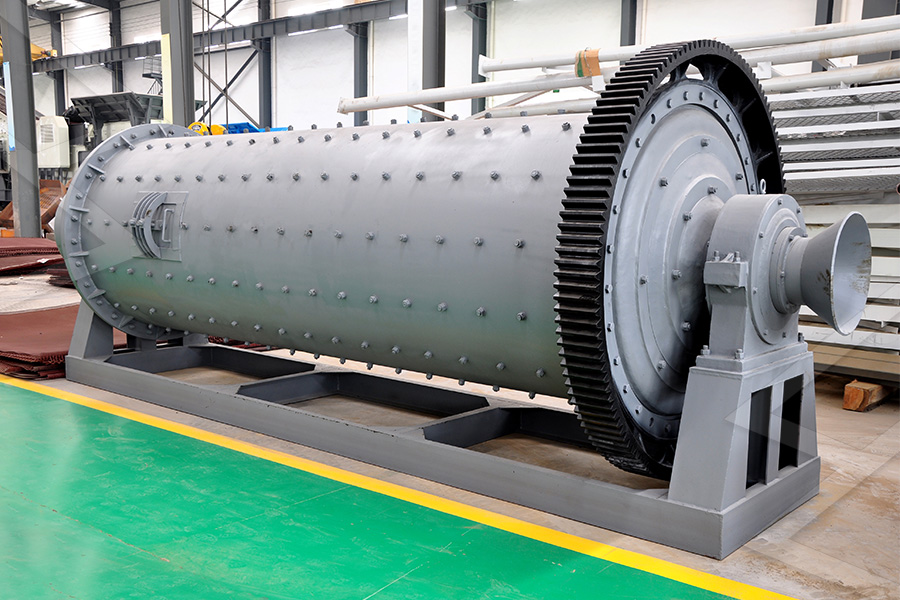
The project adopts a complete set of dolomite grinding production line equipment, including a vibrating feeder, jaw crusher, impact crusher, Raymond mill, air classifier, pulse dust collector, and conveyor system. The processing process is as follows: the raw dolomite ore is first transported to the vibrating feeder, which uniformly feeds the ore into the jaw crusher for primary crushing, reducing the ore size to 50-100mm. Then, the ore is sent to the impact crusher for secondary crushing to obtain particles of less than 20mm, which are then conveyed to the Raymond mill for grinding. The air classifier in the production line can accurately classify the ground powder, ensuring that the fineness of the finished product meets the set requirements. The pulse dust collector effectively collects the dust generated during the grinding process, avoiding environmental pollution and resource waste.
The dolomite powder produced by this project has clear classification of uses according to fineness. When the output fineness is 80-120 meshes, it is mainly used in agriculture as agricultural lime, which can adjust the pH value of acidic soil, supplement calcium and magnesium elements needed for crop growth, and improve soil fertility and crop yield. When the fineness is 150-200 meshes, it is used in the construction industry, such as making wall materials, decorative materials, and concrete admixtures, which can improve the compactness and corrosion resistance of the products. In addition, it is also used in the chemical industry as a raw material for the production of magnesium salts, glass, and ceramics, with broad market demand.
The project attaches great importance to environmental protection and energy conservation. The entire production line adopts closed-loop operation, and the dust generated during the production process is collected and treated uniformly, which meets the national emission standards. The grinding equipment adopts energy-saving motors, which can effectively reduce energy consumption and production costs. At the same time, the project has established a perfect equipment maintenance system to ensure the stable operation of the production line and improve production efficiency. This dolomite grinding project not only realizes the rational development and utilization of local dolomite resources but also provides high-quality raw materials for downstream industries, promoting the coordinated development of the local economy and resource industry.