Limestone Grinding Processing – Efficient Production for Multiple Industrial Applications
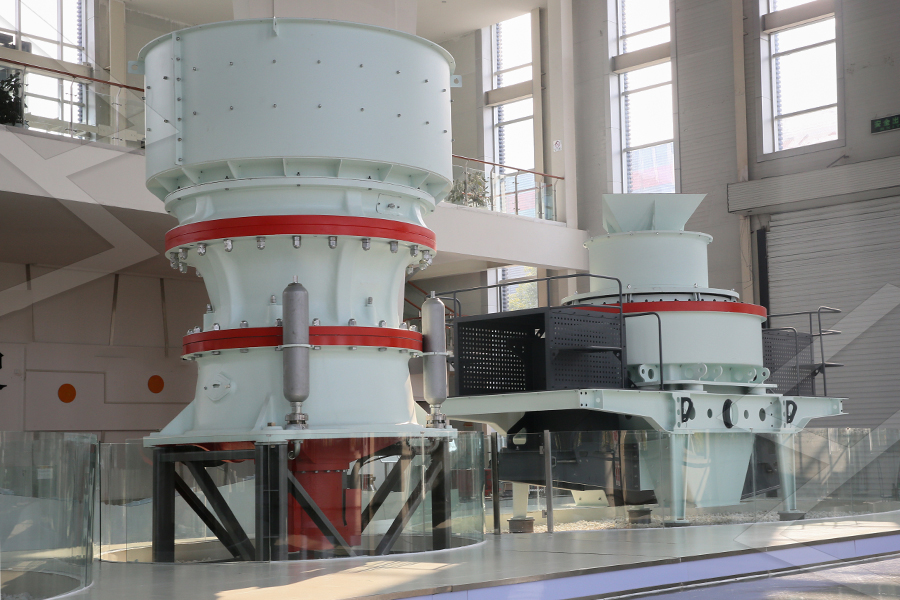
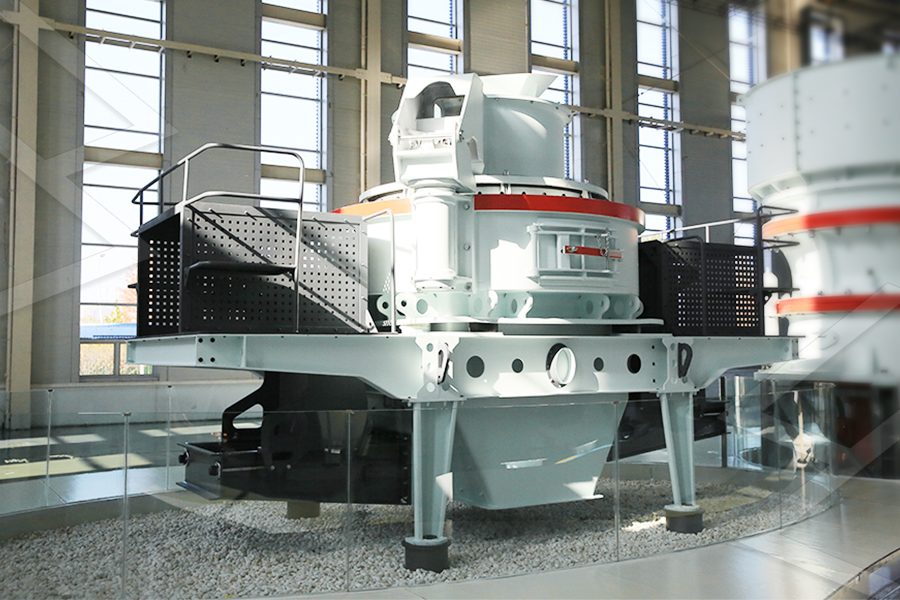
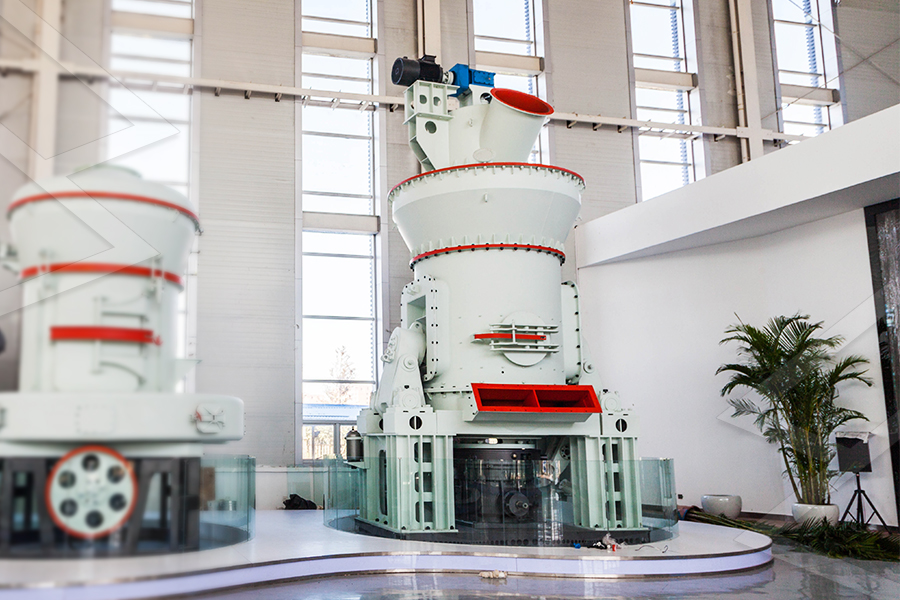
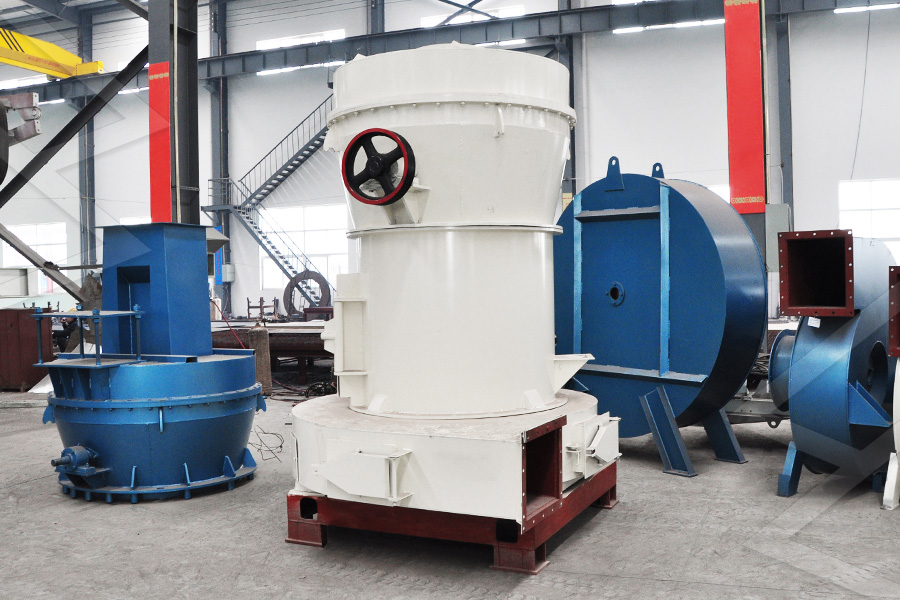
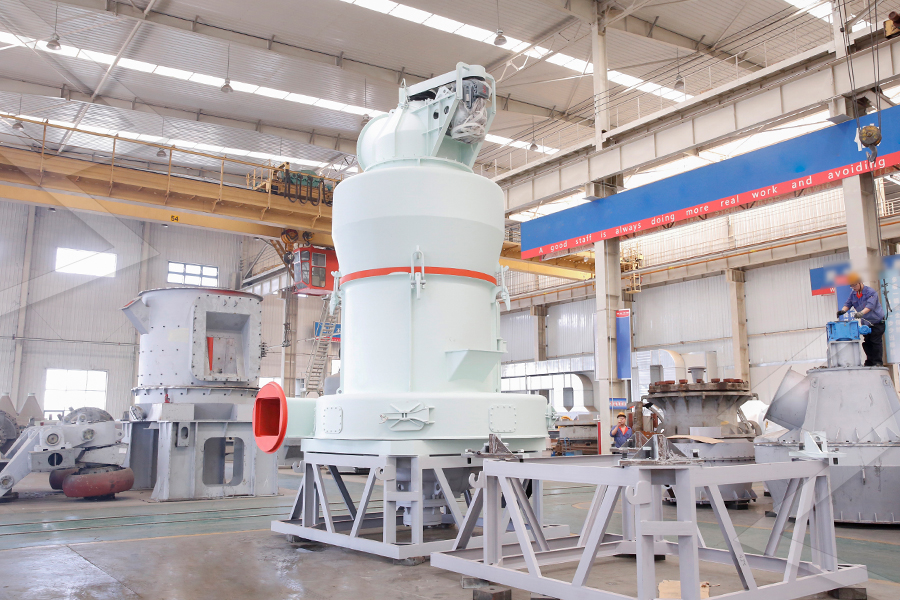
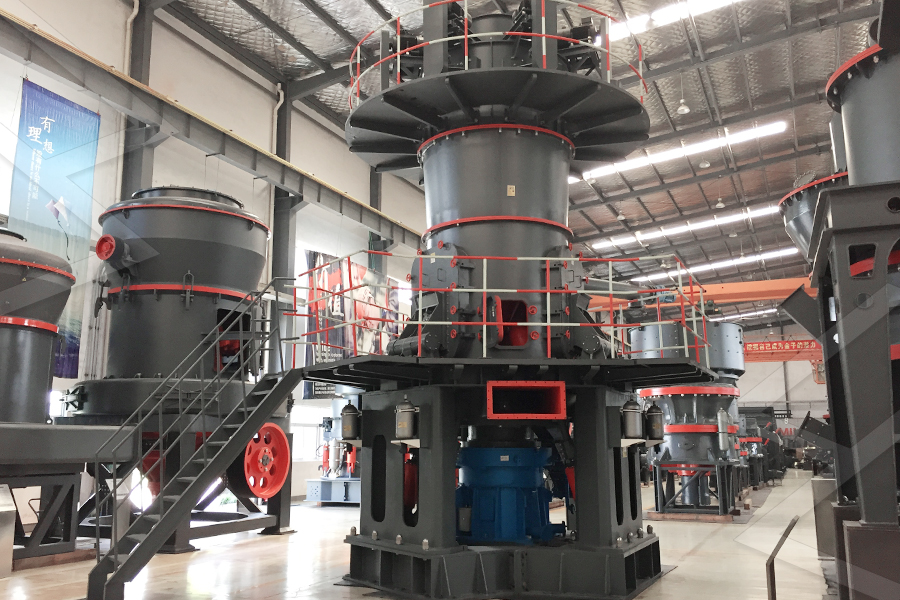
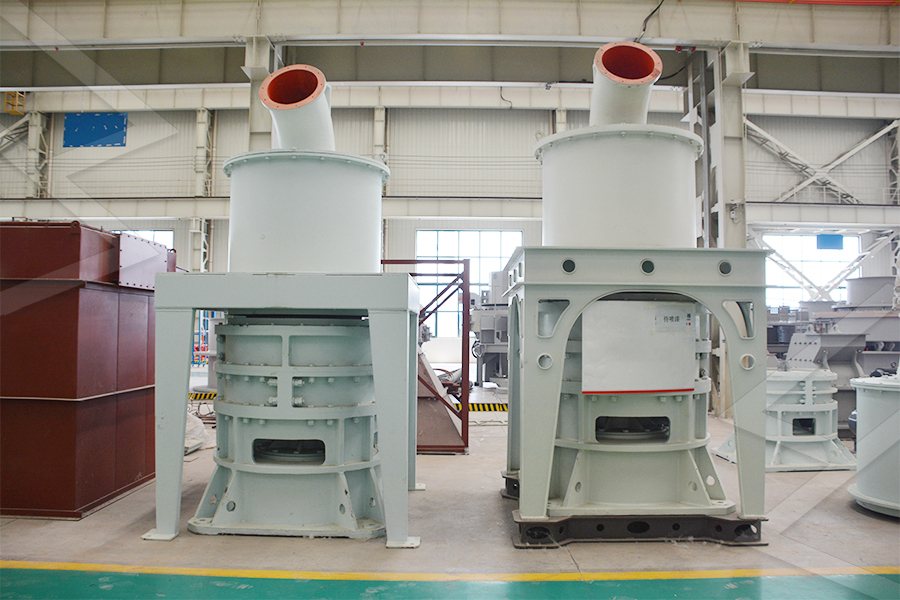
Limestone is one of the most widely used non-metallic minerals in the world, with rich reserves and diverse applications. Its grinding processing is a key link to unlock its industrial value, as raw limestone in rocky form has limited uses and must be ground into fine powder to expand its application scope. The limestone grinding processing project introduced in this article is located in a construction materials industrial park in central China, covering an area of 8,000 square meters, with a designed annual output of 120,000 tons and a stable hourly output (tph) of 15-20 tons. The project adopts advanced Raymond mill equipment, which can flexibly adjust the output fineness between 100-325 meshes according to different customer needs, perfectly meeting the requirements of various downstream industries.
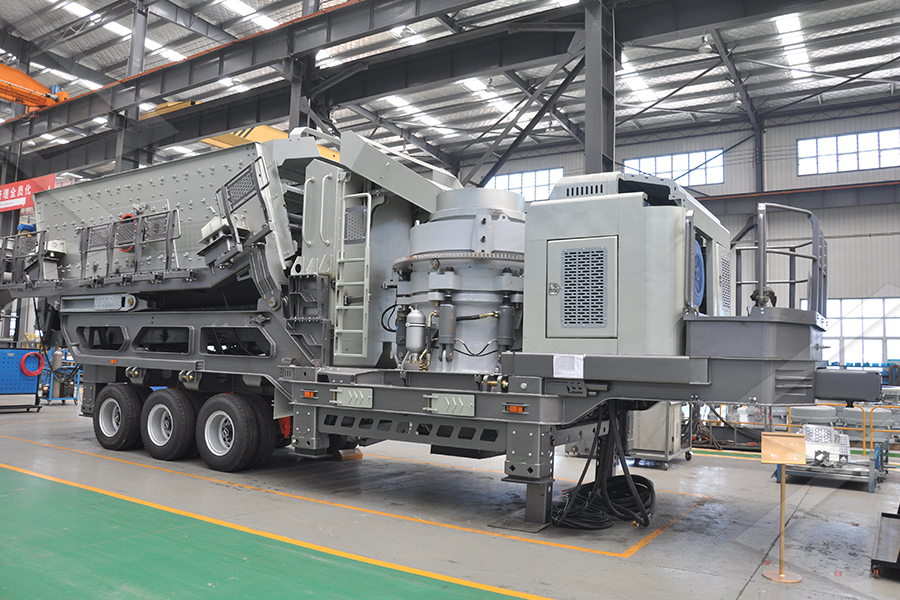
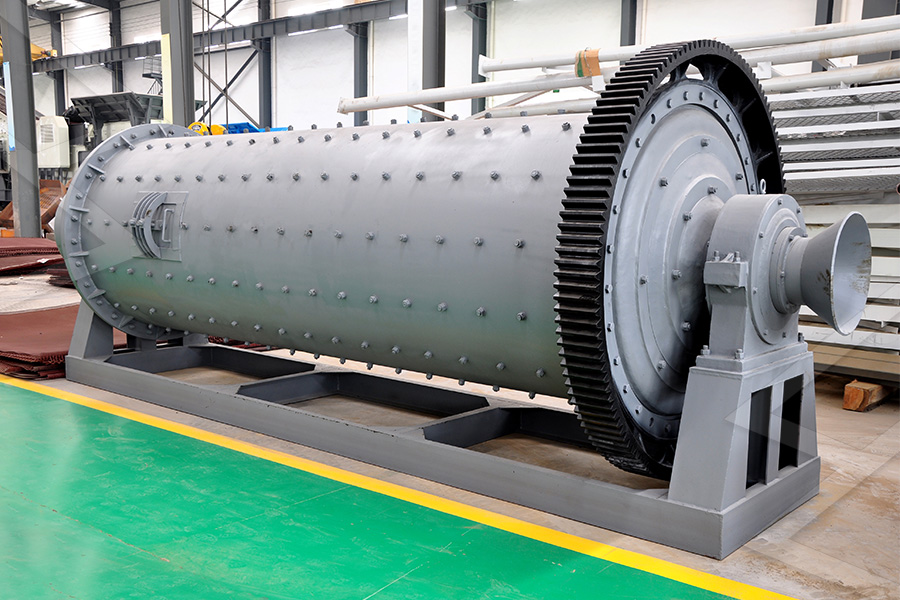
In terms of processing technology, the project follows a scientific and efficient process: first, the raw limestone is crushed into particles of less than 30mm by a jaw crusher, then sent to the Raymond mill through a conveyor belt for grinding, and the ground powder is classified by an air classifier. The qualified powder (meeting the required fineness) is collected by a pulse dust collector, while the unqualified powder is returned to the mill for re-grinding, ensuring the stability and uniformity of the product quality. The entire production line is equipped with a full-set dust removal system, with a dust removal efficiency of over 99.9%, which not only meets the national environmental protection standards but also protects the health of on-site operators.
The ground limestone powder has a wide range of uses. When the output fineness is 100-150 meshes, it is mainly used in the construction industry, such as concrete mixing, cement manufacturing, and asphalt paving, which can improve the strength and durability of building materials. When the fineness is adjusted to 200-325 meshes, it is used as an industrial filler in plastics, rubber, paper, and paint industries, helping to reduce production costs and improve product performance. In addition, it is also widely used in environmental protection fields, such as flue gas desulfurization in power plants, to remove sulfur dioxide from exhaust gases and reduce environmental pollution. This limestone grinding project not only realizes the high-value utilization of local limestone resources but also drives the development of related downstream industries, creating good economic and social benefits.
The project has strict quality control standards, and each batch of finished powder will be tested for fineness, purity, and whiteness to ensure that it meets the relevant national standards and customer requirements. The equipment adopted in the project has the advantages of high efficiency, energy saving, and easy maintenance. Compared with traditional grinding equipment, it can save 30% of energy consumption, and the equipment failure rate is low, ensuring the continuous and stable operation of the production line. With the continuous development of the construction and chemical industries, the market demand for limestone powder is increasing, and this project has broad development prospects.