Feldspar Grinding Project (15 TPH, 250 Mesh)
Feldspar, a group of aluminosilicate minerals (SiO₂, Al₂O₃, K₂O/Na₂O), is a critical raw material in the ceramic industry, acting as a flux to lower the firing temperature and improve the strength, gloss, and durability of ceramic products. This project, located in Foshan, Guangdong Province, China—the “ceramic capital of the world”—produces 250-mesh feldspar powder at 15 TPH for a large ceramic tile manufacturer specializing in high-gloss white ceramic tiles. The project addresses the manufacturer’s previous challenges with inconsistent particle size, high iron content, and delivery delays from external suppliers.
The raw feldspar used in the project is sourced from Jiangxi Province, known for its low-iron feldspar deposits (iron content ≤0.1%), which is critical for producing white ceramic tiles (iron impurities cause discoloration). The raw feldspar has a chemical composition of SiO₂ 65-70%, Al₂O₃ 18-22%, and K₂O 8-10%, with an initial particle size of 100-200mm. The raw material undergoes a pretreatment process to remove impurities: first, it is crushed to 50-80mm using a jaw crusher (PE500×750), then sorted to remove rock fragments and other debris. A magnetic separator (10,000 gauss) is used to further reduce iron content to ≤0.08%, ensuring the powder does not discolor the ceramic tiles.
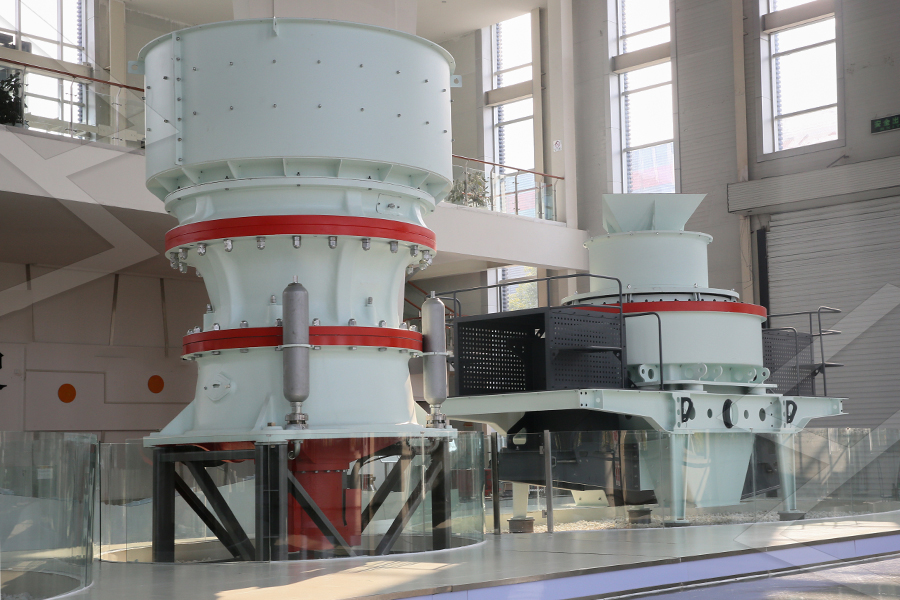
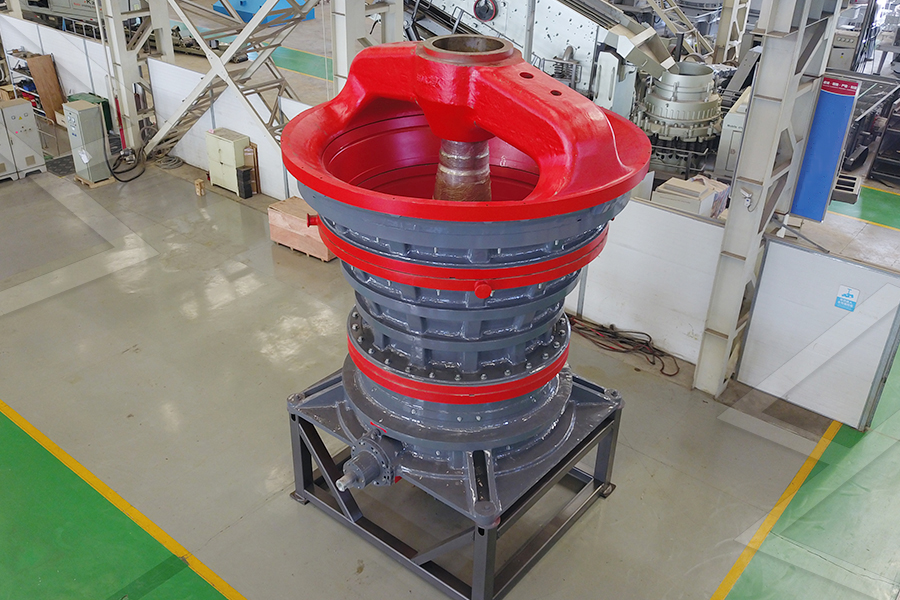
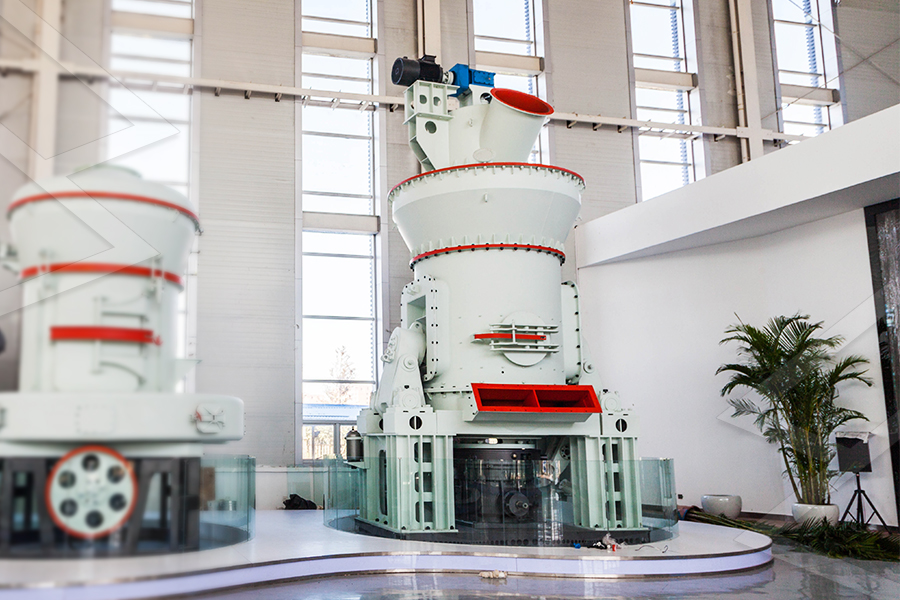
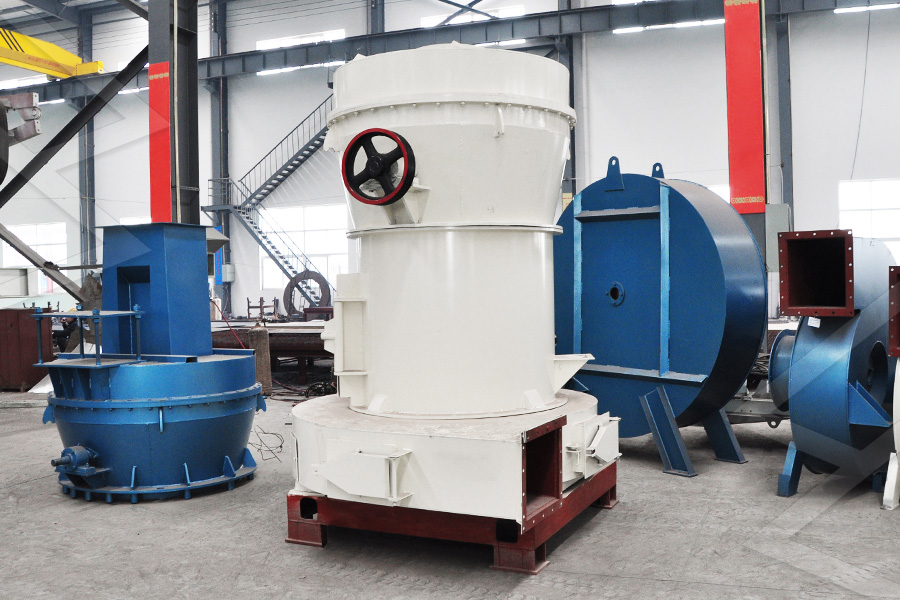
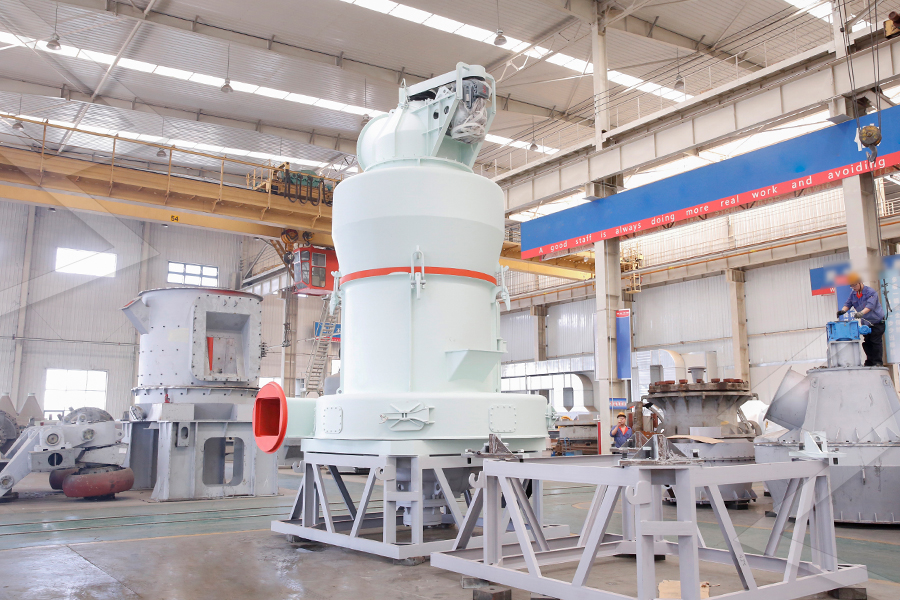
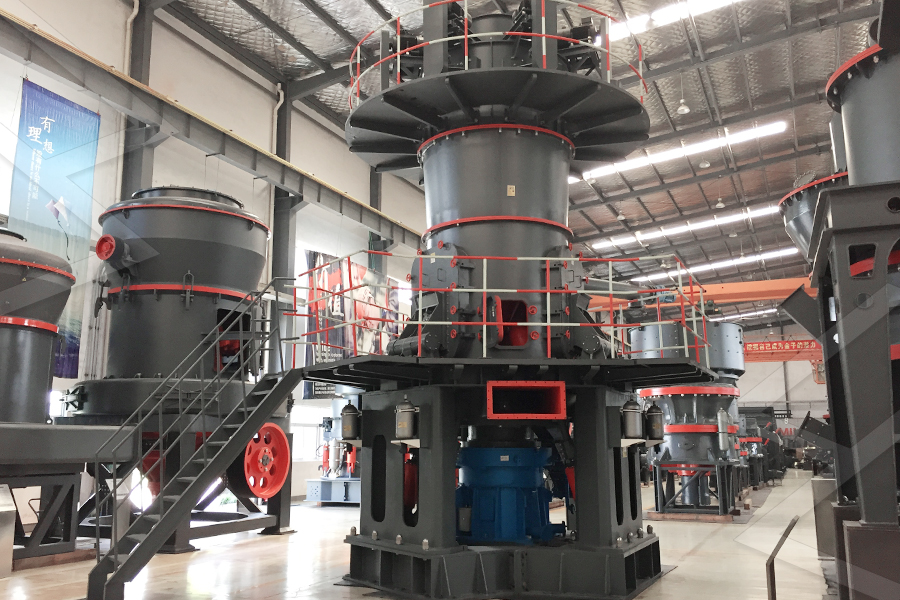
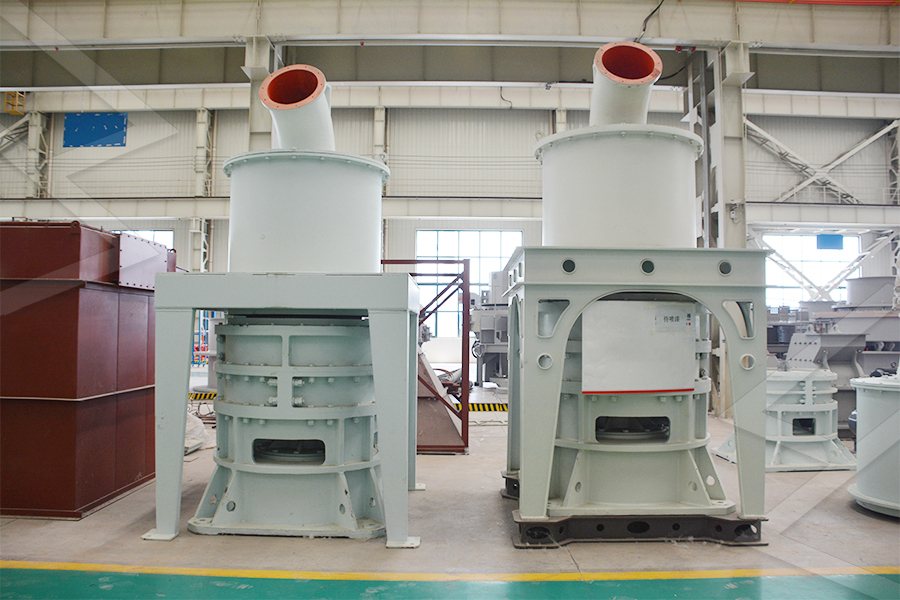
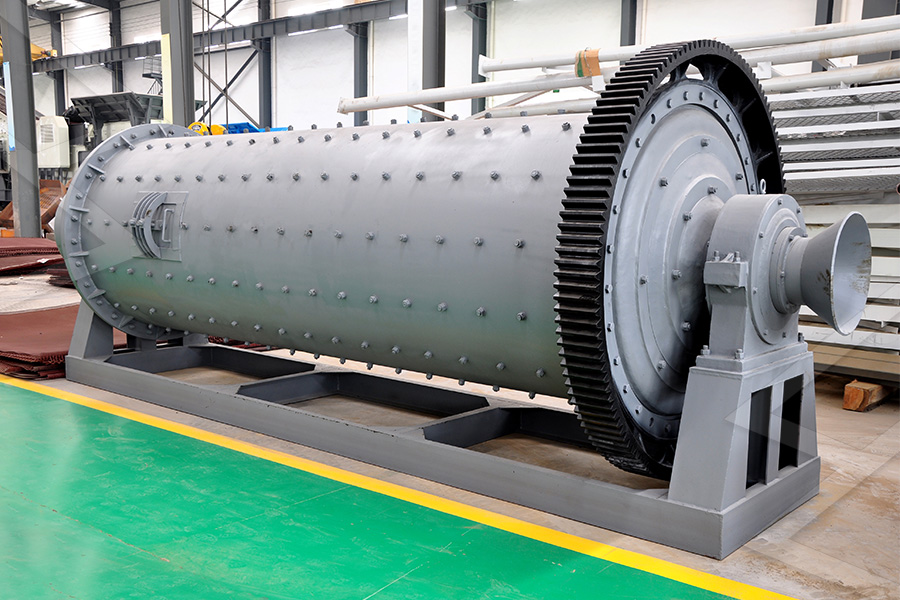
After pretreatment, the feldspar is crushed to 10-15mm using a cone crusher (CSB160), then stored in a 200-ton silo to ensure a continuous feed to the grinding system. The project uses a vertical roller mill (LM3800), which is ideal for feldspar processing due to its high efficiency, uniform product fineness, and low energy consumption. The vertical mill features a grinding table and four hydraulic rollers, operating at a rotational speed of 28 rpm, which grinds the 10-15mm feldspar into fine powder.
Hot air (160-180°C) is blown into the mill to dry the powder and carry it to an air classifier, which is set to separate particles finer than 250 mesh (63 μm). The classifier’s variable-speed impeller (1600-1800 rpm) ensures consistent fineness, with a uniformity coefficient (d90/d10) of less than 2.5. The 250-mesh powder is collected by a pulse bag filter with a dust collection efficiency of 99.9%, complying with China’s environmental standards. The powder is then conveyed to a 500-ton silo, directly connected to the ceramic manufacturer’s production line.
In ceramic tile production, the 250-mesh feldspar powder accounts for 30-40% of the raw material mix, lowering the firing temperature from 1300°C to 1150-1200°C, reducing energy consumption by 15%. It also improves the tile’s gloss (increasing it by 20%) and reduces cracking during firing. The project ensures consistent quality, reducing the manufacturer’s product rejection rate from 8% to 2% and saving approximately 2.8 million yuan per year. With a total investment of 6 million yuan and a service life of 18 years, this project is a model for ceramic industry mineral processing.