The Quartz Grinding Project (2.5 TPH, 400 Mesh)
Quartz (SiO₂) is a critical non-metallic mineral in the electronics industry, valued for its ultra-high purity, excellent thermal conductivity, and electrical insulation properties. This specialized project, located in Jiangsu Province, China—a hub for electronics manufacturing—processes high-purity quartz (99.99% SiO₂) into 400-mesh powder at 2.5 TPH, supplying a leading semiconductor manufacturer. The powder is used to produce electronic-grade silica for semiconductors, solar panels, and optical fibers, where strict control over purity and particle size is essential to ensure end-product performance.
The raw quartz used in the project is sourced from a mine in Anhui Province, known for its high-purity deposits with a SiO₂ content of 99.995% and metal impurities below 5 ppm. The raw quartz arrives as 50-100mm lumps, which undergo a rigorous multi-step pretreatment process to achieve the ultra-high purity required for electronic applications. First, the quartz lumps are soaked in a 10% hydrochloric acid (HCl) solution at 60°C for 4 hours, dissolving metal oxides (Fe₂O₃, Al₂O₃, CaO) on the surface and reducing metal impurities to below 10 ppm. The lumps are then rinsed with deionized water until the pH reaches 7, removing any residual acid.
Next, the rinsed quartz is dried in a cleanroom oven at 120°C for 6 hours to reduce the moisture content to less than 0.1%, preventing agglomeration and contamination during grinding. A high-intensity magnetic separator (15,000 gauss) is then used to remove any remaining iron particles (≤0.1 ppm), which can disrupt semiconductor circuits. After pretreatment, the quartz lumps are crushed to 20-30mm using a jaw crusher with a ceramic liner to avoid metal contamination, then stored in a cleanroom silo.
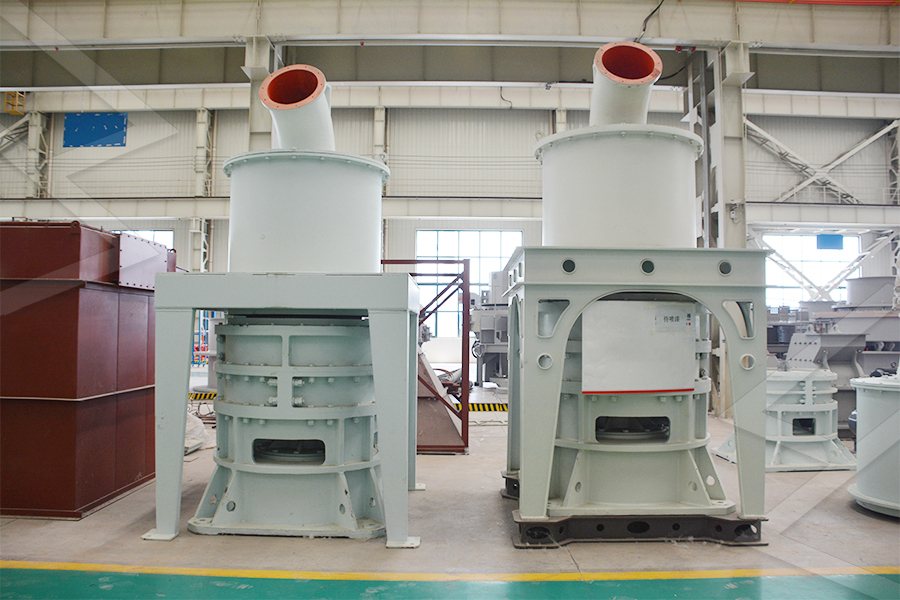
The grinding process uses an airflow mill (jet mill) with a ceramic grinding chamber (alumina, 99.9% purity), selected for its ability to grind particles by high-velocity air collision, minimizing contact with metal surfaces. The mill operates at 10 bar air pressure, generated by an oil-free, dry air compressor to avoid oil and moisture contamination. The 20-30mm quartz lumps are fed into the mill at 2.5 TPH, and the ground particles are carried to a two-stage classifier: the first removes oversize particles (>400 mesh) for regrinding, while the second collects the 400-mesh powder via a high-precision cyclone. A HEPA filter (class H14) captures ultra-fine particles, ensuring no product loss and cleanroom conditions. The final powder undergoes chemical cleaning and vacuum drying, packaged in sealed bags in an ISO Class 8 cleanroom. It meets semiconductor industry standards, reducing the manufacturer’s reliance on imported powder and saving approximately $500,000 per year.