Talc Grinding Project (10 TPH, 300 Mesh)
Talc is a soft, hydrous magnesium silicate mineral (Mg₃Si₄O₁₀(OH)₂) known for its smooth texture, chemical inertness, and heat resistance, making it widely used in the plastic, paper, and cosmetic industries. This project, located in Zhejiang Province, China—a major manufacturing hub—produces 300-mesh talc powder at 10 TPH, supplying local plastic and paper manufacturers. The powder acts as a filler and functional additive, improving the performance and reducing the cost of end products.
The raw talc used in the project is sourced from Liaoning Province, known for its high-quality talc deposits with a talc content of 90-95%, a whiteness value of 85-88%, and a Mohs hardness of 1-1.5 (extremely soft). The raw talc arrives at the project site as 50-100mm lumps, which undergo a simple but effective pretreatment process. First, the lumps are crushed to 20-30mm using a jaw crusher (PE400×600), then sorted to remove impurities such as rock fragments and clay. Since talc is naturally soft and low in impurities, no additional magnetic separation or chemical treatment is required, reducing production costs.
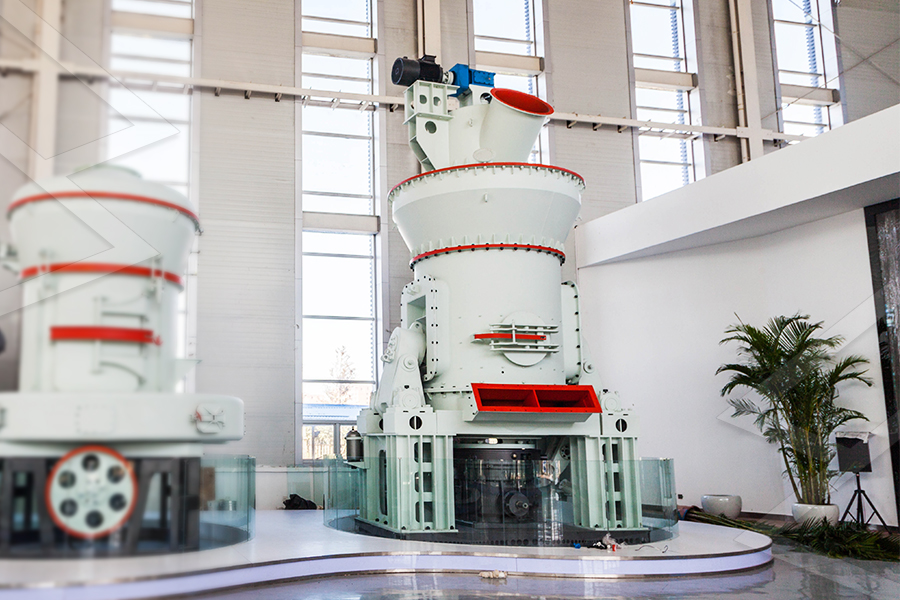
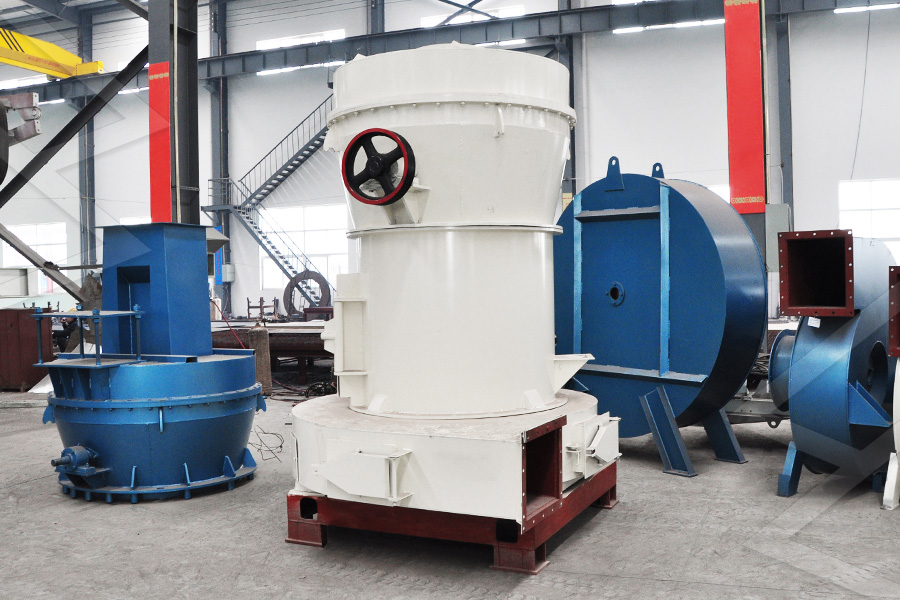
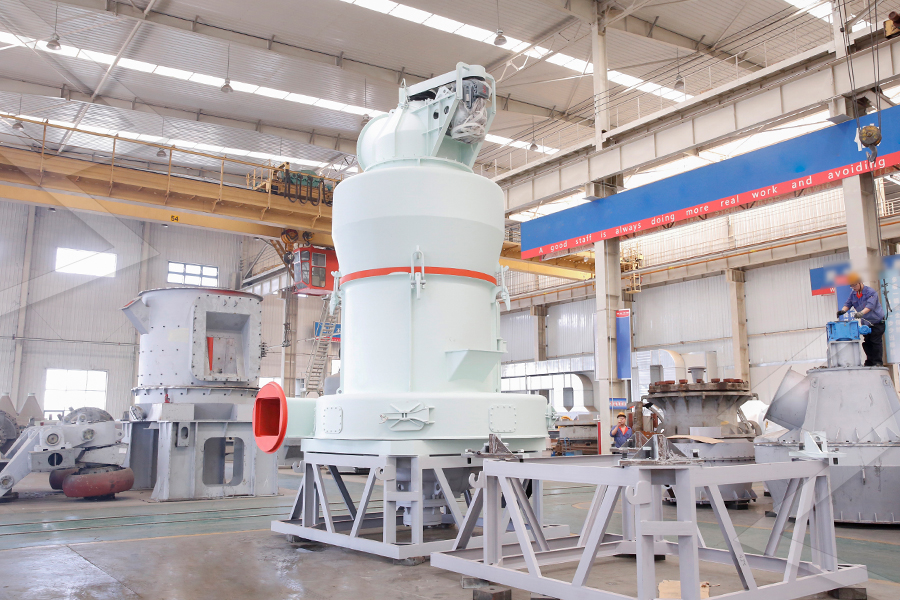
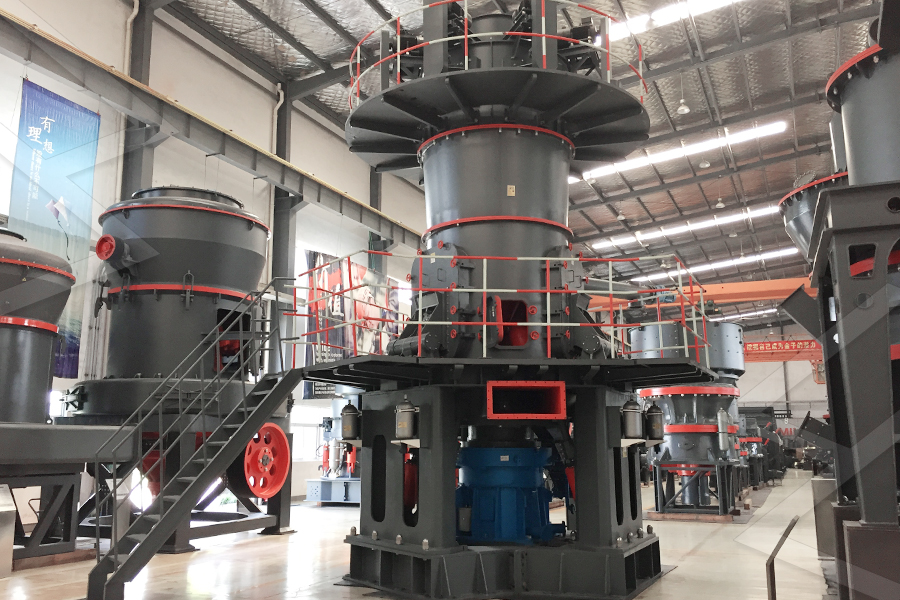
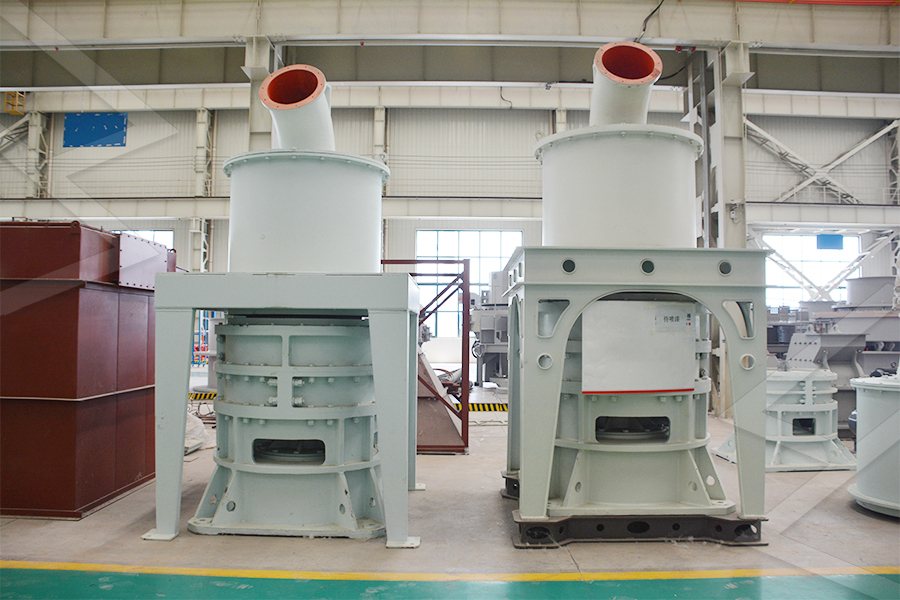
The crushed talc is stored in a 150-ton silo, equipped with a vibratory feeder to control the feed rate to the grinding mill. The project uses a Raymond mill (YGM-3412), a proven choice for talc grinding due to its ability to handle soft minerals efficiently and produce uniform particle size. The Raymond mill features 4 grinding rollers, a grinding ring, and a fan with a 185 kW power rating, operating at a rotational speed of 24 rpm.
The 20-30mm talc particles are fed into the Raymond mill, where they are ground between the rotating rollers and grinding ring. Hot air (120-140°C) is blown into the mill to dry the talc (reducing moisture content to less than 0.5%) and carry the ground powder to an air classifier. The classifier’s impeller speed is set to 2000 rpm, ensuring only particles finer than 300 mesh (48 μm) are collected. A pulse bag filter (LMC-48) with 120 filter bags captures the talc powder, achieving a dust collection efficiency of 99.9%, which complies with China’s national environmental standards (dust emission ≤10 mg/m³).
The 300-mesh talc powder is then conveyed to two separate silos: one for plastic industry supply and one for paper industry supply. In the plastic industry, the powder acts as a filler in polyethylene (PE) and polypropylene (PP) products, improving toughness, rigidity, and heat resistance while reducing raw material costs by 15-20%. In the paper industry, it is used as a coating filler, enhancing paper smoothness, printability, and opacity. The project has a total investment of 4.5 million yuan, a payback period of 2 years, and creates 20 local jobs. It also incorporates energy-saving measures, such as a frequency converter on the Raymond mill, which reduces energy consumption by 10% compared to traditional mills, making it a sustainable and cost-effective solution for talc processing.