Gypsum Grinding Project (22 TPH, 120 Mesh)
Gypsum (CaSO₄·2H₂O) is a versatile non-metallic mineral with excellent fire resistance, sound insulation, and lightweight properties, making it a key raw material in the construction industry—particularly for building gypsum boards. This project, located in Texas, USA, serves a regional gypsum board manufacturer with an annual production capacity of 150 million square feet, producing 120-mesh gypsum powder at 22 TPH. The powder is a critical feedstock for producing “calcined gypsum” (CaSO₄·0.5H₂O), the binding agent in gypsum boards used for interior walls, ceilings, and partitions in residential and commercial buildings.
The raw gypsum used in the project is sourced from a nearby mine in New Mexico, USA, which has large deposits of high-quality natural gypsum with a CaSO₄·2H₂O content of 85-90%. The raw gypsum arrives at the project site as 100-300mm blocks, which first undergo primary crushing using a jaw crusher (PE400×600) to reduce their size to 50-100mm. A hammer crusher (PC1000×1200) then further crushes the gypsum to 10-20mm, an ideal size for the grinding mill. A vibrating screen removes impurities such as sand particles larger than 20mm, which are repurposed as construction fill.
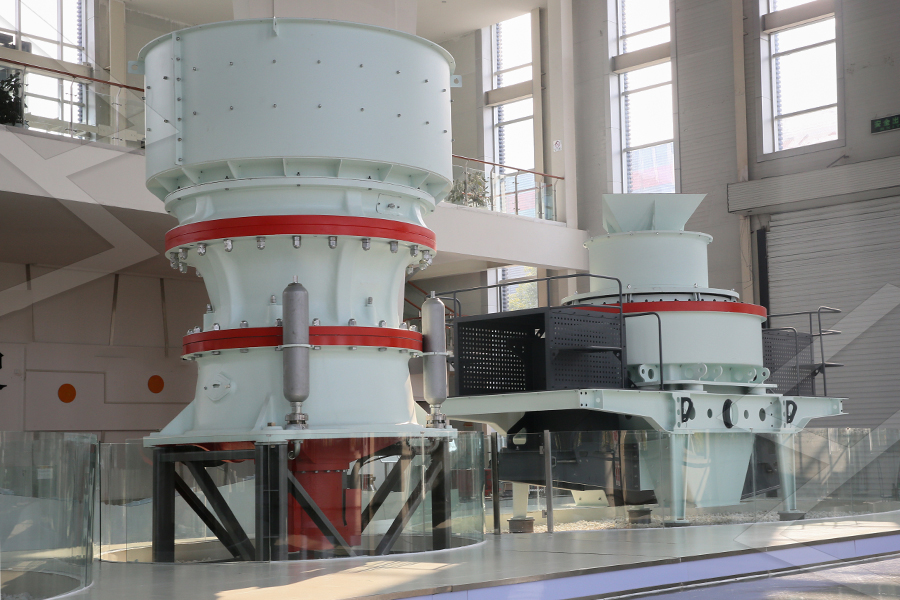
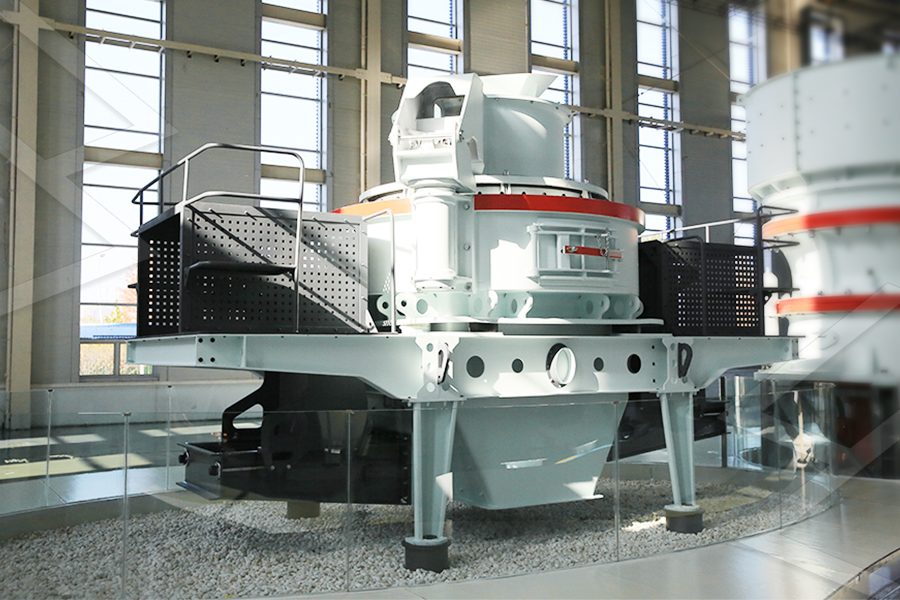
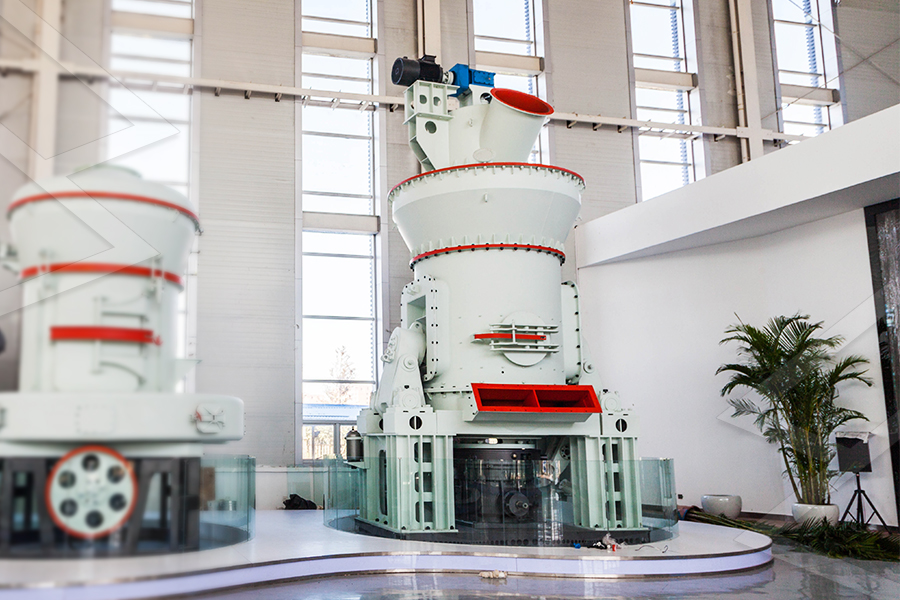
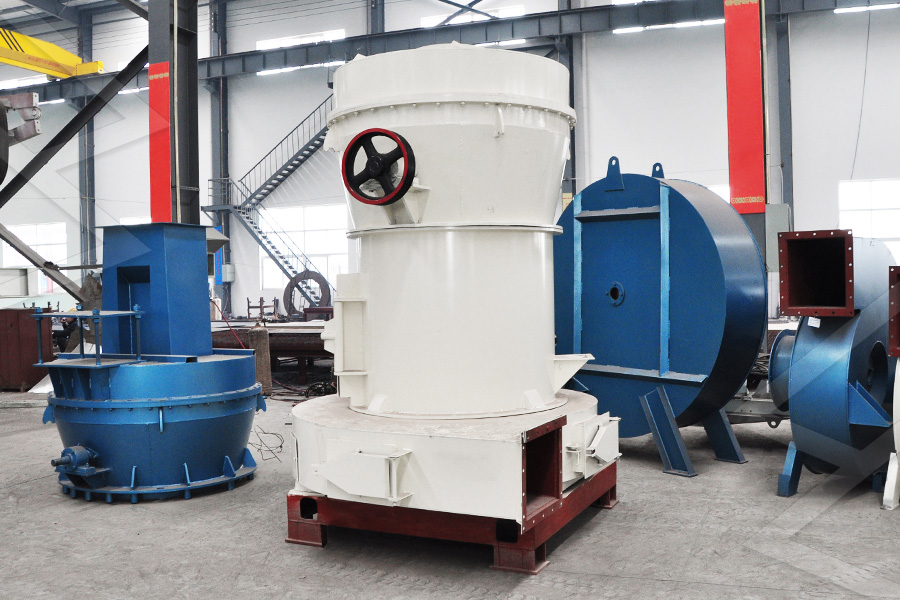
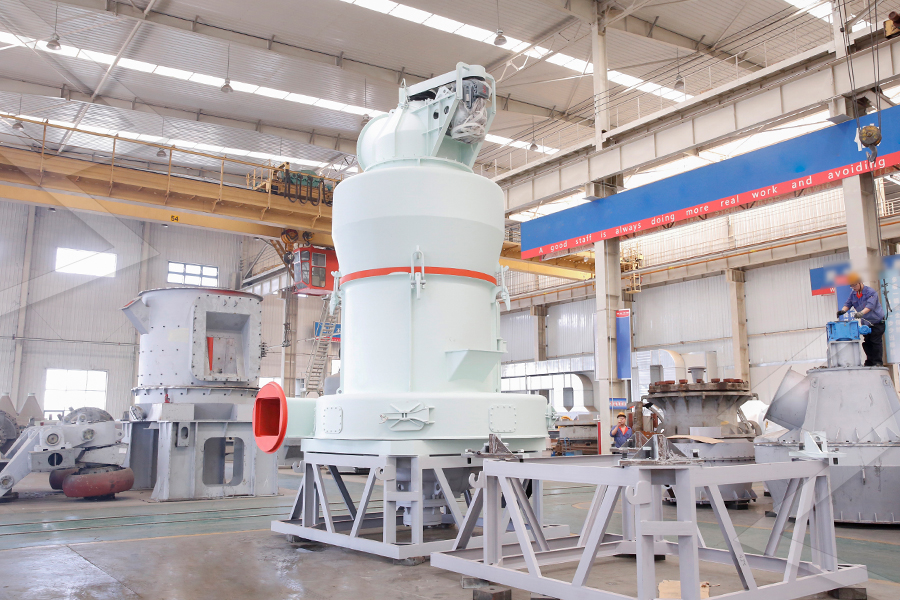
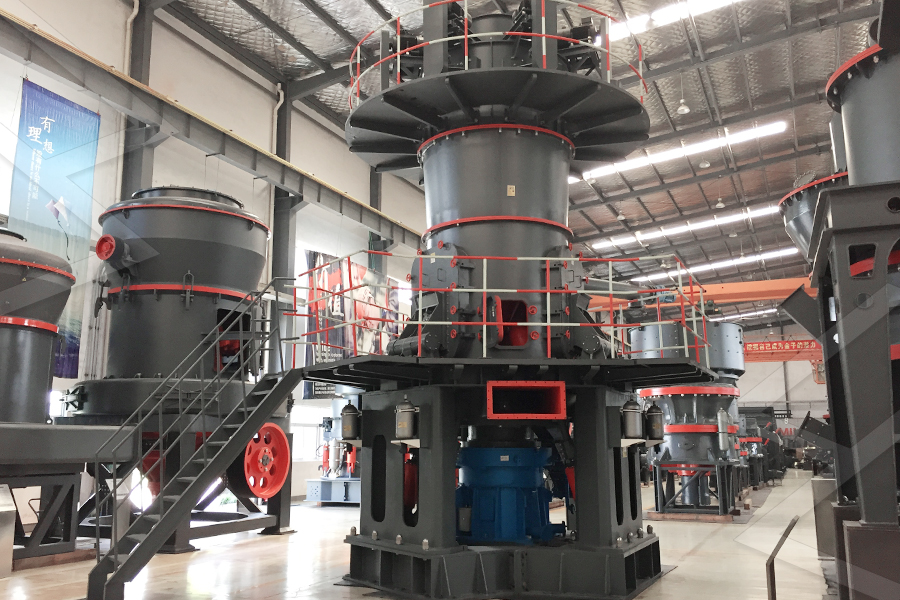
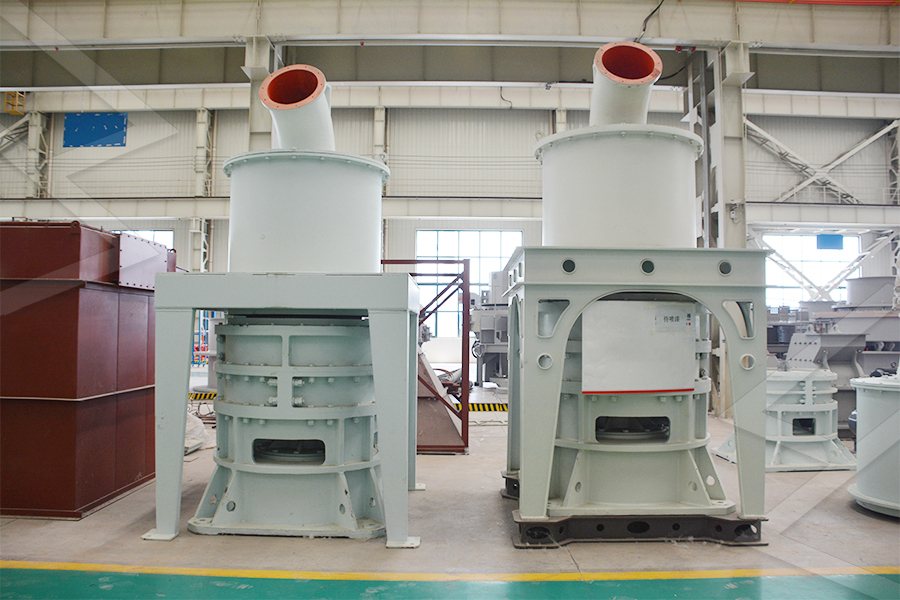
After crushing and screening, the gypsum particles are conveyed to a rotary dryer (Φ2.2×12m) heated by a natural gas burner, reducing the moisture content from 8-10% to less than 1%. This step is critical to prevent clumping during grinding and ensure uniform calcination later. The dried gypsum is stored in a 300-ton silo, equipped with a vibratory feeder to maintain a steady feed to the grinding mill. The project uses a Raymond mill (YGM-4125), a vertical roller mill commonly used in gypsum processing, featuring 5 grinding rollers, a grinding ring, and a fan with a 250 kW power rating.
The 10-20mm gypsum particles are fed into the Raymond mill, where they are ground between the rotating rollers and grinding ring. Hot air from the natural gas burner is blown into the mill, simultaneously drying the gypsum and carrying the ground powder to an air classifier (1800 rpm) that ensures only particles finer than 120 mesh pass through. A pulse bag filter (LMC-64) captures the gypsum powder, with an automatic cleaning system maintaining continuous operation. The powder is then conveyed to an 800-ton silo, directly connected to the client’s adjacent calcination plant. The 120-mesh fineness ensures uniform heating during calcination, preventing over or under-calcination and improving the strength of the final gypsum boards. The project complies with US EPA emission standards, reduces the client’s raw material costs by 25%, and has a payback period of 18 months.