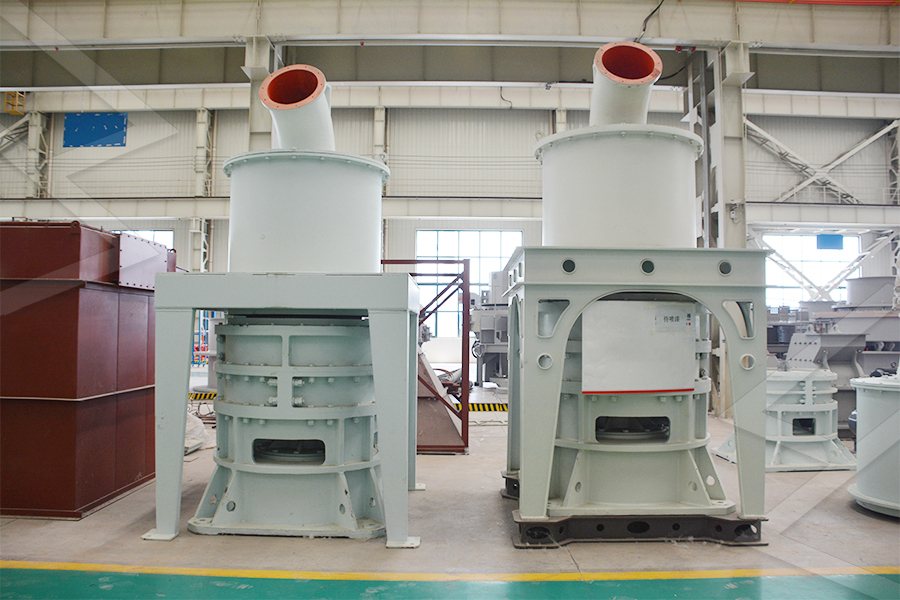
Dolomite & Calcium Carbonate Co-Grinding Project (18 TPH, 200 Mesh)
This innovative project, located in Hebei Province, China—a major steel-producing region—focuses on the co-grinding of dolomite and calcium carbonate, producing a 200-mesh powder at a production capacity of 18 TPH. The powder is specifically designed for steel desulfurization, a critical process that removes sulfur from molten iron to improve the quality and ductility of steel, preventing “hot shortness” (brittleness at high temperatures) and reducing defects in final steel products. The project supplies a nearby integrated steel mill with an annual production capacity of 3 million tons, optimizing desulfurization efficiency while reducing raw material costs.
The project uses a 3:1 blend of dolomite and calcium carbonate, a ratio determined through extensive testing to achieve synergistic benefits. Dolomite (CaMg(CO₃)₂) provides magnesium (Mg), which enhances sulfur capture at high temperatures (via reactions S + CaO → CaS + O₂ and S + MgO → MgS + O₂), while calcium carbonate (CaCO₃) is 30% cheaper than high-grade dolomite, significantly reducing overall raw material costs. The raw dolomite is sourced from Shanxi Province, with a chemical composition of CaO 30-32%, MgO 20-22%, and SiO₂ 2-3%, while the calcium carbonate comes from Henan Province, with a CaCO₃ content of 95% or higher.
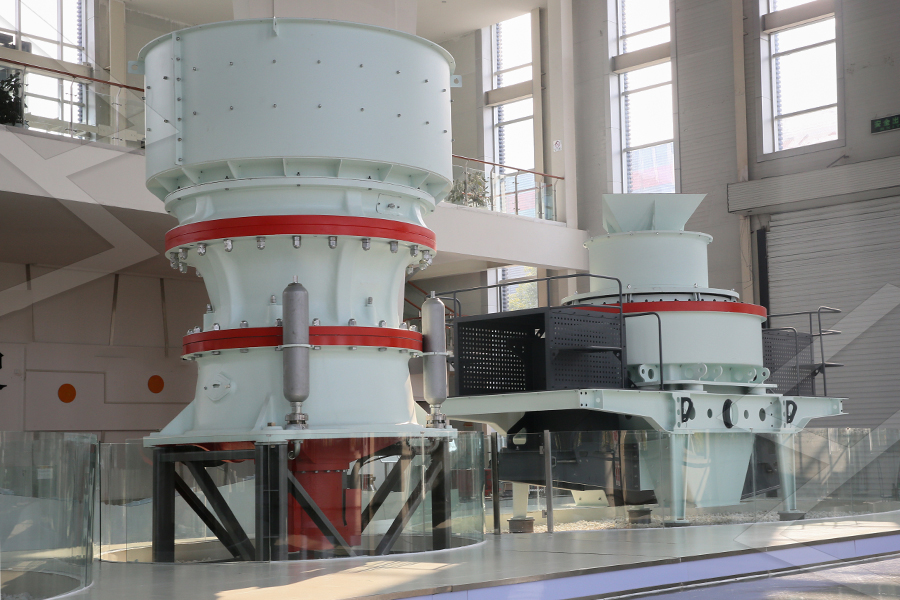
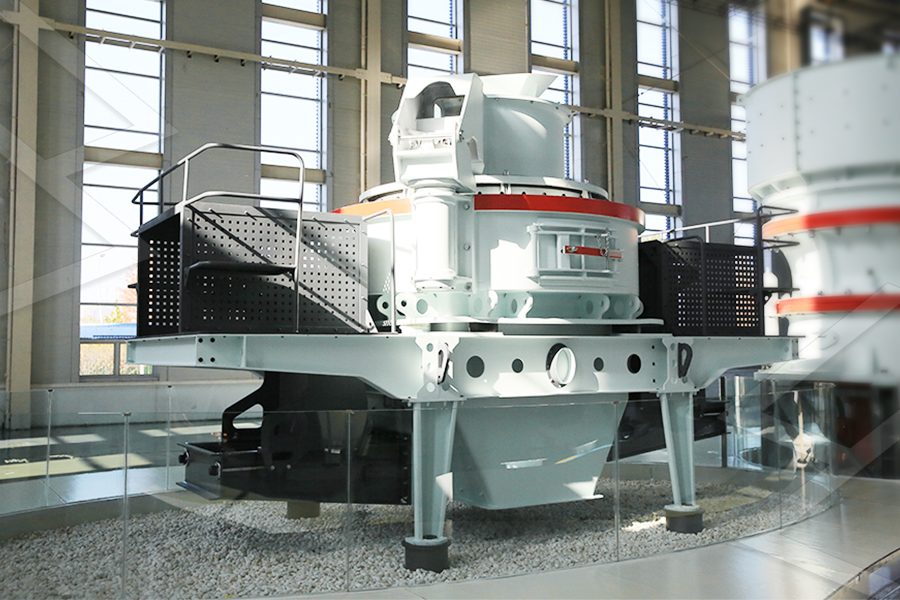
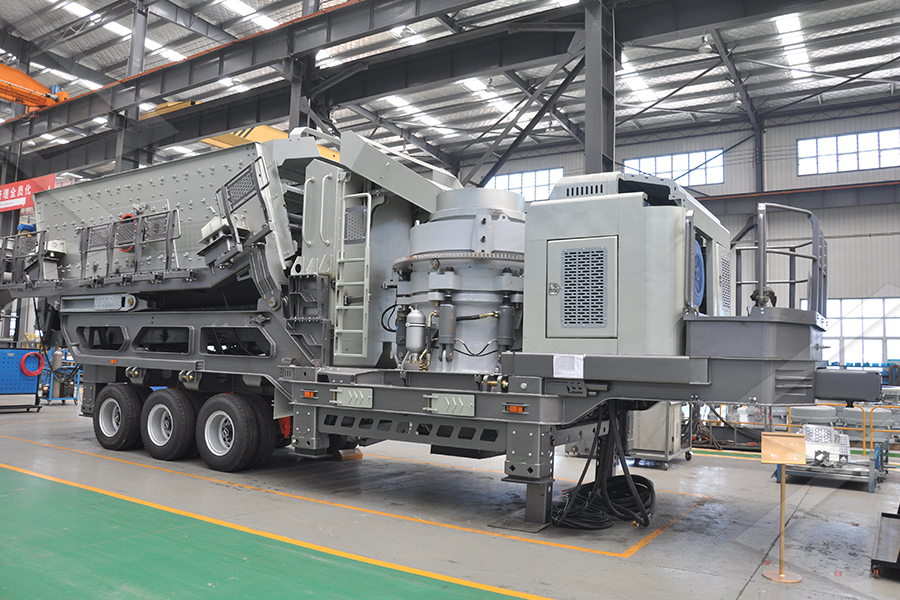
Before blending, each mineral undergoes separate crushing to ensure uniform particle size. Dolomite is crushed to 10-15mm using a jaw crusher and a cone crusher, while calcium carbonate is crushed to 15-25mm using an impact crusher (due to its lower hardness). The crushed materials are then conveyed to a belt scale, which precisely controls the feed rate to maintain the 3:1 blend ratio (13.5 TPH dolomite and 4.5 TPH calcium carbonate). The blended material is stored in a 200-ton silo to ensure a continuous feed to the grinding system.
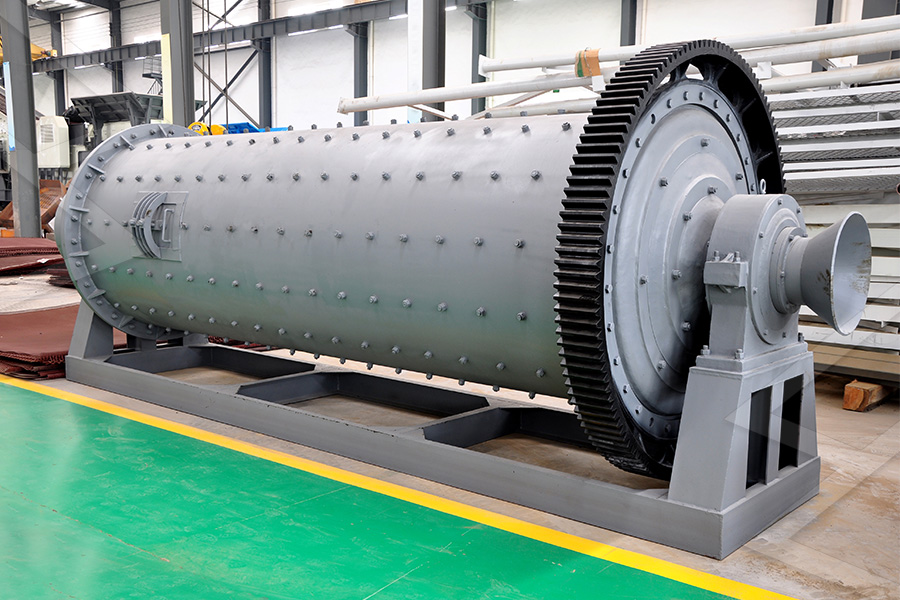
The grinding system uses a ball mill with a length of 8 meters and a diameter of 2.4 meters, filled with high-chromium steel balls at a 35% filling rate. The ball mill operates at 21 rpm, creating a cascading motion that grinds the blended material into fine powder. An air classifier, installed at the mill’s discharge end, separates particles based on size: particles finer than 200 mesh are collected by a pulse bag filter (99.95% collection efficiency), while coarser particles are recycled for regrinding. The powder is then dried using waste heat from the steel mill’s flue gas, reducing energy consumption and carbon emissions. Since commissioning, the project has increased the steel mill’s sulfur removal rate from 85% to 92%, saving approximately 3.6 million yuan per year.