Quality Control Measures
To ensure the quality of the limestone powder, the project implements a strict quality control protocol throughout the entire production process. In the raw material stage, the CaCO₃ content, moisture content, and particle size of the raw limestone are tested daily using X-ray fluorescence (XRF) spectroscopy and a laser particle size analyzer. Only raw materials that meet the standard are allowed to enter the crushing and grinding process.
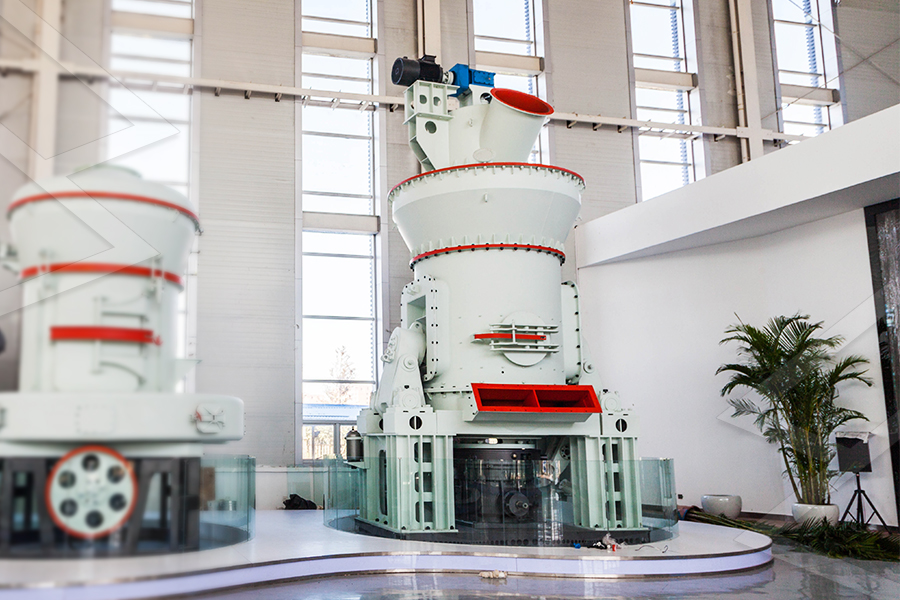
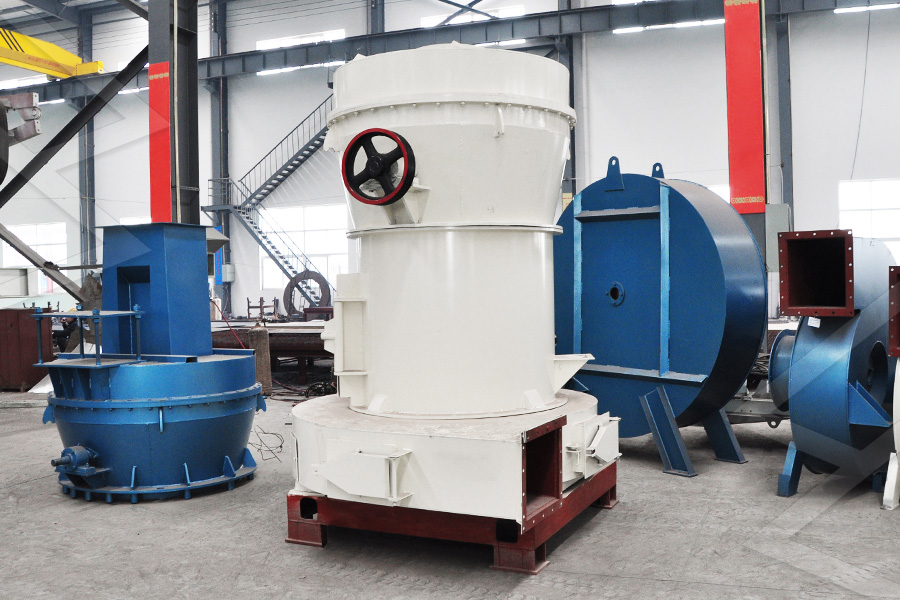
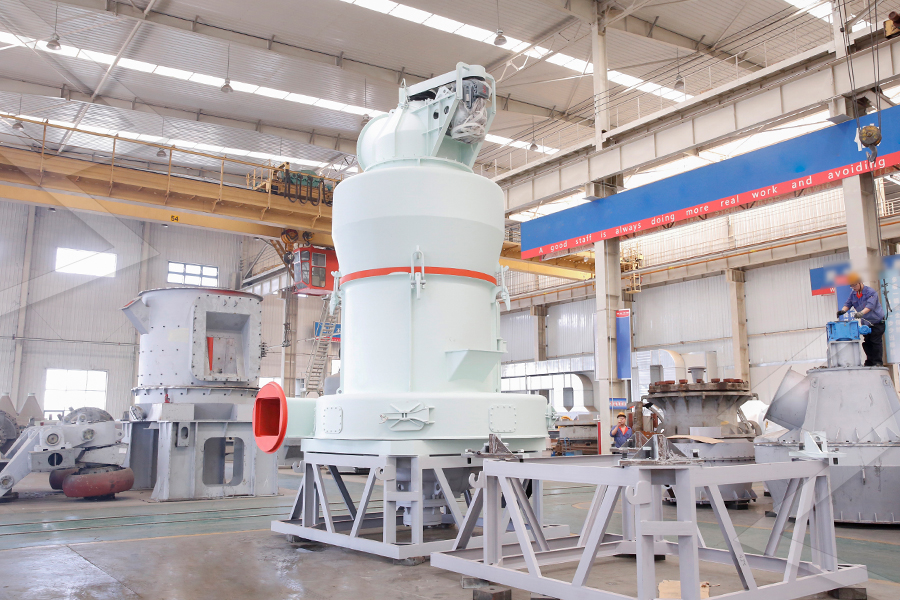
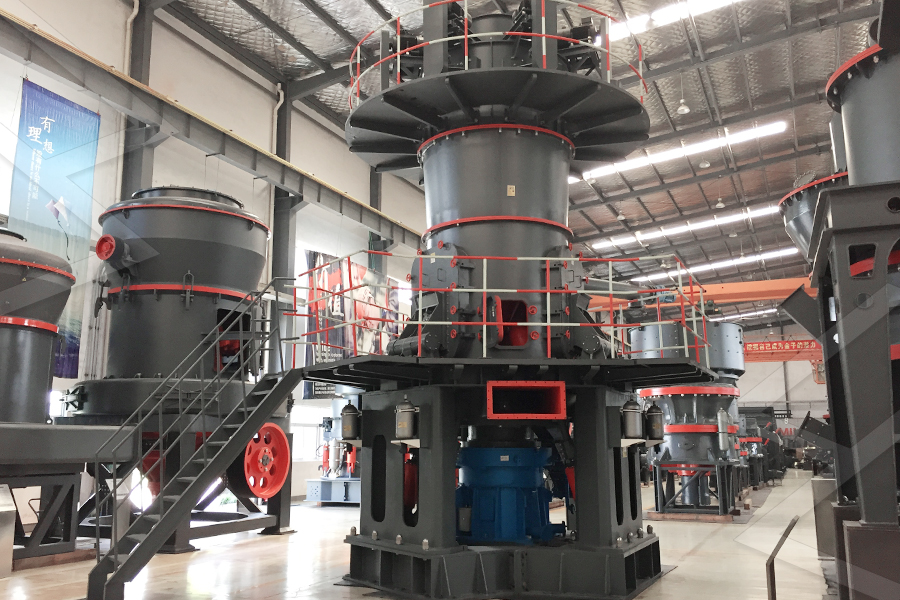
During the grinding process, a laser particle size analyzer is used every 2 hours to test the fineness of the output powder, with the results recorded in a digital system for traceability. If the fineness exceeds the standard, the operating parameters of the VRM (such as the rotational speed of the grinding table and the pressure of the hydraulic rollers) are adjusted in a timely manner. Additionally, the pulse bag filter is inspected weekly to prevent dust leakage, as even small amounts of coarse particles can affect the performance of the cement.
In the final product stage, each batch of limestone powder (500 kg per batch) is sampled and tested for CaCO₃ content, fineness, moisture content, and impurity content. The qualified products are packaged or transported to the cement plant, while unqualified products are recycled back to the grinding mill for reprocessing. The project has established a complete quality management system and obtained ISO 9001 quality certification, ensuring that the product quality meets the national standard GB/T 15057.1-2018.
Environmental and Energy Efficiency Features
Environmental sustainability is a key focus during the project design. The pulse bag filter used in the project has a dust collection efficiency of over 99.9%, ensuring that the dust emission concentration is less than 10 mg/m³, which complies with China’s national standard GB 4915-2013 for cement industry emissions. The waste heat generated by the VRM’s hot air system is recycled to preheat the raw limestone, reducing natural gas consumption by 15% and cutting carbon emissions by 500 tons per year.
The project also adopts a closed-loop water system for cooling the VRM’s hydraulic components and bearings, minimizing water waste to less than 0.5 m³ per ton of product. The noise generated by the equipment is controlled below 85 dB through sound insulation measures such as installing sound-absorbing panels and shock absorbers, which meets the national noise emission standard GB 12348-2008.
In terms of energy efficiency, the VRM is equipped with a frequency converter, which can adjust the rotational speed of the grinding table according to the feed amount and fineness requirements, further reducing energy consumption. The project’s overall energy consumption per ton of limestone powder is 35 kWh, which is 20% lower than the industry average.