Process Flow Design
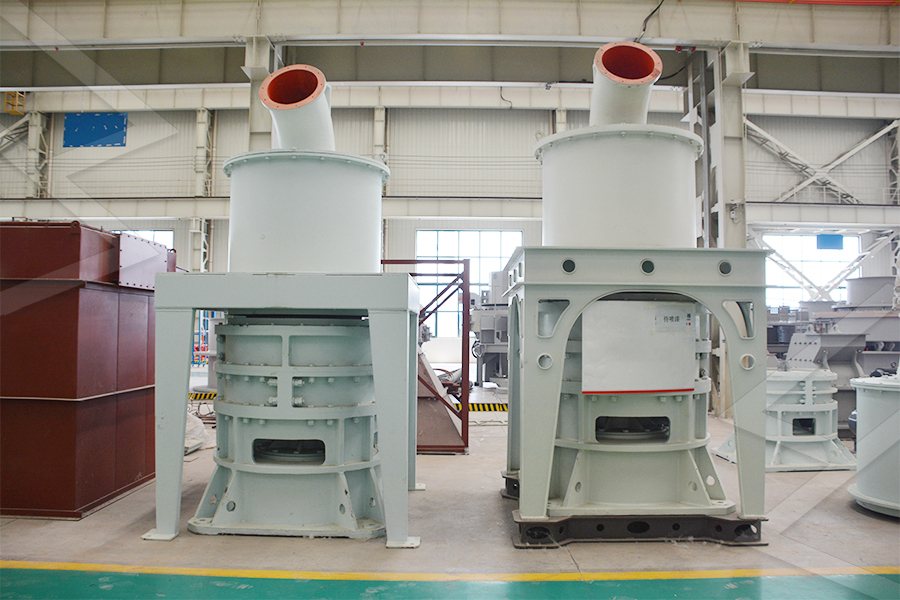
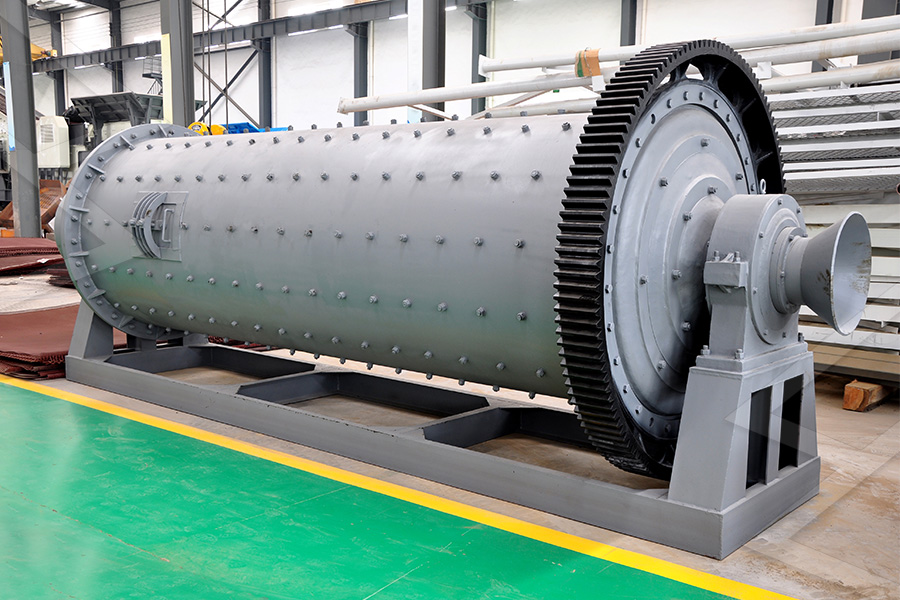
The grinding line adopts a dry processing process, which is more environmentally friendly and energy-efficient compared to wet processing. The entire process is divided into four stages: raw material pretreatment, primary crushing, secondary crushing, and grinding-classification.
In the raw material pretreatment stage, the raw limestone blocks are first transported to the storage yard by a belt conveyor, where they are manually sorted to remove impurities such as soil, rocks, and metal debris. This step is crucial to avoid damage to the subsequent crushing and grinding equipment and ensure the purity of the final product.
The primary crushing stage uses a jaw crusher with a model of PE600×900, which has a feeding capacity of 50 TPH and a discharge particle size of 50-80mm. The jaw crusher is selected for its high crushing efficiency, strong wear resistance, and ability to handle large-size raw materials. The crushed limestone particles are then conveyed to a vibrating screen for classification: particles larger than 80mm are recycled back to the jaw crusher for re-crushing, while particles within the 50-80mm range are sent to the secondary crushing stage.
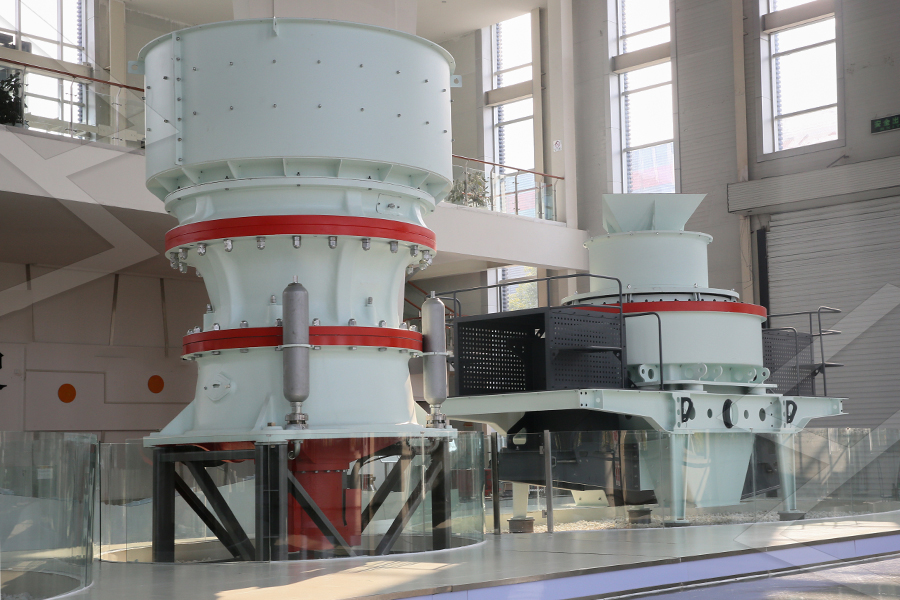
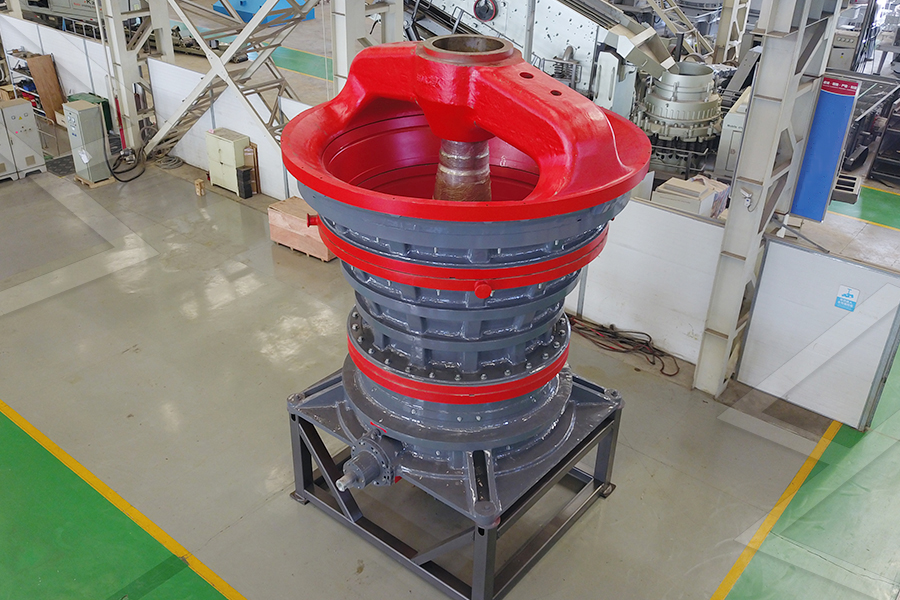
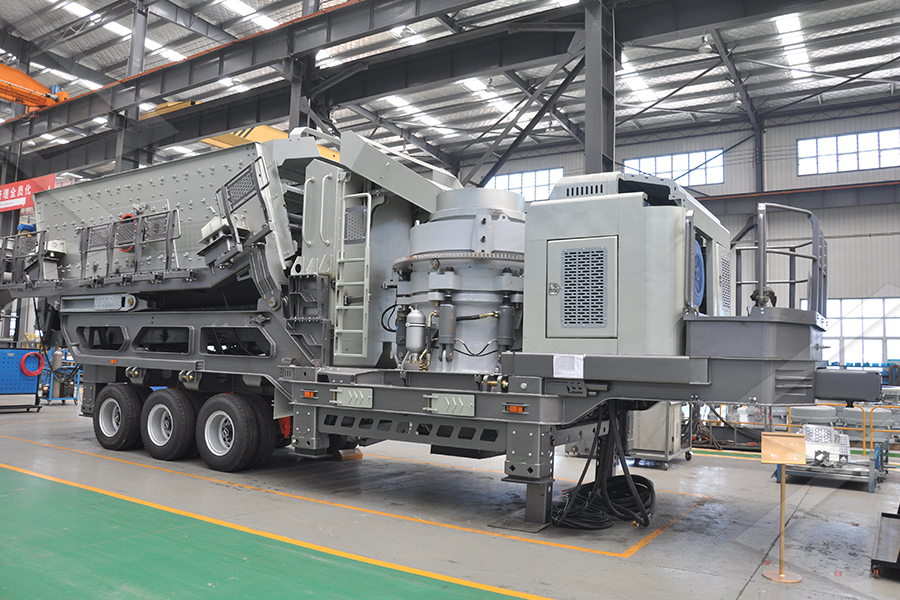
The secondary crushing stage uses a cone crusher with a model of CSB240, which further reduces the particle size of the limestone to 10-20mm. The cone crusher has the advantages of uniform discharge particle size, low noise, and low energy consumption, which ensures that the feed size of the grinding mill is stable and optimal. After secondary crushing, the limestone particles are conveyed to a surge bin to ensure a continuous and stable feed to the grinding mill.
Application and Project Benefits
The 150-mesh limestone powder produced by this project is mainly used as a flux in the cement plant’s clinker grinding process. By replacing 15% of the clinker with limestone powder, the cement plant can reduce clinker consumption by 75,000 tons per year. Since clinker production accounts for about 70% of cement’s carbon footprint, this replacement can reduce carbon emissions by 180,000 tons per year, contributing to the achievement of carbon neutrality goals.
Economically, the project has brought significant benefits to the cement manufacturer. By producing limestone powder on-site, the manufacturer reduces the cost of raw materials by 20% compared to purchasing pre-ground powder, saving about 3 million yuan per year. The project also has a short payback period of 2.5 years, which is highly cost-effective.
Socially, the project has created 35 local jobs, improving the employment rate of the surrounding area. It also promotes the development of the local non-metallic mineral processing industry, driving the growth of related industries such as transportation and equipment manufacturing.
In summary, this 25 TPH limestone grinding project demonstrates how optimized process design and equipment selection can meet the industrial demand for high-quality mineral powder while prioritizing energy efficiency and environmental protection. It serves as a model for similar large-scale non-metallic mineral processing projects worldwide.