Limestone Grinding Project (25 TPH, 150 Mesh)
Limestone is one of the most versatile and widely distributed non-metallic minerals globally, characterized by its high calcium carbonate (CaCO₃) content, typically ranging from 85% to 98%. This project, strategically located in Shandong Province, China—a major hub for cement production—focuses on processing high-quality limestone into 150-mesh powder with a production capacity of 25 tons per hour (TPH). The primary application of this powder is as a key flux in cement manufacturing, where it plays a crucial role in reducing the melting temperature of clinker, improving the overall strength and durability of the final cement product, and lowering production costs. The project is designed to supply a nearby large-scale cement plant with a daily output of 600 tons of limestone powder, ensuring a stable and high-quality raw material supply.
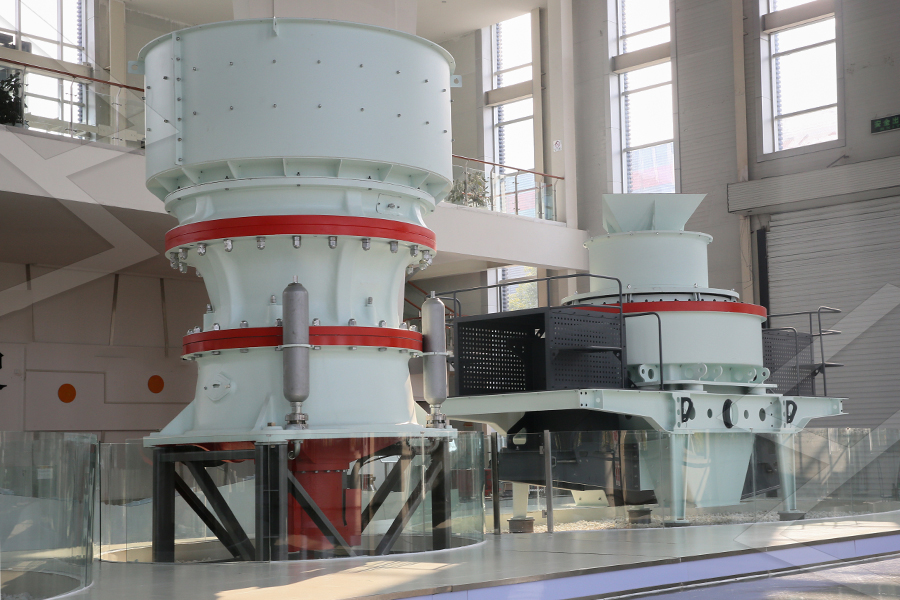
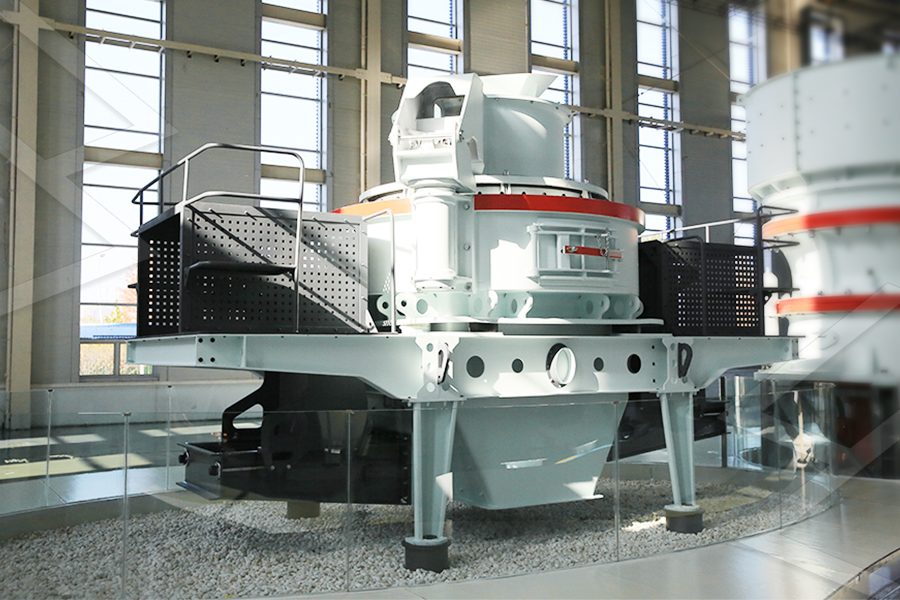
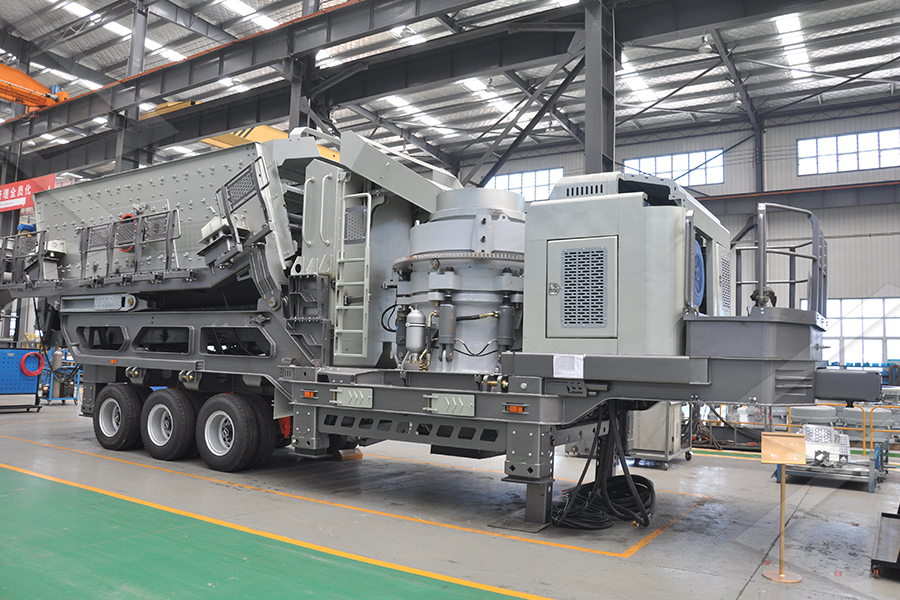
The grinding line adopts an advanced dry processing process, which is more environmentally friendly and energy-efficient compared to traditional wet processing. The workflow begins with raw limestone blocks, sourced from a local quarry with a maximum particle size of 500mm, being transported to the crushing workshop. Here, the limestone is first crushed to 10-20mm using a jaw crusher and a cone crusher, ensuring the feed size is optimal for the grinding mill. The crushed limestone is then conveyed to a surge bin to maintain a continuous and stable feed to the core equipment: a vertical roller mill (VRM).
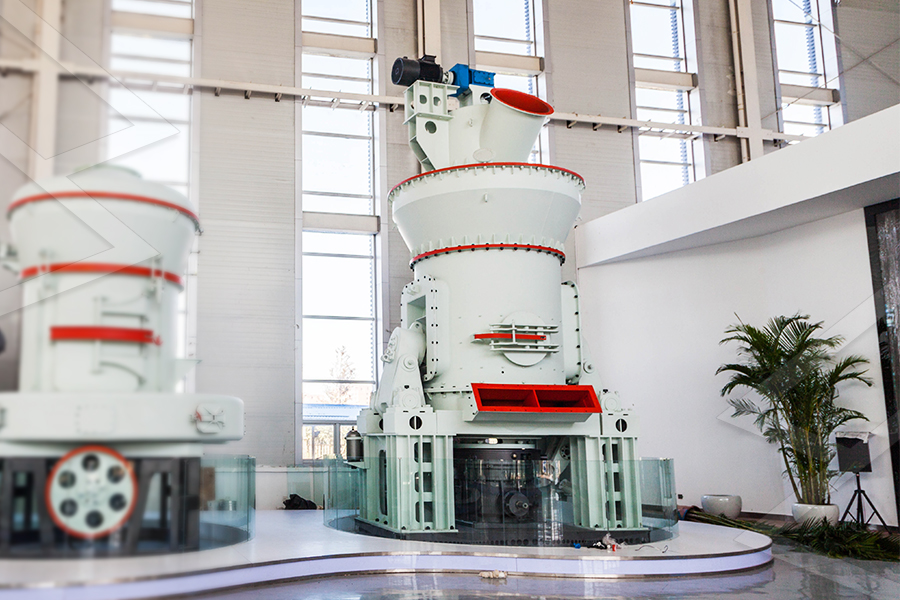
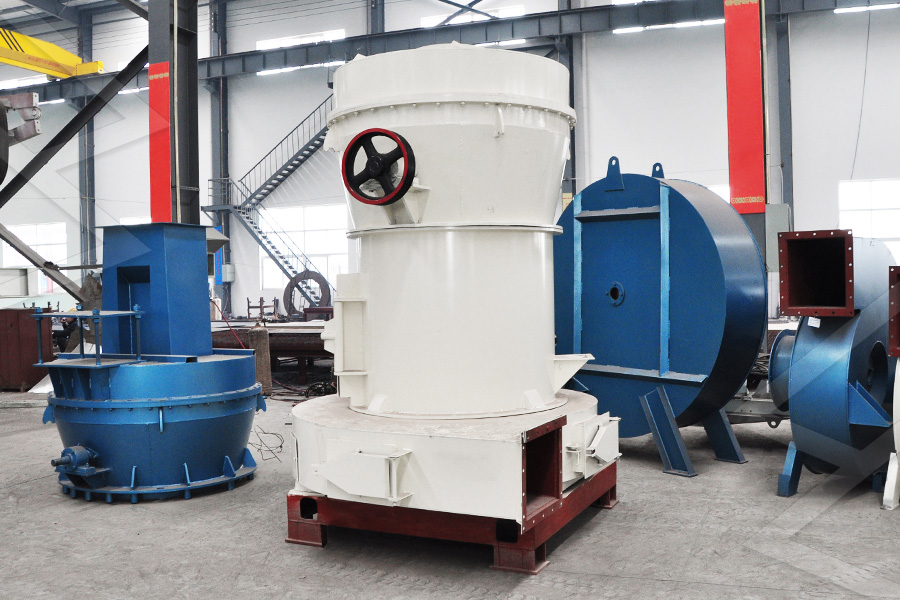
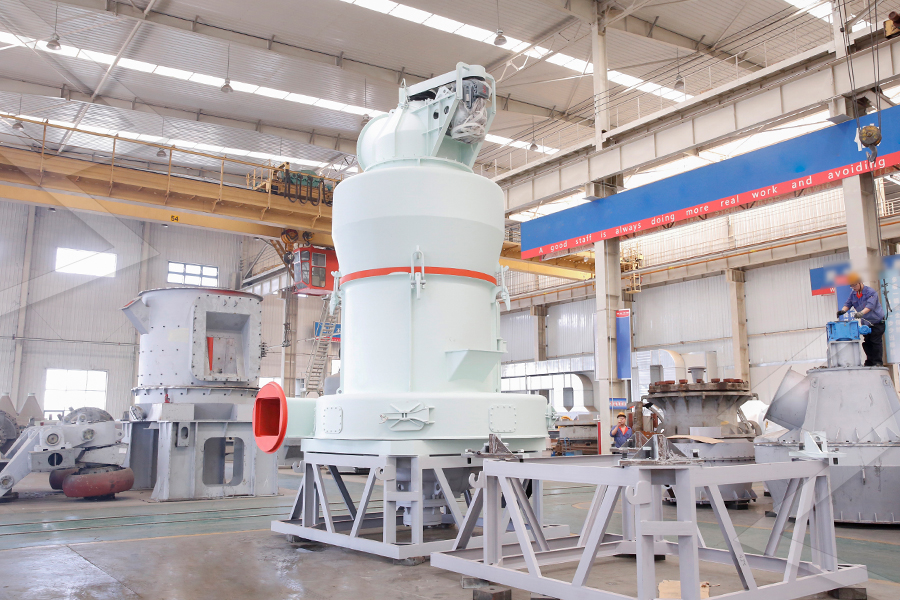
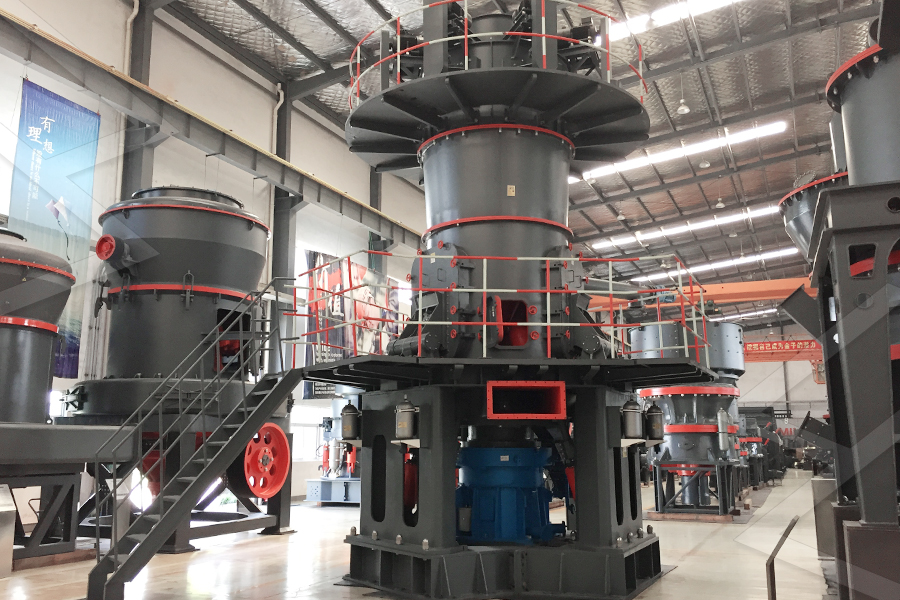
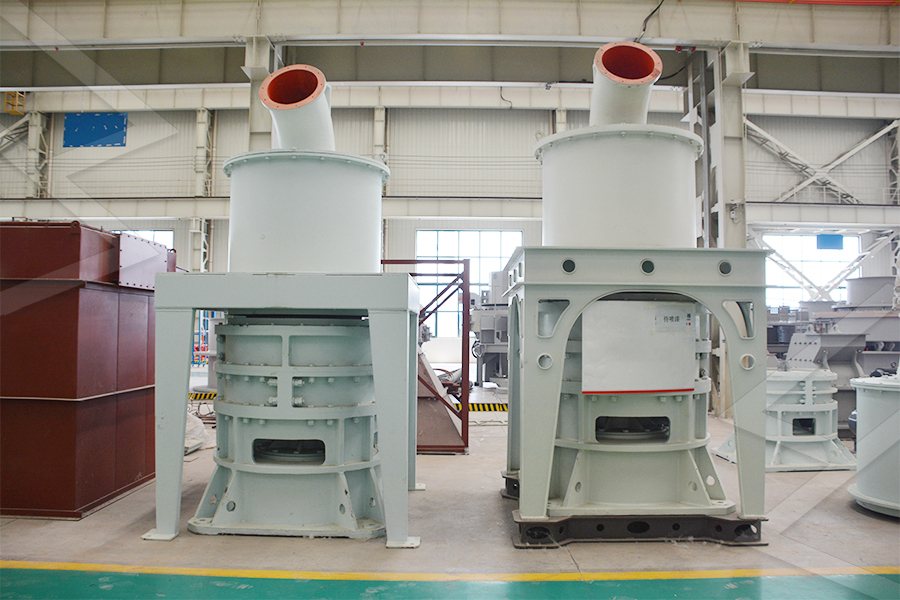
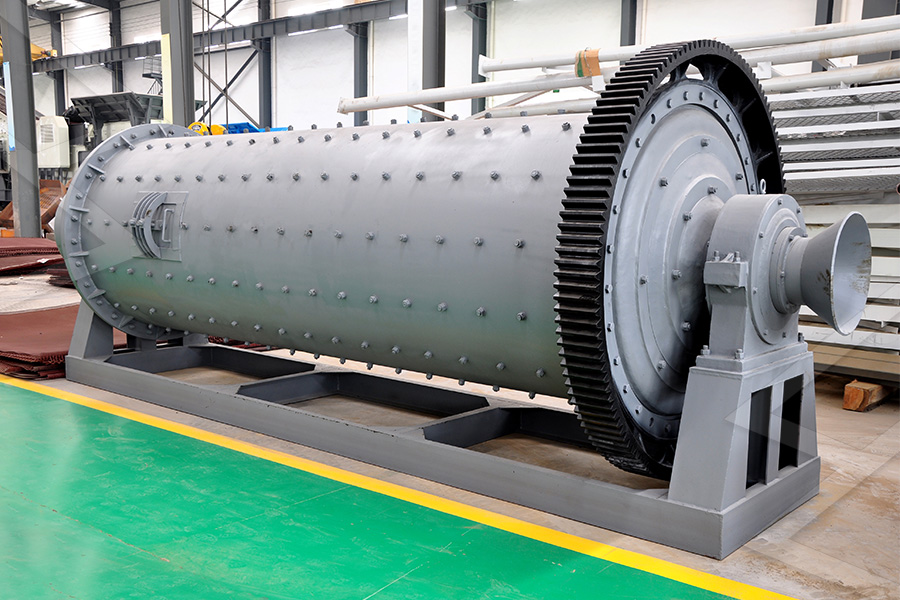
The VRM is selected for its superior performance, featuring a grinding table and hydraulic rollers that efficiently grind the limestone into fine powder. Equipped with an integrated air classifier, the mill ensures that only particles finer than 150 mesh (approximately 106 μm) are collected, while coarser particles are recycled back to the grinding table for reprocessing. This closed-loop system guarantees consistent fineness and high product quality. Additionally, the VRM is energy-efficient, consuming 30% less energy than traditional ball mills, which translates to significant cost savings and reduced carbon emissions.
Environmental protection is a key priority of the project. A high-efficiency pulse bag filter is installed to capture dust, achieving a collection efficiency of over 99.9% and ensuring dust emission concentrations are below 10 mg/m³, which complies with China’s national environmental standards. The project also incorporates a waste heat recovery system, recycling heat from the VRM’s exhaust to preheat raw materials, further reducing energy consumption and environmental impact. With a total investment of 8 million yuan and a designed service life of 20 years, this limestone grinding project not only meets industrial demand but also sets a benchmark for sustainable and efficient non-metallic mineral processing.