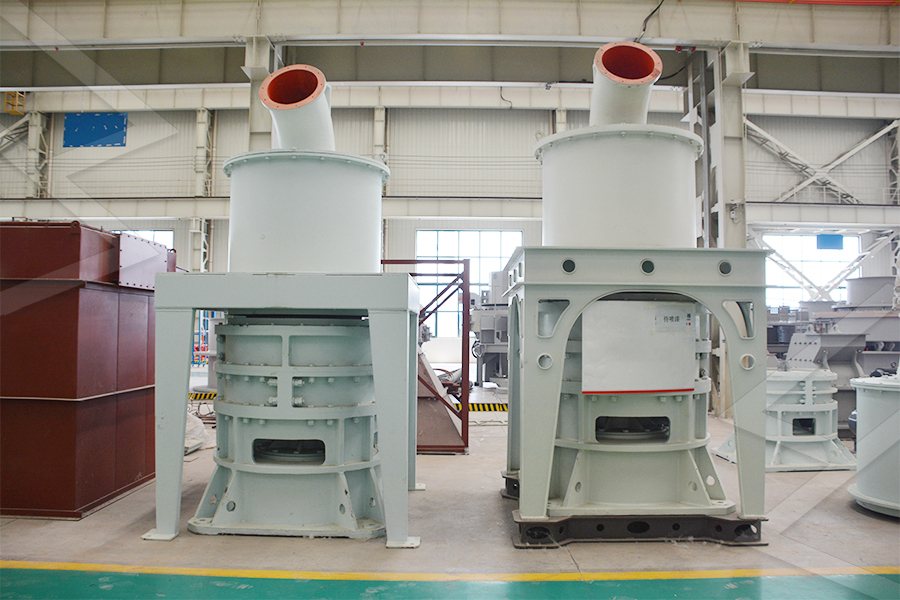
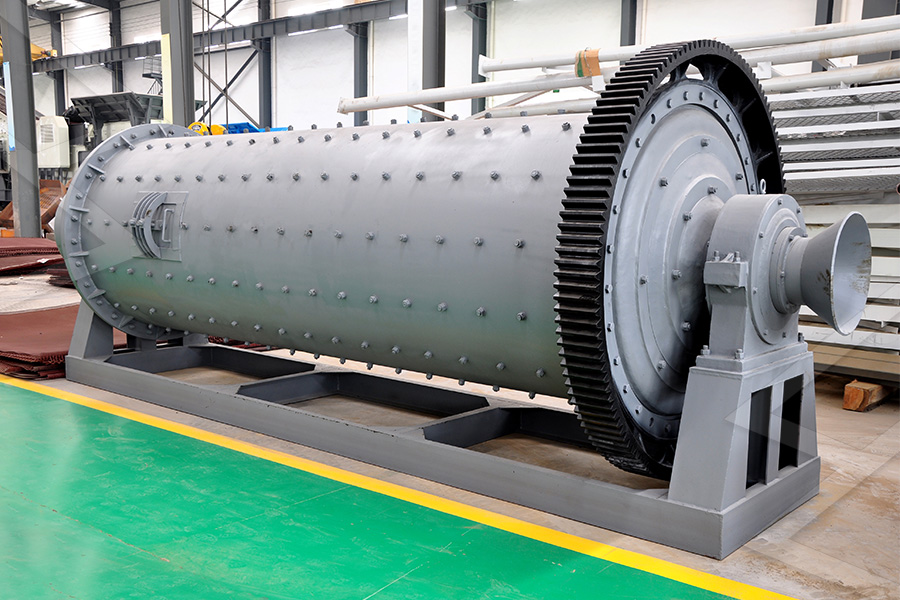
The Gypsum (CaSO₄·2H₂O) is an indispensable mineral in the construction sector, forming the base for plaster, drywall, joint compound, and as a set regulator in cement. The transformation of raw gypsum rock into a usable powder involves not only size reduction but often a controlled thermal dehydration process.
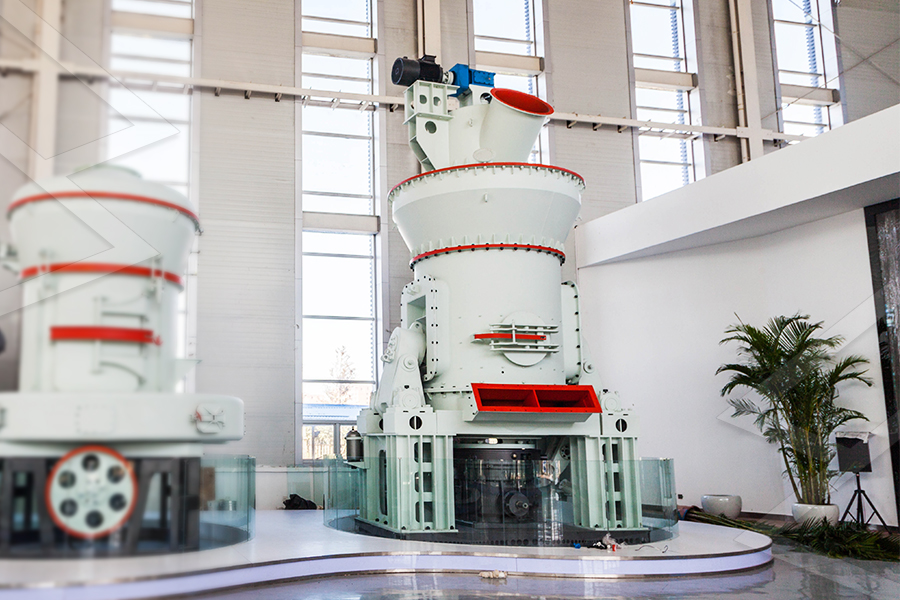
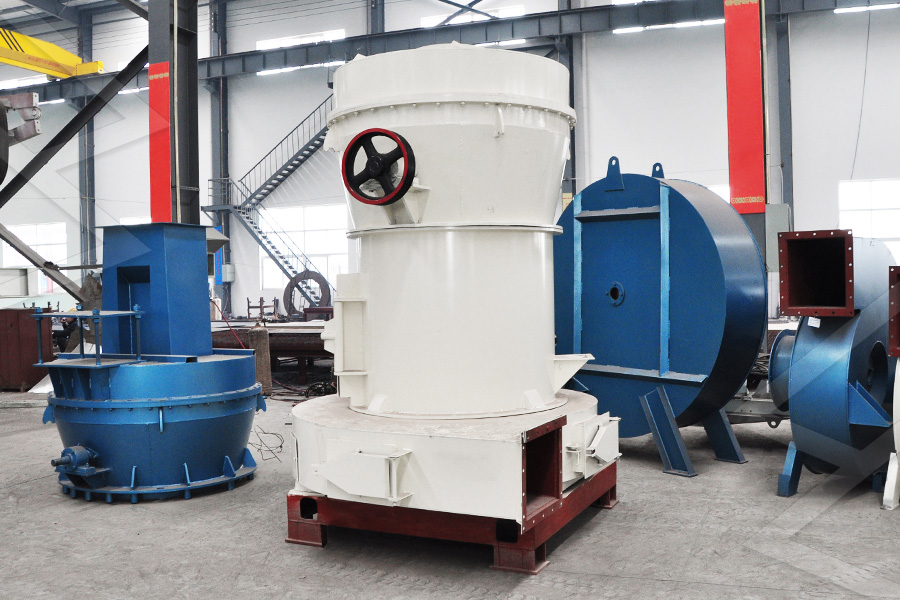
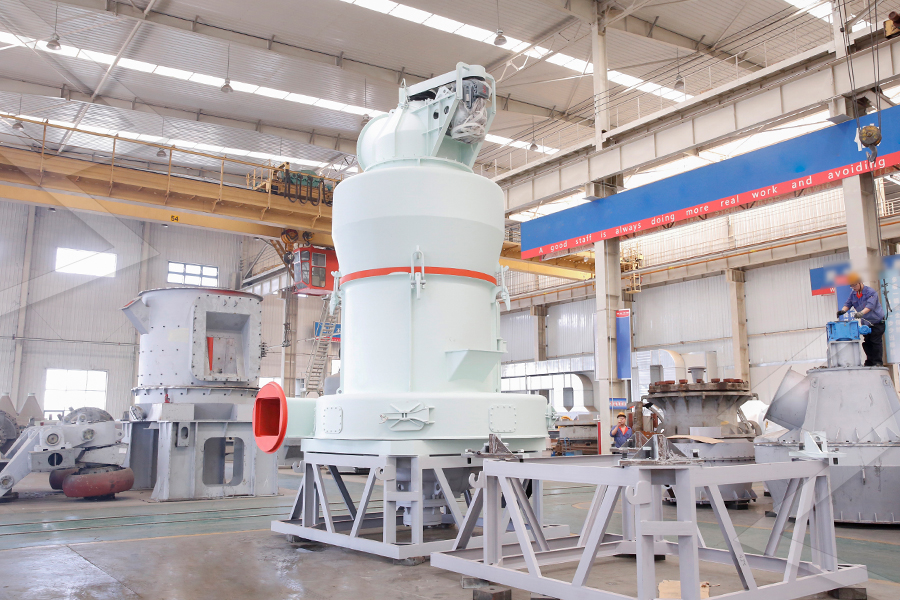
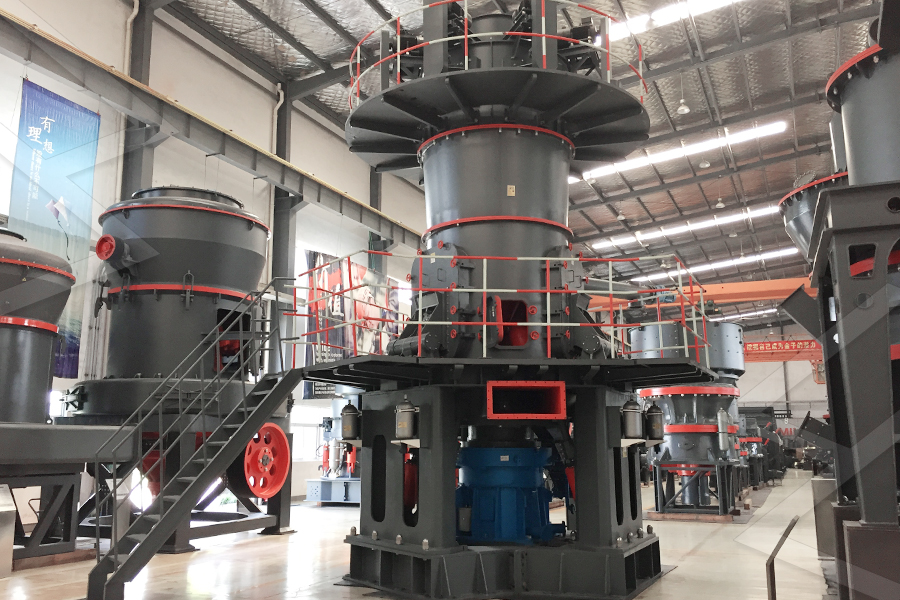
The LIMING Heavy Industry vertical grinding mill excels in this dual role, providing an integrated solution for efficient grinding and calcining of gypsum into consistent, high-quality stucco (plaster of Paris).
The LIMING Heavy Industry vertical grinding mill excels in this dual role, providing an integrated solution for efficient grinding and calcining of gypsum into consistent, high-quality stucco (plaster of Paris).
A key advantage of the vertical mill for gypsum processing is its ability to combine grinding and calcination in a single unit. As crushed gypsum is fed onto the grinding table and exposed to the mechanical action of the rollers, it is simultaneously contacted by a stream of hot gas. This hot gas, typically supplied by an integrated hot air furnace, heats the gypsum particles during the grinding process.
Through precise control of the gas temperature and the material's residence time in the mill, the dihydrate gypsum (CaSO₄·2H₂O) can be partially dehydrated to the hemihydrate form (CaSO₄·½H₂O), which is the reactive component in plaster. This in-situ calcination is highly efficient, reducing the need for separate, energy-intensive calcining kilns.
Through precise control of the gas temperature and the material's residence time in the mill, the dihydrate gypsum (CaSO₄·2H₂O) can be partially dehydrated to the hemihydrate form (CaSO₄·½H₂O), which is the reactive component in plaster. This in-situ calcination is highly efficient, reducing the need for separate, energy-intensive calcining kilns.