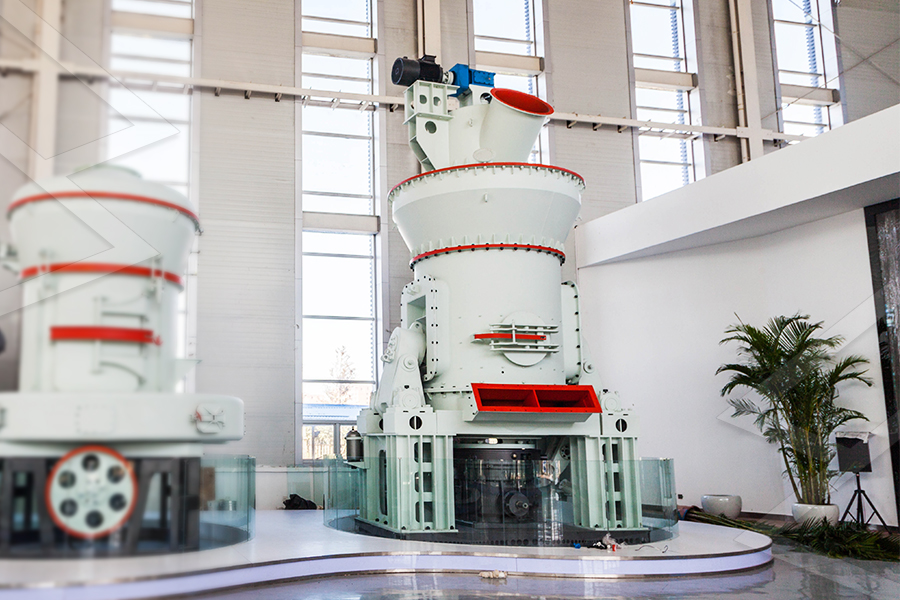
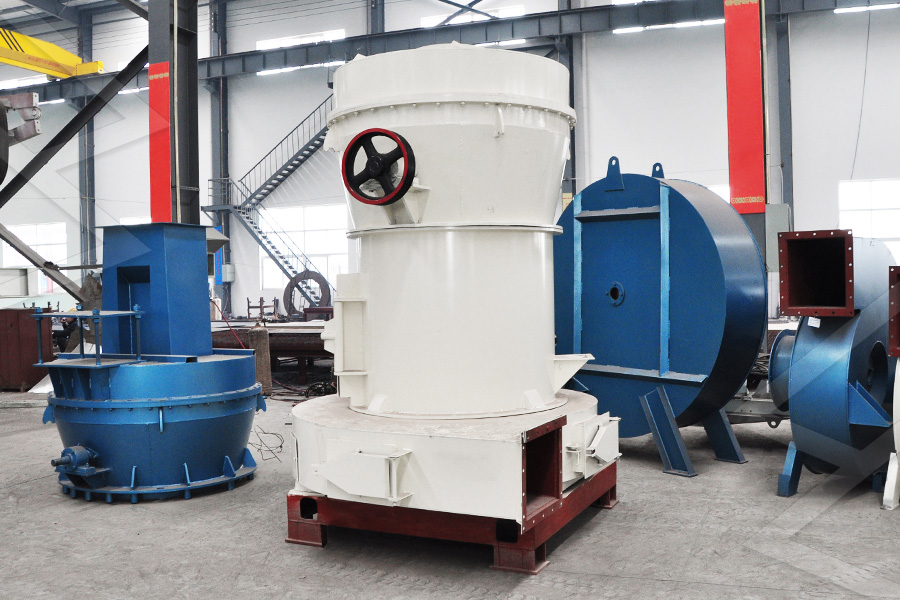
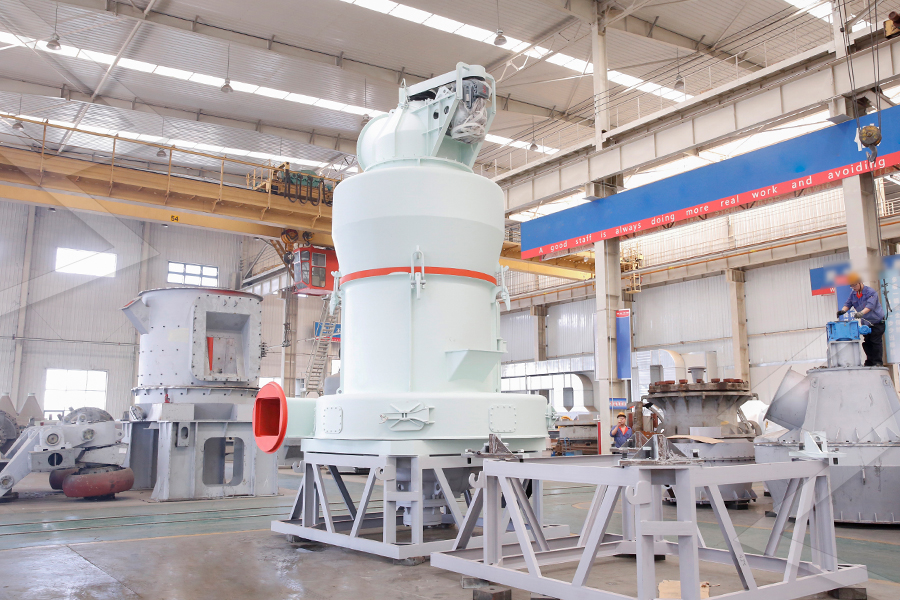
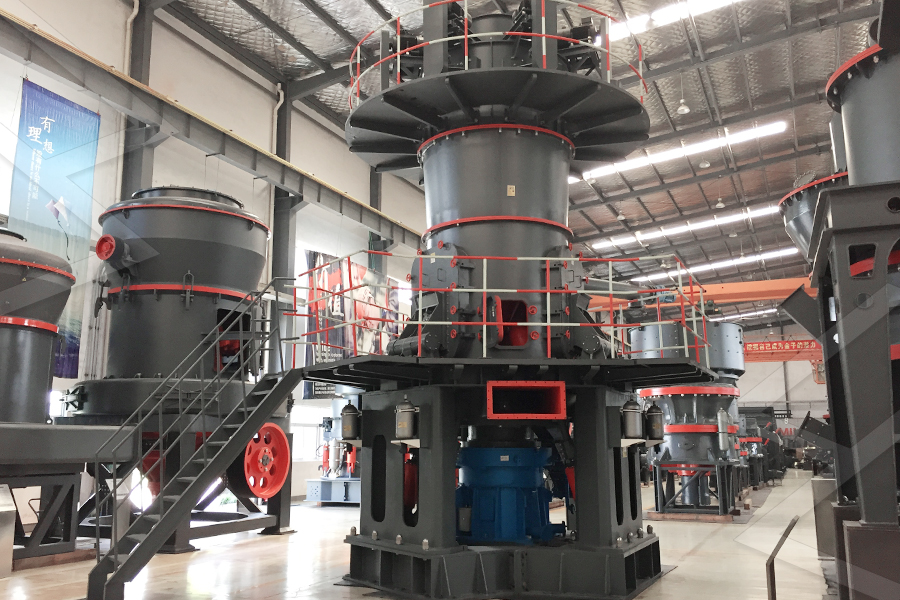
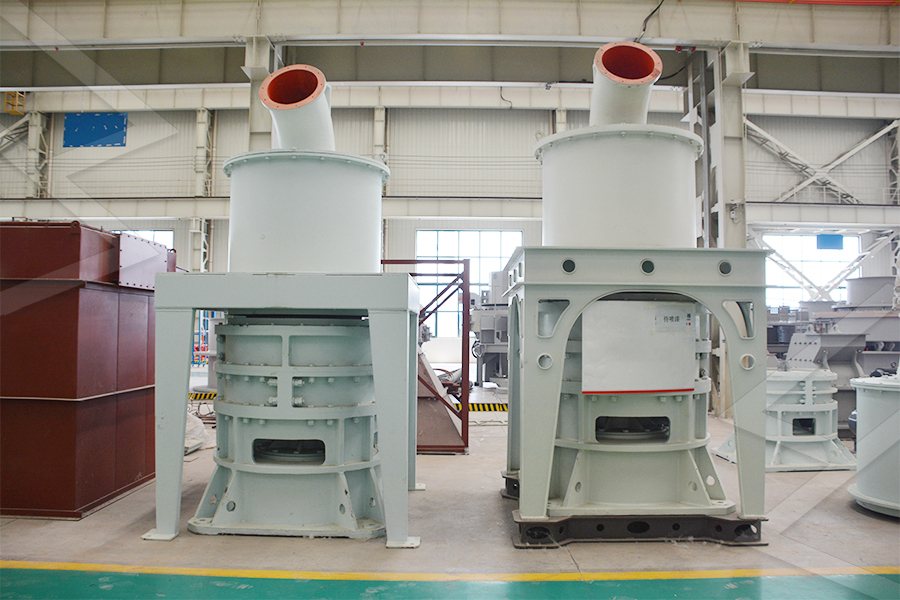
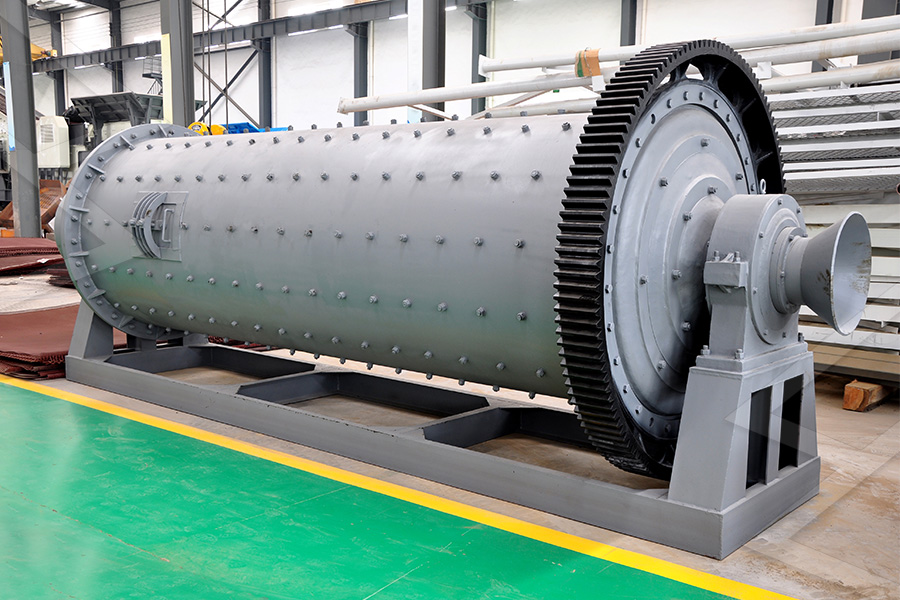
In operation, crushed dolomite is fed into the mill and onto the center of the rotating grinding table. The material is transported outward by centrifugal force and passes under the grinding rollers. The hydraulic system allows for precise adjustment of grinding pressure, which is key to controlling the rate of size reduction and mill throughput. Hot air, introduced at the base of the mill, serves to dry the feed material if necessary and transports the ground particles vertically to the classifier.
The integrated dynamic classifier is the heart of fineness control. By adjusting the speed of its rotating cage or vanes, operators can precisely select the cut-point, ensuring that only particles finer than the target size (e.g., a d97 of 45µm for filler applications) exit the mill. Coarser particles are separated and returned to the grinding bed for further comminution.
The integrated dynamic classifier is the heart of fineness control. By adjusting the speed of its rotating cage or vanes, operators can precisely select the cut-point, ensuring that only particles finer than the target size (e.g., a d97 of 45µm for filler applications) exit the mill. Coarser particles are separated and returned to the grinding bed for further comminution.
This closed-loop system ensures high grinding efficiency and a stable product quality. With a capacity range of 0.5 to 30 tph, the mill can be configured for different production scales. For the steel industry, a coarser grind may be suitable for sinter plant flux, while the agricultural and chemical industries require finer powders.
The ability of the LIMING vertical mill to produce this wide spectrum of fineness from a single machine, coupled with its robust construction and energy-efficient operation, makes it an ideal choice for dolomite processing plants seeking to enhance product value and operational economy
The ability of the LIMING vertical mill to produce this wide spectrum of fineness from a single machine, coupled with its robust construction and energy-efficient operation, makes it an ideal choice for dolomite processing plants seeking to enhance product value and operational economy