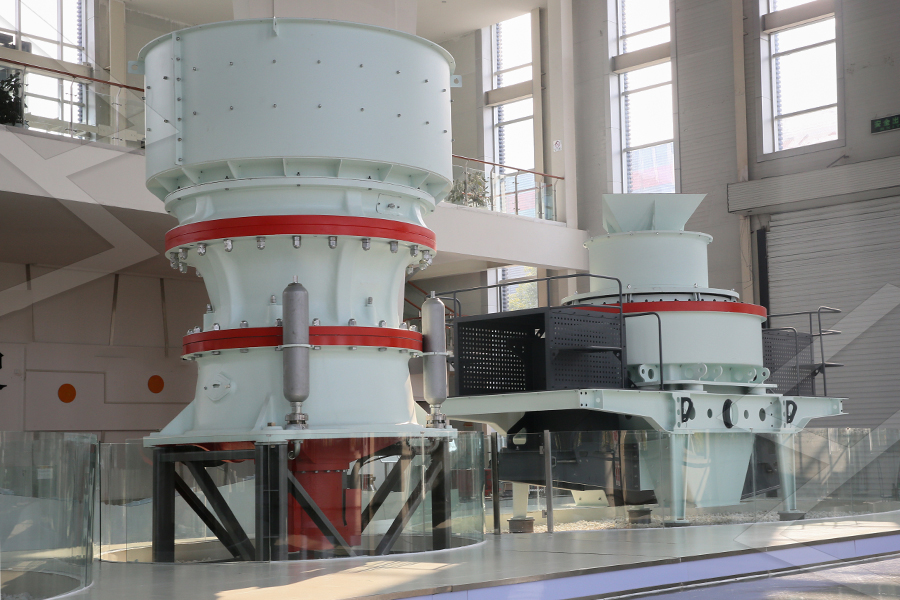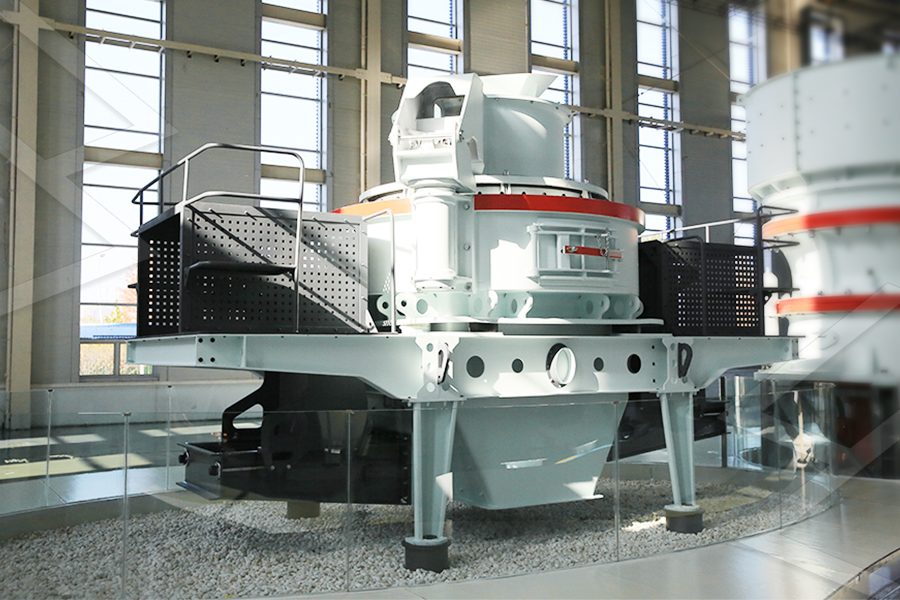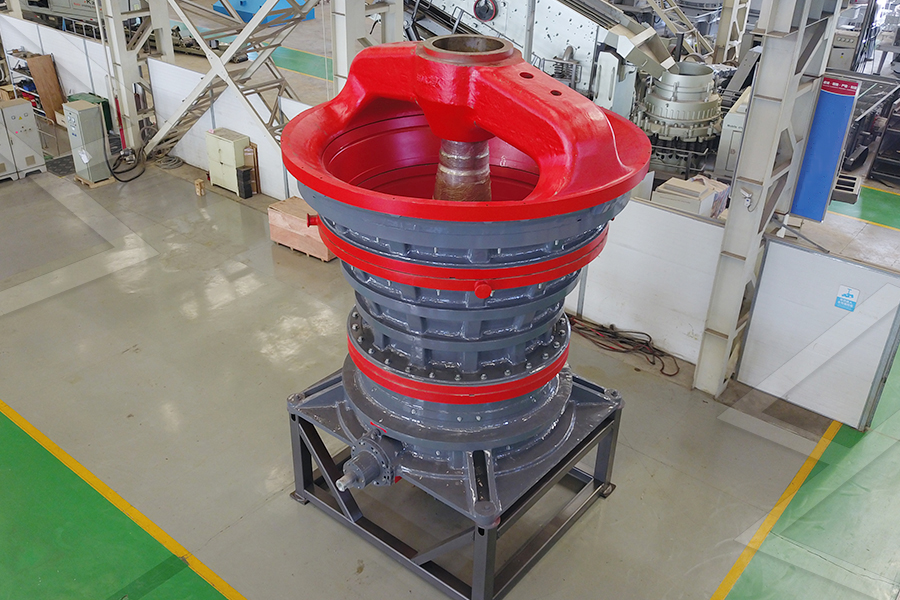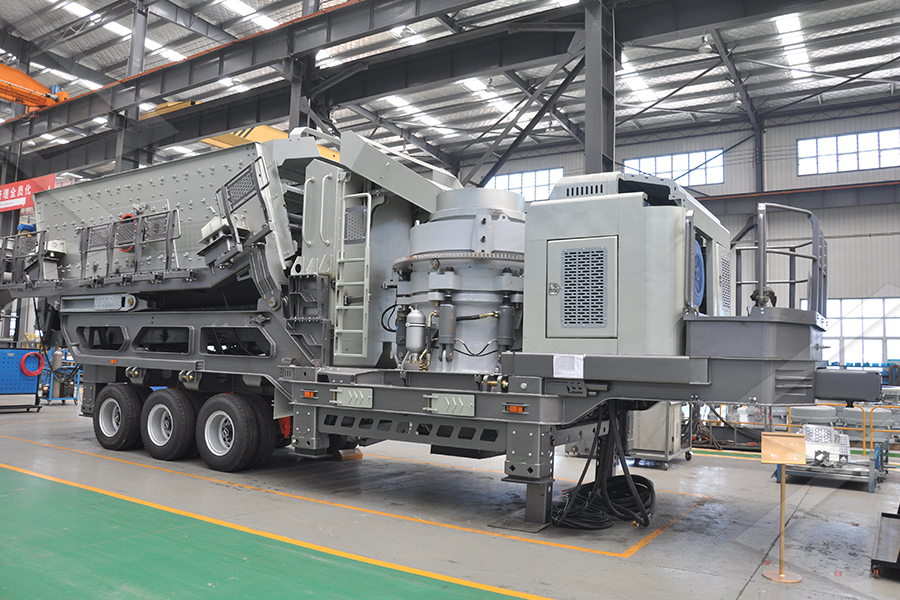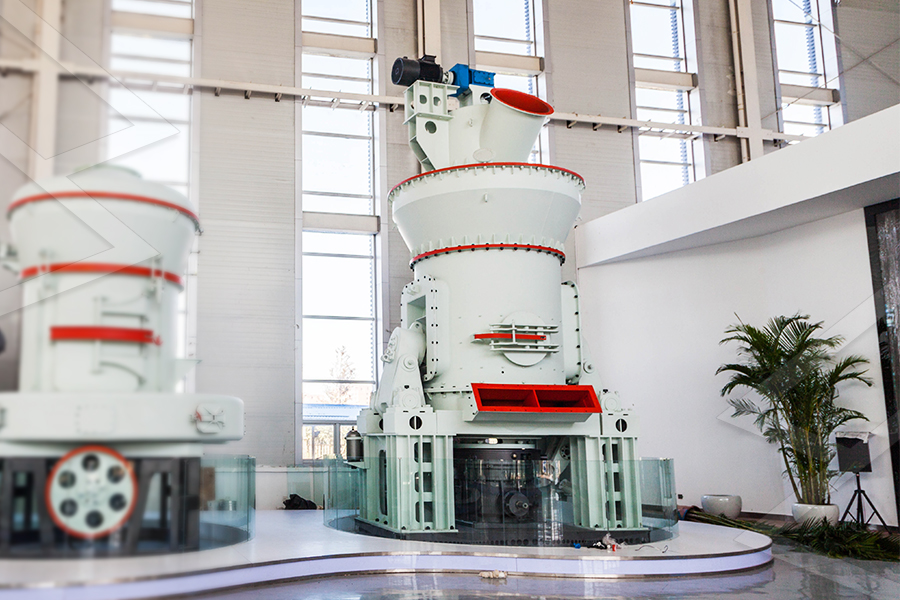
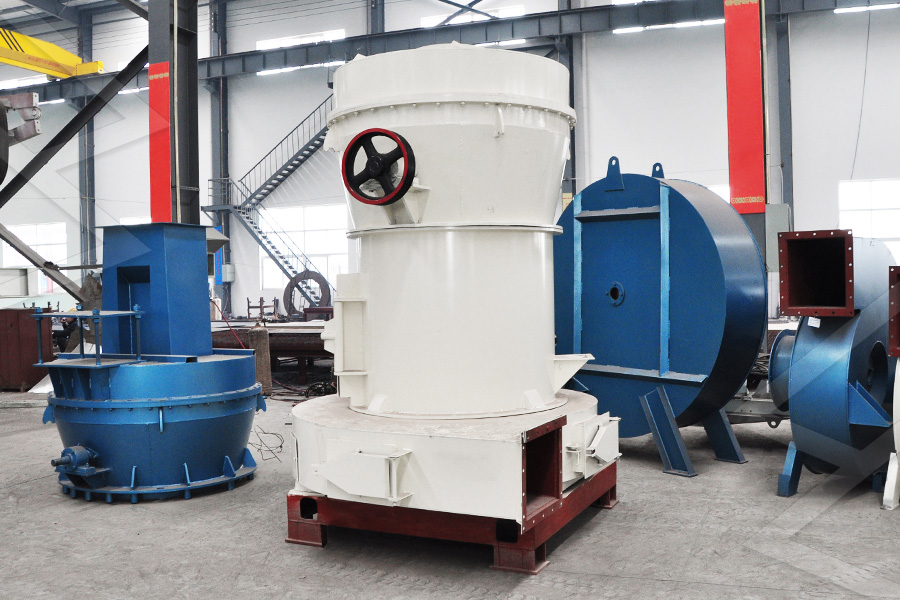
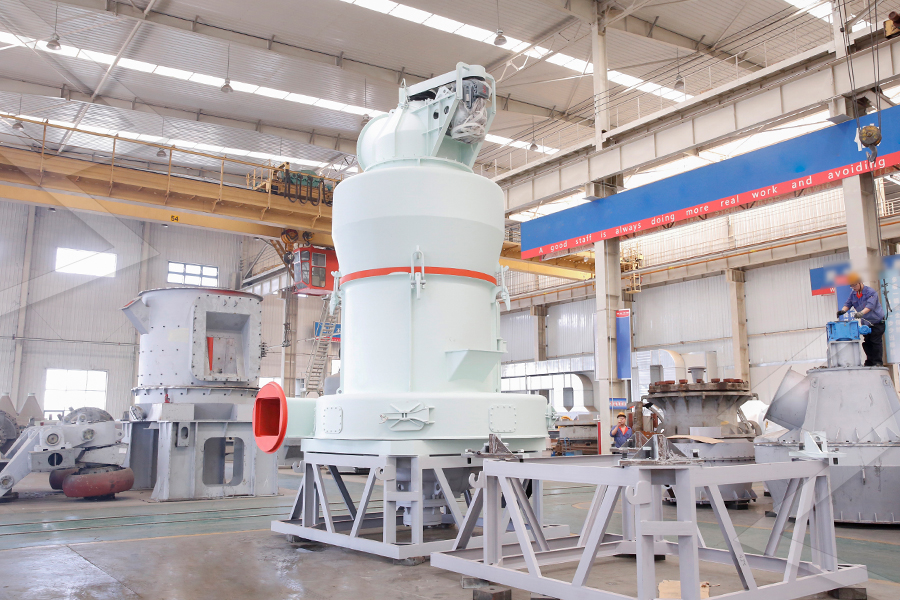
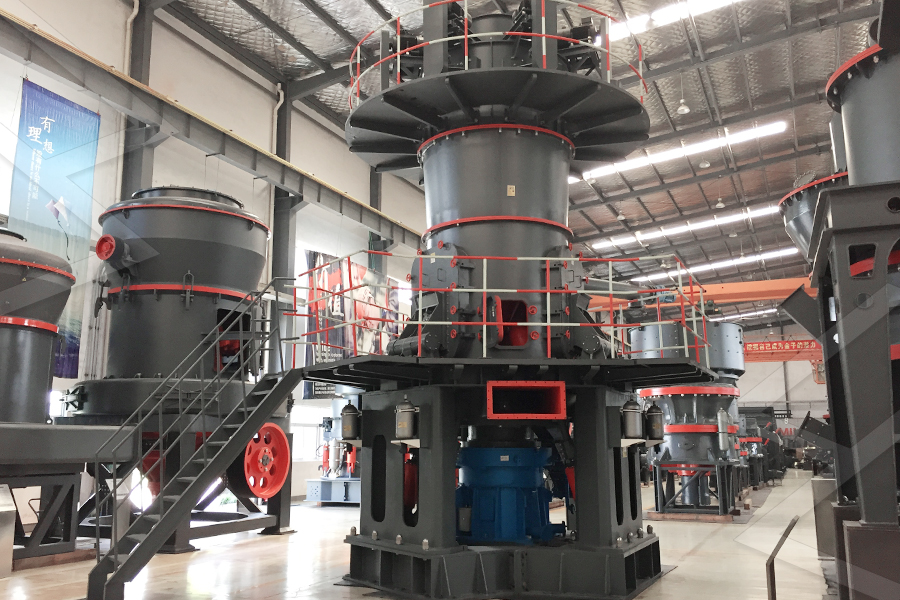
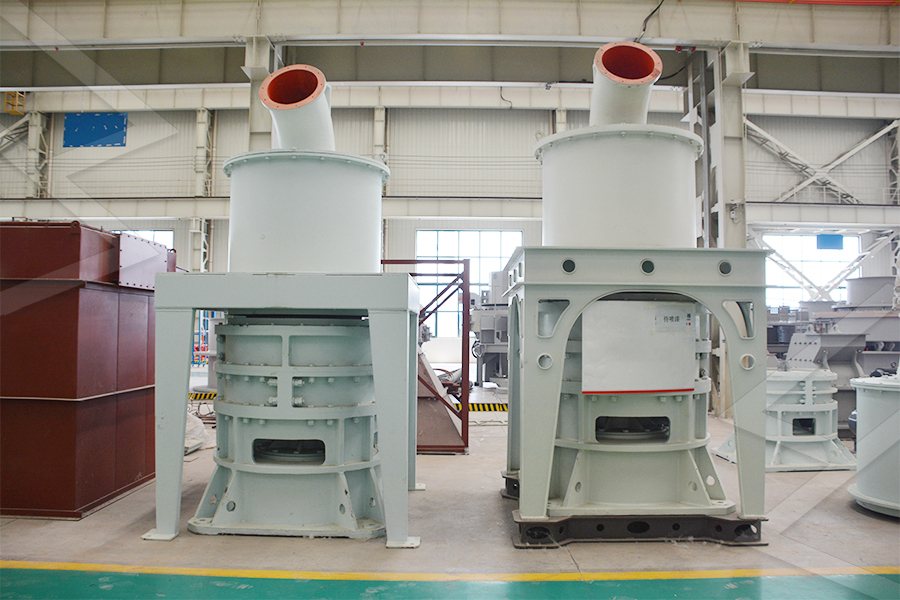
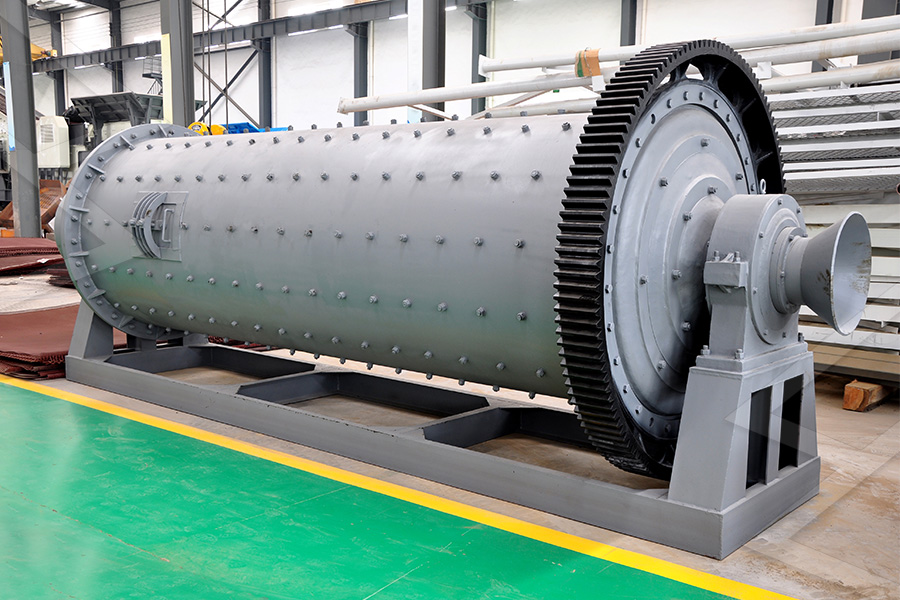
The grinding mechanism itself is perfectly suited for gypsum's soft to medium hardness. The bed-compression principle minimizes the generation of excessive fines ("flour") that can be detrimental to the final board or plaster product. The integrated dynamic classifier allows for precise control over the particle size distribution, which is critical for end-product performance.
For wallboard production, a specific surface area (Blaine) and PSD are required to ensure optimal water demand, setting time, and final strength. The LIMING mill can reliably produce gypsum powder within the 45 to 300-micron range, tailoring the output to specific industrial needs.
For wallboard production, a specific surface area (Blaine) and PSD are required to ensure optimal water demand, setting time, and final strength. The LIMING mill can reliably produce gypsum powder within the 45 to 300-micron range, tailoring the output to specific industrial needs.
Operationally, the system is designed for stability and efficiency. With a production capacity ranging from 0.5 to 30 tph, it serves both niche plaster manufacturers and large-scale wallboard plants. The closed-circuit design ensures that partially calcined or oversized particles are continuously returned to the grinding zone, maximizing thermal and grinding efficiency while minimizing waste.
The final product is a uniformly calcined, consistently fine powder with excellent flowability and reactivity. By offering a solution that integrates grinding, drying, and calcination with low energy consumption and high throughput control, the LIMING vertical mill enables gypsum processors to produce superior building materials with enhanced operational economics and flexibility.
The final product is a uniformly calcined, consistently fine powder with excellent flowability and reactivity. By offering a solution that integrates grinding, drying, and calcination with low energy consumption and high throughput control, the LIMING vertical mill enables gypsum processors to produce superior building materials with enhanced operational economics and flexibility.