The Raymond Mill: Models & Maintenance Guide
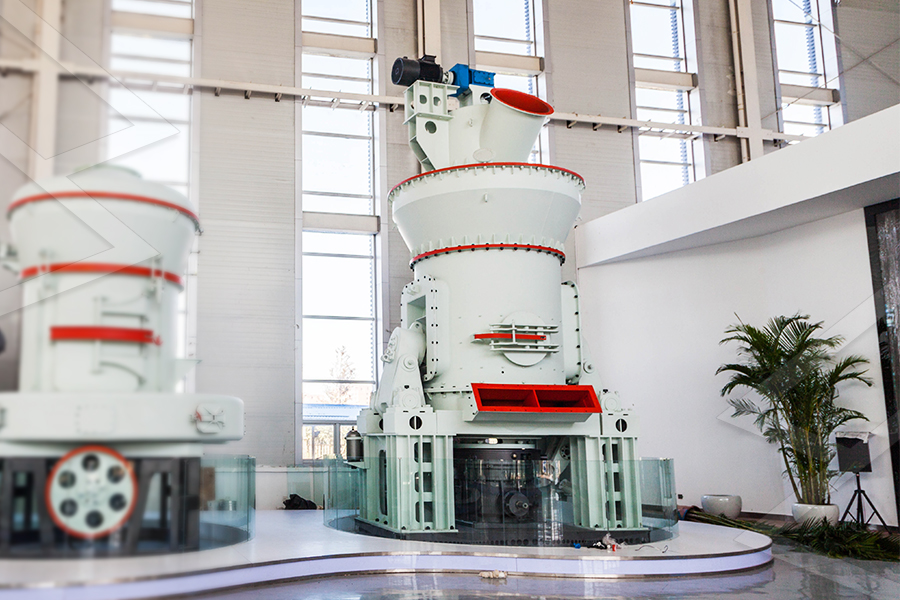
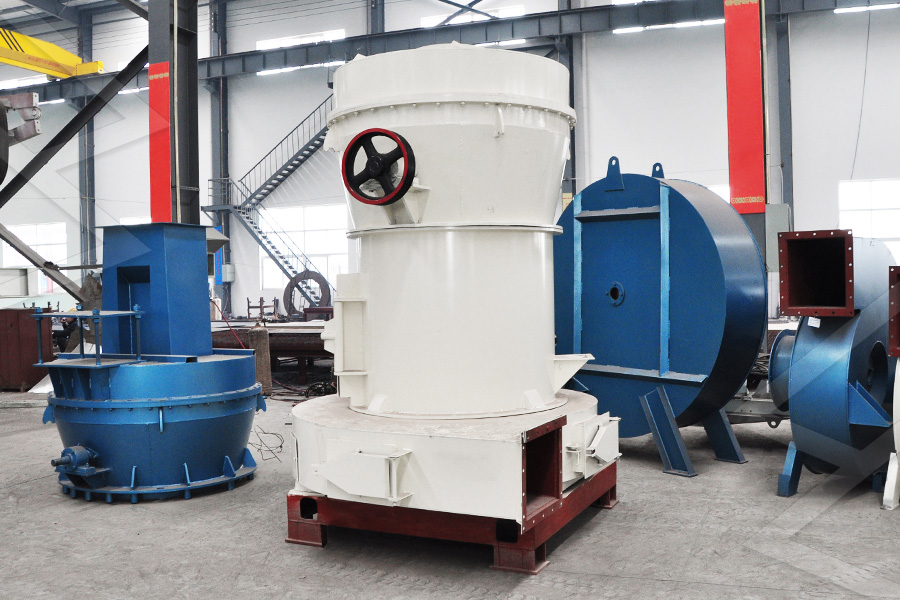
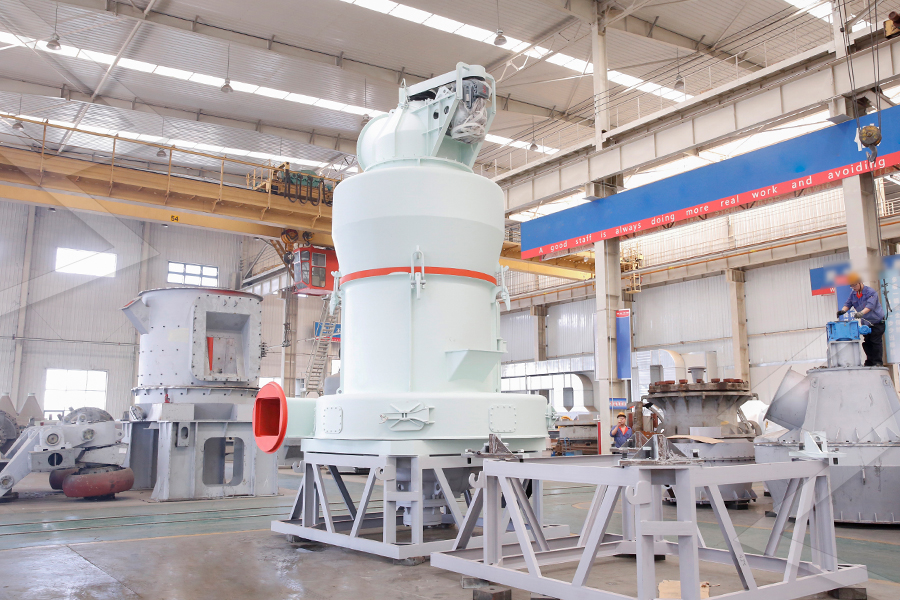
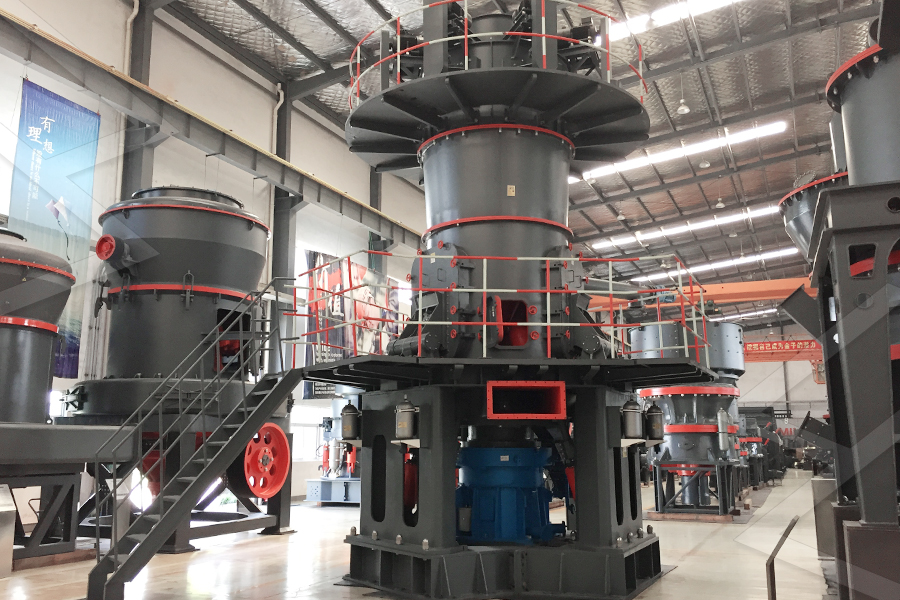
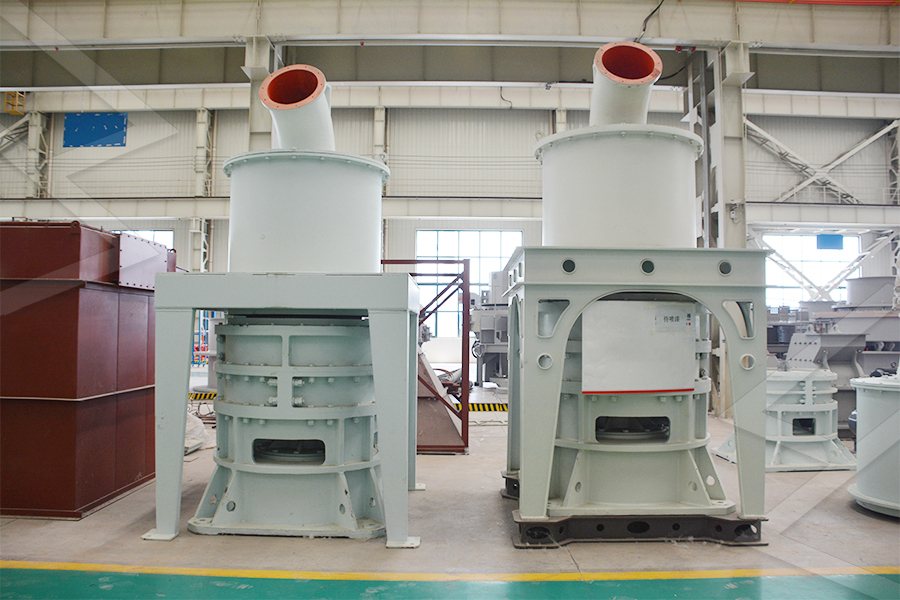
Raymond mills, originating from the design patented by the Raymond brothers, have been a staple in grinding equipment for decades. Shanghai-based manufacturers have produced and evolved various models, such as the common 3R/4R/5R/6R series, where "R" denotes the number of grinding rollers. A basic maintenance guide is essential for their longevity and performance.
Model Parameters: The "R" number generally correlates with capacity and fineness capability. A 3R2115 mill has 3 rollers, a roller diameter of 210mm, and a roller height of 150mm, suitable for smaller capacities and coarser grinding (up to ~200 mesh). A 5R4119, with 5 larger rollers (410mm diameter, 190mm height), offers higher output and can achieve finer grinding (up to ~325 mesh) for materials like barite and limestone. Key purchase parameters include:
Max Feed Size: Typically 20-30mm.
Finished Particle Size Range: Adjustable from ~60 to 325 mesh.
Output Capacity: Varies significantly by material hardness and fineness, from ~1 t/h for a 3R model on hard ore to over 20 t/h for a 6R model on soft calcium carbonate.
Main Motor Power: From 22kW for small models to over 200kW for large 6R mills.
Maintenance & Troubleshooting Guide:
Lubrication: This is paramount. Regularly check and replenish grease in the grinding roller bearing hubs and the central drive shaft bearing. Use the correct high-temperature, high-load grease per the manual. Check oil levels in the reduction gearbox.
Check for Abnormalities: Listen for unusual noises (scraping, knocking) from the grinding chamber or classifier. Monitor motor current; a rising current can indicate overfeeding or bearing issues.
Fasteners & Belts: Periodically check the tightness of foundation bolts and housing bolts. Inspect V-belts for wear and proper tension.
Dust Control: Ensure the pulse bag dust collector is functioning. Check for air leaks in pipes and cyclones.