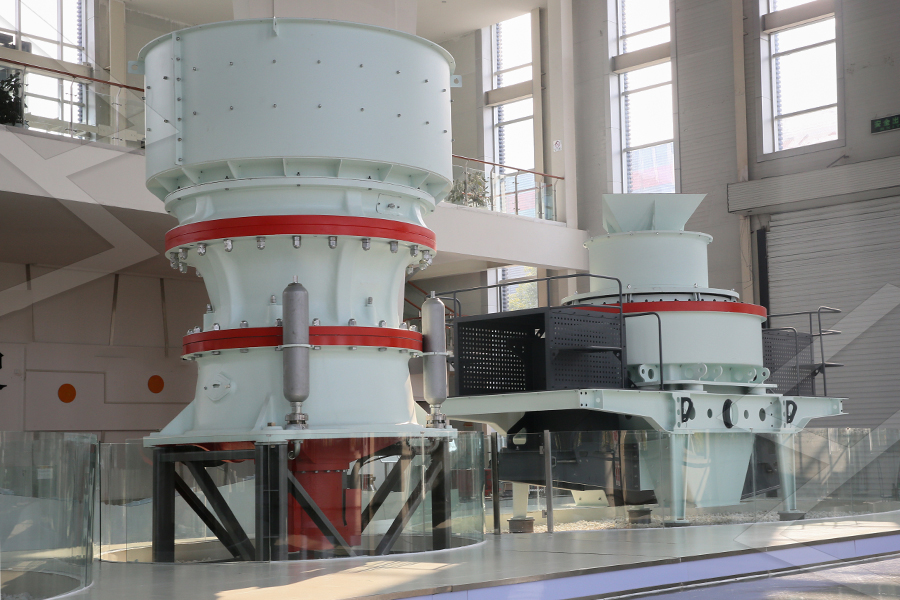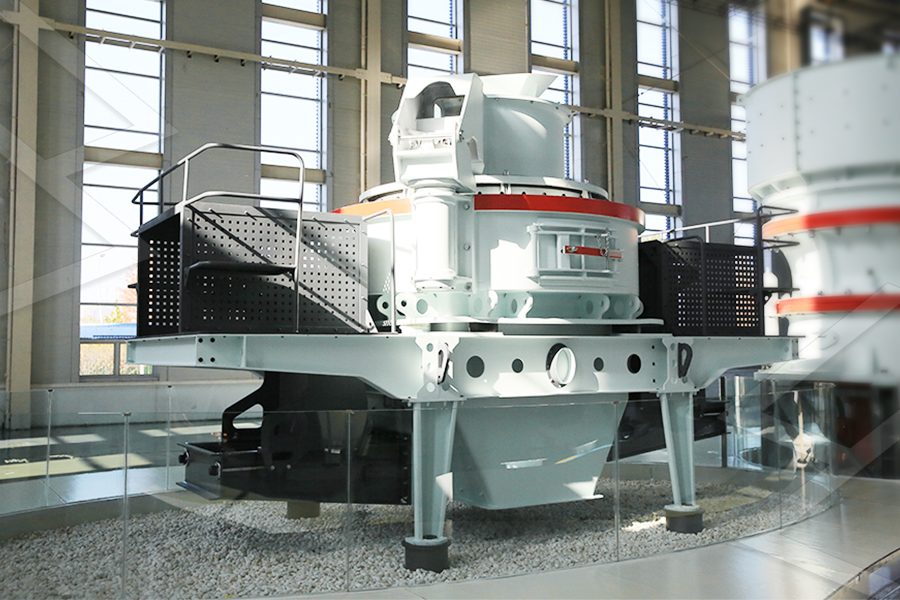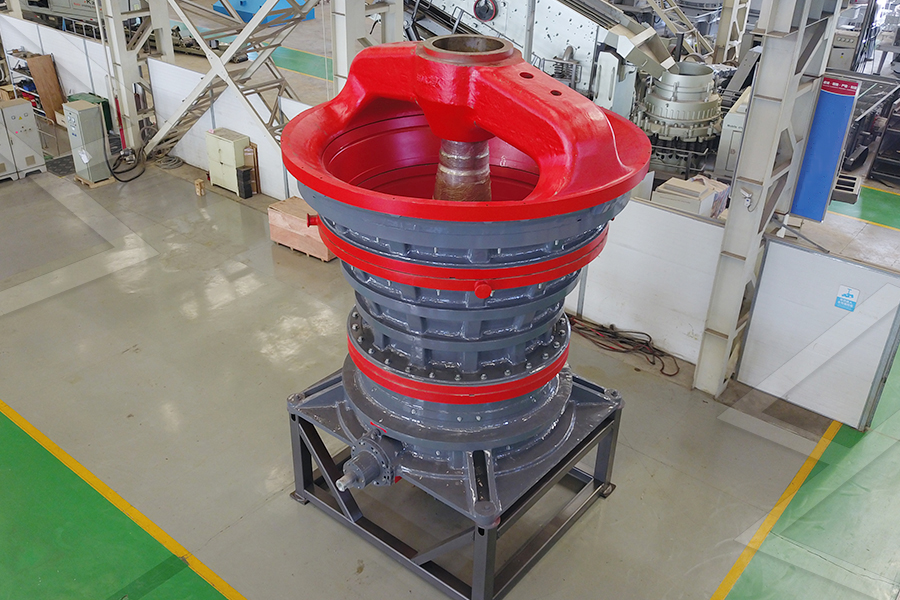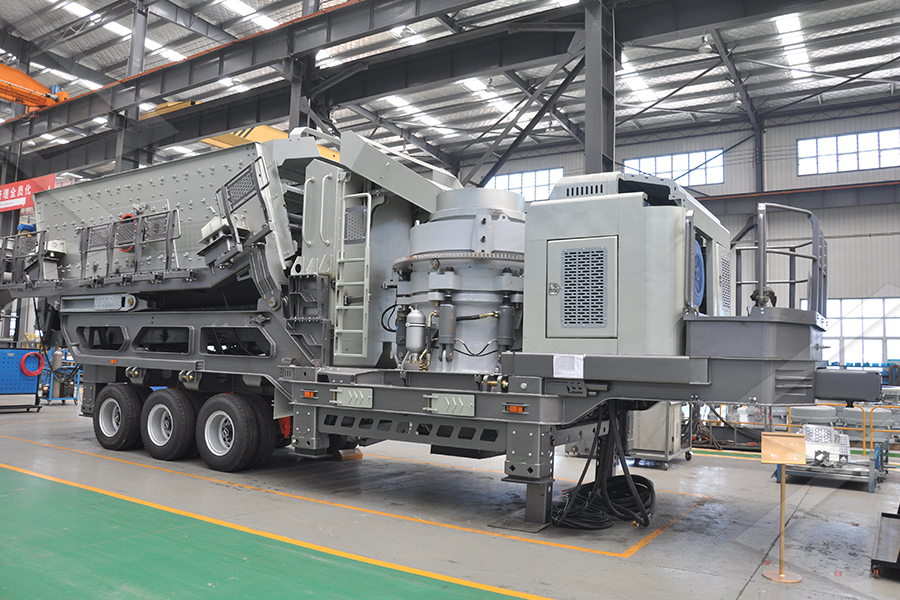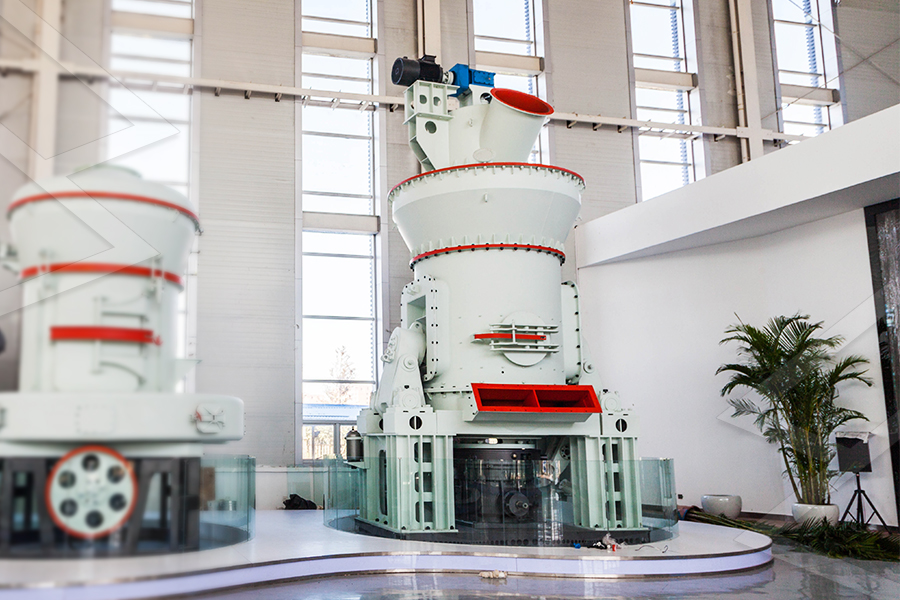
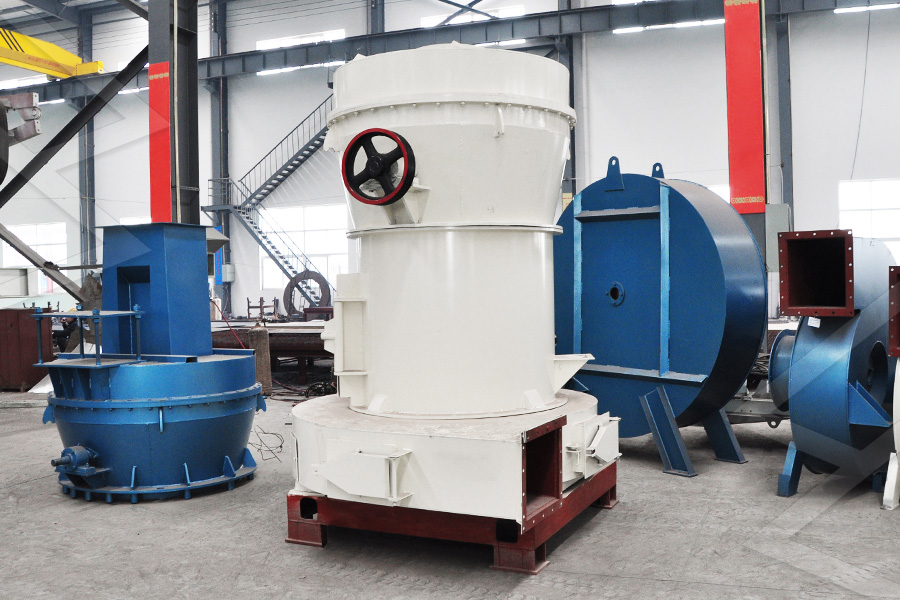
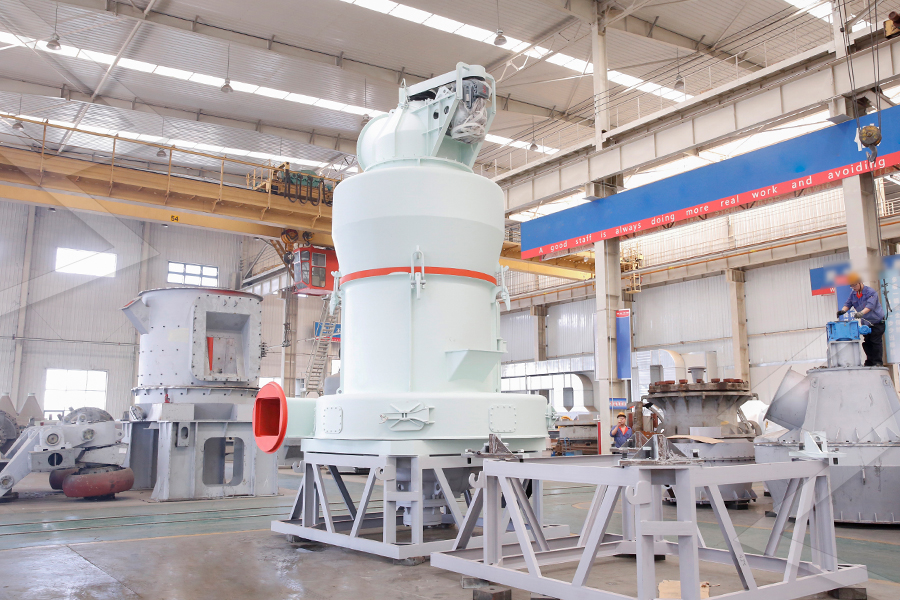
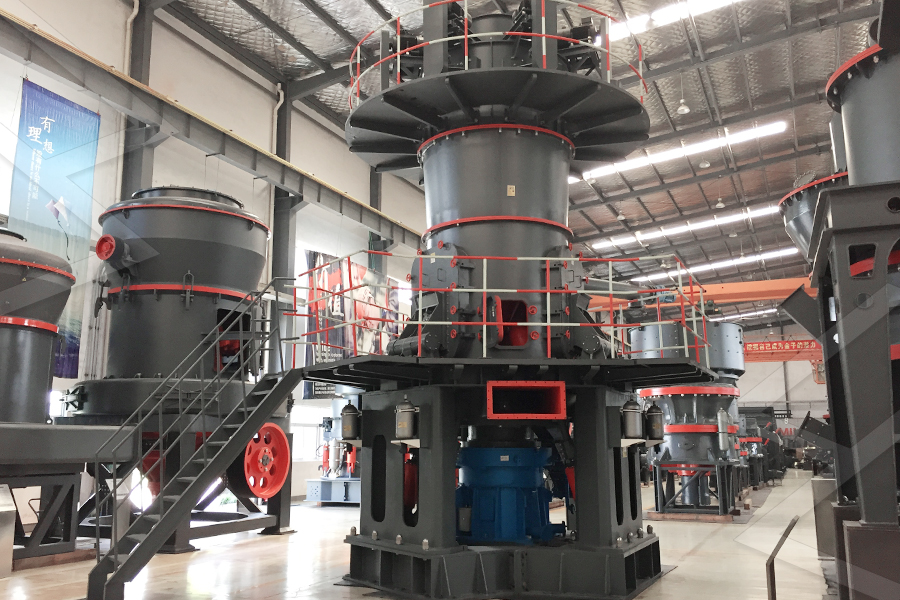
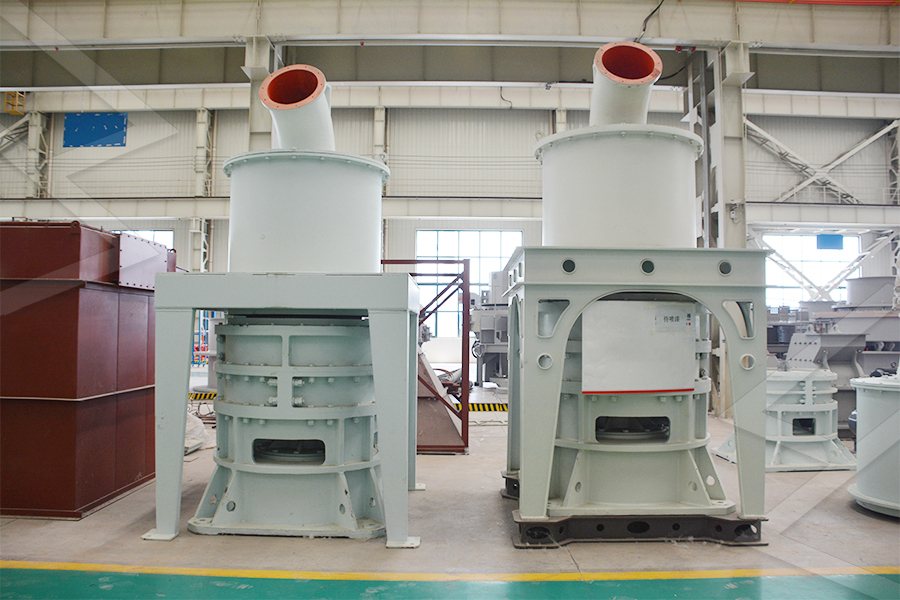
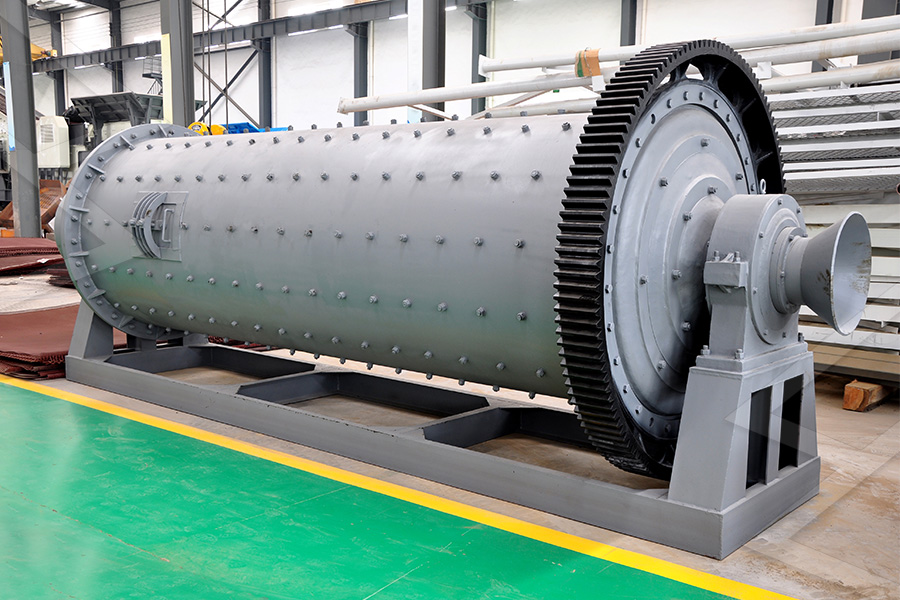
The Raymond mill Regular/Wear Parts Replacement:
Grinding Rollers and Grinding Ring: These are the primary wear parts. Inspect them regularly (every 300-500 hours of operation depending on abrasiveness). When the grinding surface is worn down by more than 10mm or shows deep grooves, they must be replaced or rebuilt with hardfacing welding. Always replace rollers and the ring as a matched set to maintain balance and grinding efficiency.
Blade Set (Shovel): The blades that lift material into the grinding zone wear down. Worn blades reduce feed rate and output. Replace when significantly worn.
Classifier Blades: Worn or damaged classifier blades will disrupt the size separation, causing poor fineness control. Inspect and replace as needed.
Bearings: Monitor temperature and noise. Replace immediately if excessive play, heat, or noise is detected to prevent catastrophic failure.
Common Issues:
Low Output/High Fineness: Often caused by worn rollers/ring, blocked air ducts, or incorrect classifier speed. Check wear parts first.
Product is Too Coarse: Could be due to worn classifier blades, excessive feed rate, low classifier speed, or insufficient grinding force (worn springs).
Excessive Vibration: Likely caused by uneven wear of rollers, imbalance in the rotating assembly, loose foundation bolts, or foreign metal in the grinding chamber.
Bearing Overheating: Check for improper lubrication (too much or too little), contaminated grease, misalignment, or bearing failure.
Proactive, scheduled maintenance based on operating hours and material abrasiveness is far more cost-effective than reactive repairs and ensures consistent product quality and mill availability.