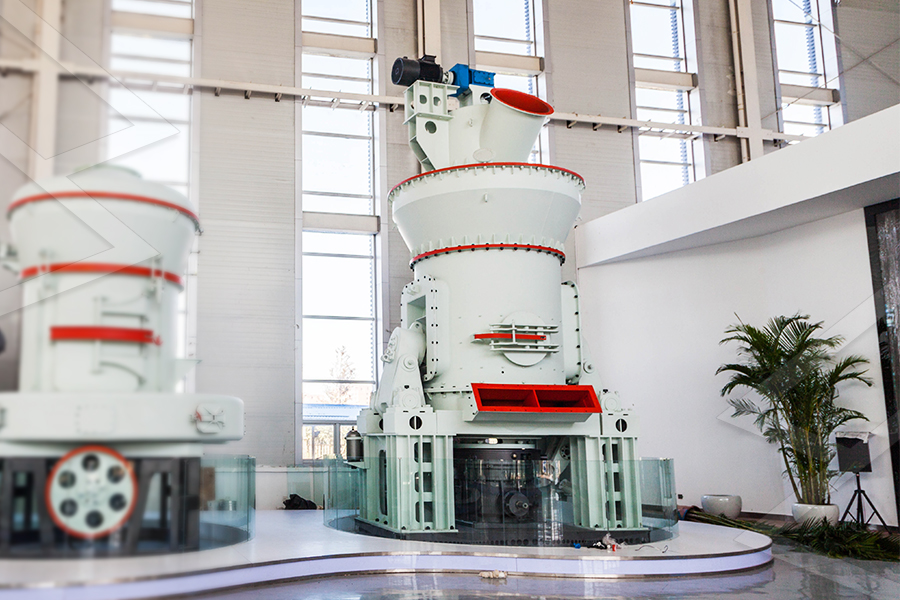
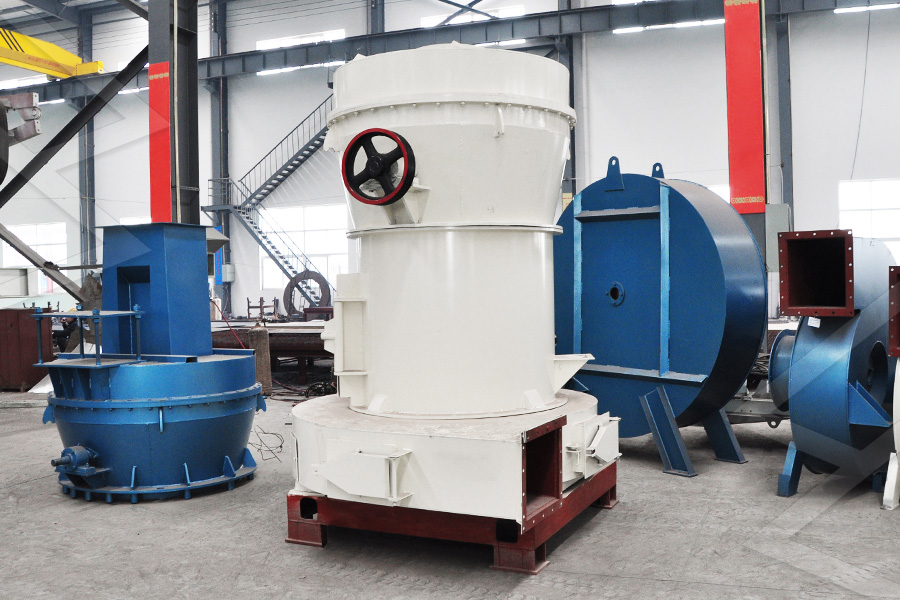
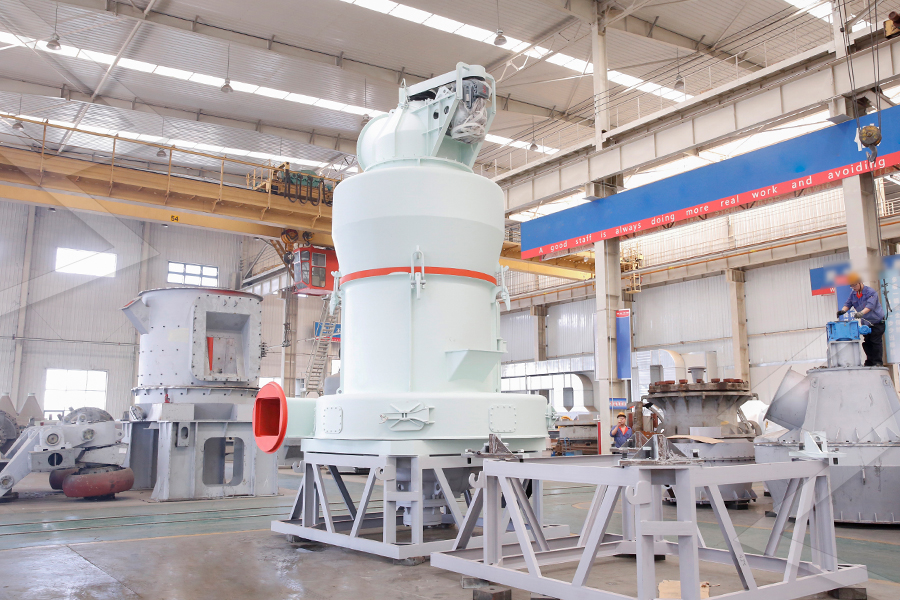
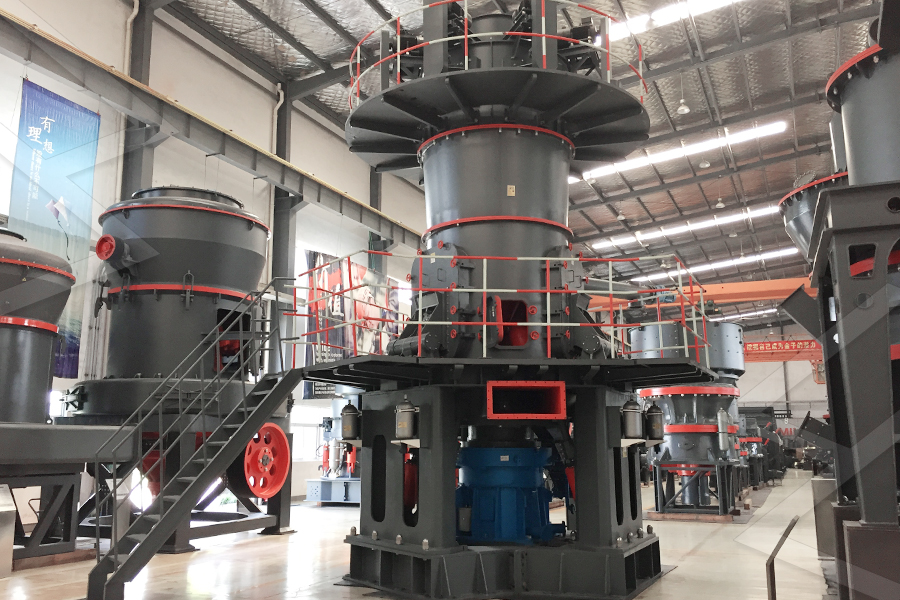
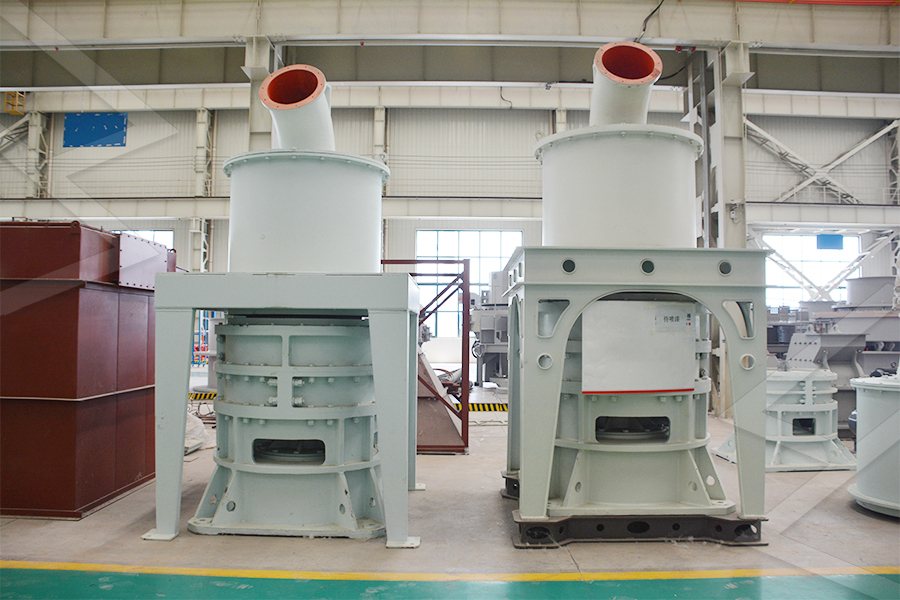
Suspended Roller Ultra-fine Mill: Secondary control parameters include:
Grinding Roller Pressure: Adjusting the spring tension on the pendulum arms (in mechanical designs) or hydraulic pressure (in advanced models) changes the grinding force. Higher pressure can increase throughput but may also influence particle size distribution, often producing a slightly finer grind at a given classifier setting.
System Airflow: The volume of air flowing through the mill affects the material's residence time in the grinding zone and its transport velocity. Optimal airflow must be maintained—too low, and material isn't evacuated efficiently, causing over-grinding and mill overload; too high, and coarse particles may be carried out before being fully ground, widening the size distribution.
Feed Rate: A consistent and optimal feed rate is crucial. Overfeeding can choke the grinding zone and classifier, leading to coarsening and instability. Underfeeding reduces efficiency and can increase wear due to metal-to-metal contact.
Modern ultra-fine mills integrate these controls into an automated system, where the classifier speed is the primary set-point, and feed rate and airflow are adjusted in coordination to maintain stable operation and a tightly controlled particle size distribution for demanding applications in paints, plastics, and advanced ceramics.