Suspended Roller Ultra-fine Mill: Working Principle & Particle Size Control
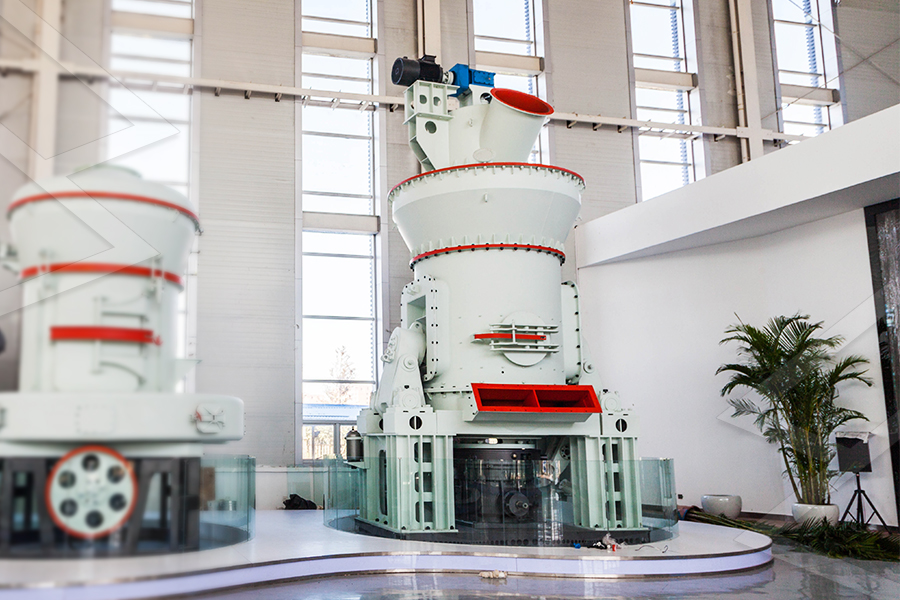
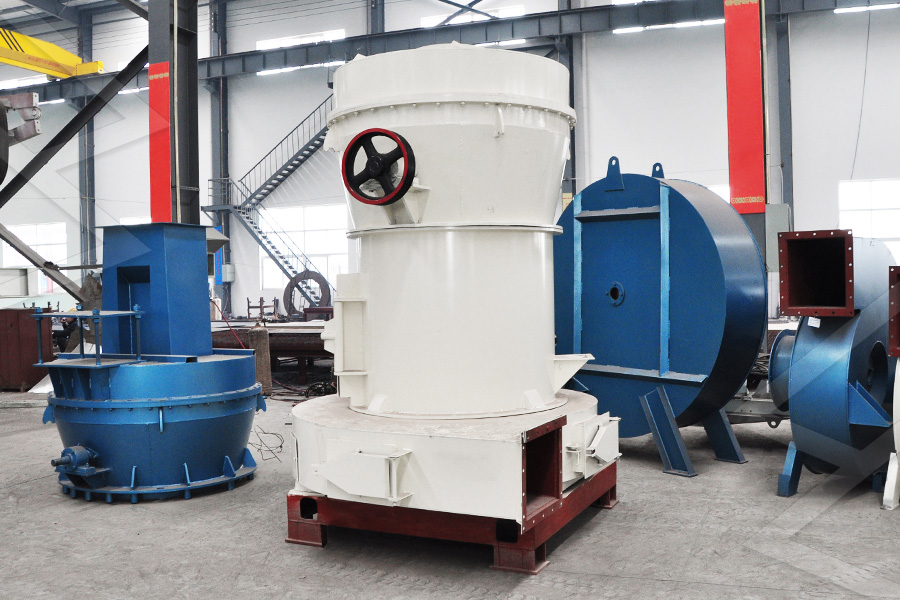
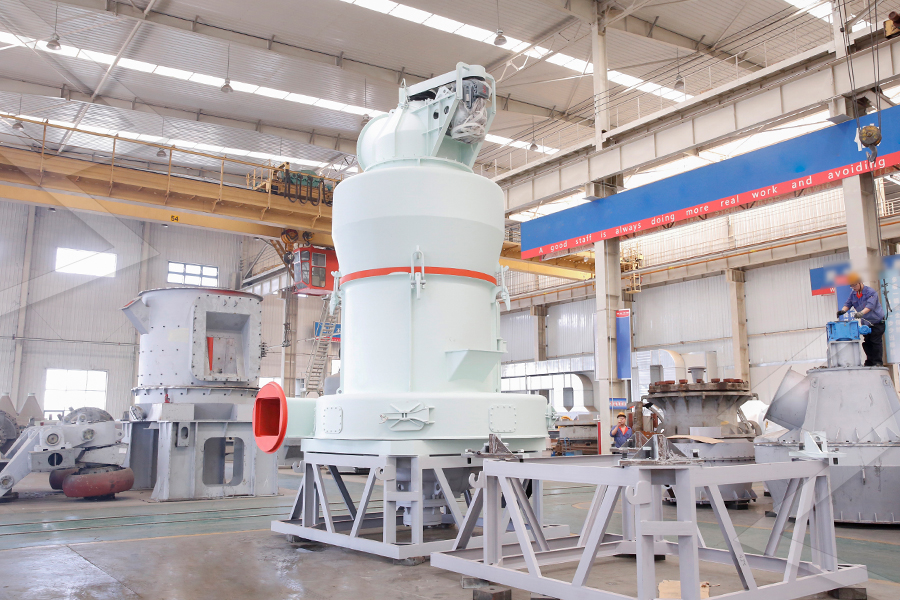
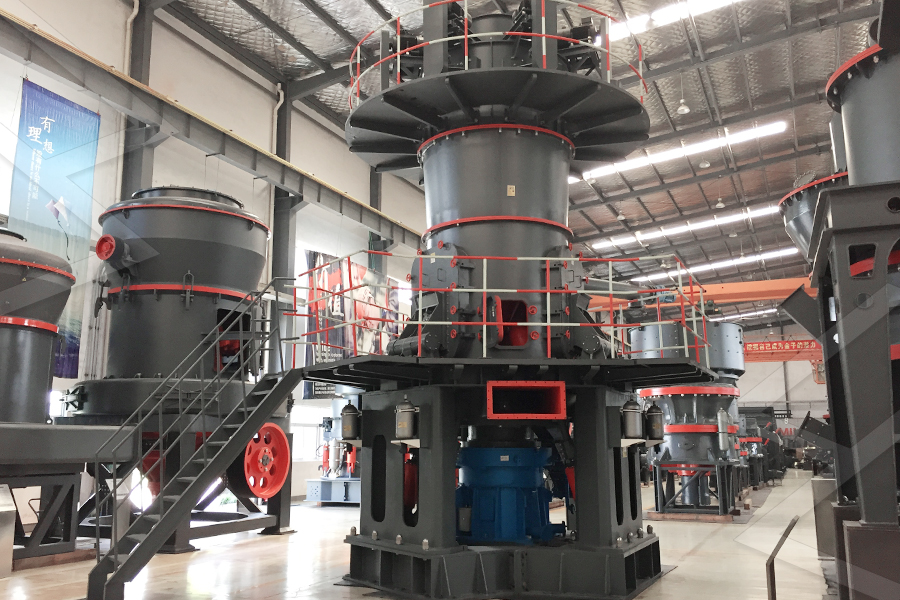
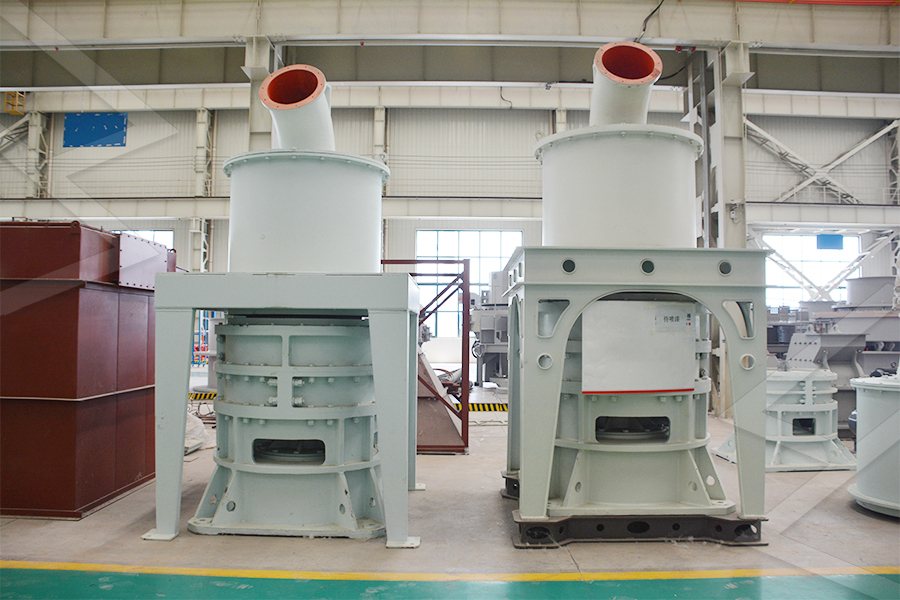
The suspended roller ultra-fine mill, an evolution of the classic Raymond mill, is designed to achieve finer grinding ranges (typically from 325 mesh up to 2500 mesh / 45 to 5 microns) for non-metallic minerals. Its working principle combines mechanical milling with precise air classification in a closed-loop system.
Working Principle: The core of the mill is a vertical shaft on which a star-shaped "turret" or cross-arm is mounted. From this turret, multiple grinding rollers are suspended on pendulum arms. The entire assembly rotates. Due to centrifugal force, the rollers swing outward and press against a stationary grinding ring. Material fed into the center falls onto the grinding ring and is crushed and ground by the rolling motion of the rollers. The ground material is carried upward by an airflow generated by an external blower and an induced draft fan on the mill outlet.
A pivotal component is the integrated dynamic classifier, located directly above the grinding zone. This classifier features a vertical shaft with multiple rotating blades (like a turbine). As the air-powder mixture enters, the blades generate a strong centrifugal force. Coarse particles are thrown to the periphery and fall back down the classifier cone for regrinding. Only particles fine enough that the aerodynamic drag force overcomes the centrifugal force pass through the classifier blades and are collected as product in a downstream cyclone and bag filter. This continuous internal recirculation ensures efficient utilization of grinding energy.
Particle Size Control Schemes: The fineness of the final product is primarily and precisely controlled by adjusting the classifier rotor speed. Increasing the speed increases centrifugal force, raising the "cut size" (d50), allowing only finer particles to escape, resulting in a finer overall product. Conversely, lowering the speed produces a coarser product. This provides stepless, in-process adjustment without stopping the mill.