Bentonite Deep Processing: Purification, Modification & Equipment
Bentonite, a clay primarily composed of montmorillonite, possesses unique properties like swelling, adsorption, and cation exchange capacity. Deep processing transforms raw, variable-grade bentonite into high-value, specification-grade products tailored for specific industries through purification and modification steps.
Purification aims to remove non-clay impurities (quartz, feldspar, carbonates, organic matter) to increase the montmorillonite content. Common methods include:
Dry Processing: For ores with easily separable impurities, crushing, drying, and air classification are used.
Wet Processing: This is more effective for higher purity. It involves creating a clay-water slurry (dispersion), often with dispersants like sodium polyphosphates. Coarse impurities are removed by settling or hydrocyclones. The fine fraction is then concentrated via centrifugation. For the highest purity (used in pharmaceuticals or cosmetics), the slurry may undergo further treatments like chemical bleaching (with acids or oxidizing agents) to remove iron oxides and organic coloring.
Modification alters the surface chemistry of the montmorillonite to impart desired functionalities. Key processes include:
Sodium Activation: Calcium bentonite (low swelling) is mixed with sodium carbonate and aged, exchanging Ca²⁺ ions with Na⁺ ions to produce high-swelling sodium bentonite essential for drilling muds and foundry bond clays.
Acid Activation: Treating bentonite with hot mineral acids (HCl or H₂SO₄) leaches cations from the clay structure, increasing surface area and porosity. This creates "bleaching earth" or activated clay used for decolorizing and purifying oils, fats, and waxes.
Organic Modification: Ion-exchange of inorganic cations with organic surfactants (like quaternary ammonium salts) renders the clay organophilic. This organoclay is compatible with polymer matrices and is used as a rheological additive in paints, greases, and polymer nanocomposites for enhanced mechanical and barrier properties.
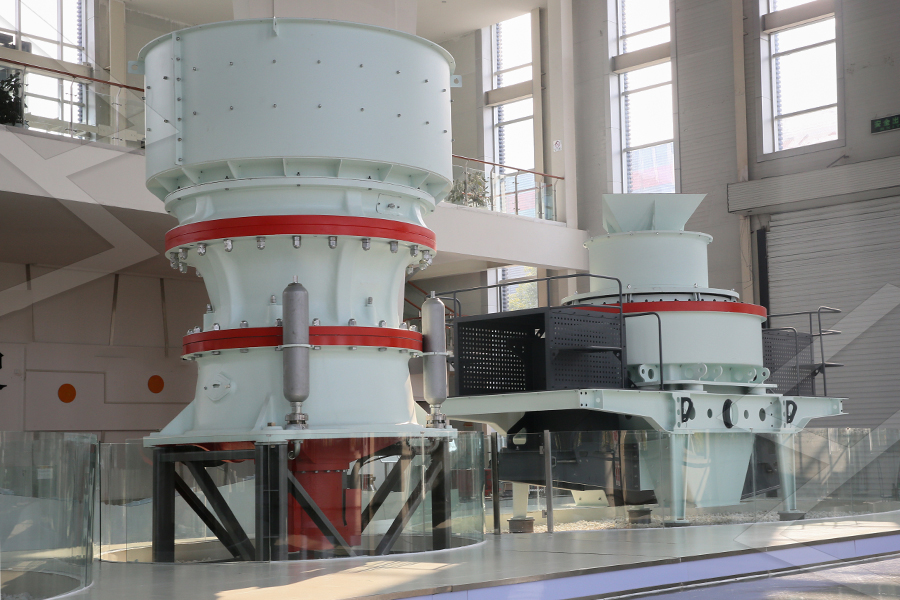
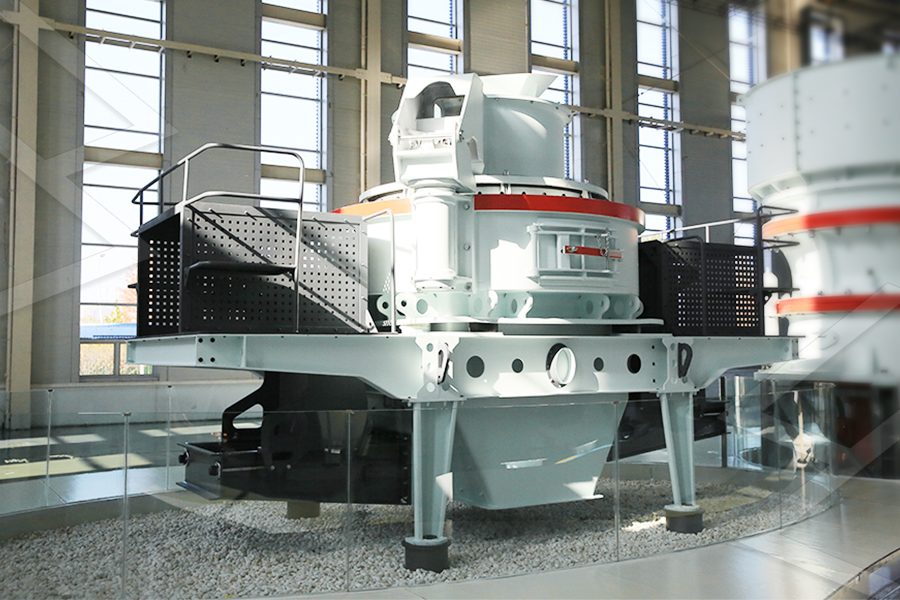
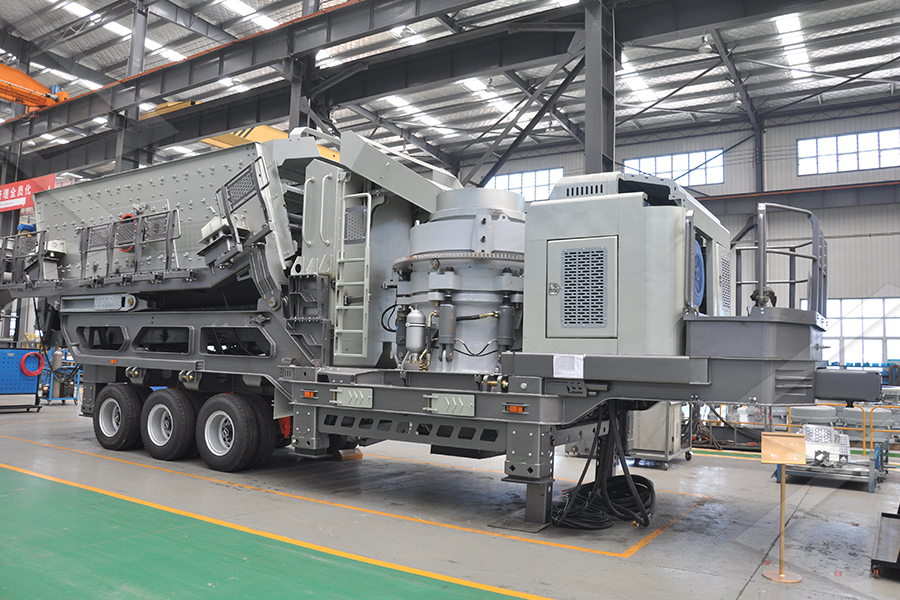
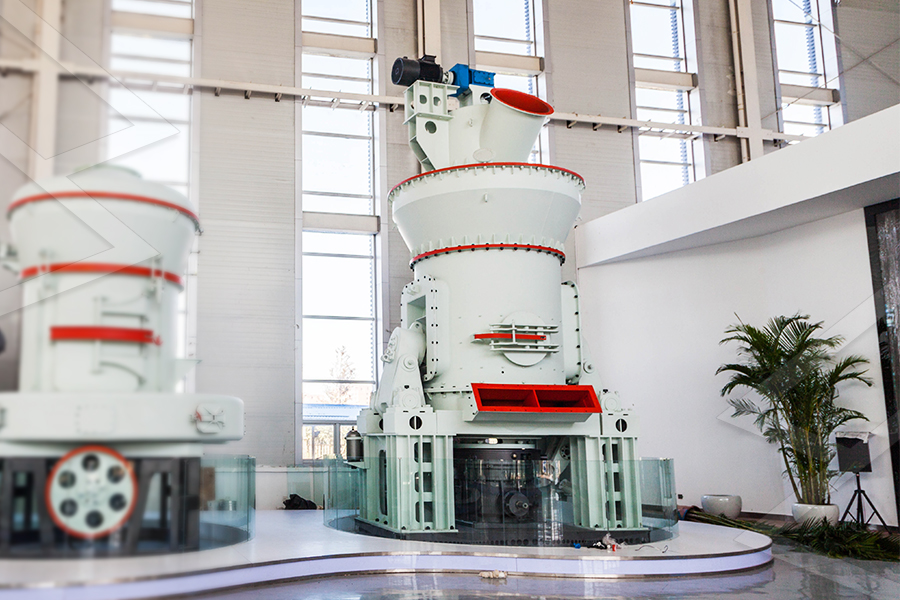
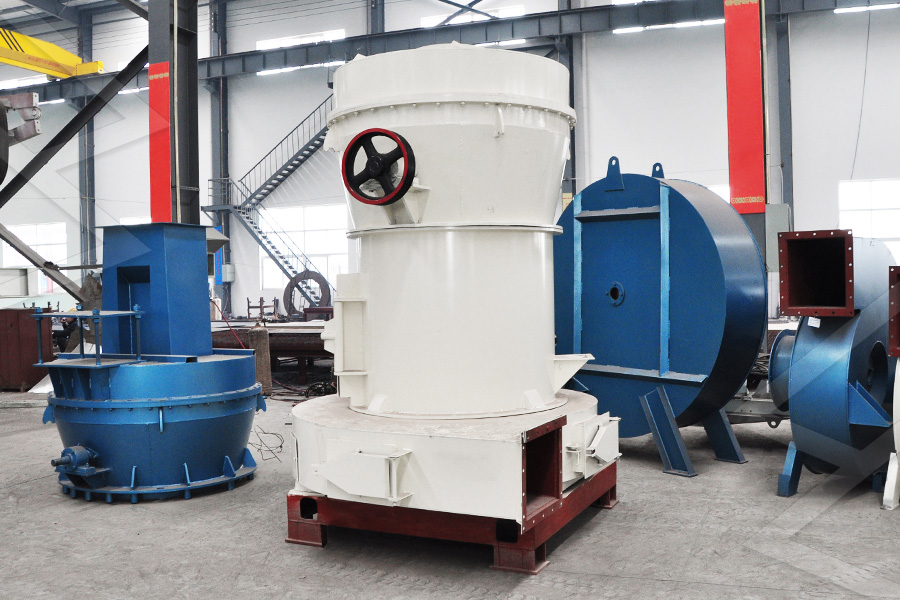
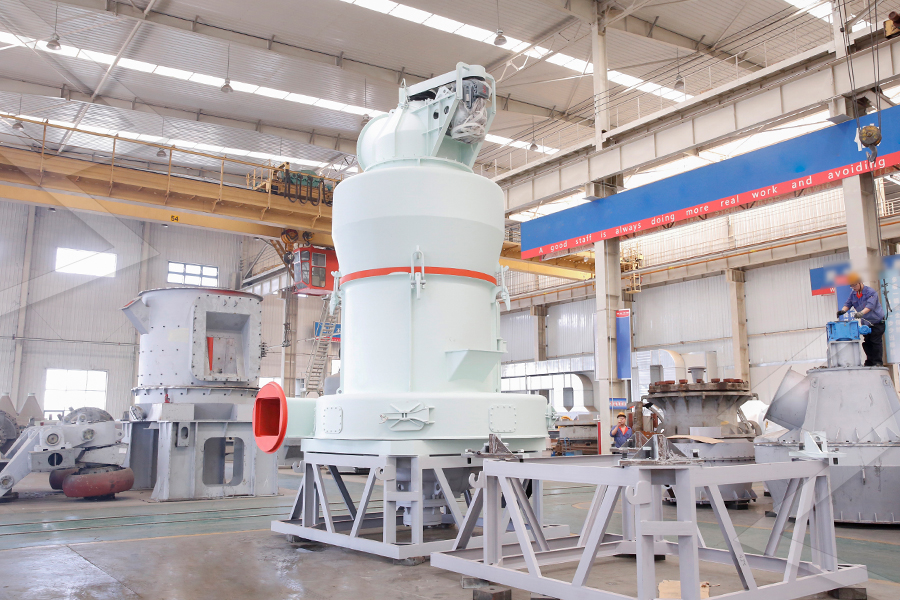
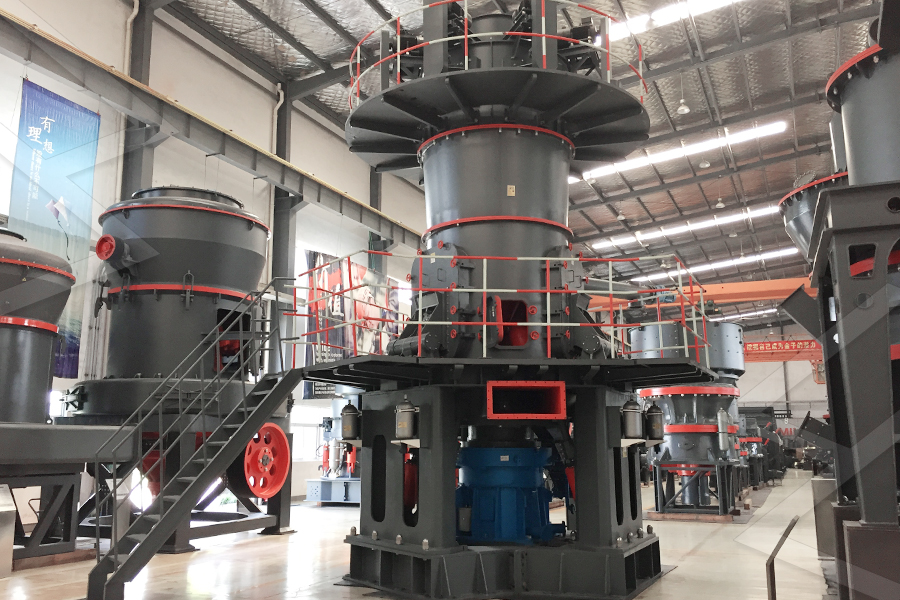
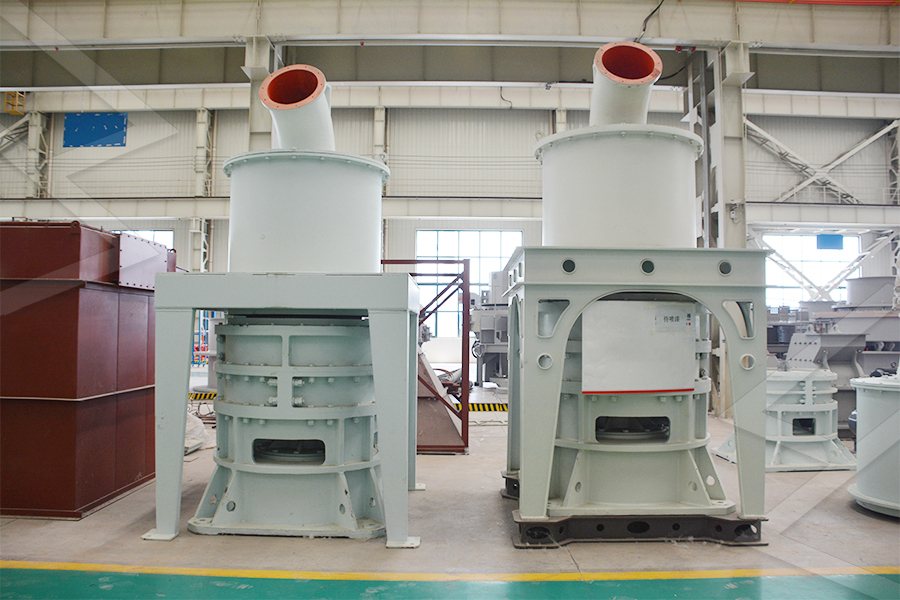
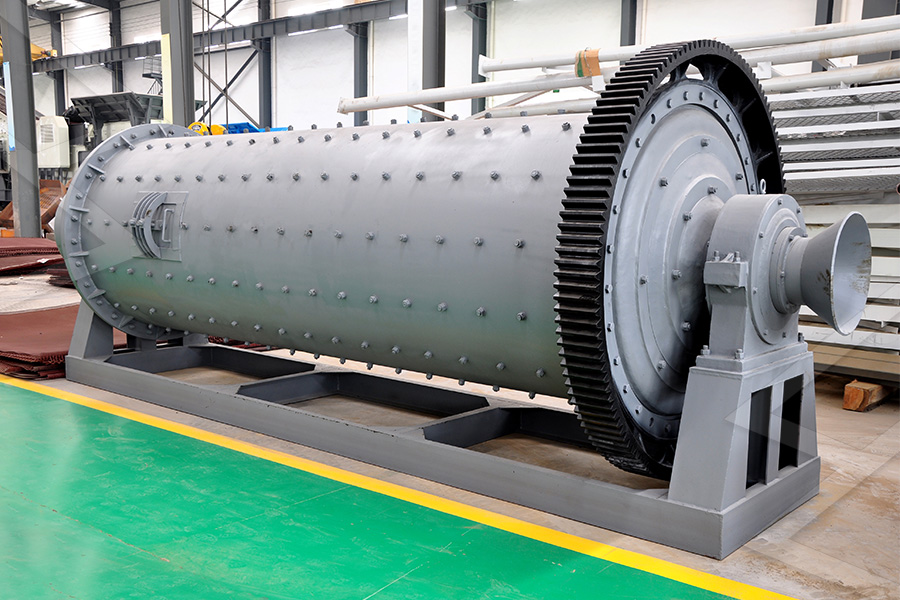
Equipment Selection is process-specific. Purification lines involve crushers, dryers, Raymond or trapezium mills for dry grinding, and agitated tanks, hydrocyclones, centrifuges, and filter presses for wet processing. Modification typically requires high-intensity mixers (pug mills for activation) or reaction tanks with heating and agitation for acid or organic treatment.
Final drying is critical and often done in spray dryers for premium products (ensuring uniform granules) or rotary dryers. The entire processing chain is designed to preserve the delicate layered structure of the montmorillonite while achieving the targeted chemical and physical properties, turning a natural clay into a high-performance industrial material.
Final drying is critical and often done in spray dryers for premium products (ensuring uniform granules) or rotary dryers. The entire processing chain is designed to preserve the delicate layered structure of the montmorillonite while achieving the targeted chemical and physical properties, turning a natural clay into a high-performance industrial material.