Trapezium Mill in Non-Metallic Mineral Ultrafine Processing
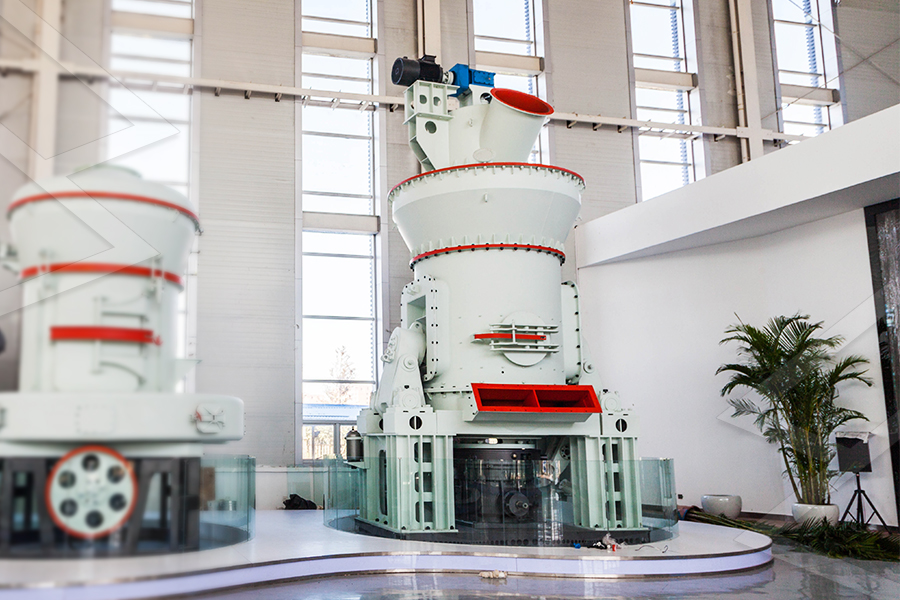
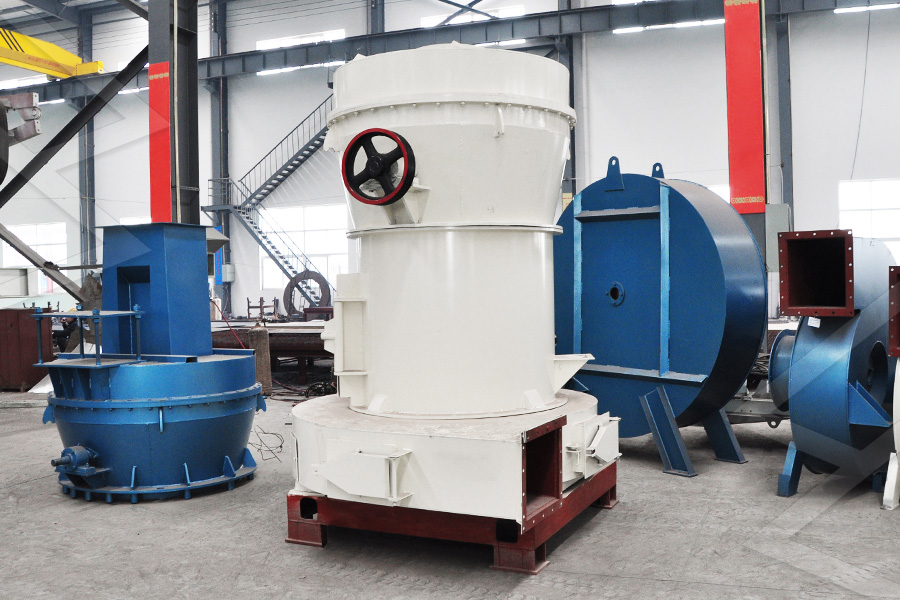
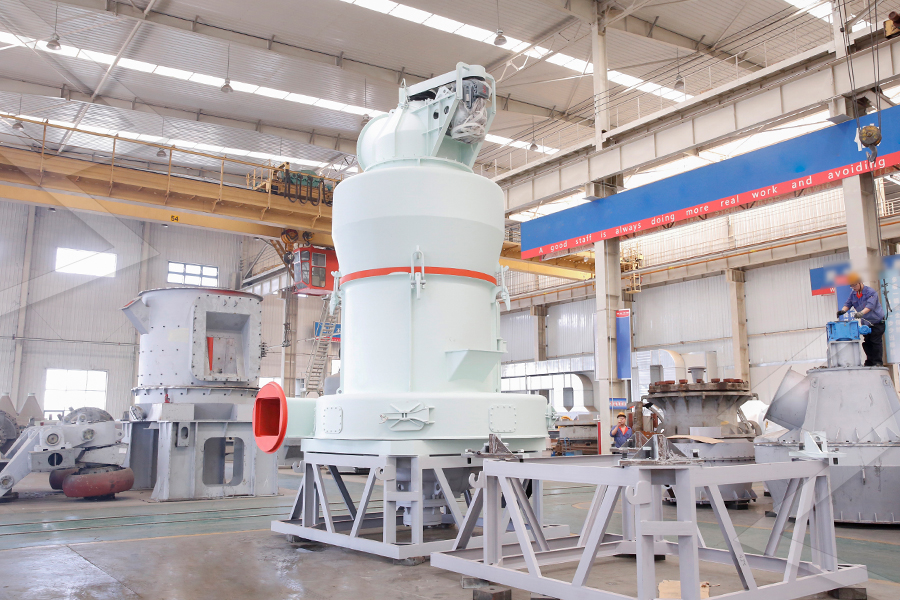
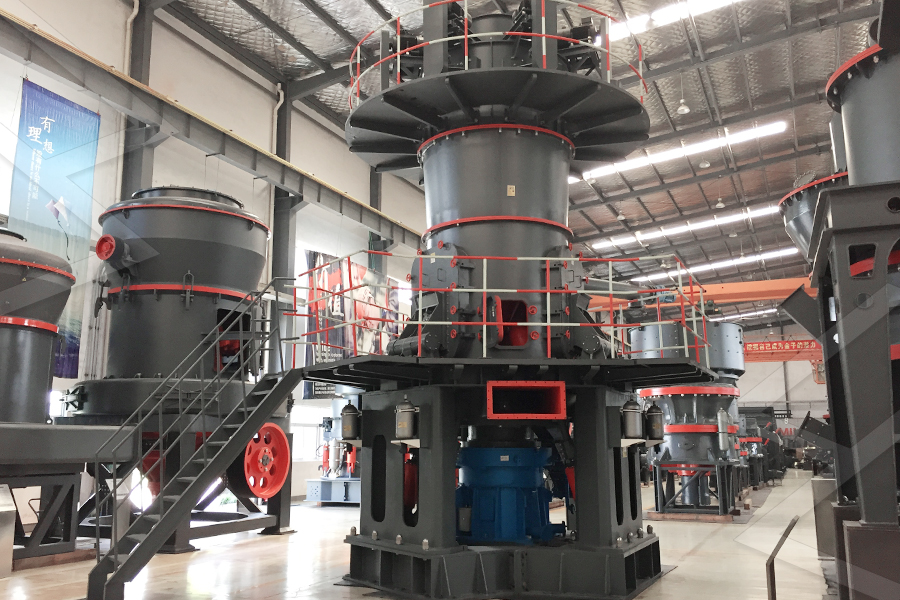
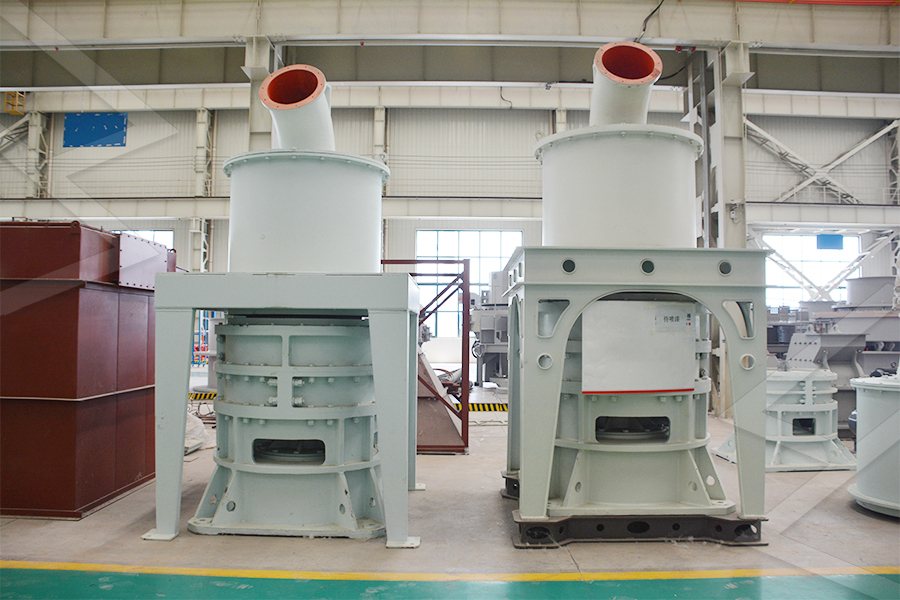
The trapezium mill, specifically represented by models like the MTM series, has carved a significant niche in the ultrafine processing of non-metallic minerals due to its unique design that balances fine-grinding capability, energy efficiency, and operational stability for mid-range fineness applications.
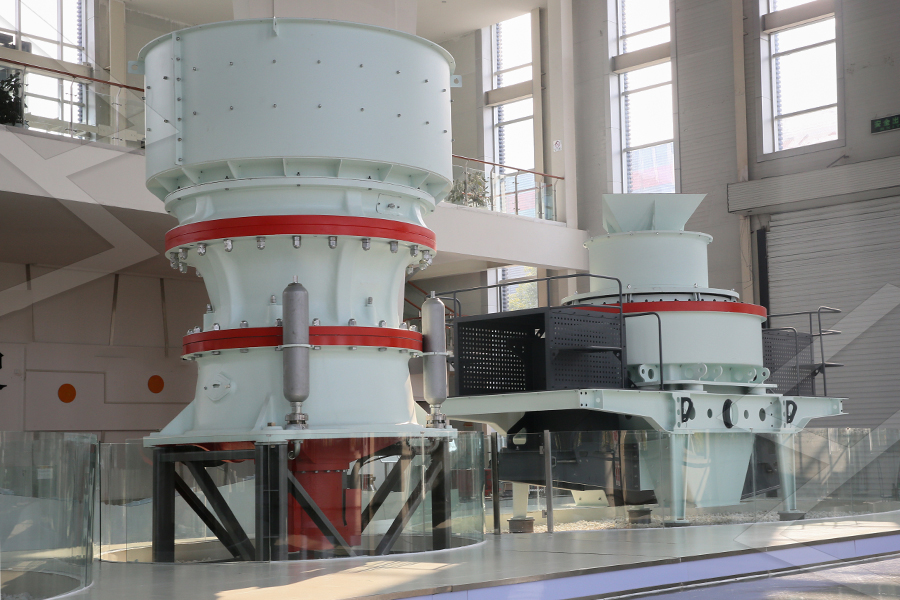
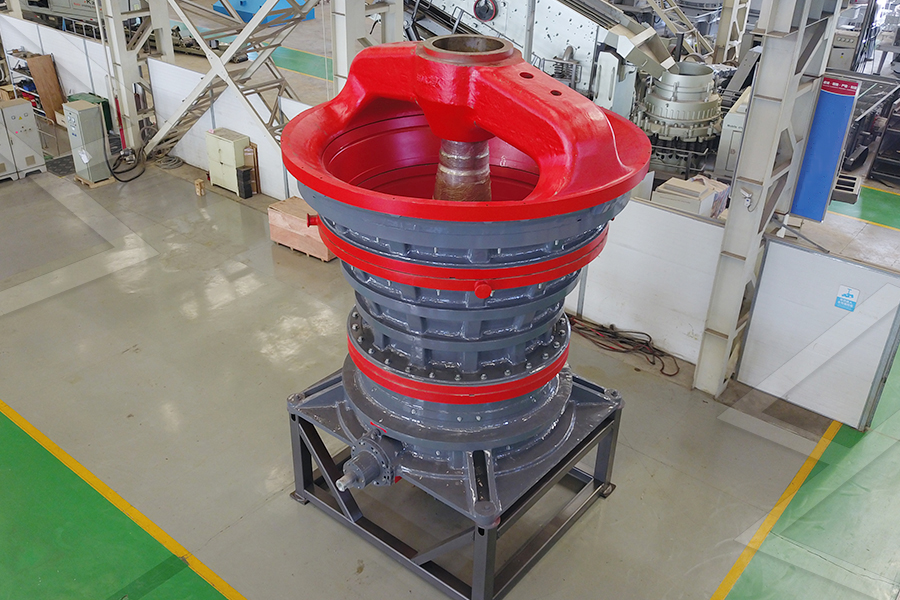
Unlike high-speed impact mills for extreme fineness or traditional Raymond mills for coarser products, the trapezium mill operates on an enhanced pendulum roller principle. Multiple grinding rollers are suspended from a rotating star rack and swing outward due to centrifugal force, pressing against a stationary grinding ring. The material is fed centrally, falls onto the grinding ring, and is crushed and ground by the rolling action of the rollers. A critical design advancement is the curved surface of the grinding rollers and ring, which provides a better "bite" on the material bed and more efficient grinding contact than flat surfaces.
For non-metallic minerals—such as calcite, dolomite, talc, barite, and marble—producing products in the range of 150 to 2500 mesh (approximately 100 to 5 microns), the trapezium mill offers distinct advantages. Its grinding zone geometry and optimized airflow path create a more stable grinding condition with less vibration compared to earlier pendulum mills, allowing for more consistent product quality. The integrated high-efficiency classifier (often a turbo-style dynamic classifier) provides precise particle size cut-off and easy adjustment by simply changing the speed of the classifier rotor, enabling one mill to produce multiple grades of product.
Its application is widespread. In the paint and coatings industry, it is used to produce fine-ground calcium carbonate and barite with excellent color and dispersion properties. In plastics and rubber, it provides functional fillers with controlled top-size to ensure composite strength. It is also suitable for grinding activated carbon, kaolin, and other temperature-sensitive materials because its grinding principle generates less heat compared to high-speed impact mills.
While it may not reach the finest levels of a dedicated jet mill or stirred media mill, for many industrial filler and extender applications, the trapezium mill represents an optimal balance of capital cost, operating cost (energy consumption per ton), product quality, and operational simplicity, making it a versatile workhorse in non-metallic mineral processing plants.
While it may not reach the finest levels of a dedicated jet mill or stirred media mill, for many industrial filler and extender applications, the trapezium mill represents an optimal balance of capital cost, operating cost (energy consumption per ton), product quality, and operational simplicity, making it a versatile workhorse in non-metallic mineral processing plants.