Medium-Speed Mill in Power Plant Pulverizing Systems
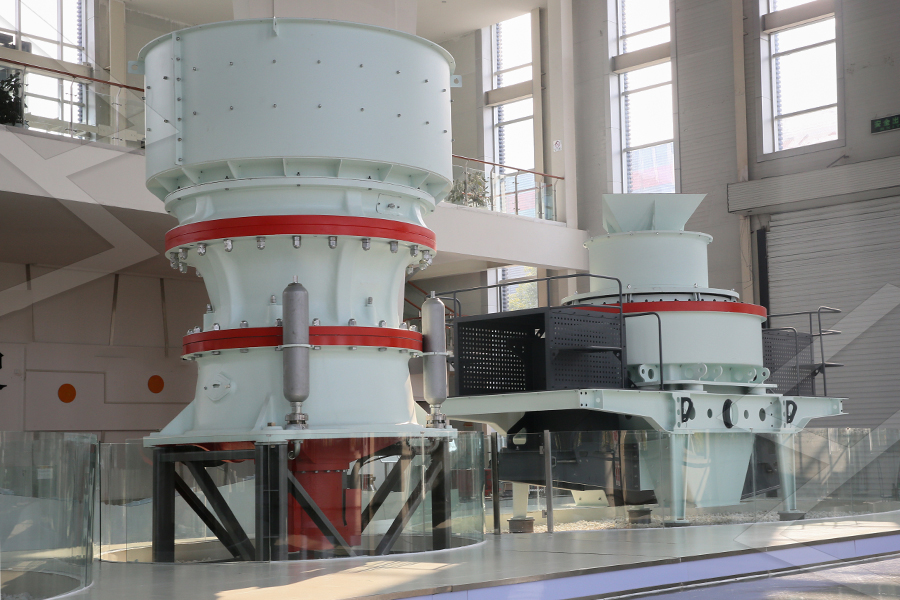
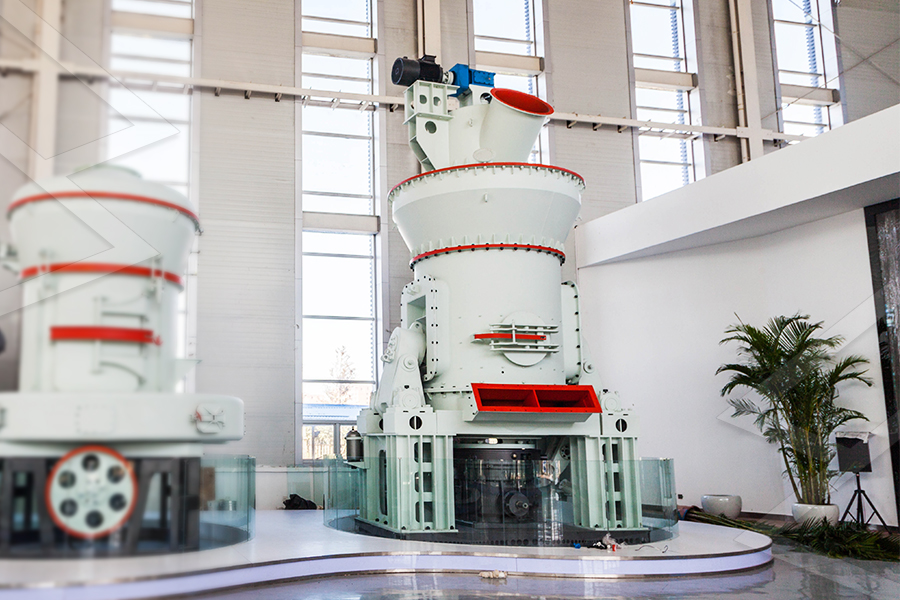
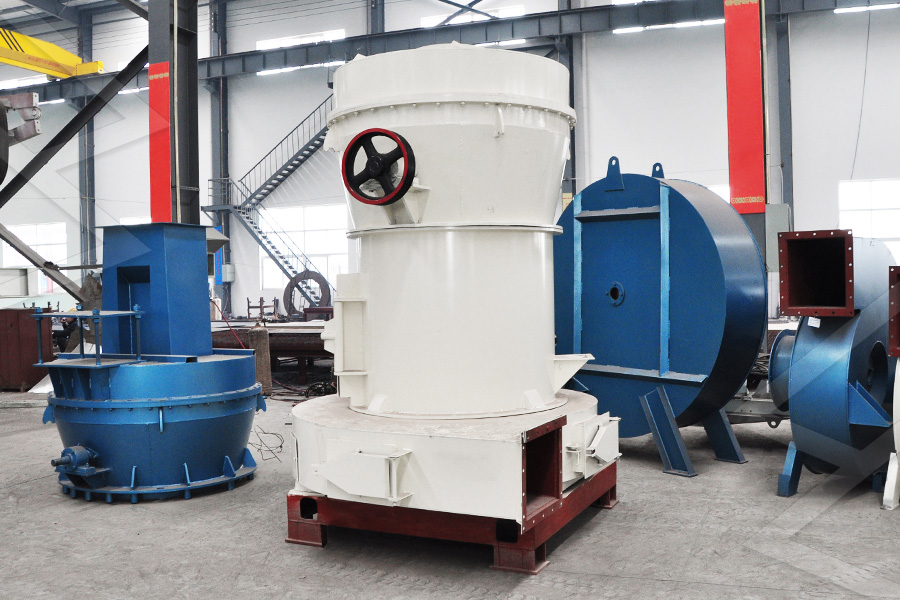
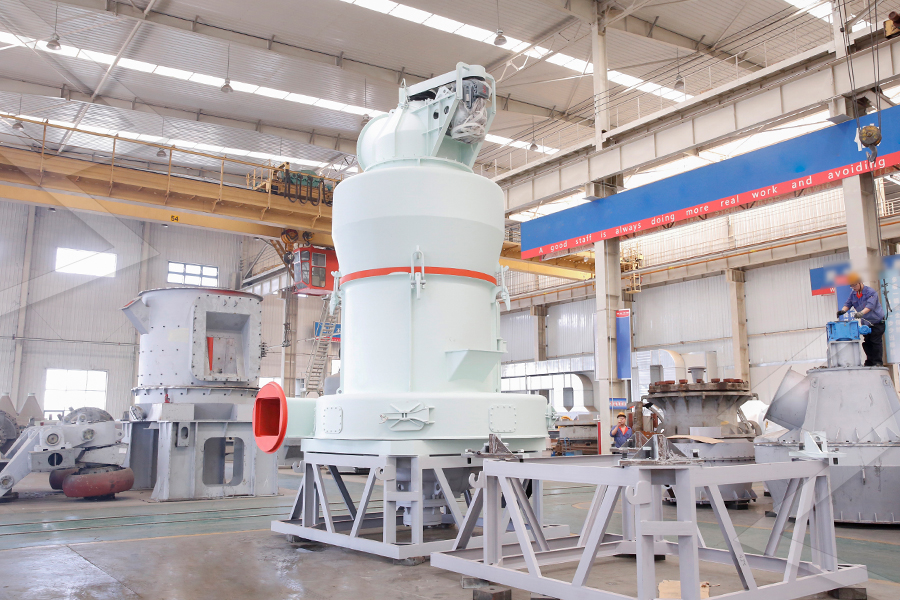
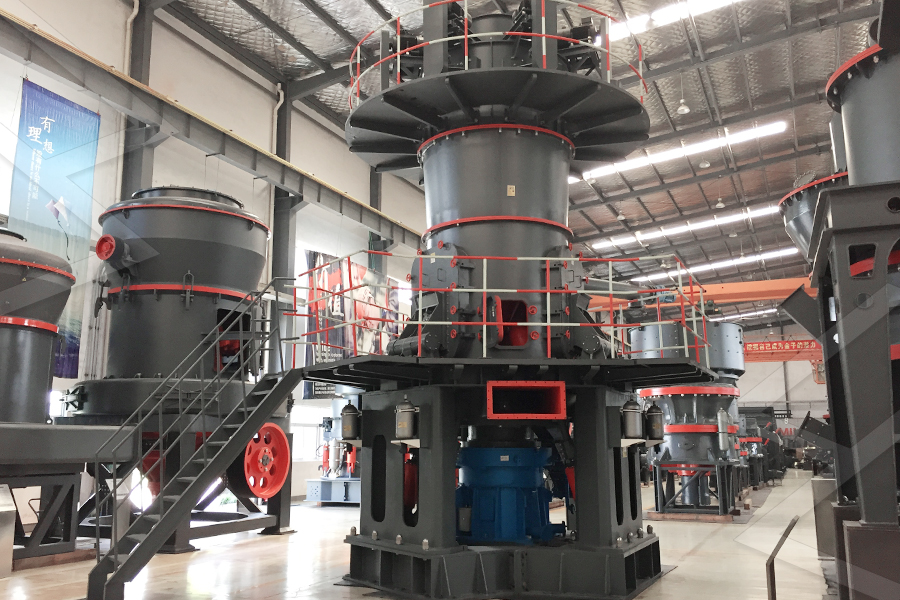
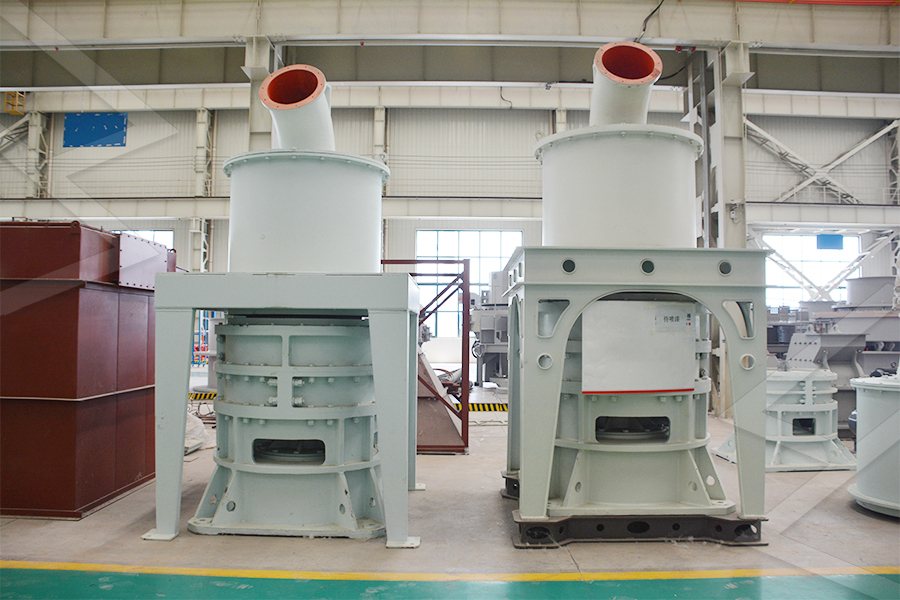
Medium-speed mills, specifically vertical spindle roller mills (such as bowl mills and roller-race mills), are the workhorses of modern pulverized coal-fired power plant fuel preparation systems. Their optimization is central to achieving high combustion efficiency, low NOx emissions, and reliable boiler operation.
The core optimization challenge lies in balancing several interdependent variables: coal fineness, mill throughput (capacity), and specific power consumption, all while maintaining operational safety. Optimal coal fineness is crucial; finer coal burns more completely, reducing unburned carbon losses, but requires more grinding energy. The target is typically a fineness where 75% passes a 200-mesh (75-micron) sieve, with a minimal fraction of overly coarse particles.
Key areas for operational optimization include:
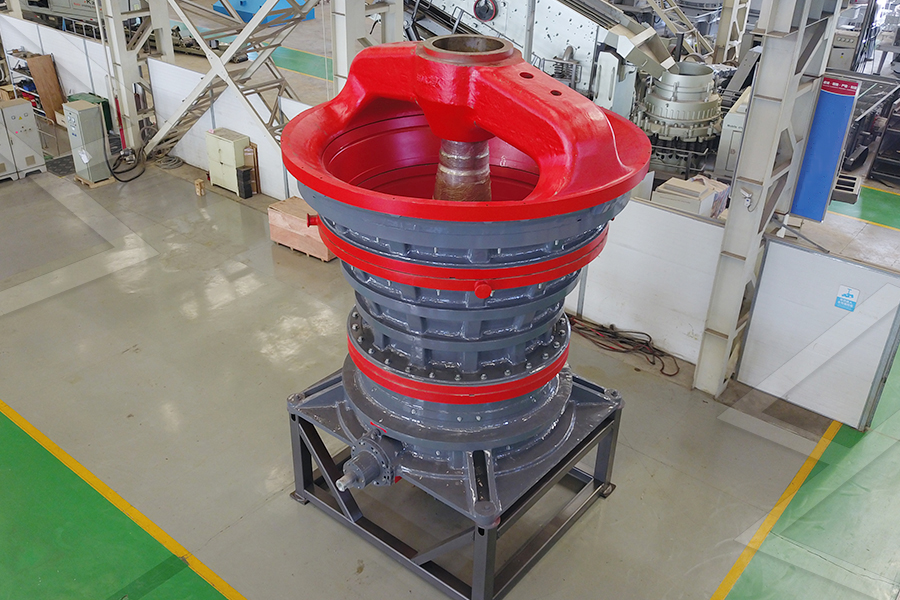
Grinding Element Wear Management: As grinding rollers and tires wear, the grinding pressure and geometry change, leading to a coarser product and reduced capacity. Implementing a predictive maintenance schedule based on throughput tonnage and monitoring mill motor current/vibration is essential. Some modern mills allow for online adjustment of grinding pressure or roller position to compensate for wear.
Primary Air Flow and Temperature Control: The primary air (PA) fan supplies both transport and drying medium to the mill. Optimizing the PA flow is critical; too little flow fails to properly lift coal from the grinding zone, risking spillage and reducing output. Too much flow increases power consumption and can lead to excessive erosion in pipes and classifiers. The PA inlet temperature must be high enough to dry the coal effectively (preventing clogging and ensuring flow) but kept below safe limits to avoid a mill fire, especially when grinding coals with high volatile matter.
Classifier Optimization: The dynamic classifier at the mill outlet is a key tuning device. Increasing the classifier speed (RPM) rejects more coarse particles back to the grinding zone, resulting in a finer final product but at the cost of higher recirculation load and potentially reduced mill capacity. Finding the optimal speed for the specific coal type and boiler load is a continuous task.
Load Following: Power plants must ramp generation up and down. Mills must respond quickly. Optimizing the control logic for coordinated action between the coal feeder, primary air damper, and classifier speed allows the mill to change output while maintaining stable operation and acceptable fineness.
Advanced optimization now involves digital solutions: installing additional sensors (for fineness, mill fill-level) and using AI/ML algorithms to model mill performance in real-time, predicting wear and recommending optimal set-point adjustments for varying coal qualities and plant loads, thereby maximizing efficiency and reliability.