Quicklime (Calcium Oxide) Production Equipment
Quicklime (Calcium Oxide, CaO) is produced through the thermal decomposition of limestone (Calcium Carbonate, CaCO₃) in a process called calcination. The core equipment for this industrial-scale transformation is the lime kiln, with the rotary kiln being the most prevalent type for high-tonnage, consistent production.
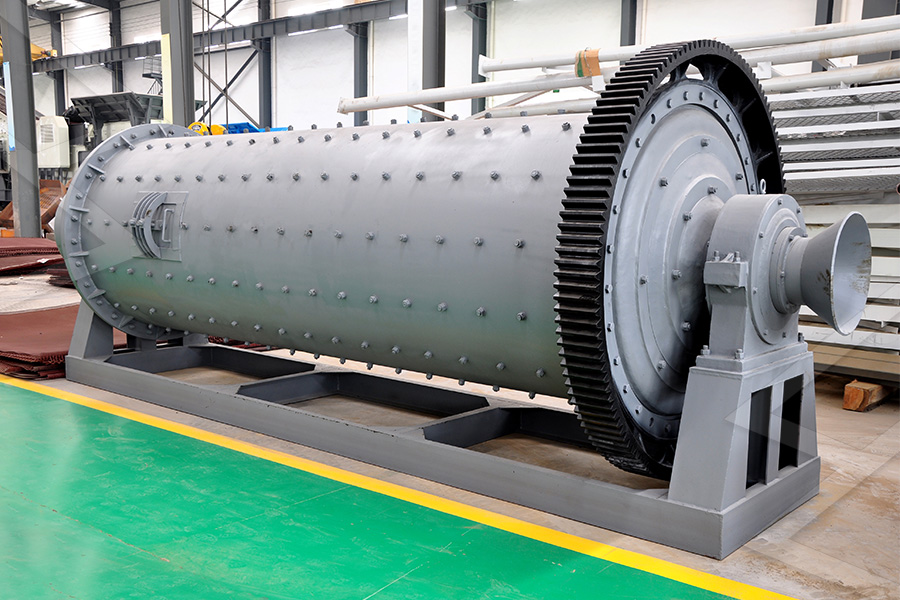
A lime rotary kiln is a long, slightly inclined, refractory-lined steel cylinder that rotates slowly on its axis. Crushed and screened limestone of a specific size range (typically 10mm to 50mm) is fed into the elevated upper end. As the kiln rotates, the limestone slowly tumbles and moves downhill toward the firing hood at the lower end. Fuel (natural gas, oil, powdered coal, or alternative fuels) is fired directly into the kiln's discharge end, creating a counter-current flow of hot gases. The material undergoes several stages: preheating, calcination, and cooling. In the calcination zone (typically between 900°C and 1200°C), CaCO₃ decomposes into CaO and CO₂ gas (CaCO₃ + heat → CaO + CO₂).
Controlling the activity of the produced quicklime is paramount and is directly influenced by kiln operation. Activity refers to the lime's reactivity when mixed with water (slaking). Key control parameters include:
Calcination Temperature: Precise temperature control is critical. Under-burning leaves un-decomposed core (high residual CO₂), resulting in low reactivity. Over-burning causes excessive sintering and crystal growth, producing "dead-burned" lime that is dense and slow to react.
Residence Time: The time the stone spends in the high-temperature zone must be optimized with the temperature to ensure complete decomposition without over-exposure.
Fuel/Air Ratio & Heat Distribution: Uniform heat profile across the kiln cross-section is essential to avoid pockets of under- or over-burned product.
Modern plants often feature preheater and cooler systems to drastically improve thermal efficiency. Shaft preheaters use exiting kiln gases to pre-heat the feed stone. At the discharge end, rotary or shaft coolers recover heat from the hot quicklime to preheat combustion air, boosting efficiency and producing a cooler, safer product for handling and storage. The entire process is automated, with sensors monitoring temperatures, pressures, and feed rates to ensure consistent production of high-activity lime for its diverse applications in steelmaking, chemical processes, flue gas treatment, and construction.