Air-Swept Coal Mill is a cornerstone of the pulverized coal preparation system
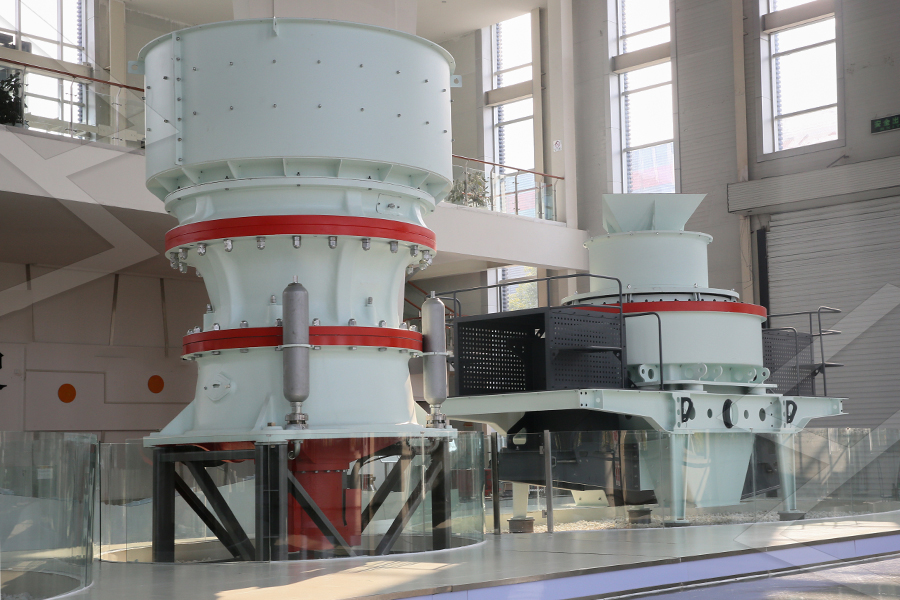
The air-swept coal mill is a cornerstone of the pulverized coal preparation system, primarily in coal-fired power plants and cement kilns. Its primary function is to dry, grind, and classify raw coal into a fine powder (coal dust) suitable for efficient combustion. Its name derives from its operating principle: a stream of hot air (or a mix of hot air and flue gas) is used both to dry the coal and to transport the ground particles.
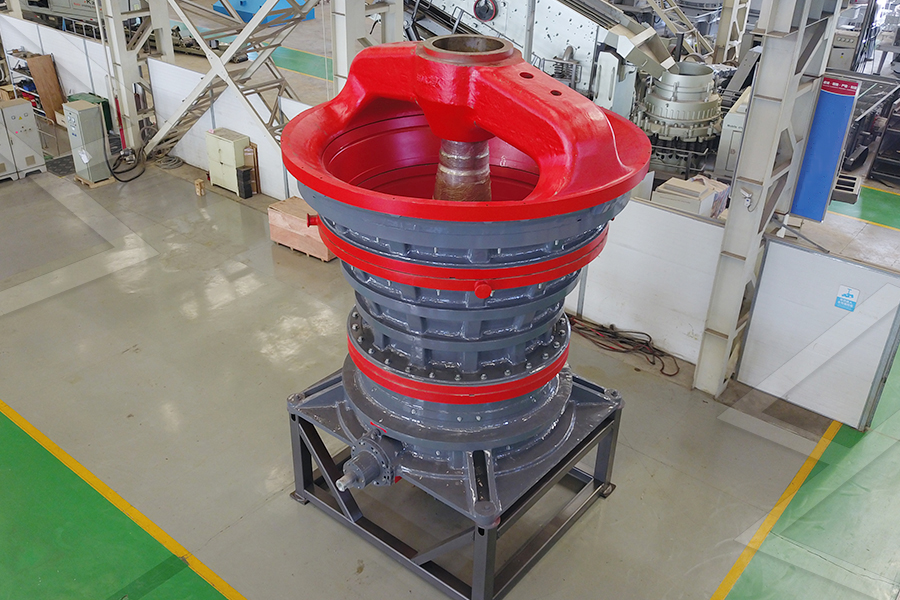
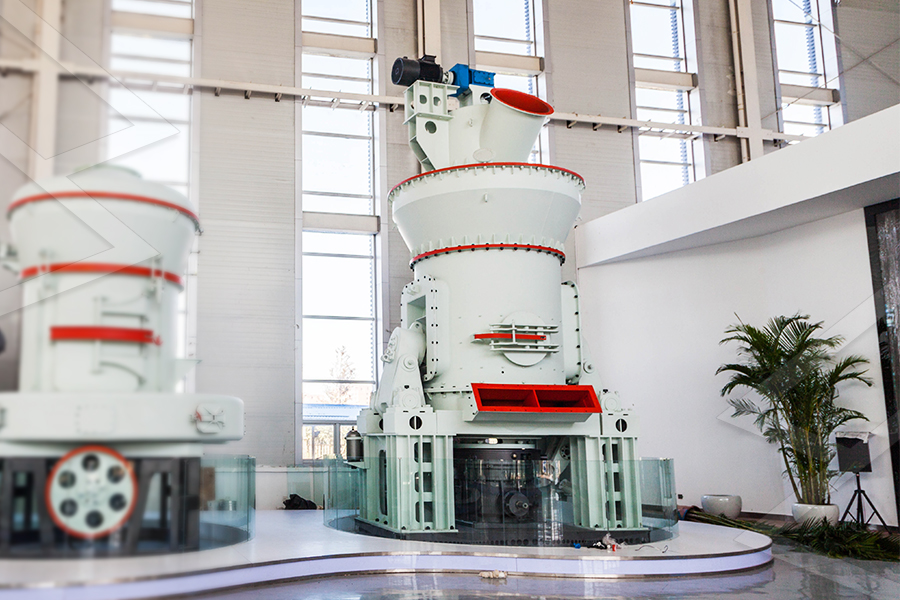
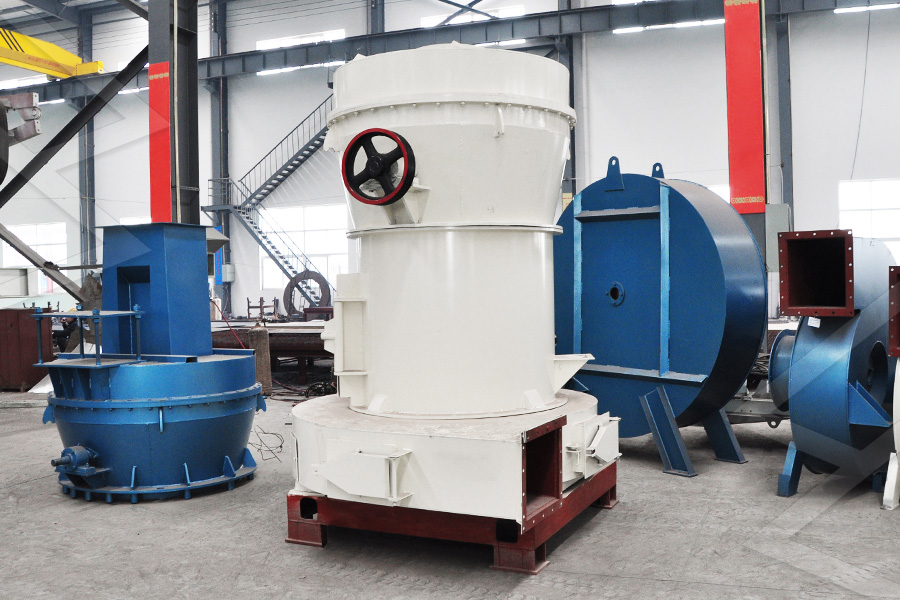
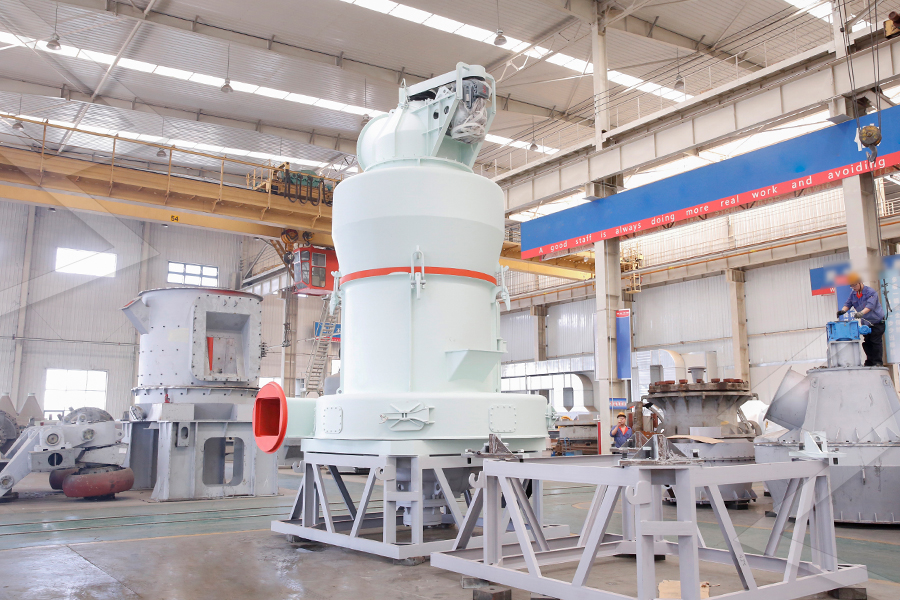
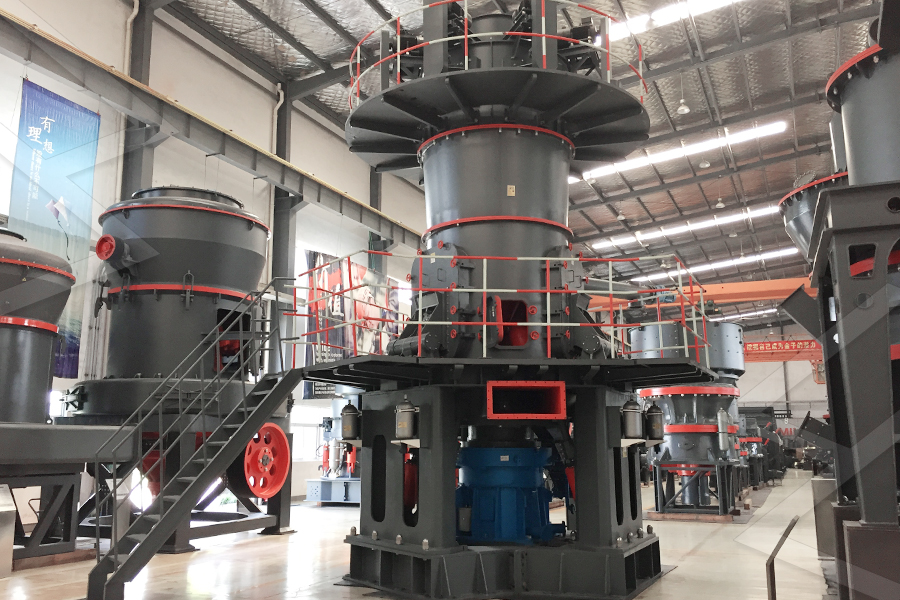
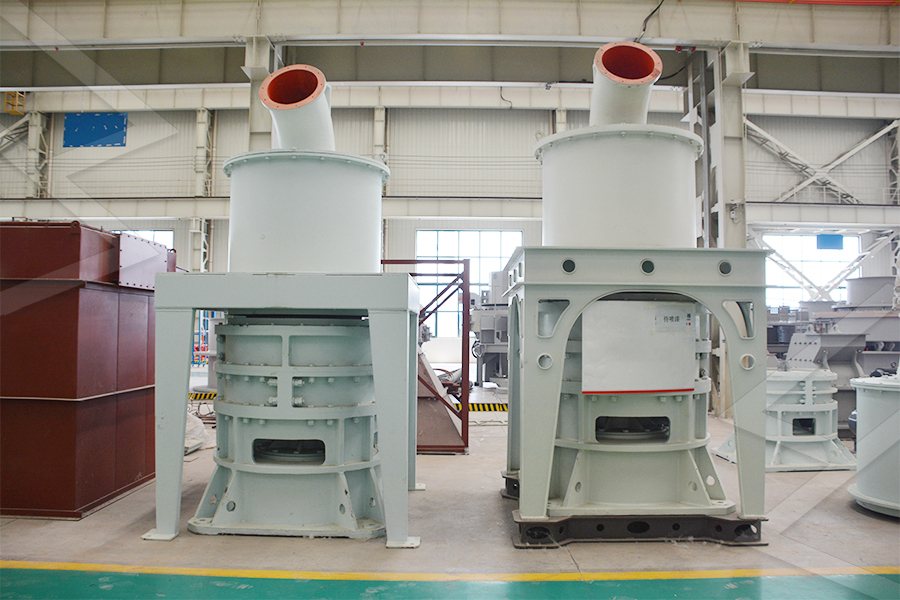
The most common design is the vertical spindle air-swept mill, which includes types like bowl mills and roller-race mills. Raw coal from a feeder enters the center of a rotating grinding table. Centrifugal force moves the coal outward under heavy, spring- or hydraulically-loaded grinding rollers. The coal is pulverized by compression and attrition between the rollers and the table.
The grinding zone is swept by a stream of hot primary air, typically drawn from the boiler's air preheater. This hot air (250-400°C) performs the crucial drying function, evaporating surface moisture from the coal to ensure proper grinding and flowability. The air stream then carries the finer particles upward into a dynamic classifier mounted directly on top of the mill.
The grinding zone is swept by a stream of hot primary air, typically drawn from the boiler's air preheater. This hot air (250-400°C) performs the crucial drying function, evaporating surface moisture from the coal to ensure proper grinding and flowability. The air stream then carries the finer particles upward into a dynamic classifier mounted directly on top of the mill.
The classifier, featuring rotating vanes or cages, acts as a particle size control gate. Coarser particles are rejected by centrifugal force and fall back onto the grinding table for further size reduction. Only particles fine enough to pass the classifier's "cut point" (usually with over 70-80% passing a 200-mesh sieve) are discharged with the air stream as "pulverized fuel" (PF) to the burners. This internal classification ensures a consistent product quality critical for combustion efficiency.
Key advantages of the air-swept design include integrated drying and grinding, continuous operation, rapid response to load changes, and compact construction. Critical operational aspects involve maintaining the correct air-to-coal ratio, controlling the inlet air temperature to prevent mill fires or explosions, and managing wear on grinding elements (tires, rollers, table segments) which directly affects fineness and output. Modern mills are integrated into sophisticated coal preparation systems featuring gravimetric feeders, explosion venting, inerting systems, and tight controls to ensure safe, reliable, and efficient fuel supply for the boiler.