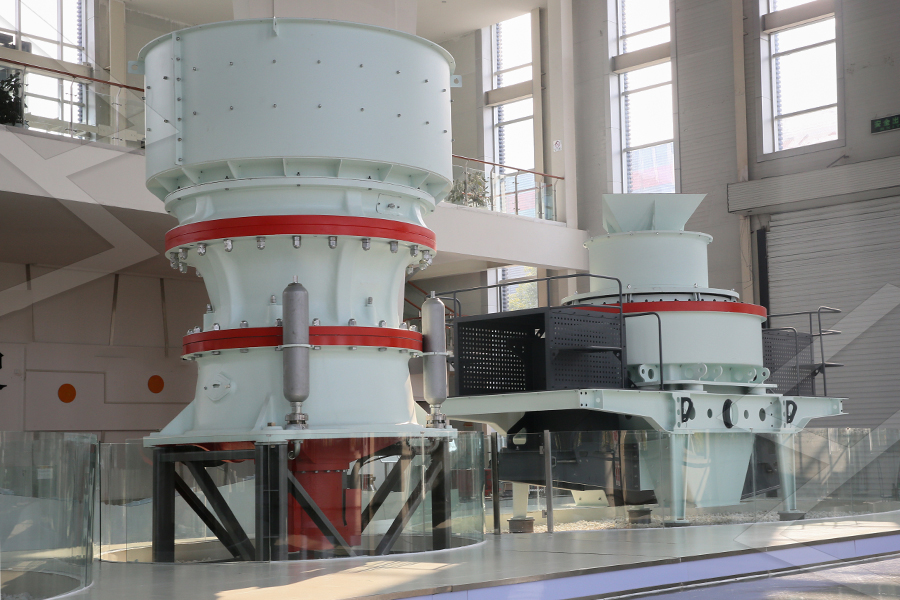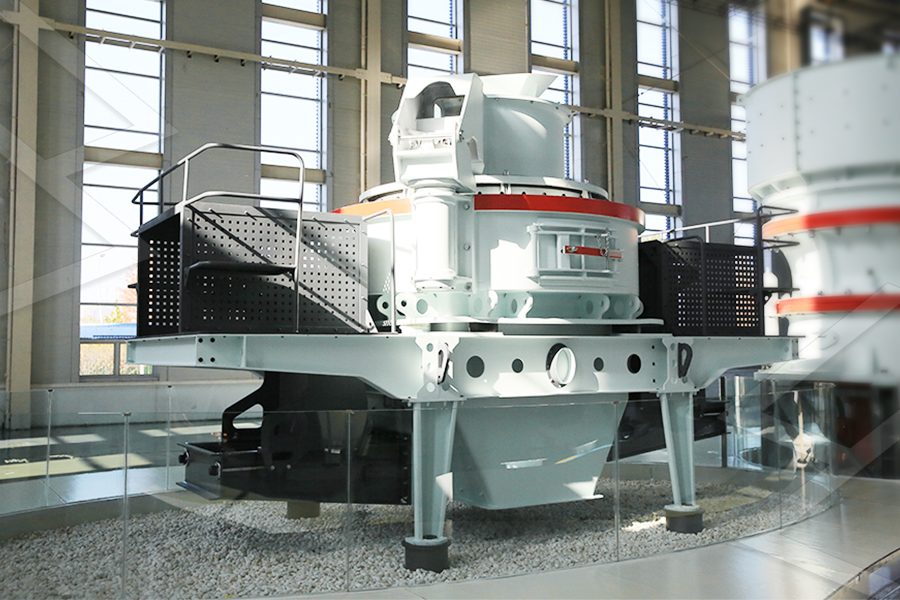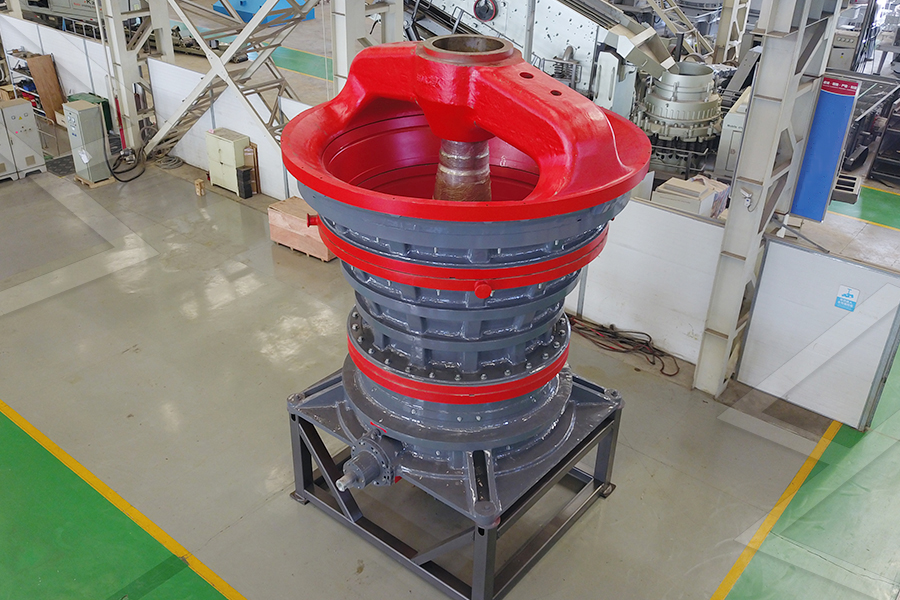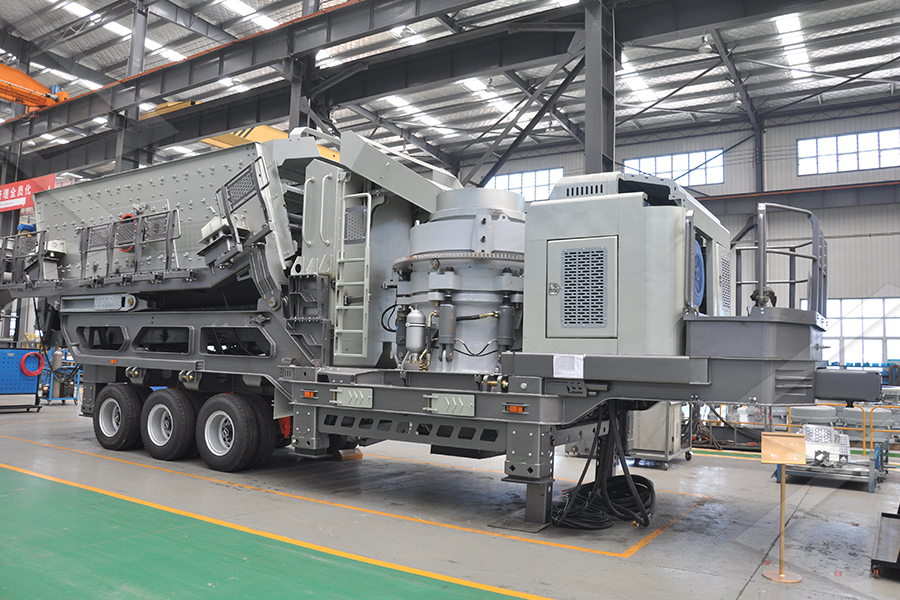
Limestone Grinding Mill - for coarse to medium grinding
The limestone grinding mill is a critical piece of equipment in numerous industries, transforming mined limestone rock into the fine powders essential for downstream processes. Its selection and operation directly impact product quality, energy consumption, and overall system efficiency. Key parameters in mill selection include the feed size of the raw limestone, the required fineness of the final product (often expressed as Blaine surface area or particle size distribution), desired moisture content, and hourly production capacity.
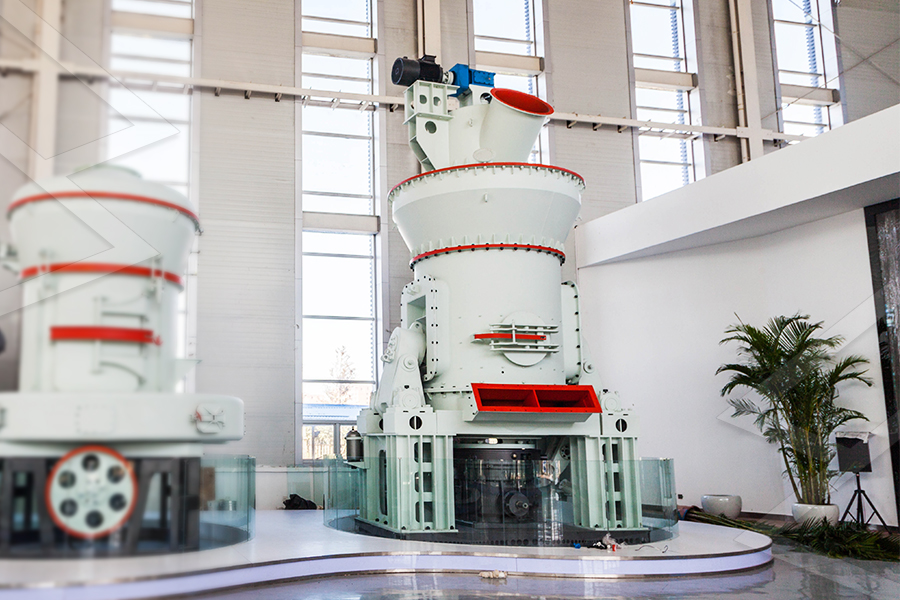
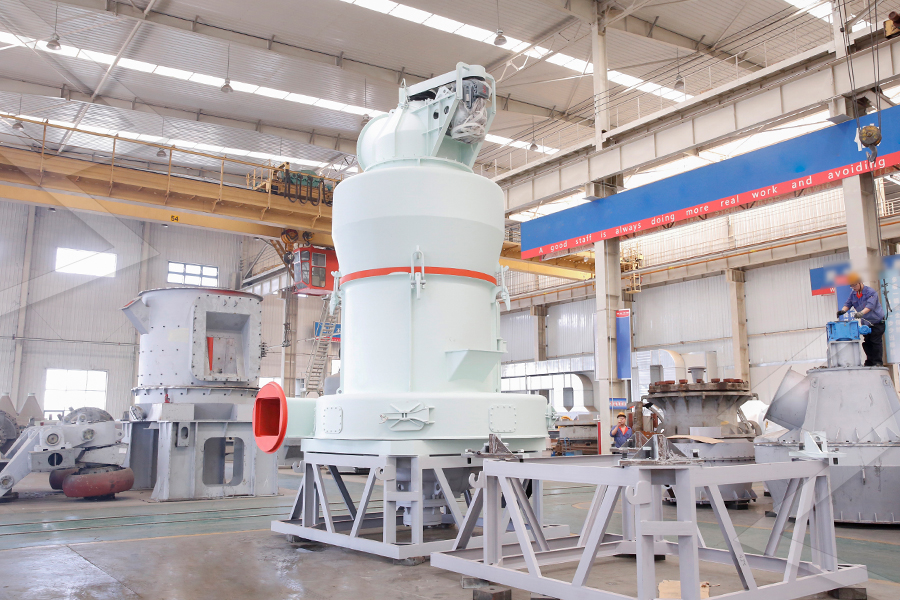
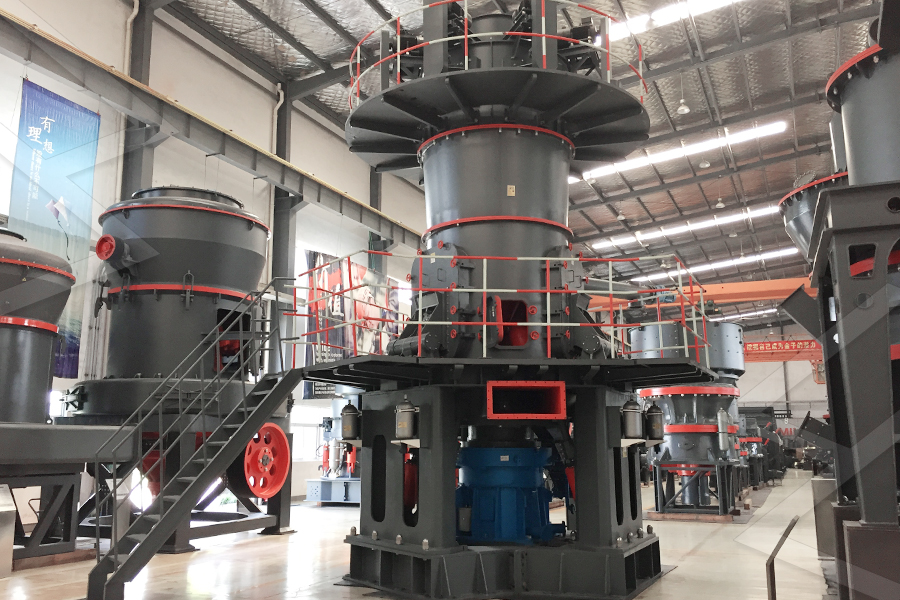
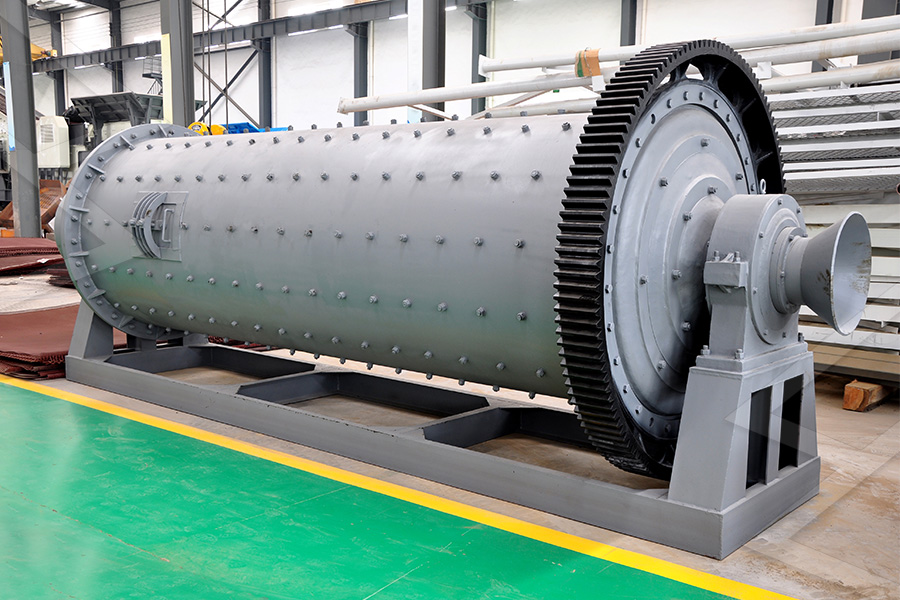
For coarse to medium grinding (e.g., for agricultural lime or flue gas desulfurization sorbent preparation), ball mills or vertical roller mills (VRMs) are common. Ball mills, a robust and traditional technology, use steel balls in a rotating cylinder to crush and grind the material by impact and attrition. They are reliable but less energy-efficient. VRMs have become the industry standard for larger capacities. They grind material between a rotating table and rollers; ground material is swept by an air stream into an integrated classifier. VRMs offer superior energy efficiency (20-30% less power than ball mills), better drying capability (they can handle feed with higher moisture when equipped with a hot gas generator), and a more compact footprint.
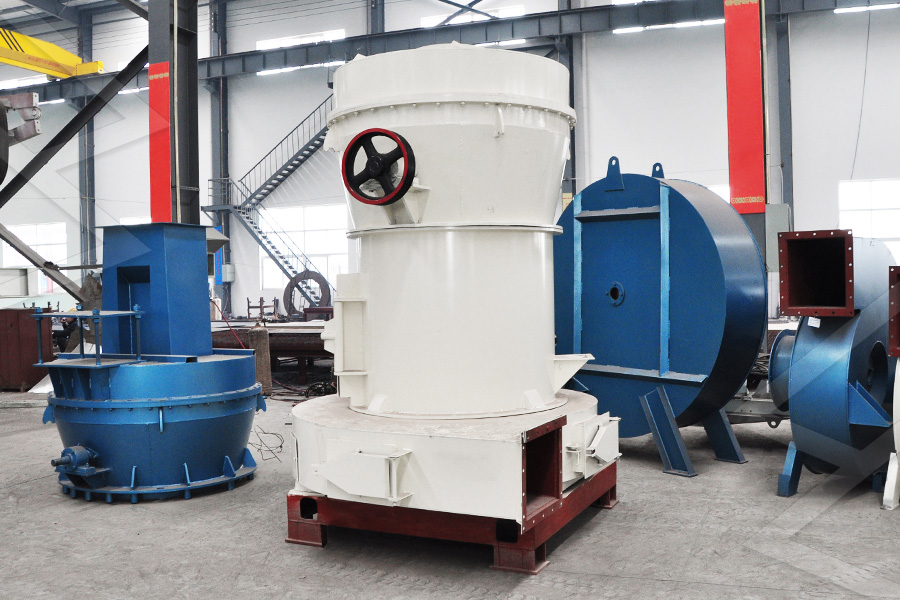
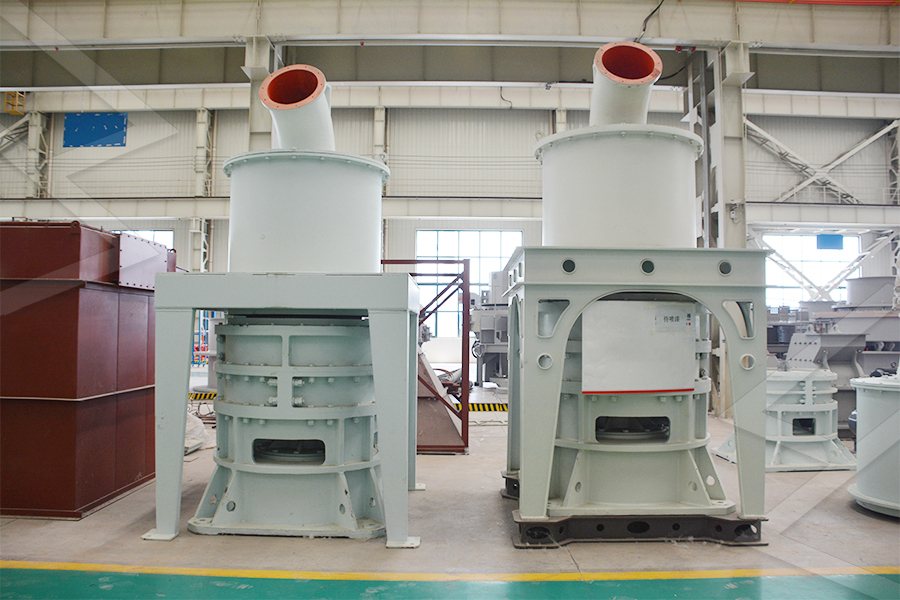
For producing ultra-fine limestone powders (GCC - Ground Calcium Carbonate) used in plastics, paints, paper, and adhesives, ring roller mills (like Raymond mills or pendulum roller mills) and specialized ball mills with classifiers are employed. These systems often incorporate high-efficiency dynamic classifiers that precisely cut the particle size. The entire grinding system's configuration, including feeders, mills, classifiers, dust collectors, and silos, must be carefully engineered.
Production capacity is regulated by adjusting the mill's operational parameters: feed rate, grinding pressure (in VRMs), classifier rotor speed (to control fineness), and system airflow. Proper maintenance of wear parts (grinding rollers, table liners, classifier blades) is vital for consistent output and cost control. Modern systems are fully automated, with controls adjusting parameters in real-time to maintain product specifications and optimize specific energy consumption.
Production capacity is regulated by adjusting the mill's operational parameters: feed rate, grinding pressure (in VRMs), classifier rotor speed (to control fineness), and system airflow. Proper maintenance of wear parts (grinding rollers, table liners, classifier blades) is vital for consistent output and cost control. Modern systems are fully automated, with controls adjusting parameters in real-time to maintain product specifications and optimize specific energy consumption.