Titanium Dioxide (TiO2) Production Processes
Titanium Dioxide (TiO₂), the premier white pigment, is produced globally using two primary industrial routes: the Sulfate Process and the Chloride Process. The choice between them depends on feedstock availability, environmental regulations, and desired pigment qualities.
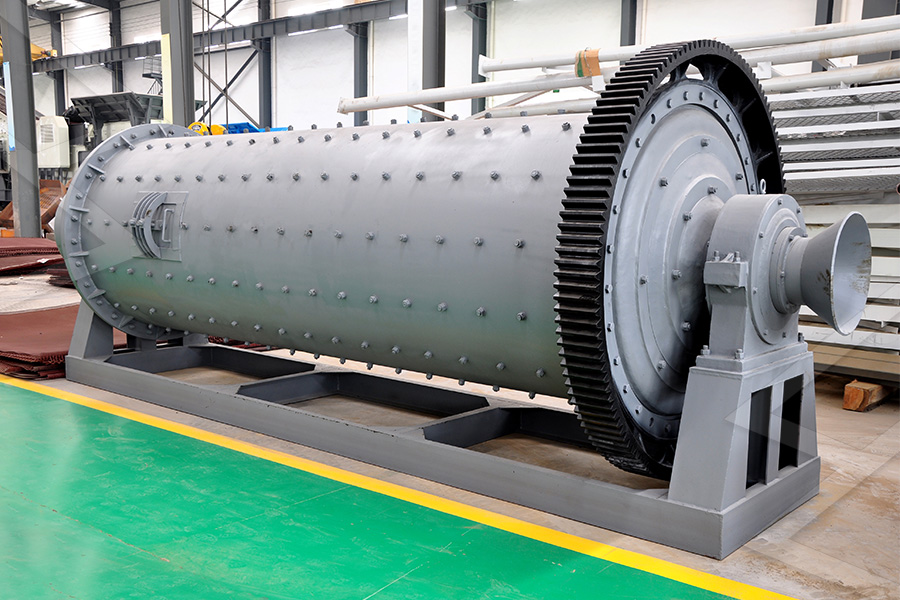
The Sulfate Process, the older of the two, uses ilmenite ore (FeTiO₃) or titanium slag as its raw material. The ore is dissolved in concentrated sulfuric acid, creating a soup of metal sulfates. After settling and clarification to remove solid impurities, the titanium sulfate solution is hydrolyzed by careful dilution and heating. This step precipitates hydrated titanium dioxide. The precipitate is then washed, calcined at high temperatures (up to 1000°C) in a rotary kiln to drive off water and sulfur trioxide, and finally milled to the target particle size. Surface treatments are applied to enhance dispersibility and durability for specific applications. While flexible in feedstock, this process generates large quantities of dilute sulfuric acid waste and iron sulfate by-products, posing significant environmental disposal challenges.
The Chloride Process, a more modern and continuous method, predominantly uses high-grade rutile ore or synthetic rutile. The feedstock is chlorinated in a fluidized bed reactor at high temperatures in the presence of coke and chlorine gas, yielding titanium tetrachloride (TiCl₄) vapor. This gas is purified through distillation to remove impurities like vanadium and iron chlorides. The pure TiCl₄ is then oxidized in a separate chamber with oxygen at extremely high temperatures (1500°C). This reaction produces gaseous chlorine (which is recycled) and fine, solid TiO₂ particles.
The pigment is immediately cooled, collected, and undergoes similar surface treatment as in the sulfate route. The Chloride Process yields a more uniform, often brighter pigment with higher opacity and is generally more energy-efficient. However, it requires a pure feedstock and involves handling highly corrosive chlorine gas. Its environmental footprint is smaller regarding solid waste but demands rigorous containment and safety measures.
The pigment is immediately cooled, collected, and undergoes similar surface treatment as in the sulfate route. The Chloride Process yields a more uniform, often brighter pigment with higher opacity and is generally more energy-efficient. However, it requires a pure feedstock and involves handling highly corrosive chlorine gas. Its environmental footprint is smaller regarding solid waste but demands rigorous containment and safety measures.
Today, the Chloride Process dominates in North America and Western Europe due to its efficiency and product quality, while the Sulfate Process remains important in regions with suitable ilmenite resources. The industry continuously innovates in recycling waste streams, developing chloride-process compatible feedstocks, and creating next-generation nano-sized TiO₂ for specialized applications.