Lime-Gypsum Desulfurization (Flue Gas Desulfurization - FGD)
The Lime-Gypsum Flue Gas Desulfurization (FGD) process is the world's most widely adopted technology for removing sulfur dioxide (SO₂) from the exhaust gases of power plants and industrial boilers. Its dominance stems from its high removal efficiency (often exceeding 95%), reliability, and the production of a commercially usable by-product: gypsum.
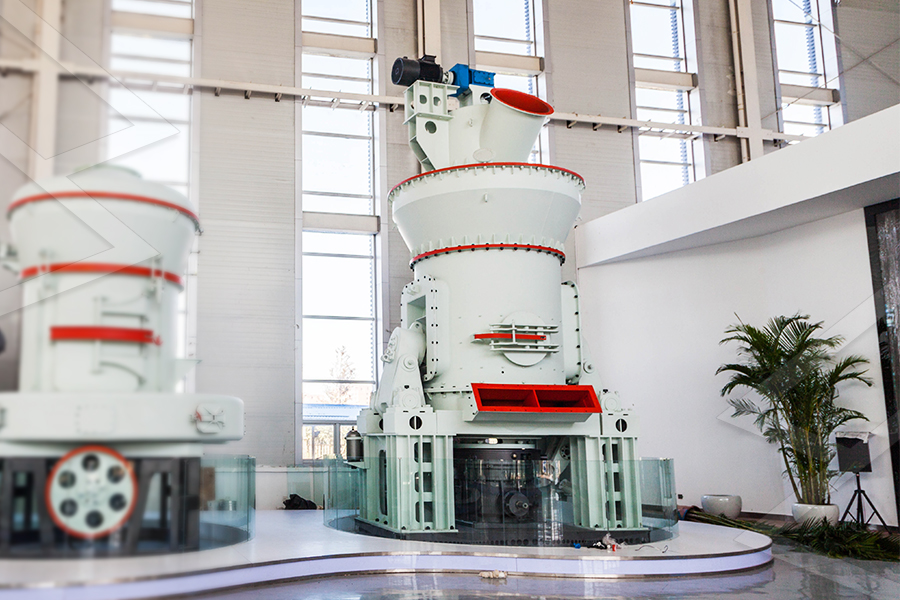
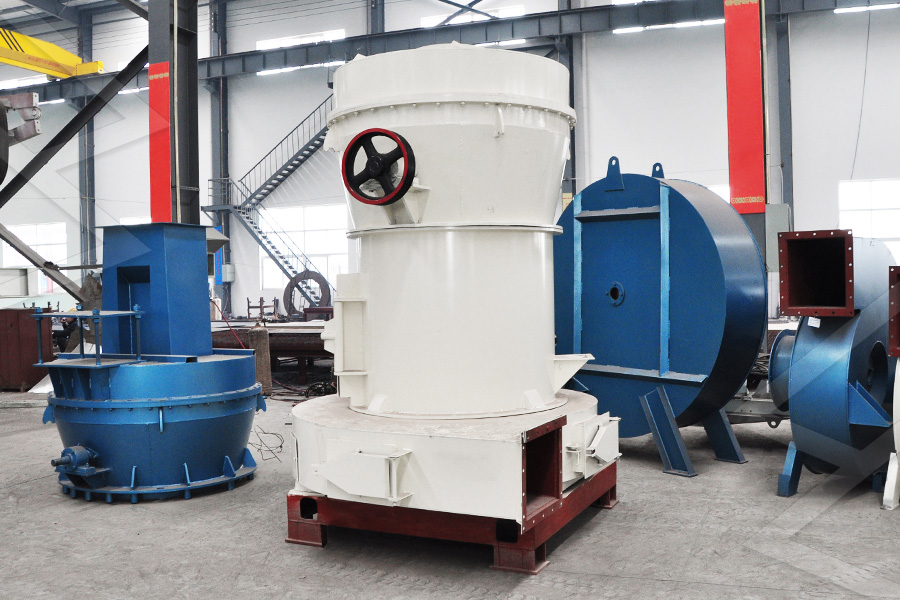
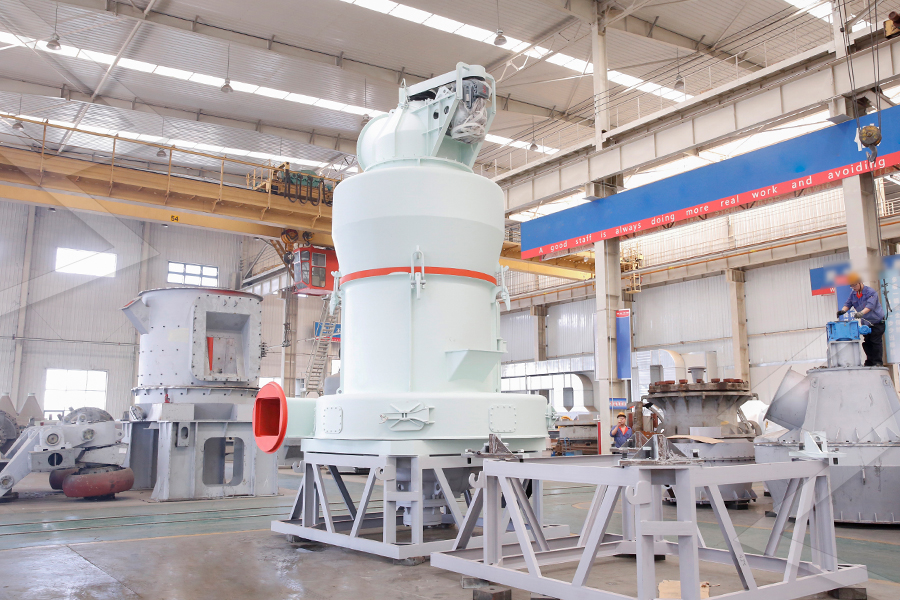
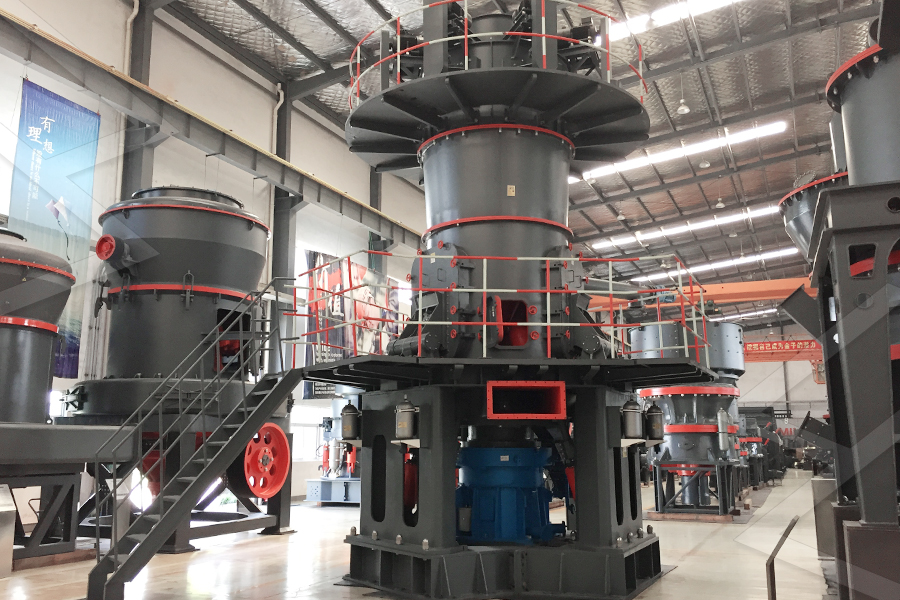
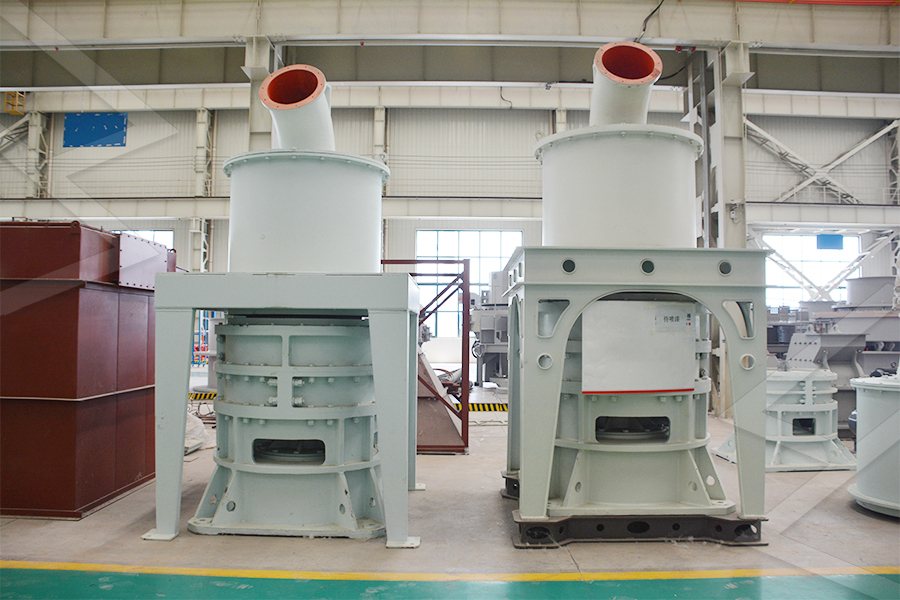
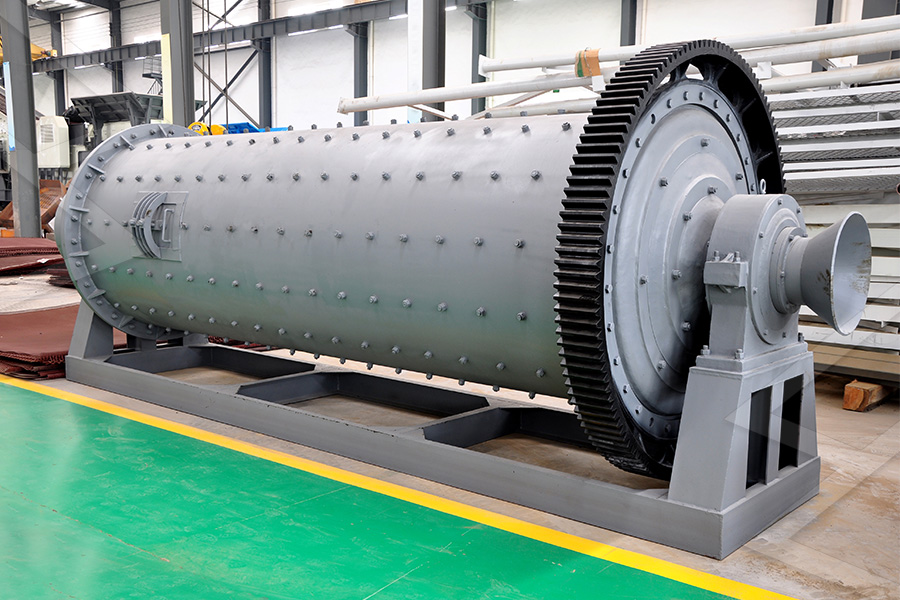
The core principle involves a chemical reaction where SO₂ is absorbed into an alkaline slurry. The process begins by grinding raw limestone (calcium carbonate, CaCO₃) into a fine powder, which is then mixed with water to create an absorbent slurry. This slurry is pumped into a large absorption tower, where the flue gas is introduced from below. As the gas rises through the tower, it comes into intimate contact with the falling slurry droplets. SO₂ dissolves in the water to form sulfurous acid, which immediately reacts with the suspended limestone particles to produce calcium sulfite.
A key feature of the process is forced oxidation. Air is blown into the reaction tank at the bottom of the absorber. This oxidizes the calcium sulfite (CaSO₃) into calcium sulfate dihydrate (CaSO₄·2H₂O), commonly known as gypsum. The gypsum slurry is then pumped out, dewatered in hydrocyclones and vacuum belt filters, and can be sold for use in wallboard manufacturing, cement production, or as a soil amendment. The cleaned flue gas, now with drastically reduced SO₂ content, is reheated to prevent condensation and discharged through the stack.
The system's major components include the limestone preparation and slurry system, the absorber tower with spray nozzles and mist eliminators, the oxidation air blowers, and the gypsum dewatering equipment. While the initial capital investment is significant, the process is highly effective at meeting stringent emissions regulations.
The ability to produce saleable gypsum helps offset operating costs, making it an economically and environmentally sustainable solution for large-scale SO₂ control, particularly in coal-fired power generation. Ongoing advancements focus on reducing energy consumption of the pumps and blowers, optimizing slurry chemistry to prevent scaling, and improving the quality of the by-product gypsum.
The ability to produce saleable gypsum helps offset operating costs, making it an economically and environmentally sustainable solution for large-scale SO₂ control, particularly in coal-fired power generation. Ongoing advancements focus on reducing energy consumption of the pumps and blowers, optimizing slurry chemistry to prevent scaling, and improving the quality of the by-product gypsum.