Environmental Performance of Vertical Mills: Reducing Carbon Footprint in Powder Processing
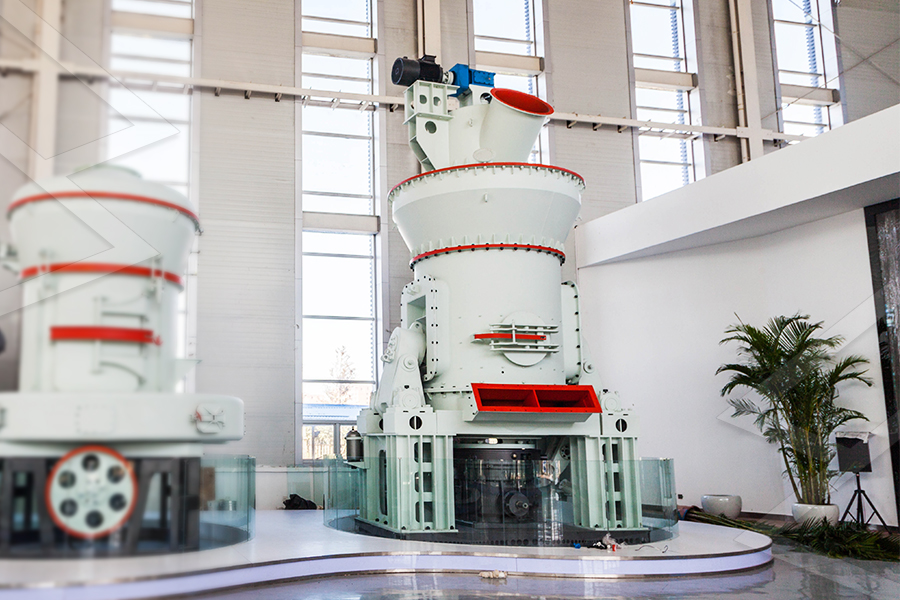
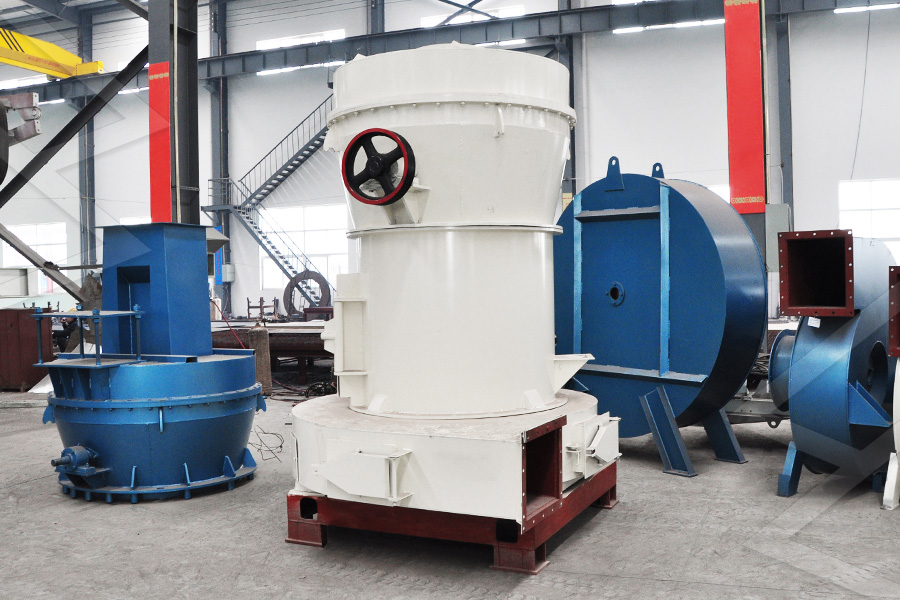
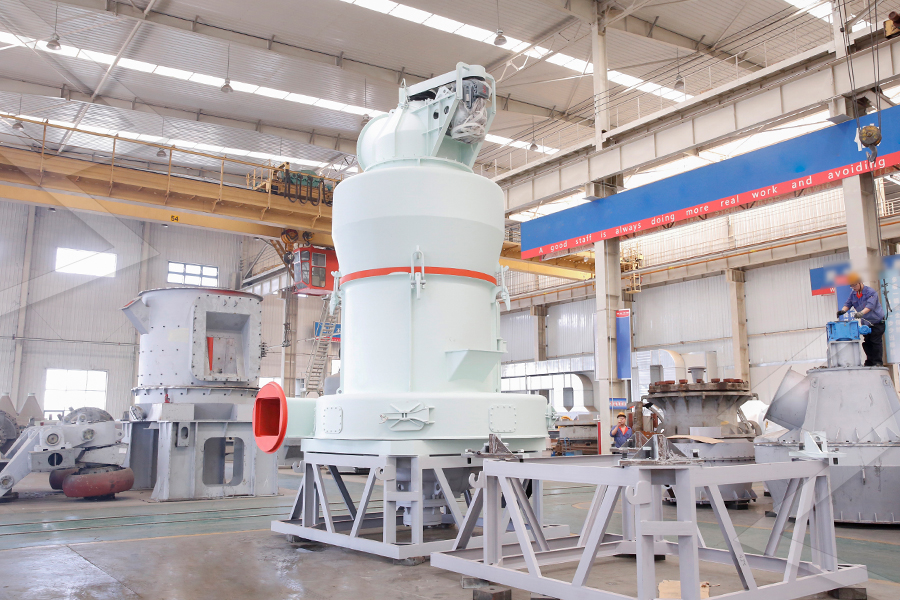
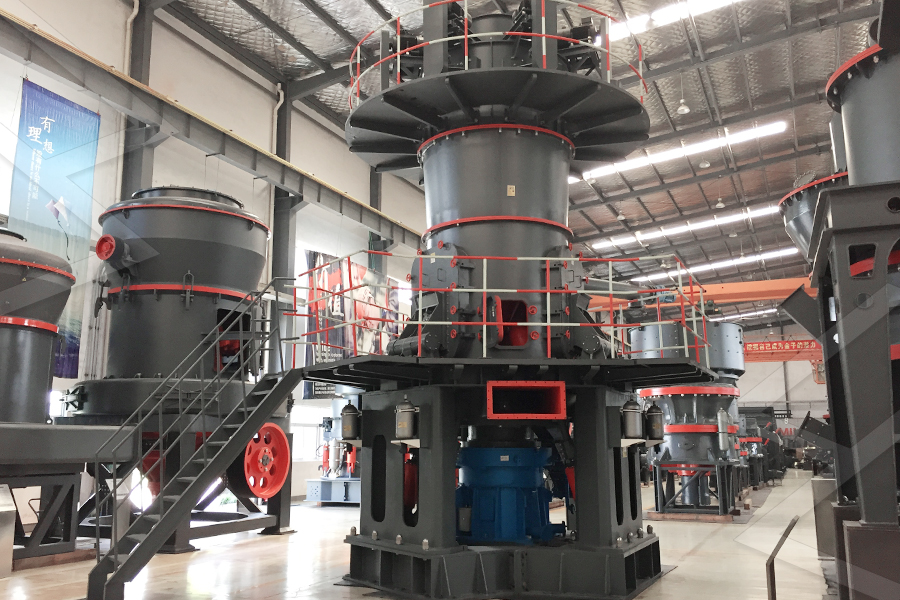
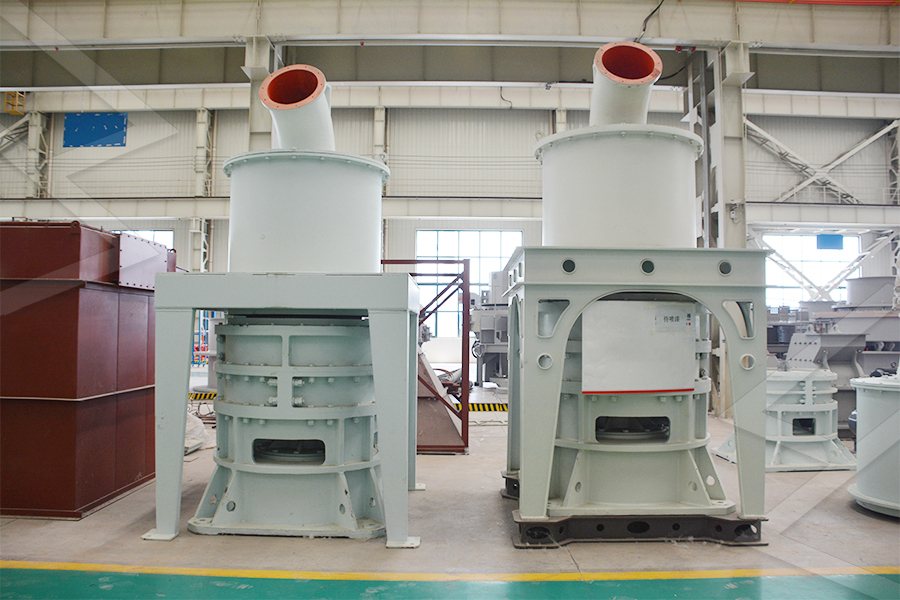
In an era of growing environmental awareness, the environmental performance of industrial equipment has become a key consideration. Vertical mills excel in this aspect, offering significant advantages in reducing carbon footprint and minimizing environmental impact compared to traditional grinding mills.
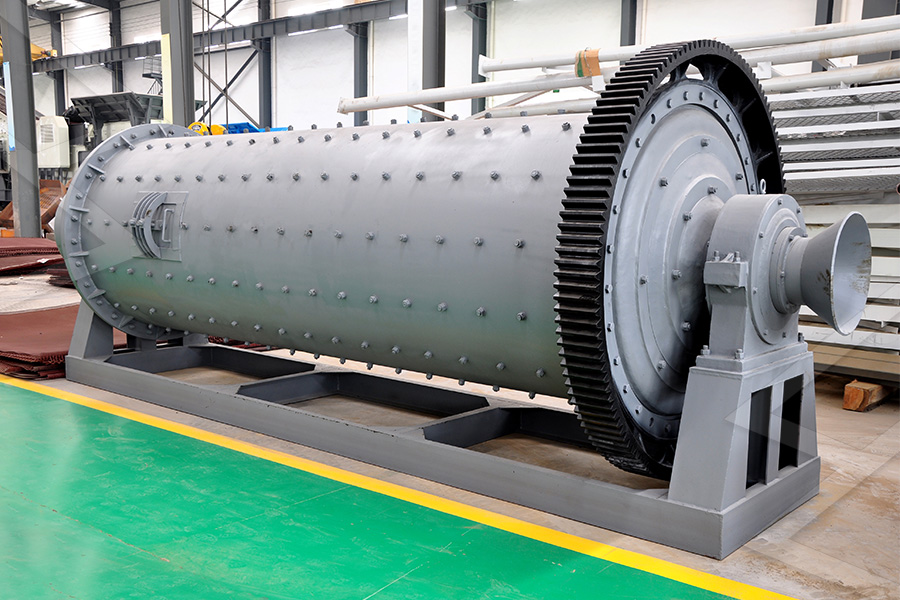
One of the primary environmental benefits is low noise emission. The rolling-type grinding mechanism of vertical mills generates far less noise than the impact-based grinding of ball mills. Most vertical mills operate at noise levels below 85 decibels, well within the industrial noise standards, creating a quieter working environment for employees and reducing noise pollution in surrounding areas.
Another notable feature is the efficient dust collection system integrated into vertical mills. The negative-pressure design inside the mill ensures that dust generated during grinding is fully captured by the dust collector, with collection efficiency reaching over 99%. This not only prevents dust from escaping into the atmosphere but also allows for the recovery of valuable powder, reducing material waste and air pollution.
Furthermore, vertical mills contribute to energy conservation, which in turn reduces carbon dioxide emissions. As mentioned earlier, they consume 20%-30% less energy than ball mills. For a large-scale cement plant, replacing ball mills with vertical mills can reduce annual electricity consumption by millions of kilowatt-hours, translating to a significant reduction in carbon emissions.