Material Adaptability of Vertical Mills: From Soft to Ultra-Hard Materials
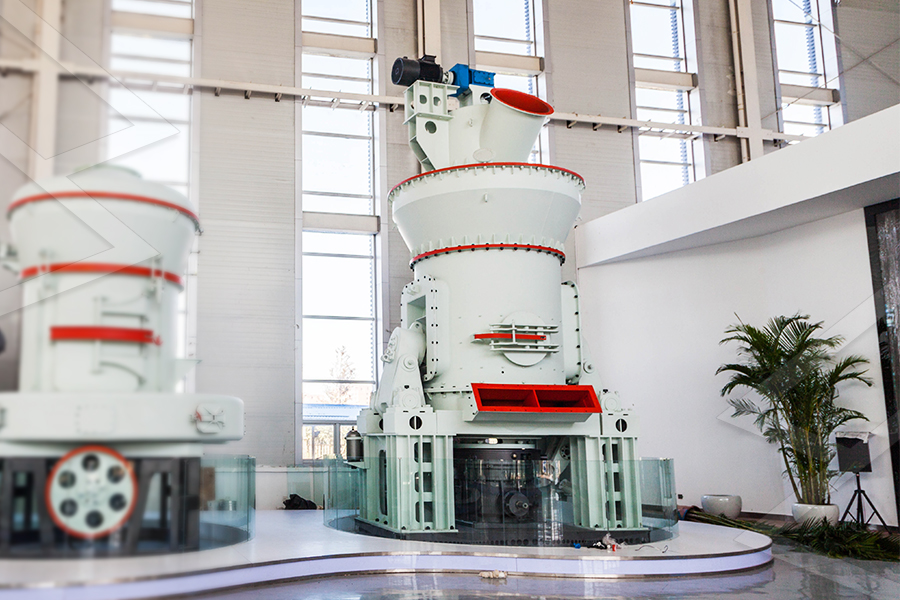
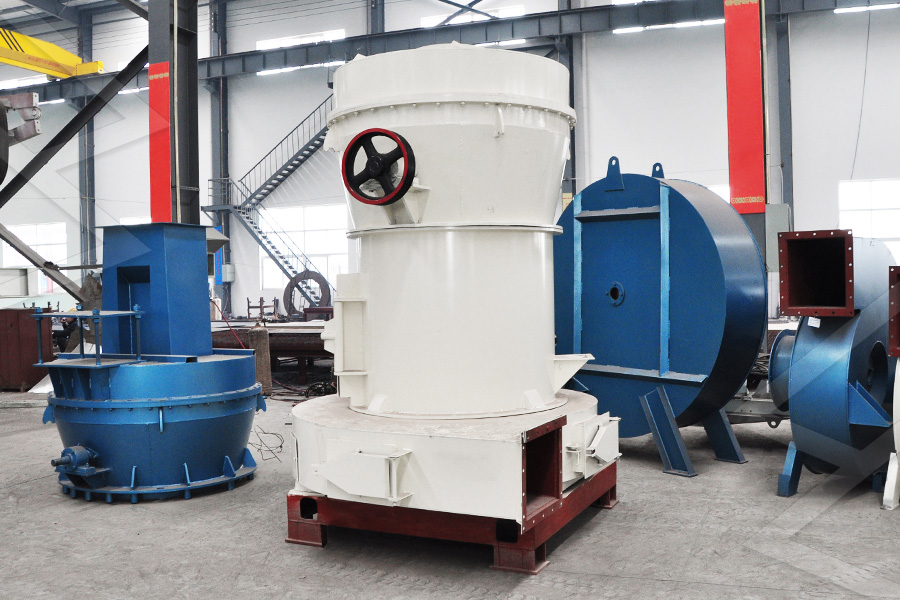
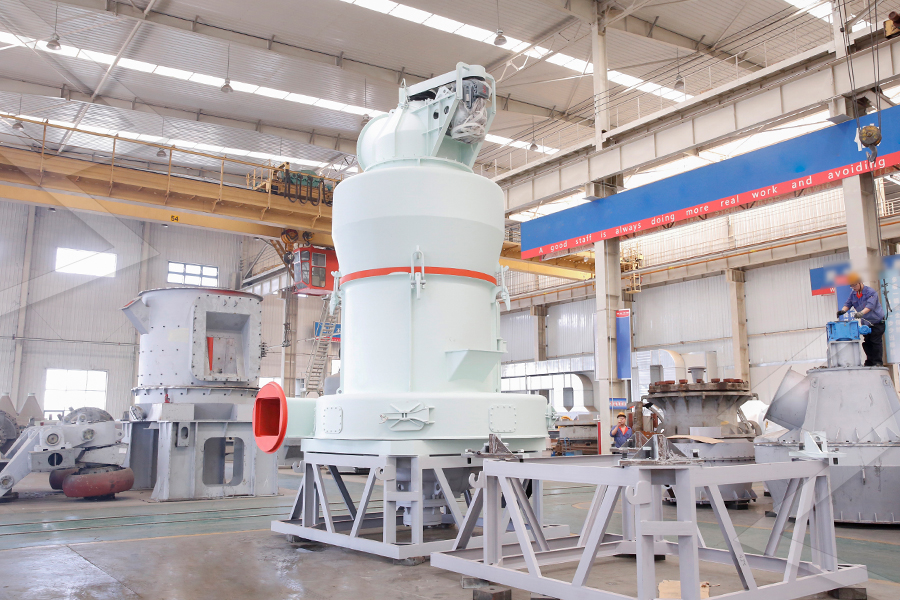
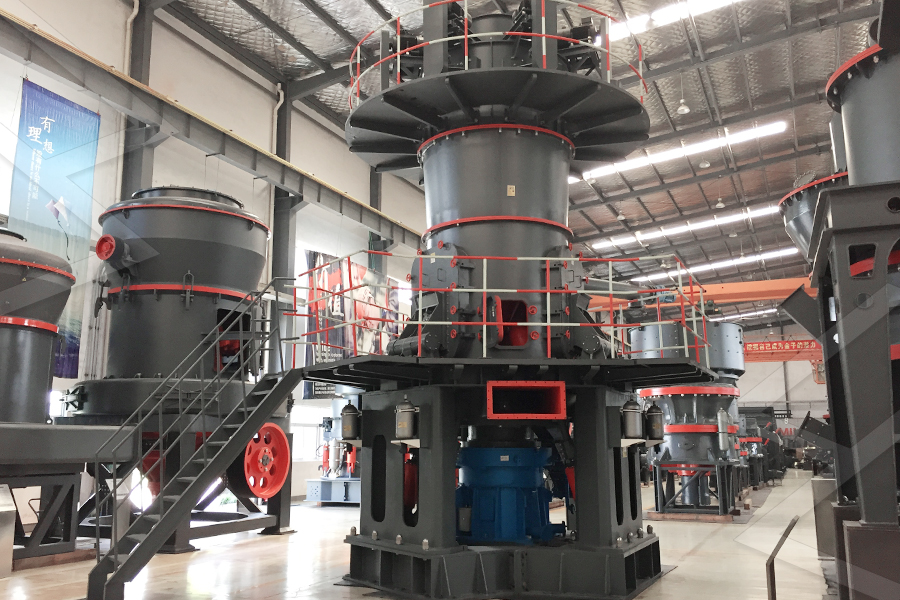
Vertical mills have gained widespread recognition for their exceptional material adaptability, making them a versatile choice across diverse industries. Unlike some grinding equipment limited to specific material hardness, vertical mills can efficiently process a broad spectrum, from soft minerals to ultra-hard rocks.
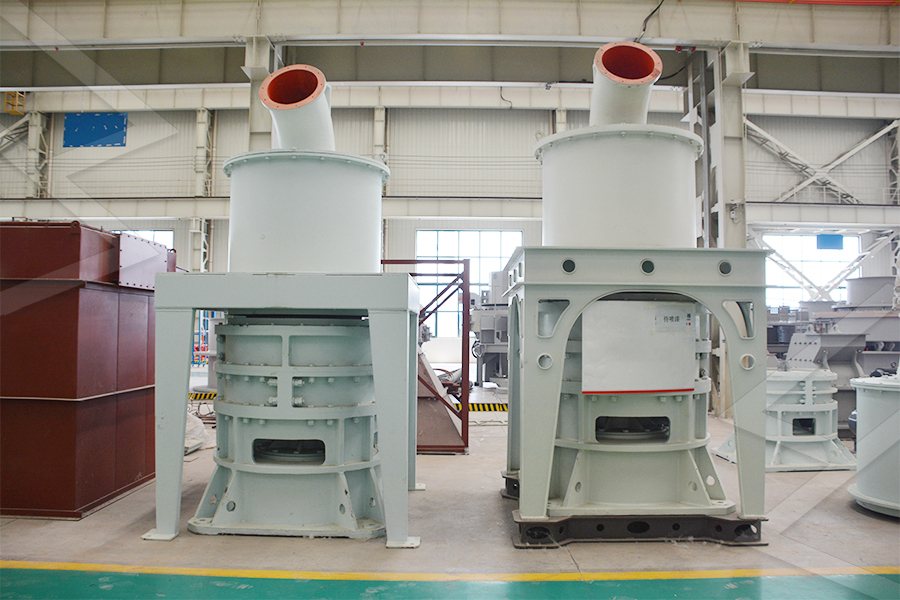
For soft materials such as gypsum and limestone (with Mohs hardness below 3), vertical mills operate with lower grinding pressure, ensuring gentle yet thorough grinding without excessive energy consumption. The rotating table and grinding rollers work in harmony to crush these materials into fine powders with uniform particle size, which is crucial for applications like gypsum board production.
When it comes to medium-hard materials like feldspar and quartz (Mohs hardness 5-7), vertical mills adjust their grinding parameters seamlessly. The hydraulic or spring-loaded grinding rollers apply increased pressure to break down the materials, while the integrated air classification system ensures that only particles meeting the required fineness are collected. This adaptability is vital in the ceramic and glass industries, where consistent powder quality directly impacts product performance.
Even for ultra-hard materials such as corundum and silicon carbide (Mohs hardness above 9), modern vertical mills equipped with wear-resistant components rise to the challenge. The grinding rollers and tables, made of high-strength composite materials, withstand intense abrasion. Additionally, the optimized grinding gap and high-pressure system enable efficient crushing, making vertical mills a reliable option in the production of advanced abrasives and refractory materials.