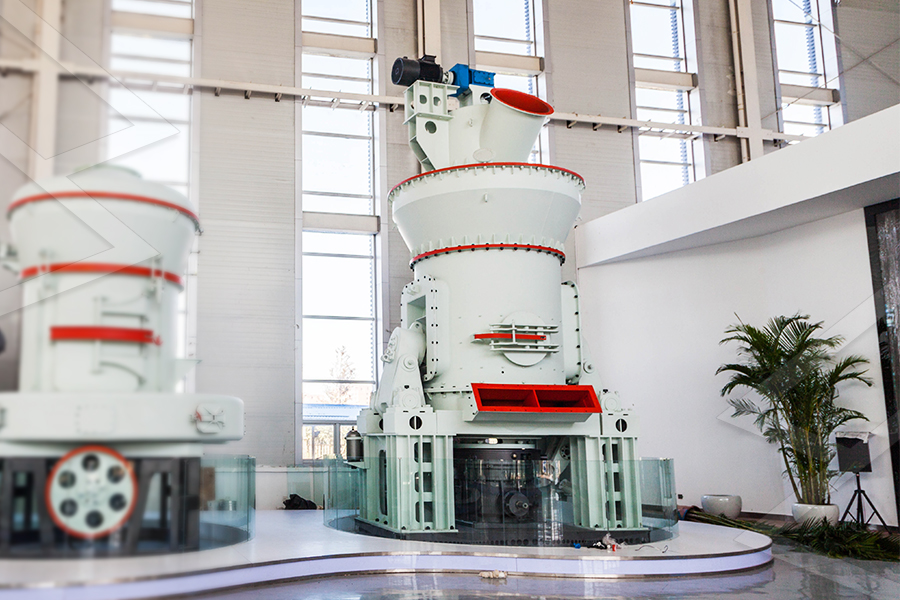
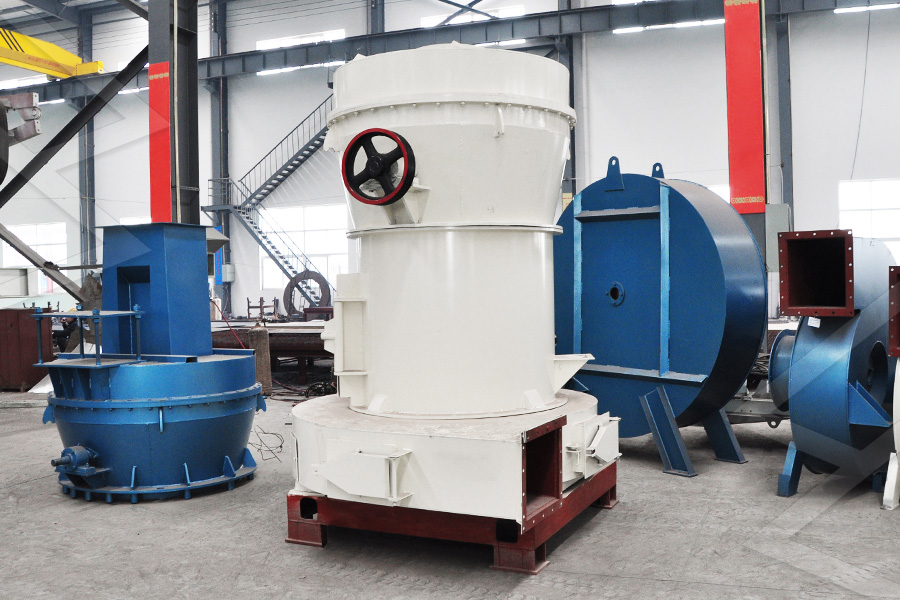
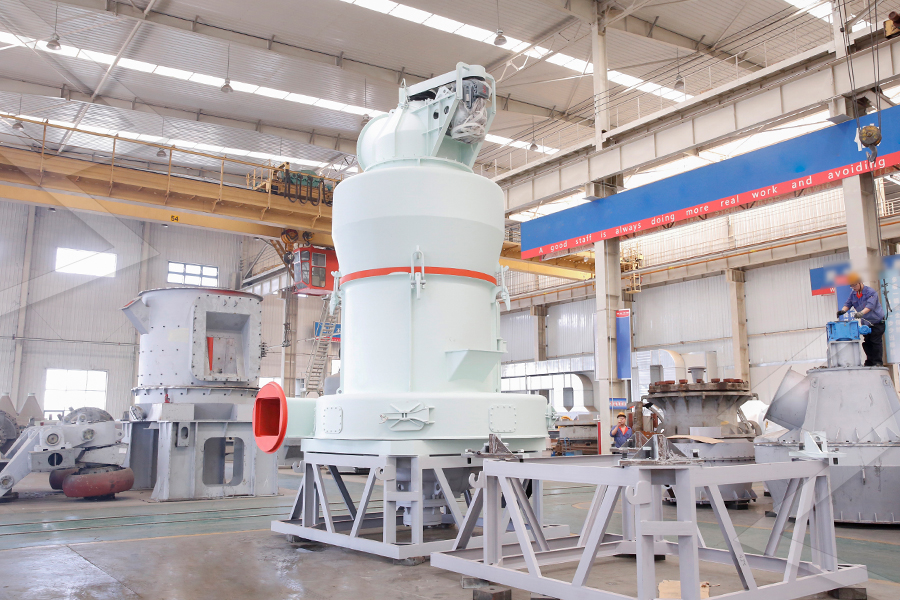
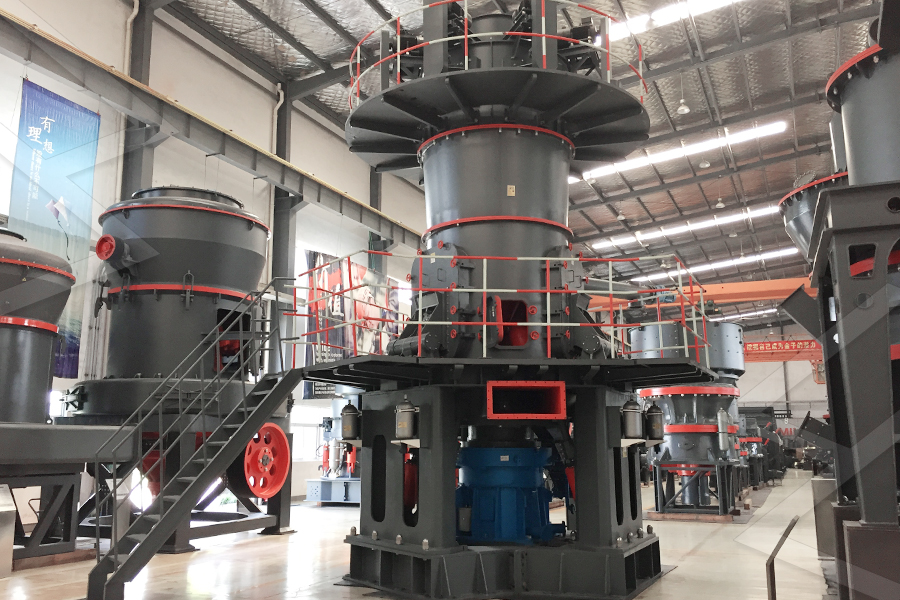
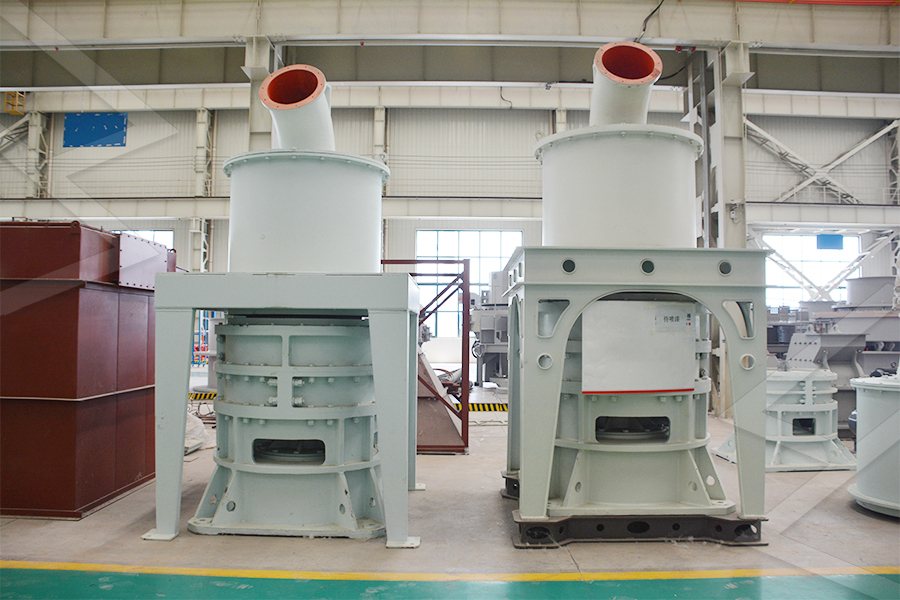
Some advanced vertical mills even integrate waste heat utilization systems, using waste heat from other production processes to dry materials, further enhancing energy efficiency and environmental friendliness.
The rapid development of the construction industry has driven the demand for high-performance new building materials, and vertical mills play a pivotal role in their production. From lightweight aggregates to green cement, vertical mills provide the necessary grinding solutions to meet the strict quality requirements of these materials.
In the production of lightweight aggregates, such as expanded perlite and vermiculite, vertical mills ensure precise control of particle size. These materials require a uniform and fine particle distribution to achieve excellent thermal insulation and sound absorption properties. The adjustable air flow and grinding pressure of vertical mills allow producers to tailor the particle size to specific application needs, resulting in lightweight aggregates with consistent performance.
For green cement, including geopolymer cement and fly ash-based cement, vertical mills are essential for grinding industrial by-products. Fly ash, slag, and other industrial wastes, which are key raw materials for green cement, need to be ground into fine powders to activate their pozzolanic activity.