Talc Grinding Processing – Meeting the High Standards of the Plastics and Cosmetics Industries
Talc is a soft non-metallic mineral with a lamellar structure, high whiteness, and good lubricity, which is widely used in plastics, cosmetics, pharmaceuticals, and other industries. Its grinding processing is a key link to realize its high-value utilization, as the fineness and lamellar structure of talc powder directly affect its performance in downstream products. The talc grinding project introduced here is located in a new material industrial park in eastern China, with a designed hourly output of 2-5 tph, an output fineness of 200-400 meshes, and a annual production capacity of 25,000 tons, focusing on the production of high-quality talc powder for the plastics and cosmetics industries.
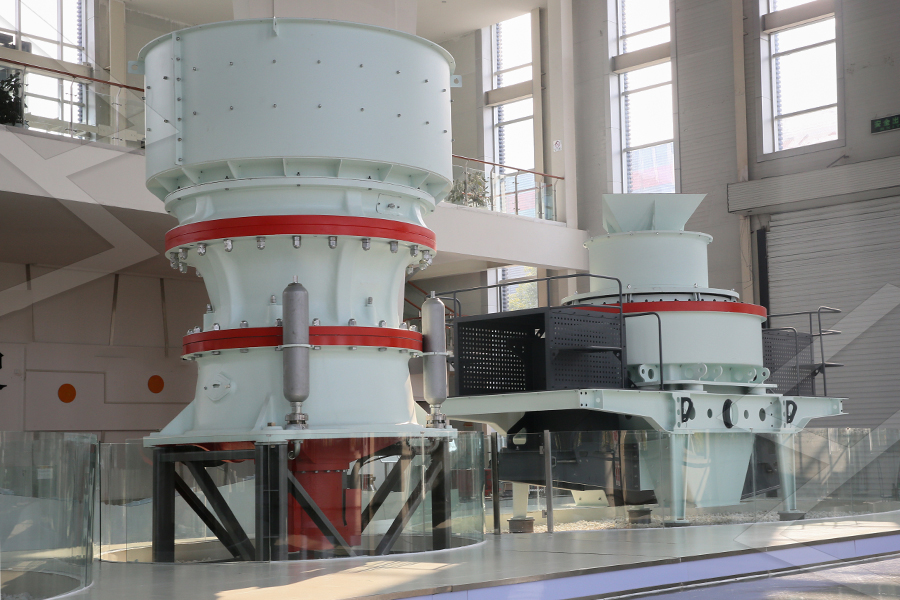
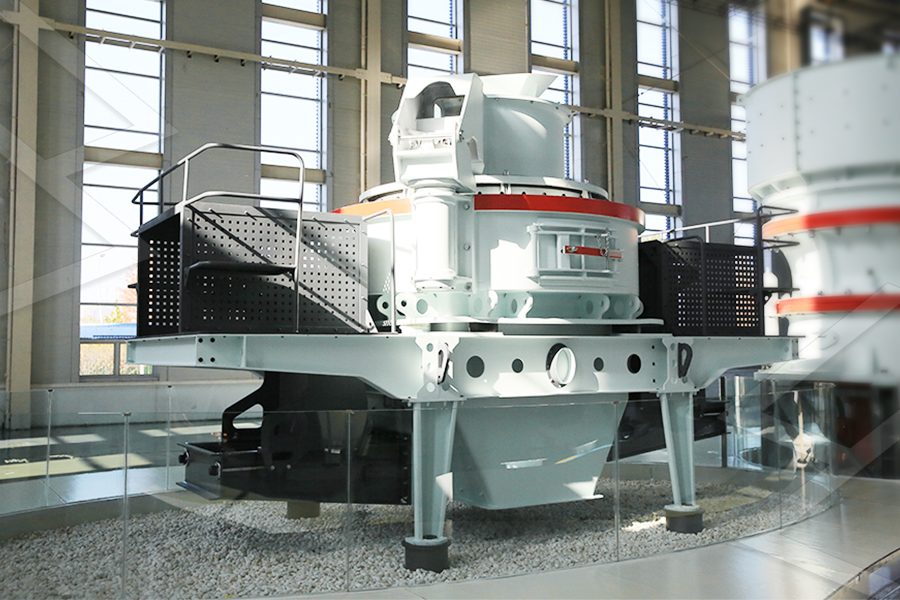
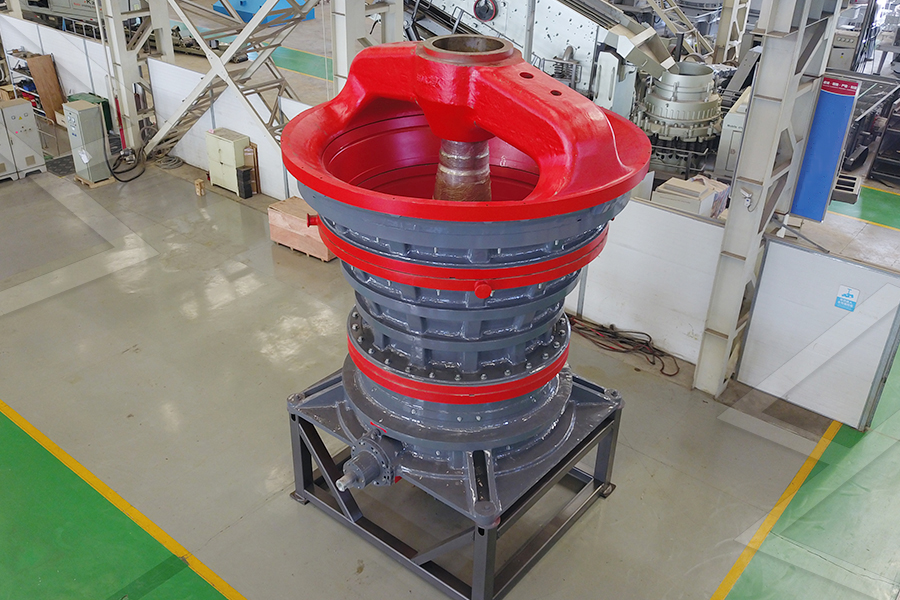
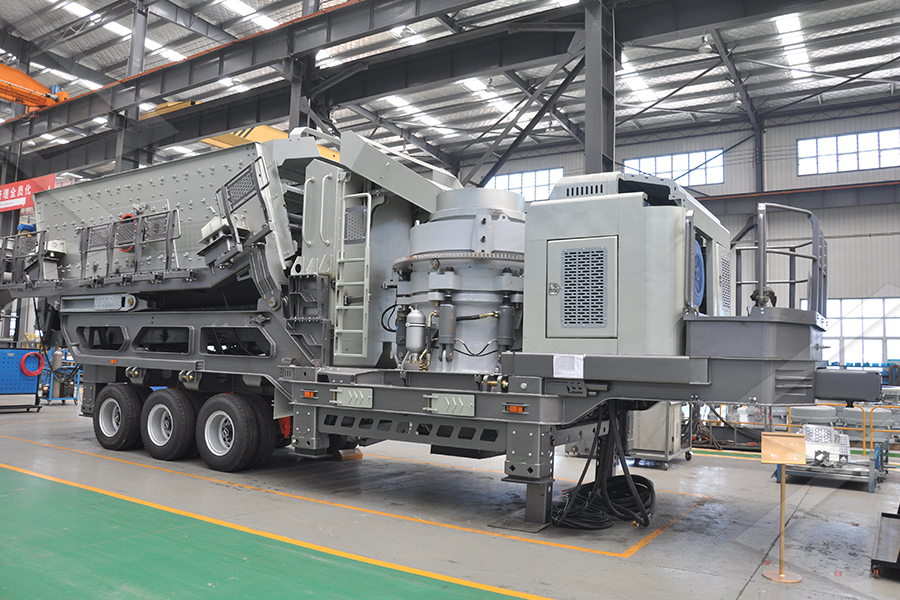
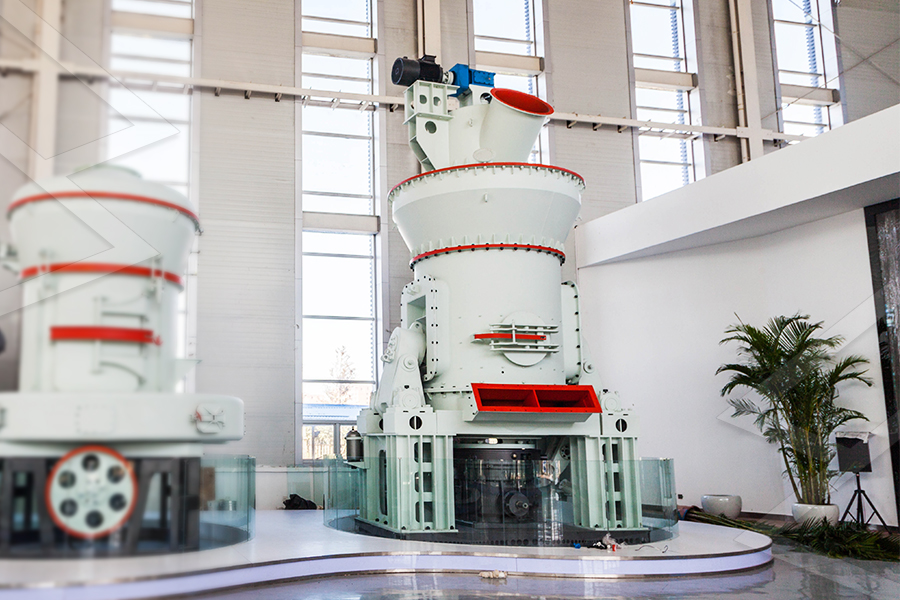
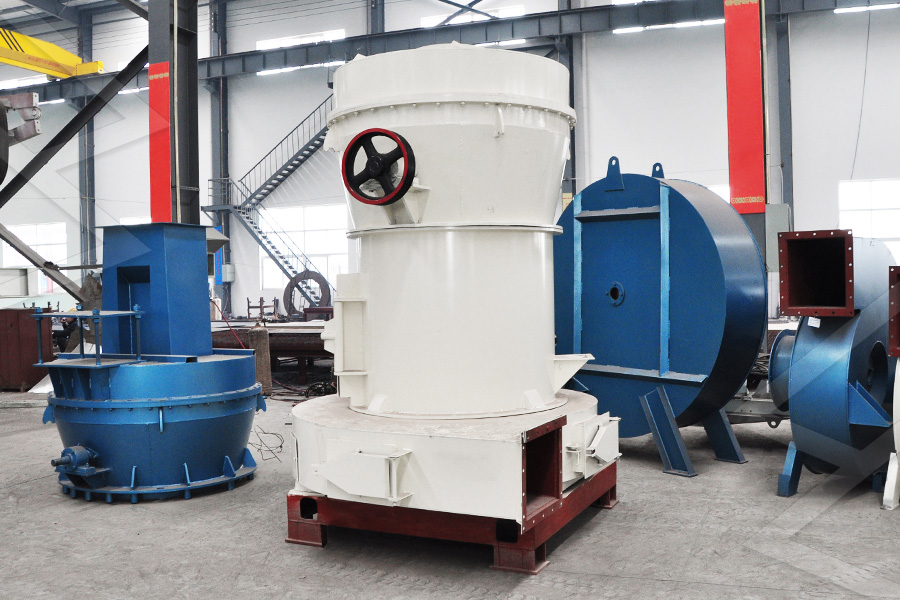
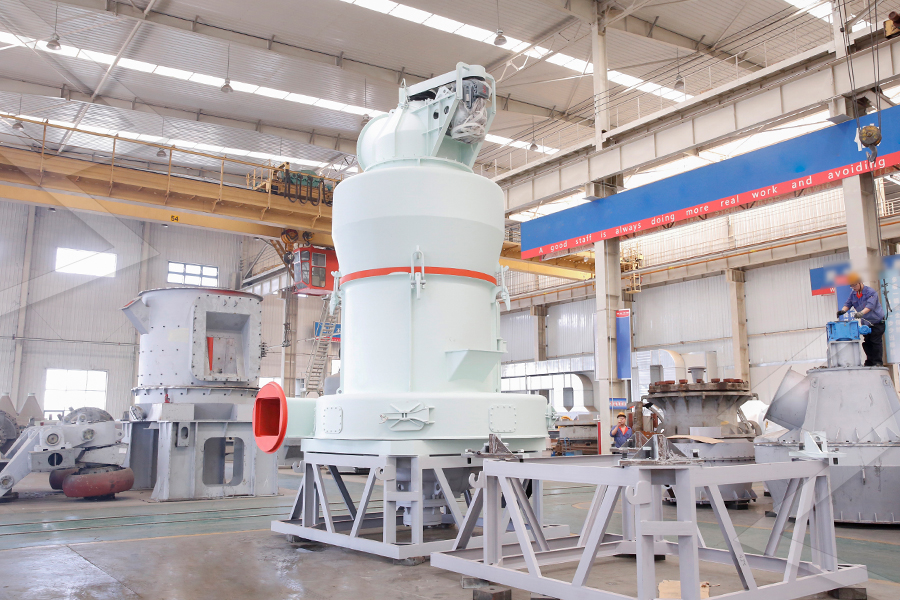
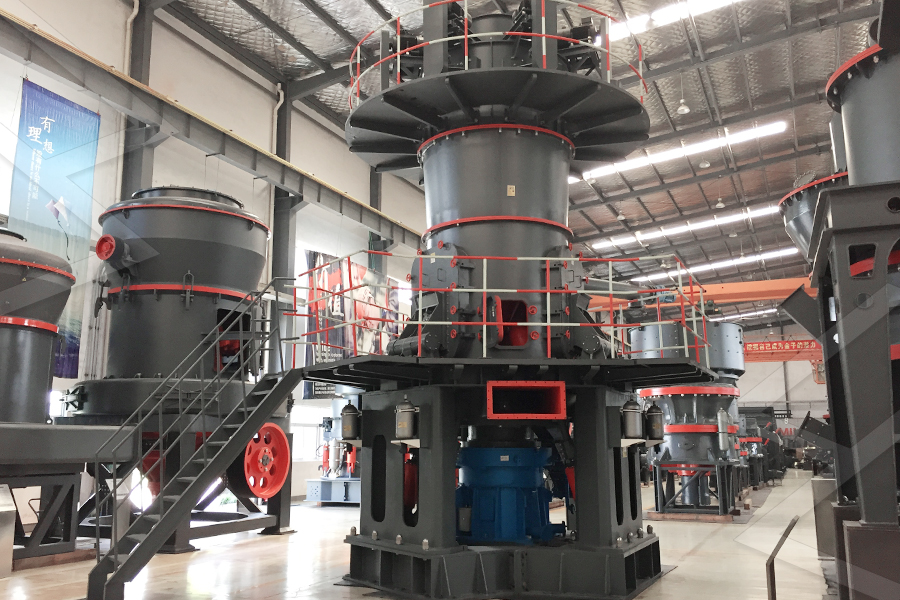
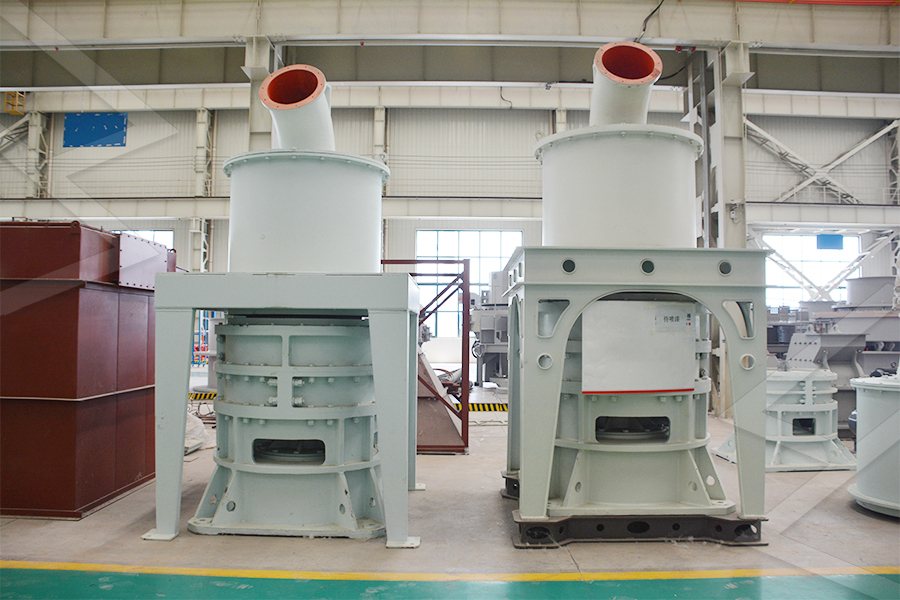
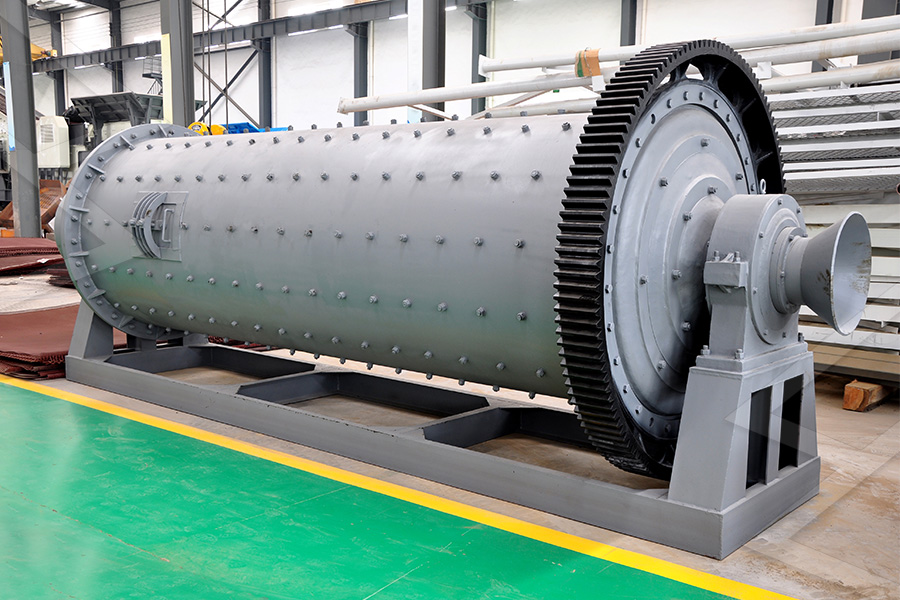
The project adopts advanced wet grinding equipment and a strict purification process to ensure the high quality of the talc powder. The processing process is as follows: the raw talc ore is first crushed into particles of less than 10mm by a crusher, then sent to a purification system to remove impurities such as iron and quartz, ensuring that the whiteness of the talc ore reaches more than 90%. Then, the purified talc ore is sent to the wet mill for grinding, and the slurry is filtered and dried to obtain talc powder. The wet grinding process can effectively maintain the lamellar structure of talc, ensuring the lubricity and dispersibility of the talc powder. The air classifier can accurately control the fineness of the product, meeting the different requirements of downstream industries.
The talc powder produced by this project has high quality and diverse uses. When the output fineness is 200-300 meshes, it is used in the plastics industry as a filler, which can improve the toughness, wear resistance, and processing performance of plastics, and reduce production costs. When the fineness reaches 300-400 meshes, it is used in the cosmetics industry as an additive, which is added to powders, creams, and other cosmetics, with good lubricity and skin-friendly performance. In addition, it is also used in the pharmaceutical industry as a raw material for pharmaceutical excipients, which can improve the flowability and stability of drugs, with high market value.
The project attaches great importance to quality control and environmental protection. The entire production process is carried out in accordance with national standards, and each batch of finished products will be tested for whiteness, fineness, and impurity content to ensure that they meet the requirements of the plastics and cosmetics industries. The production line is equipped with a full-set environmental protection equipment, and the waste water and dust generated during the production process are treated and discharged in accordance with national standards. The project also adopts energy-saving equipment and technology, reducing energy consumption and production costs. With the continuous development of the plastics and cosmetics industries, the market demand for high-quality talc powder is increasing, and this project has broad development prospects.