Gypsum Grinding Project (1.2 TPH, 400 Mesh)
This small-scale gypsum grinding project is specialized in producing high-purity, food-grade and medical-grade gypsum powder, catering to the strict requirements of the food and medical industries. Located in Shandong Province, China—a major gypsum-producing region—the project produces 400-mesh gypsum powder at 1.2 TPH, supplying local food processing and medical equipment manufacturers. The powder is used as a food additive (anti-caking agent) and in the production of medical casts, adhering to national and international quality standards.
The raw gypsum used in the project is high-quality natural gypsum (CaSO₄·2H₂O ≥99%), sourced from a local mine with strict quality control to ensure no heavy metal contamination (lead <5 ppm, arsenic <3 ppm). The raw gypsum arrives at the project site as 50-100mm lumps, which undergo a rigorous multi-step pretreatment process to achieve food and medical grade purity. First, the lumps are crushed to 20-30mm using a jaw crusher (PE300×500) with a ceramic liner to avoid metal contamination. The crushed gypsum is then soaked in deionized water for 3 hours, followed by high-speed stirring to remove surface impurities and soluble salts.
After washing, the gypsum is dried in a vacuum oven at 90°C for 5 hours to reduce the moisture content to less than 0.1%, preventing agglomeration during grinding. A high-intensity magnetic separator (15,000 gauss) is used to remove any remaining iron particles (≤0.1 ppm), which is critical for medical and food applications. The production workshop is designed as an ISO Class 7 cleanroom, equipped with HEPA filters to control dust and maintain a contamination-free environment, ensuring the powder meets hygiene standards.
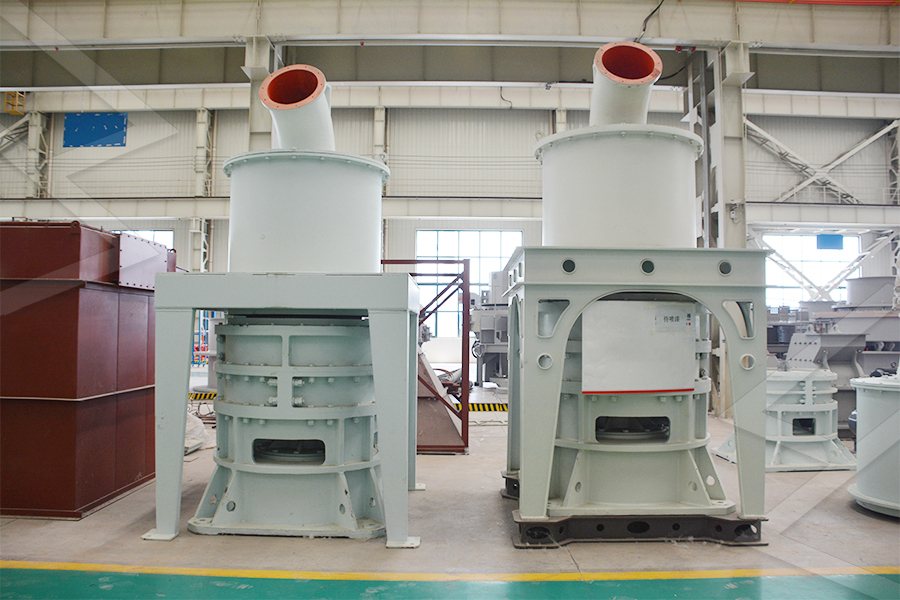
The grinding process uses an airflow mill (jet mill) with a ceramic grinding chamber (alumina, 99.9% purity), which is ideal for processing high-purity gypsum without metal contamination. The airflow mill operates at 8-10 bar air pressure, generated by an oil-free, dry air compressor to avoid oil and moisture contamination. The 20-30mm gypsum particles are fed into the mill at 1.2 TPH, and the high-velocity air causes the particles to collide with each other, grinding them into fine powder.
A two-stage air classifier is used to separate particles finer than 400 mesh (38 μm); the first stage removes oversize particles (>400 mesh) for regrinding, while the second stage collects the 400-mesh powder via a high-precision cyclone. A HEPA filter (class H14) captures ultra-fine particles, ensuring no product loss and maintaining cleanroom conditions. The final powder undergoes strict quality testing, meeting China’s national food safety standard (GB 1892-2007) and medical device standard (YY/T 0242-2017). In the food industry, it is used as an anti-caking agent in powdered foods (such as milk powder and seasoning), preventing clumping and improving flowability. In the medical industry, it is used to make medical casts, which are lightweight, breathable, and easy to remove. The project has a total investment of 2.5 million yuan, a payback period of 2 years, and creates 8 local jobs, providing a high-value-added solution for gypsum processing.