Dolomite Grinding Project (28 TPH, 120 Mesh)
Dolomite (CaMg(CO₃)₂) is a valuable non-metallic mineral with high CaO and MgO content, making it an essential raw material in the glass industry. It acts as a flux in glass melting, lowering the melting temperature, improving glass transparency and strength, and reducing production costs. This large-scale dolomite grinding project, located in Jiangsu Province, China—a major glass production hub—produces 120-mesh dolomite powder at 28 TPH, supplying a nearby large-scale glass factory with an annual production capacity of 500,000 tons of float glass.
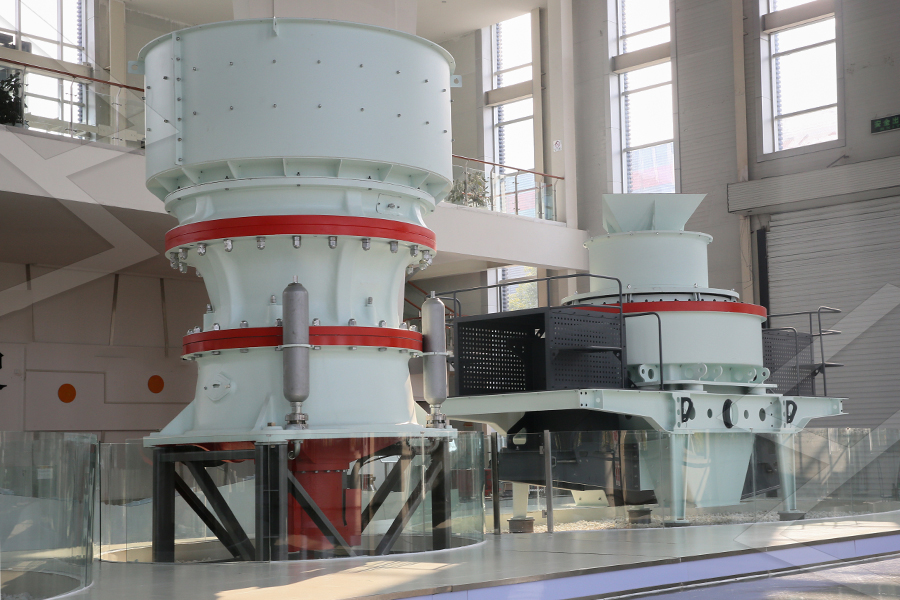
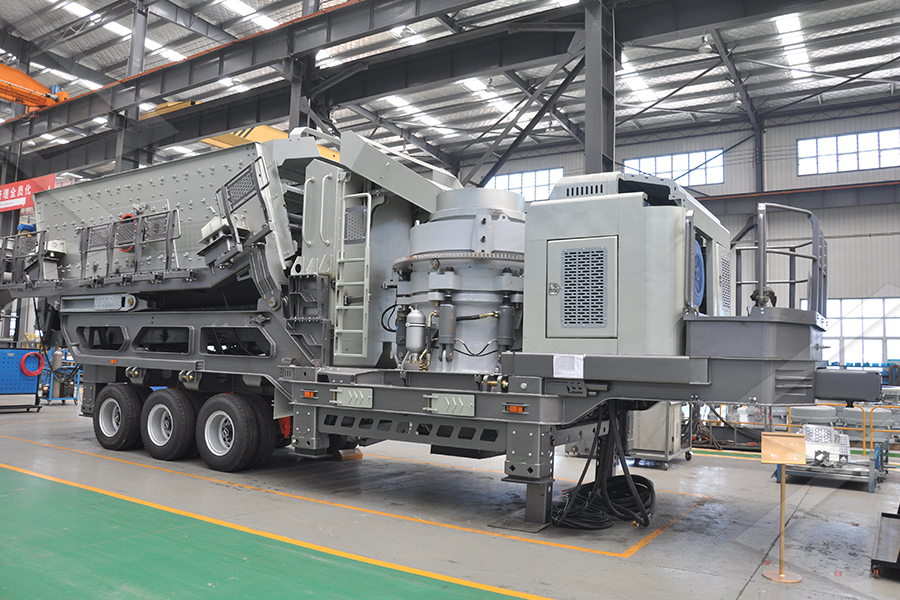
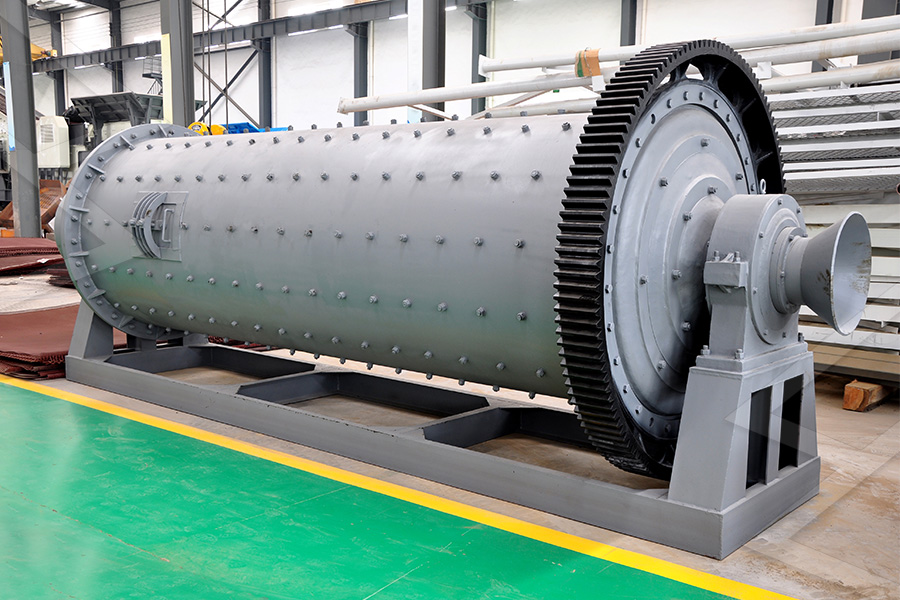
The raw dolomite used in the project is sourced from Shanxi Province, known for its high-quality dolomite deposits with a chemical composition of CaO 30-32%, MgO 20-22%, and SiO₂ 2-3%. The raw dolomite arrives at the project site as 200-300mm blocks, which undergo a two-stage crushing process to reduce the particle size to 10-15mm. First, a jaw crusher (PE750×1060) crushes the blocks to 50-80mm, then a cone crusher (CSB315) further crushes them to 10-15mm, ensuring the feed size is optimal for the grinding mill.
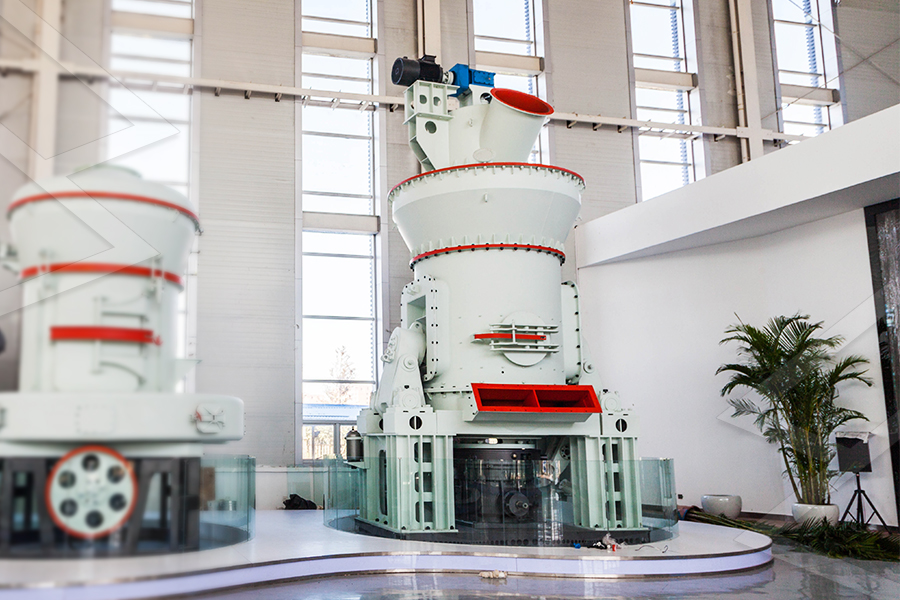
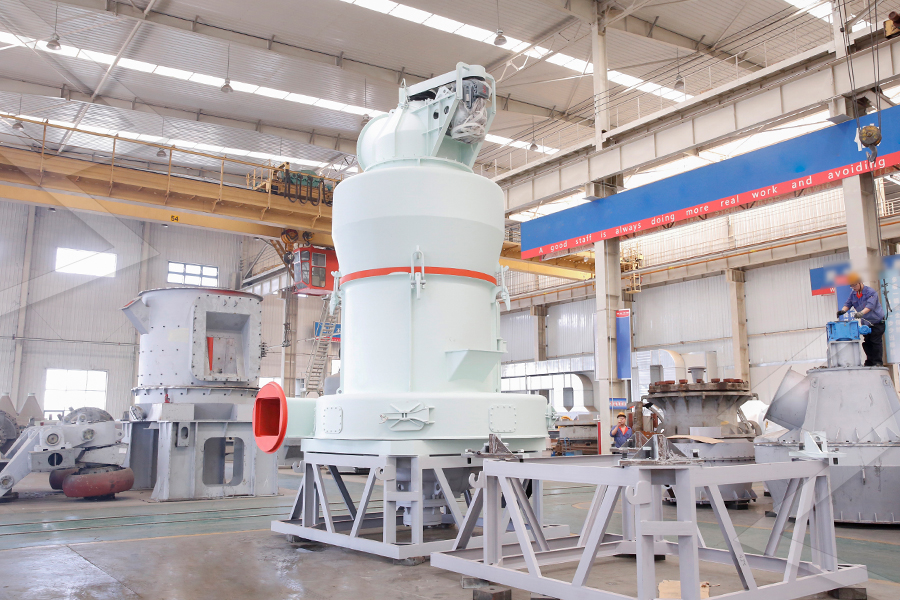
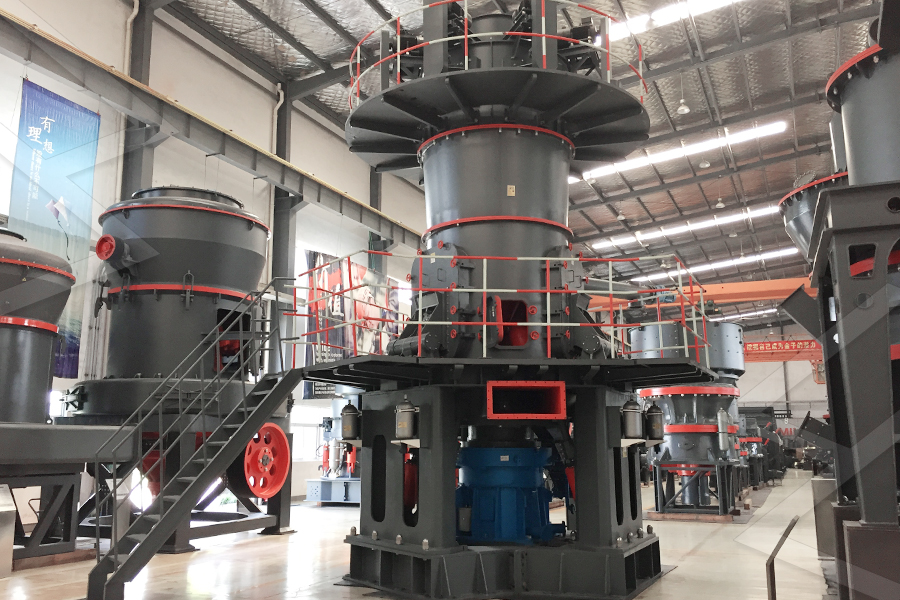
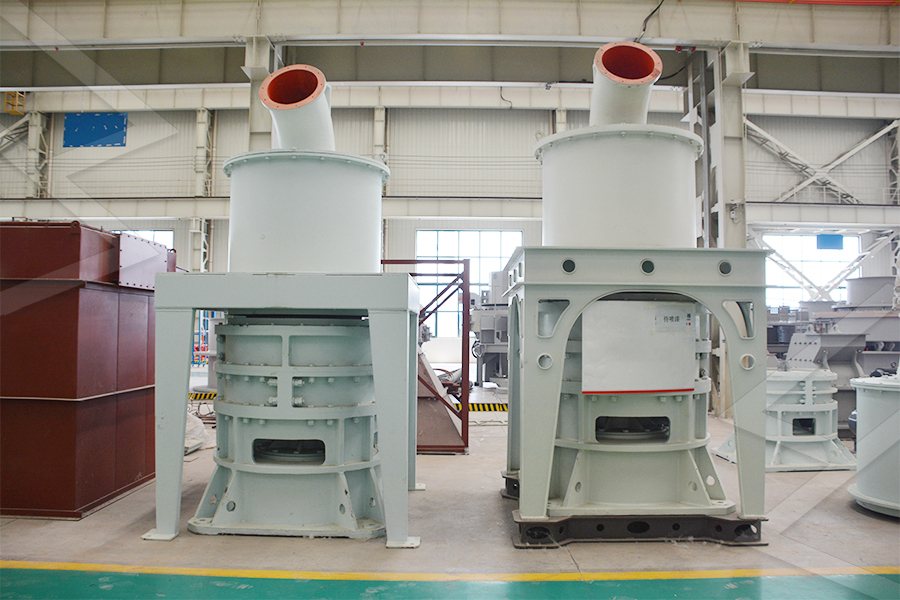
After crushing, the 10-15mm dolomite particles are conveyed to a 500-ton silo, which maintains a continuous and stable feed to the core grinding equipment: a vertical roller mill (LM5600). The vertical roller mill is selected for its high efficiency, large capacity, and low energy consumption, making it ideal for large-scale dolomite grinding. The mill features a grinding table and five hydraulic rollers, operating at a rotational speed of 25 rpm, which grinds the dolomite particles into fine powder efficiently.
Hot air (180-200°C) is blown into the vertical roller mill to dry the dolomite powder, reducing the moisture content from 5-7% to less than 0.5%, preventing agglomeration and ensuring uniform particle size. An integrated air classifier separates particles finer than 120 mesh (125 μm) from coarser particles; the coarser particles are recycled back to the grinding table for regrinding, forming a closed-loop system that guarantees consistent fineness. The 120-mesh powder is collected by a high-efficiency pulse bag filter with a dust collection efficiency of 99.95%, complying with China’s national environmental standards (dust emission ≤10 mg/m³).
The project has a daily output of 672 tons of dolomite powder, which fully meets the demand of the nearby glass factory. In float glass production, the 120-mesh dolomite powder accounts for 15-20% of the raw material mix, lowering the glass melting temperature from 1500°C to 1350-1400°C, reducing energy consumption by 25% and saving approximately 4 million yuan per year in energy costs. The powder also improves the glass’s transparency and impact strength, reducing the glass breakage rate during production. The project has a total investment of 12 million yuan and a designed service life of 20 years, incorporating energy-saving and environmental protection measures such as waste heat recovery and noise reduction, making it a model for large-scale dolomite processing in the glass industry.