Carbon Black Grinding Project (3 TPH, 350 Mesh)
Carbon black is a fine black powder composed of elemental carbon, produced by the incomplete combustion or thermal decomposition of hydrocarbons. It is a critical functional additive in the rubber and ink industries, known for its ability to improve rubber wear resistance and enhance ink color fastness. This project, located in Shanghai, China—a major manufacturing and logistics hub—focuses on grinding carbon black into 350-mesh powder with a production capacity of 3 TPH, supplying local rubber and ink manufacturers with high-quality, uniform powder.
The raw carbon black used in the project is industrial-grade carbon black (N330), sourced from a nearby petrochemical plant, with a particle size of 10-20 μm, a specific surface area of 80-100 m²/g, and a moisture content of 1-2%. The raw carbon black is highly cohesive, so it undergoes a pretreatment process to prevent agglomeration during grinding. First, the raw carbon black is mixed with a small amount of dispersant (0.5% of the total weight) to reduce cohesion, then dried in a hot air dryer at 100°C for 2 hours to reduce the moisture content to less than 0.5%.
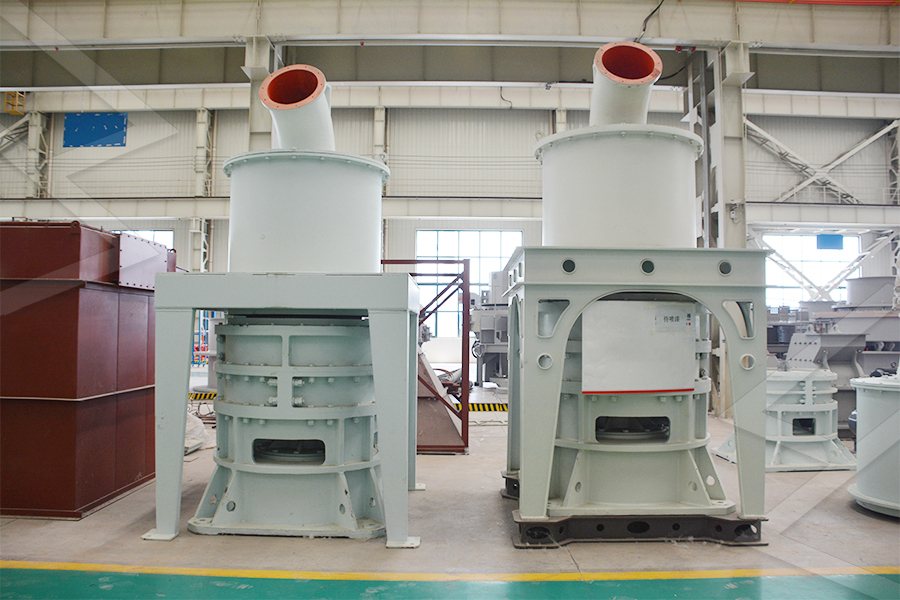
After pretreatment, the carbon black is conveyed to a 100-ton silo, equipped with a screw feeder to control the feed rate to the grinding system. The project uses a jet mill (airflow mill), which is the preferred equipment for carbon black grinding due to its ability to produce fine, uniform powder and avoid mechanical contamination. The jet mill features a stainless steel grinding chamber, operating at 8-10 bar air pressure, generated by a high-pressure air compressor.
The carbon black is fed into the jet mill at 3 TPH, where high-velocity air jets accelerate the particles, causing them to collide with each other and the grinding chamber walls, breaking them into finer particles. An air classifier, integrated into the jet mill, is set to separate particles finer than 350 mesh (41 μm); the classifier’s impeller speed is adjustable (1800-2000 rpm) to ensure consistent fineness. The 350-mesh carbon black powder is collected by a cyclone separator and a pulse bag filter, with a total collection efficiency of 99.9%, ensuring no product loss and minimal dust emission.
The project uses a closed-loop production system to prevent dust leakage: the entire grinding process is enclosed, and the air used in the jet mill is recycled after dust removal, reducing energy consumption and environmental impact. The 350-mesh carbon black powder has uniform particle size, with a uniformity coefficient (d90/d10) of less than 2.4, meeting the strict requirements of the rubber and ink industries. In the rubber industry, the powder acts as a reinforcing agent in tire production, improving tire wear resistance by 30% and extending service life. In the ink industry, it is used as a pigment, enhancing ink color intensity and water resistance, ensuring the ink does not fade easily. The project complies with China’s environmental standards, with dust emission ≤5 mg/m³, and has a total investment of 4 million yuan, a payback period of 1.8 years, making it a cost-effective and environmentally friendly solution for carbon black processing.