Fluorite Grinding Project (5 TPH, 325 Mesh)
Fluorite (CaF₂), also known as fluorspar, is a versatile non-metallic mineral with high chemical stability and excellent flux properties, making it indispensable in the metallurgy, chemical, and optical industries. This project, located in Inner Mongolia, China—a major fluorite-producing region with high-purity deposits—focuses on processing fluorite into 325-mesh powder with a production capacity of 5 TPH. The powder is primarily used as a flux in steelmaking and as a raw material for hydrofluoric acid production, catering to the needs of large-scale metallurgical and chemical enterprises in northern China.
The raw fluorite used in the project is high-purity fluorite ore with a CaF₂ content of ≥95%, SiO₂ content ≤2%, and other impurities (Al₂O₃, Fe₂O₃) ≤1%, sourced from a local mine with proven reserves of over 5 million tons. The raw fluorite arrives at the project site as 50-100mm lumps, which undergo a rigorous pretreatment process to ensure high product purity. First, the lumps are crushed to 20-30mm using a jaw crusher (PE400×600), then sorted to remove gangue and other impurities. A high-intensity magnetic separator (12,000 gauss) is used to remove iron impurities, reducing the Fe₂O₃ content to ≤0.5%, which is critical for hydrofluoric acid production (iron impurities can corrode equipment).
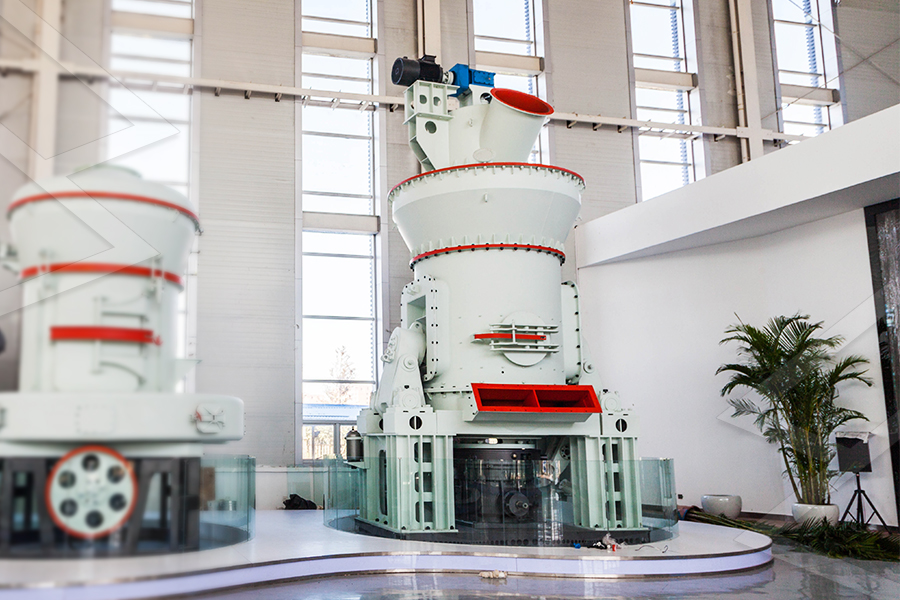
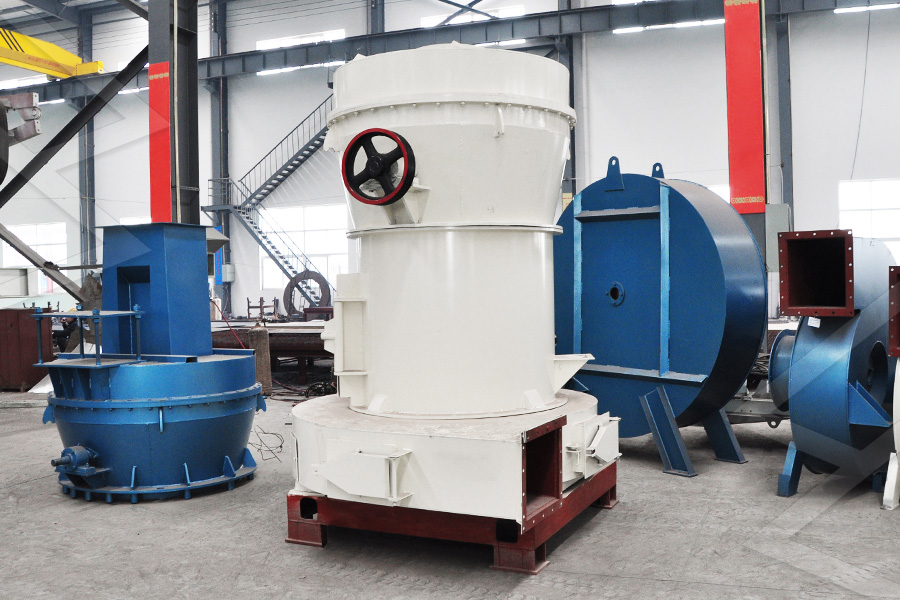
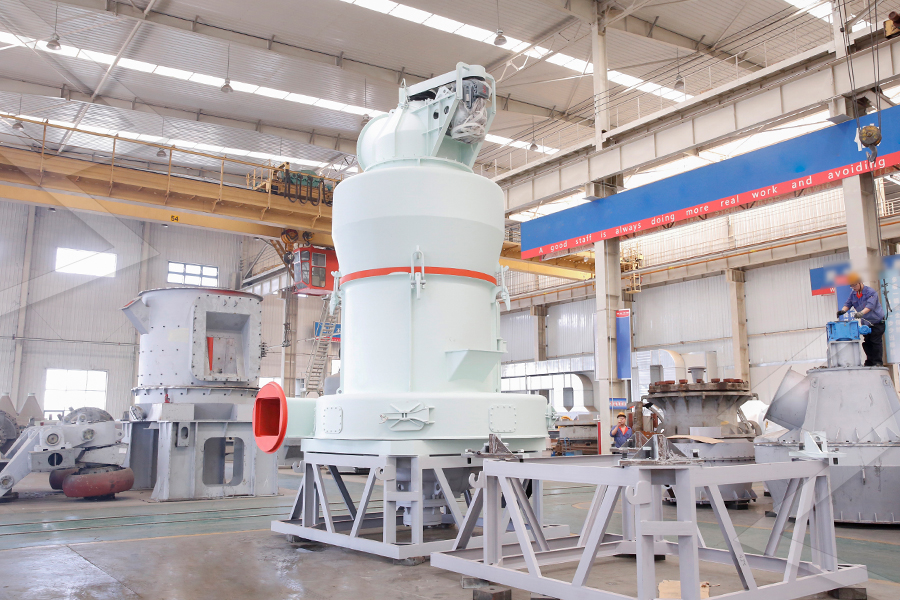
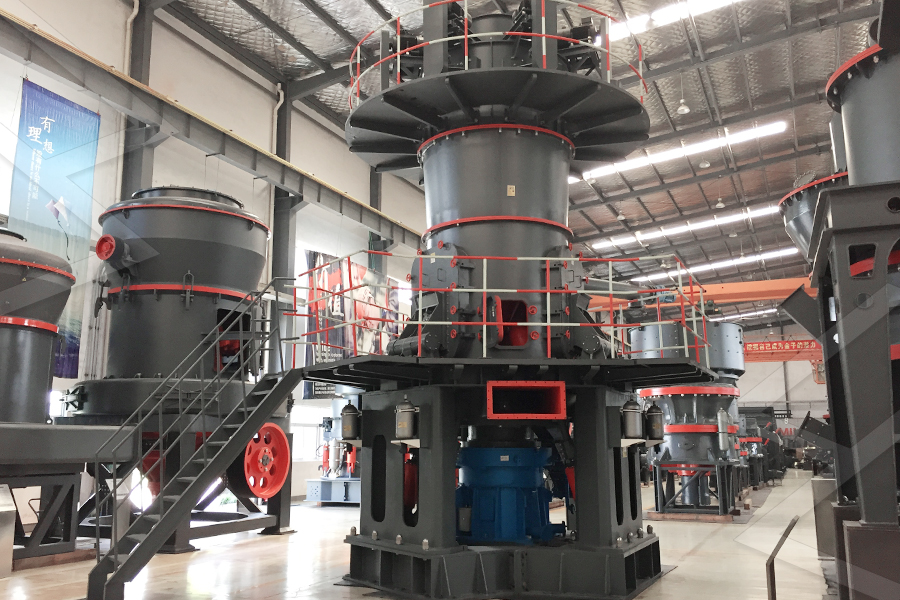
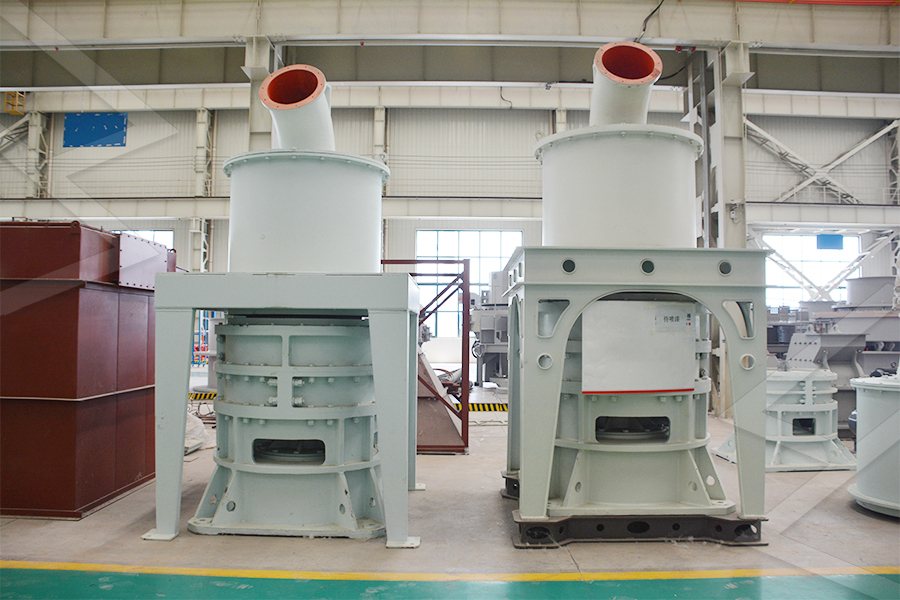
After pretreatment, the 20-30mm fluorite particles are stored in a 150-ton silo, equipped with a vibratory feeder to control the feed rate to the grinding system. The project uses an airflow mill (jet mill), which is ideal for fluorite grinding due to its ability to produce high-purity, uniform powder without metal contamination. The airflow mill features a ceramic-lined grinding chamber (alumina, 99.9% purity) to avoid contact between fluorite and metal surfaces, ensuring the powder’s purity is not compromised.
The airflow mill operates at 9-11 bar air pressure, generated by an oil-free, dry air compressor to prevent oil and moisture contamination. The 20-30mm fluorite particles are fed into the mill at 5 TPH, and the high-velocity air causes the particles to collide with each other, grinding them into fine powder. A two-stage air classifier is used to separate particles finer than 325 mesh (44 μm); the first stage removes oversize particles (>325 mesh) for regrinding, while the second stage collects the 325-mesh powder via a cyclone separator. A HEPA filter (class H13) captures ultra-fine particles, ensuring no product loss and maintaining a clean production environment.
The 325-mesh fluorite powder has strict quality control, with CaF₂ content ≥95% and impurity content ≤1%, meeting the standards for both steelmaking flux and hydrofluoric acid production. In steelmaking, the powder acts as a flux to lower the melting temperature of slag, improve slag fluidity, and remove sulfur and phosphorus impurities, enhancing steel quality. In hydrofluoric acid production, it is the primary raw material, reacting with sulfuric acid to produce hydrofluoric acid, which is used in refrigerants, pharmaceuticals, and electronic materials. The project complies with China’s environmental standards, with a dust collection efficiency of 99.95% and zero waste discharge. With a total investment of 7 million yuan and a service life of 20 years, this project is a key supplier of high-purity fluorite powder for northern China’s metallurgical and chemical industries.