Fluorite Powder Processing: A Critical Raw Material for the Chemical and Metallurgical Industries
Fluorite, also known as fluorspar, is a non-metallic mineral composed of calcium fluoride (CaF2). It is a critical raw material for the chemical, metallurgical, and other industries, thanks to its unique properties such as high melting point, chemical stability, and ability to act as a flux. Fluorite powder processing involves grinding fluorite ore into fine powder, which is used in the production of hydrofluoric acid, aluminum fluoride, and other industrial products. This article focuses on fluorite powder processing, including key parameters, applications, and a project description.
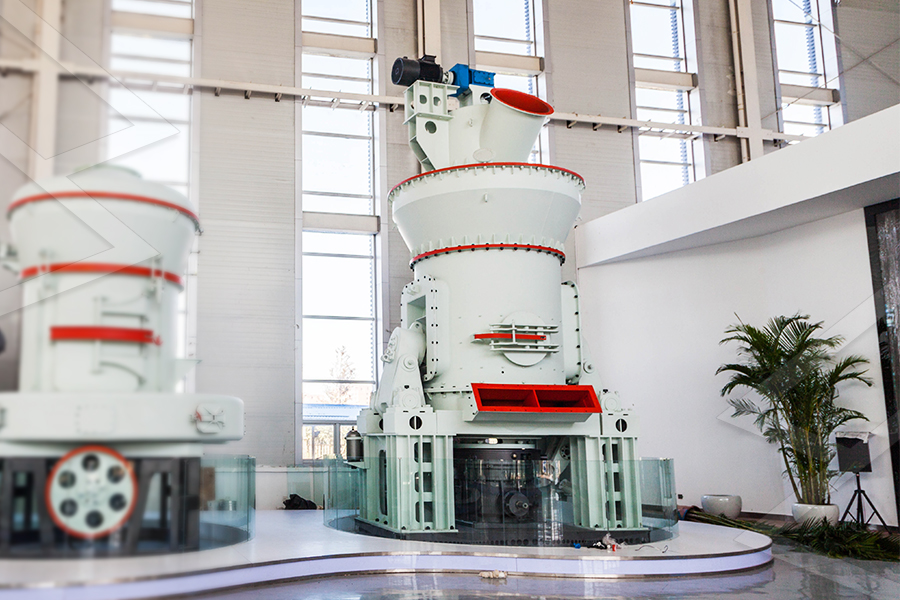
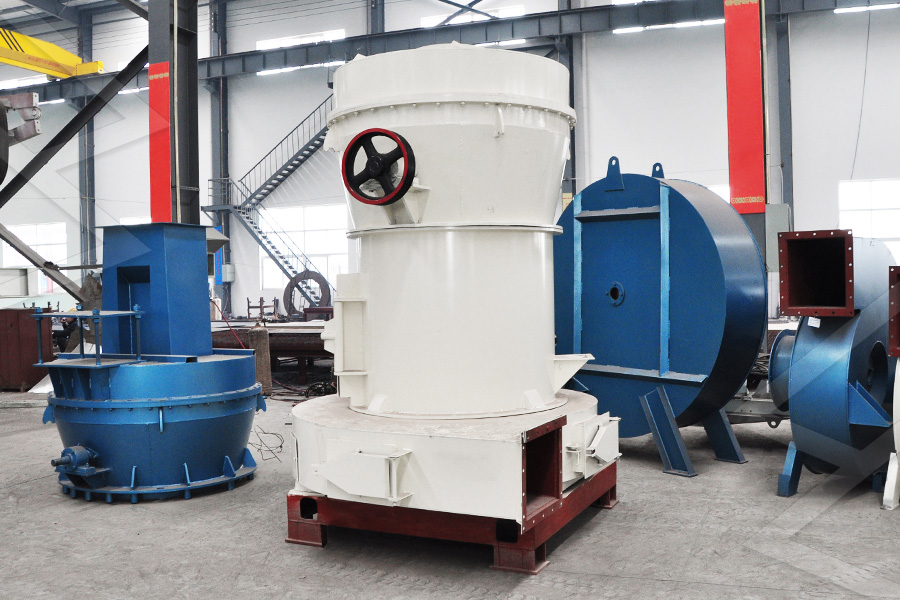
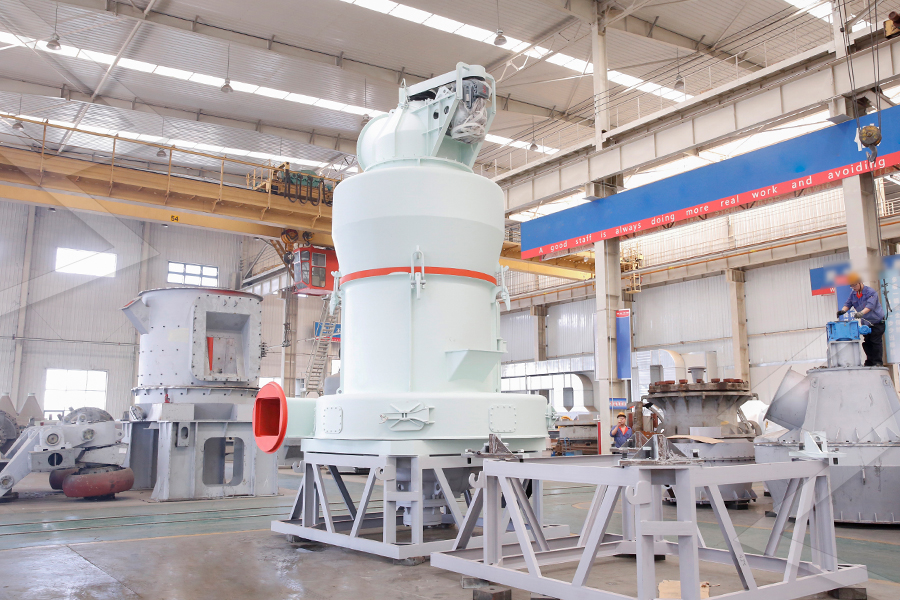
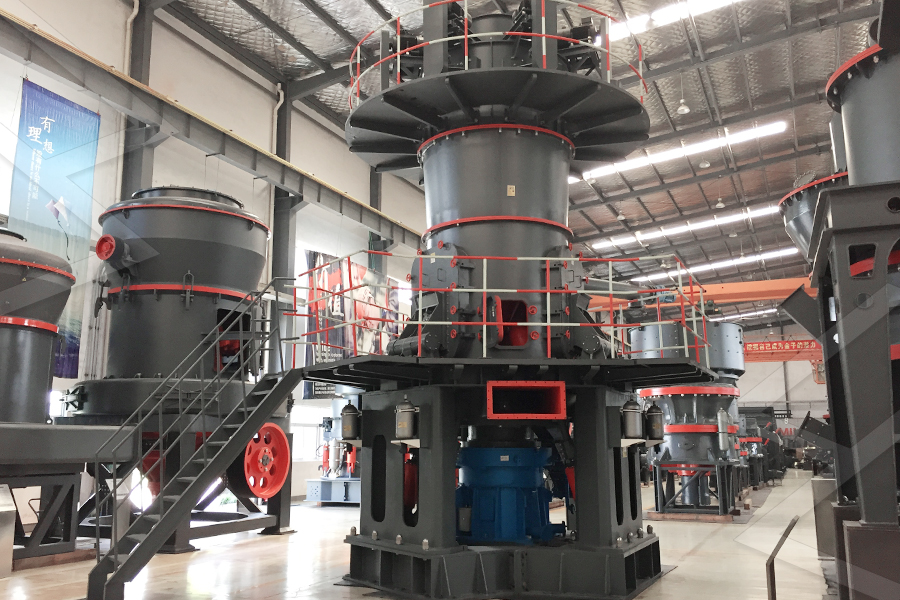
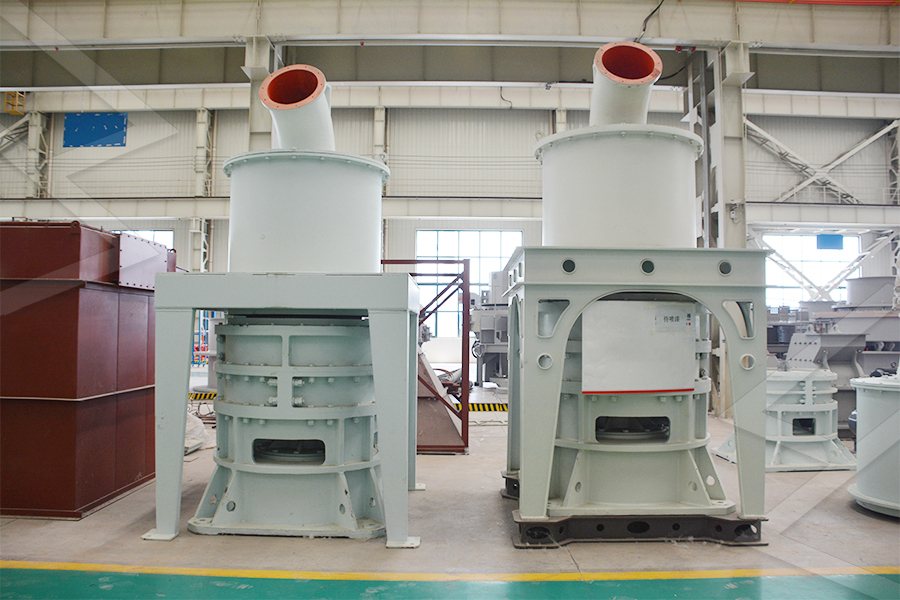
The production capacity and出料 fineness are critical parameters for fluorite powder processing, as they determine the product's quality and application scope. For this fluorite grinding project, the production capacity is designed to be 30 tph, with the fineness of 80 mesh. The 30 tph capacity is suitable for large-scale industrial production, meeting the needs of chemical and metallurgical factories, while the 80-mesh fineness is ideal for applications such as flux in metallurgy and raw material for chemical production. Fluorite has a Mohs hardness of 4, making it moderately easy to grind, requiring efficient grinding equipment such as vertical mills to ensure high production capacity.
Fluorite powder has diverse applications across the chemical and metallurgical industries. In the chemical industry, it is the primary raw material for the production of hydrofluoric acid (HF), which is used to produce fluorocarbons, refrigerants, and other chemical products. It is also used to produce aluminum fluoride, which is essential for the production of aluminum. In the metallurgical industry, it is used as a flux in steelmaking and non-ferrous metal smelting, lowering the melting point of slag and improving the separation of metals from slag. Additionally, it finds applications in the glass and ceramic industries as a flux and opacifier, and in the pharmaceutical industry as a source of fluoride.
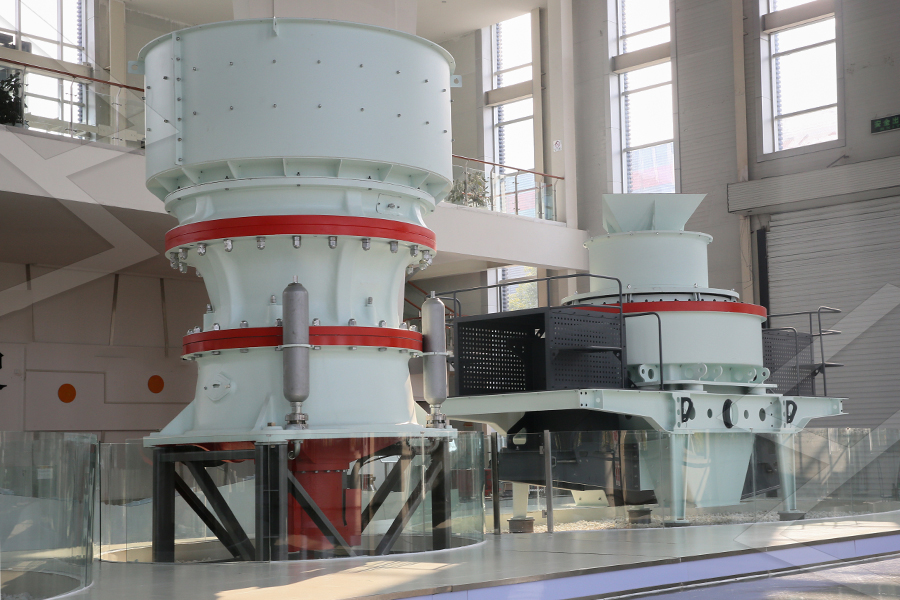
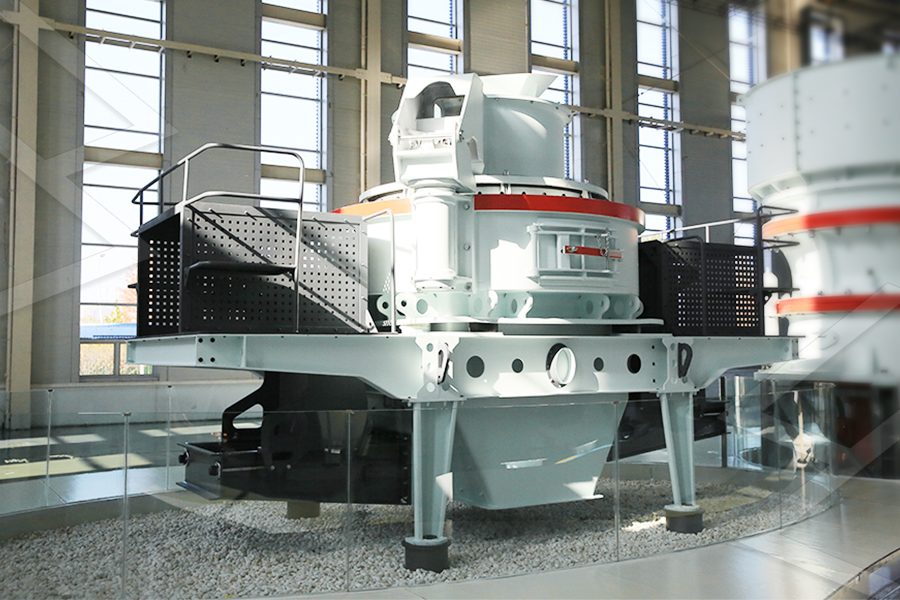
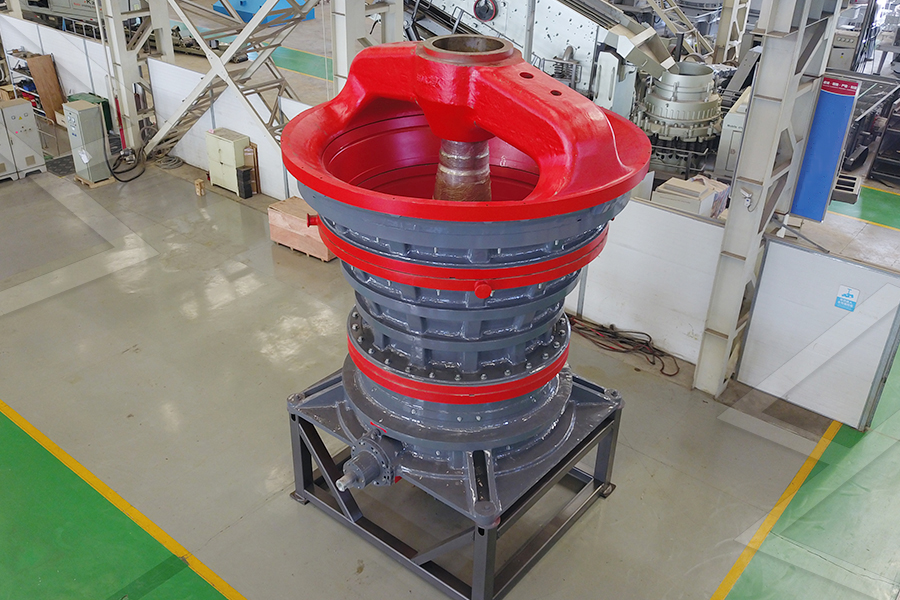
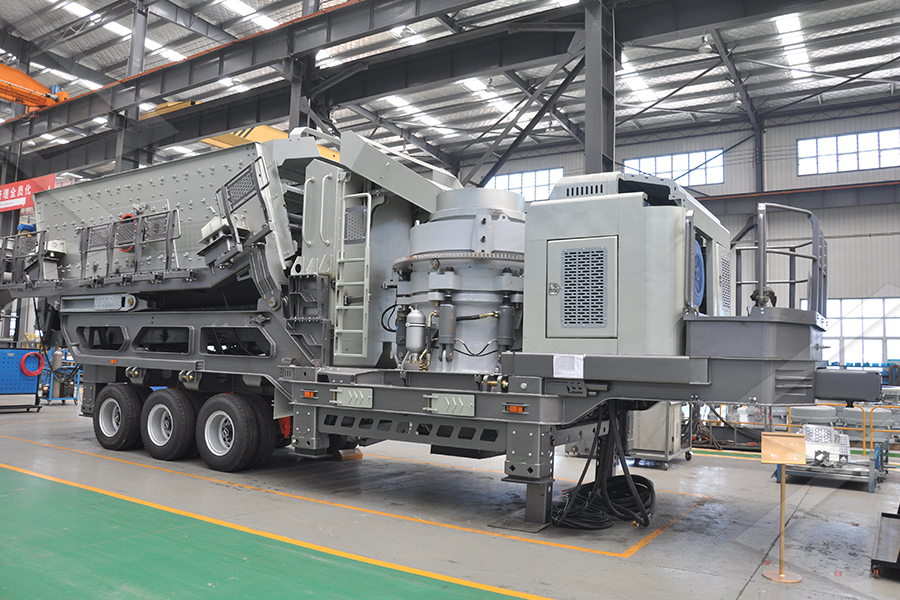
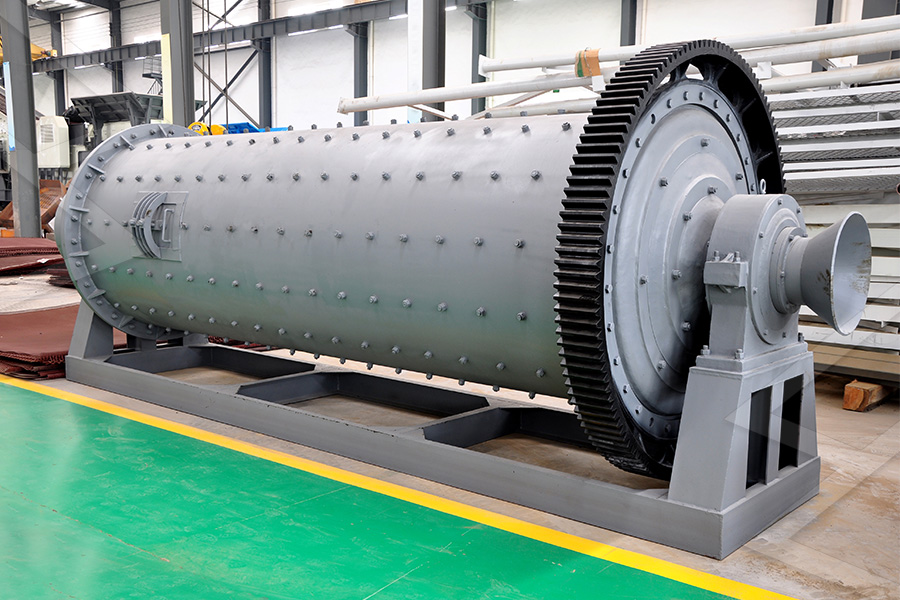
The fluorite powder processing process involves raw material crushing, grinding, classification, and beneficiation (optional). First, raw fluorite ore is crushed into small particles (30-50mm) using a jaw crusher and cone crusher. The crushed material is then fed into a vertical mill, which grinds the particles into fine powder. A classifier is used to separate the powder by fineness, ensuring that only 80-mesh powder is collected.