Mica Powder Processing: Utilizing the Unique Properties of a Versatile Mineral
Mica, a group of sheet silicate minerals, is a unique non-metallic mineral with excellent thermal insulation, electrical insulation, and chemical stability. Its powder form is widely used in various industries, thanks to its ability to enhance the performance of products such as paints, plastics, and cosmetics. Mica powder processing involves grinding mica ore into fine powder, which retains the mineral's unique sheet structure and properties. This article focuses on mica powder processing, including key parameters, applications, and a project description.
The production capacity and出料 fineness are critical parameters for mica powder processing, as they determine the product's quality and application scope. For this mica grinding project, the production capacity is designed to be 0.5 tph, with the fineness of 325 mesh. The 0.5 tph capacity is suitable for small-scale production, catering to the needs of high-value industries such as cosmetics and electronics, while the 325-mesh fineness ensures that the powder has a fine and uniform particle size, which is essential for applications requiring good dispersion and coverage. Mica has a Mohs hardness of 2.5-3, making it relatively easy to grind, but its sheet structure requires careful grinding to avoid breaking the sheets and losing their unique properties.
Mica powder has diverse applications across multiple industries. In the cosmetics industry, it is used as a pigment and filler, providing a pearlescent effect and improving the texture and coverage of products such as foundation, eyeshadow, and lipstick. In the paint and coating industry, it is used to enhance the durability, weather resistance, and corrosion resistance of coatings, as well as to provide a decorative effect. In the electronics industry, it is used as an electrical insulator in capacitors, transformers, and other electronic components, thanks to its excellent electrical insulation properties. Additionally, it finds applications in the plastic and rubber industry as a filler, improving mechanical properties and heat resistance.
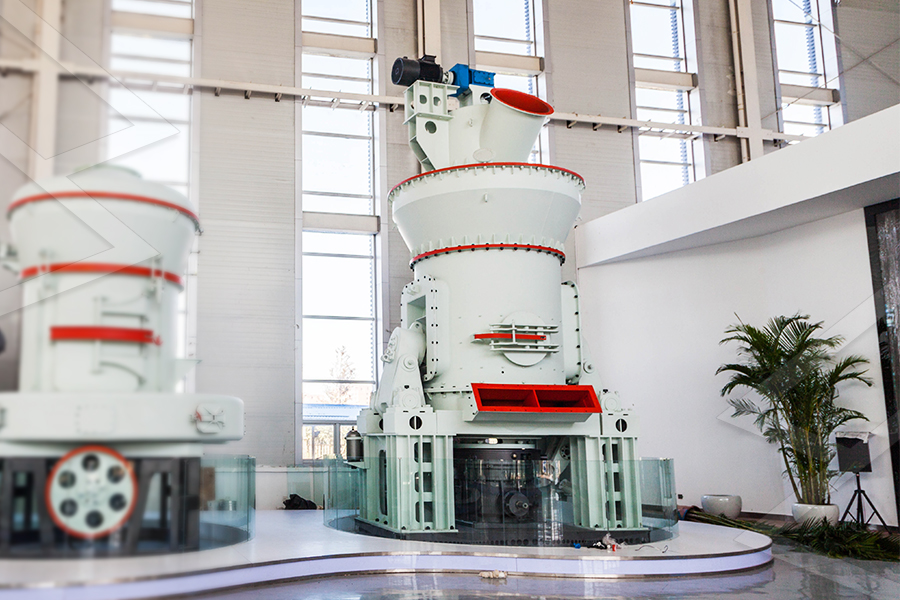
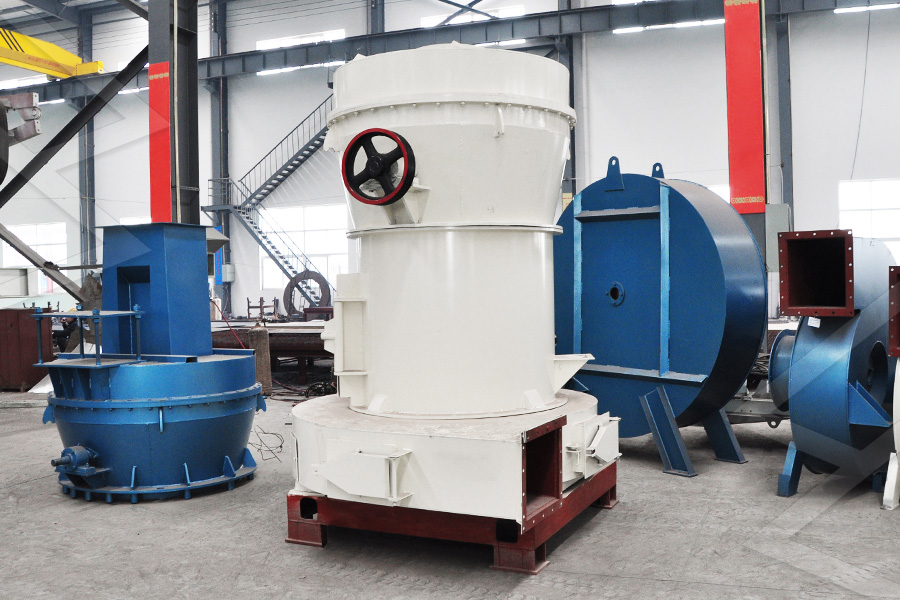
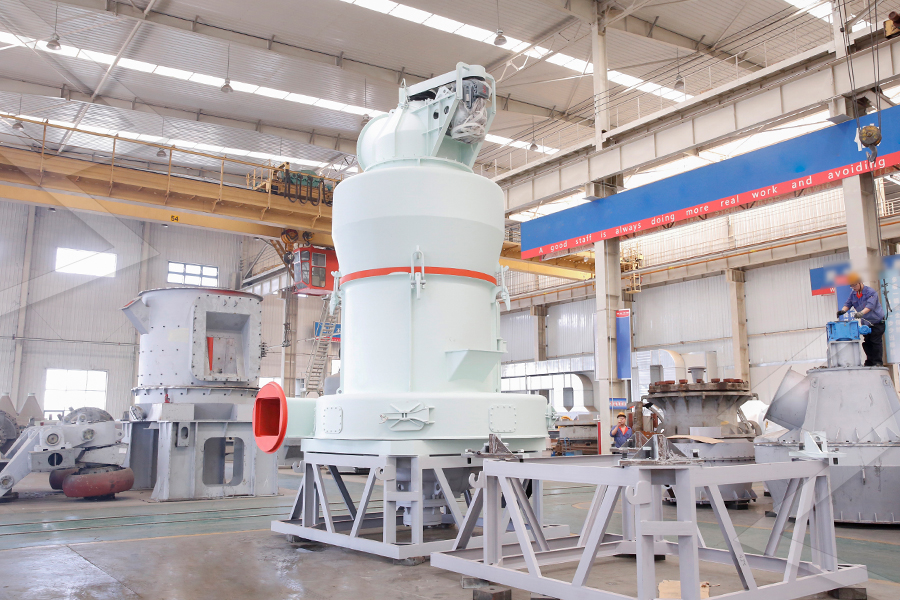
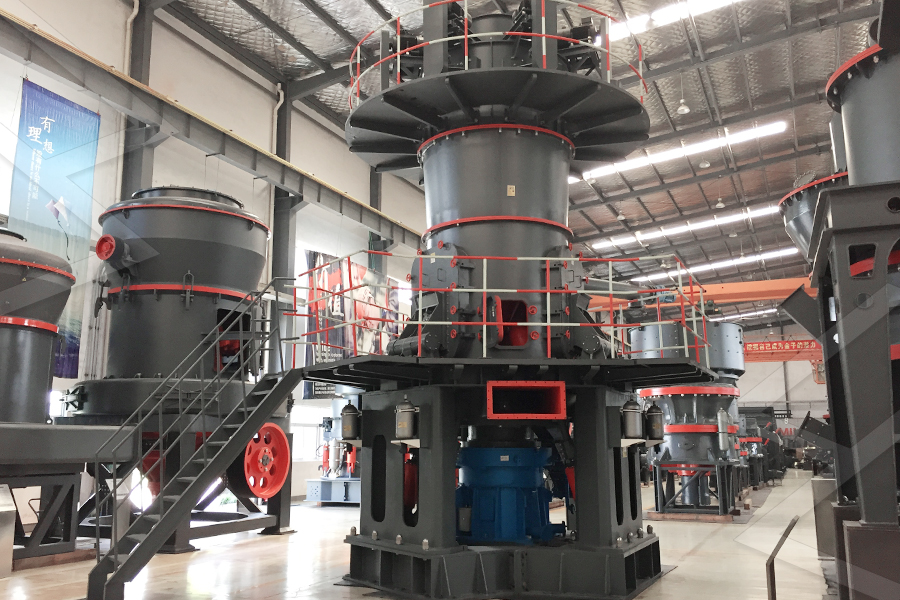
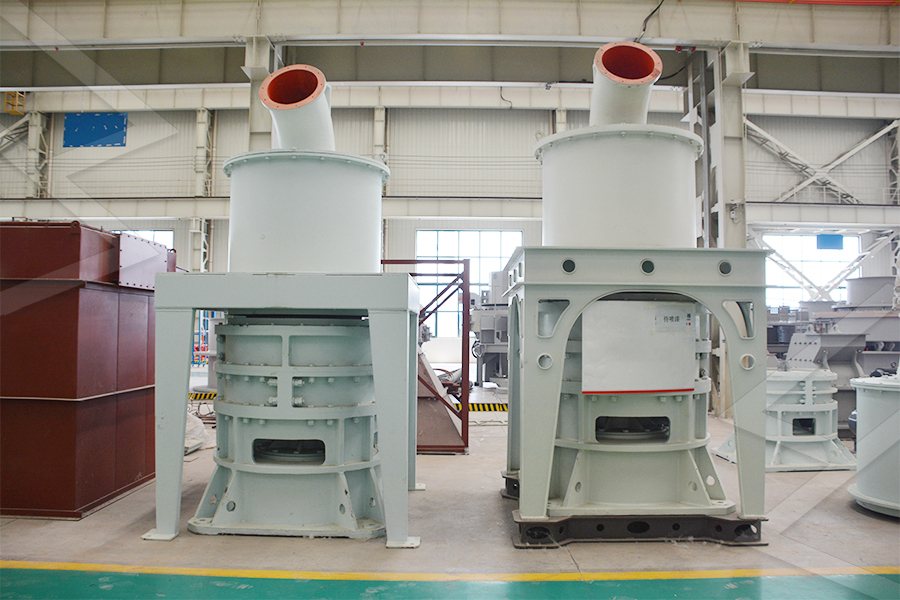
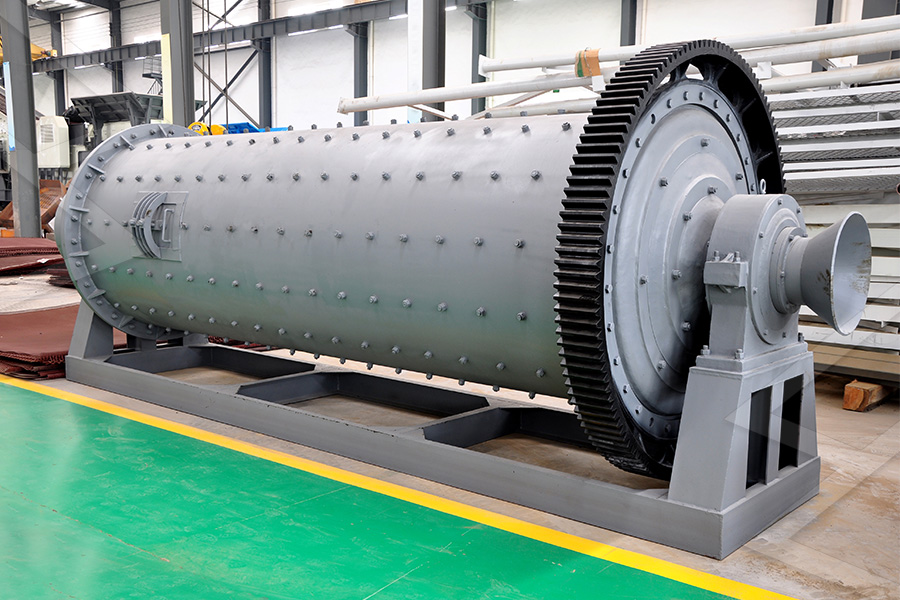
The mica powder processing process involves raw material crushing, grinding, classification, and flaking (optional). First, raw mica ore is crushed into small particles (10-15mm) using a jaw crusher. The crushed material is then fed into a hammer mill or Raymond mill, which grinds the particles into fine powder while preserving the sheet structure. A classifier is used to separate the powder by fineness, ensuring that only 325-mesh powder is collected.