Calcium Carbonate Powder: Processing, Applications, and Project Overview
Calcium carbonate (CaCO3) is one of the most abundant non-metallic minerals in nature, existing in various forms such as limestone, marble, and chalk. Its powder form is widely used in multiple industries due to its low cost, non-toxicity, and excellent physical and chemical properties. Calcium carbonate powder processing is a mature industry, with advanced technologies and equipment ensuring high-quality and efficient production. This article focuses on calcium carbonate powder processing, including key parameters, applications, and a detailed project description.
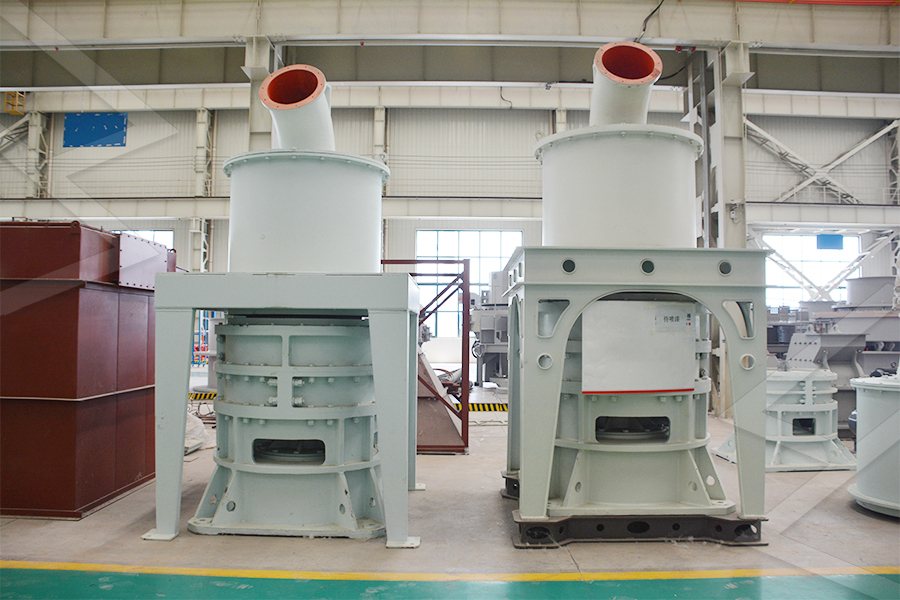
The production capacity and the fineness are critical parameters for calcium carbonate powder processing, as they determine the product's quality and application scope. For this calcium carbonate grinding project, the production capacity is designed to be 20 tph, with an出料 fineness of 250 mesh. The 20 tph capacity is suitable for large-scale production, meeting the needs of national and international markets, while the 250-mesh fineness is ideal for applications such as plastic and rubber filling, where the powder needs to be fine enough to disperse evenly in the matrix. Calcium carbonate's hardness (Mohs hardness of 3) makes it suitable for grinding with a variety of equipment, including vertical mills and Raymond mills.
Calcium carbonate powder has diverse applications across multiple industries. In the plastic and rubber industry, it is used as a filler to reduce costs, improve mechanical properties (such as tensile strength and impact resistance), and enhance processing performance. In the paper industry, it is used as a coating and filler, improving the brightness, smoothness, and printability of paper. In the paint and coating industry, it is used as a pigment extender, reducing the amount of expensive pigments and improving the durability and weather resistance of coatings. Additionally, it finds applications in the food, pharmaceutical, and cosmetic industries as a food additive, antacid, and filler.
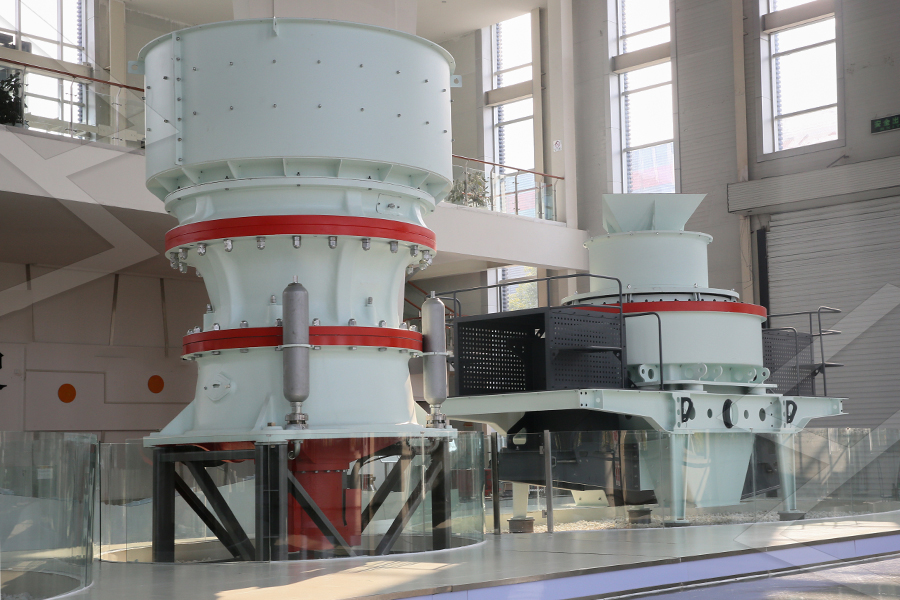
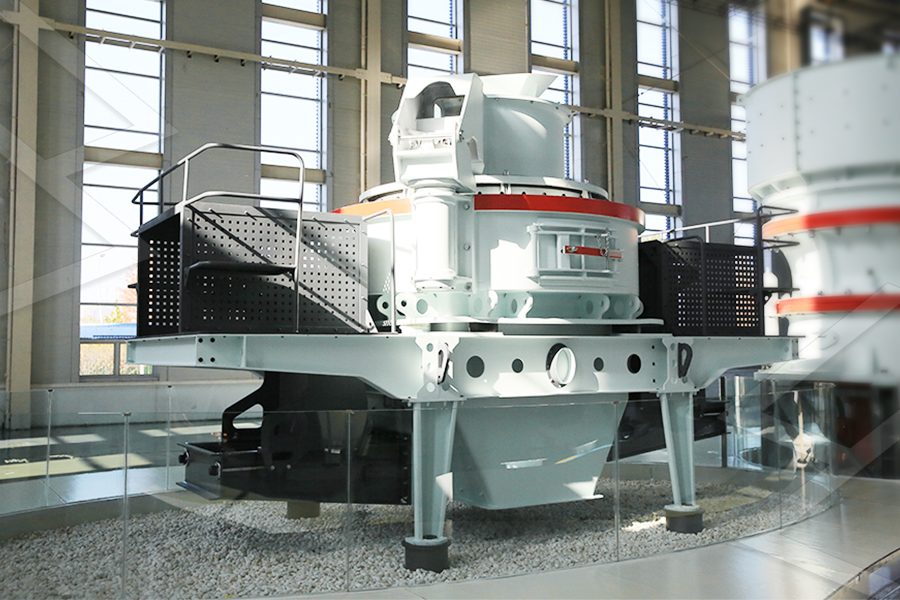
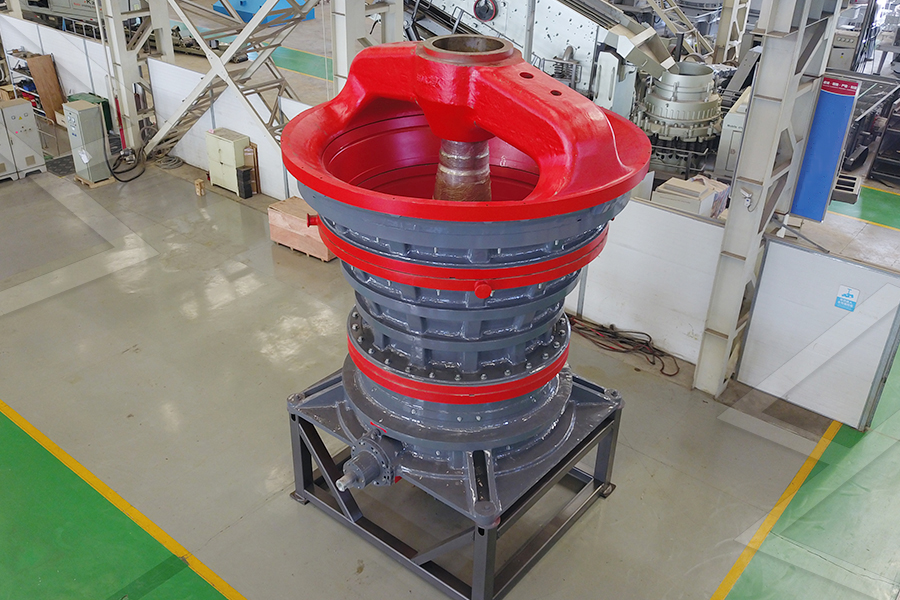
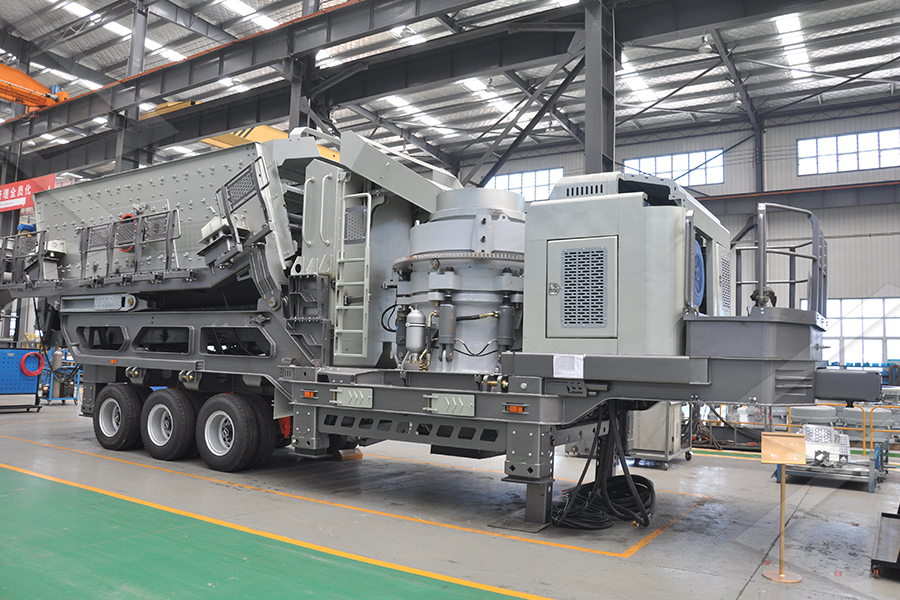
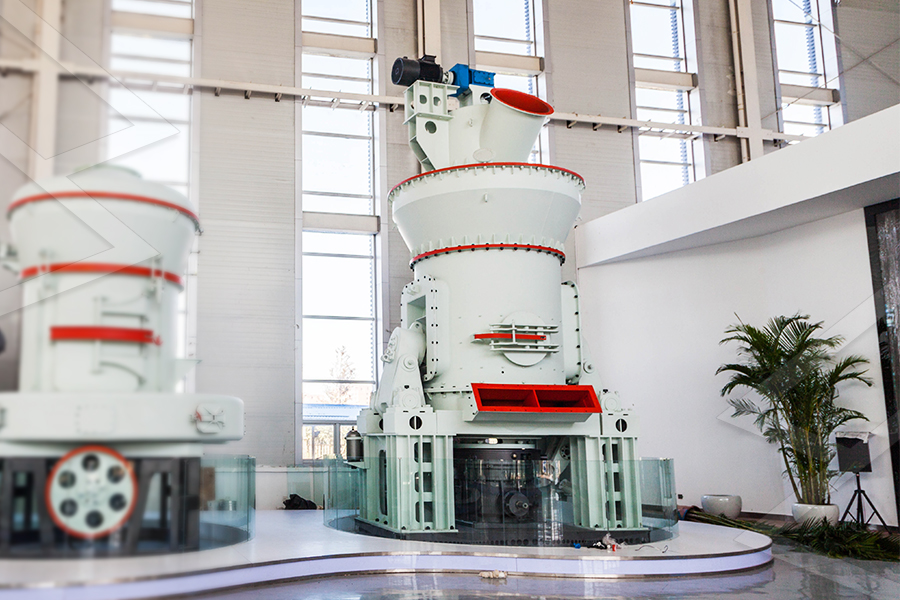
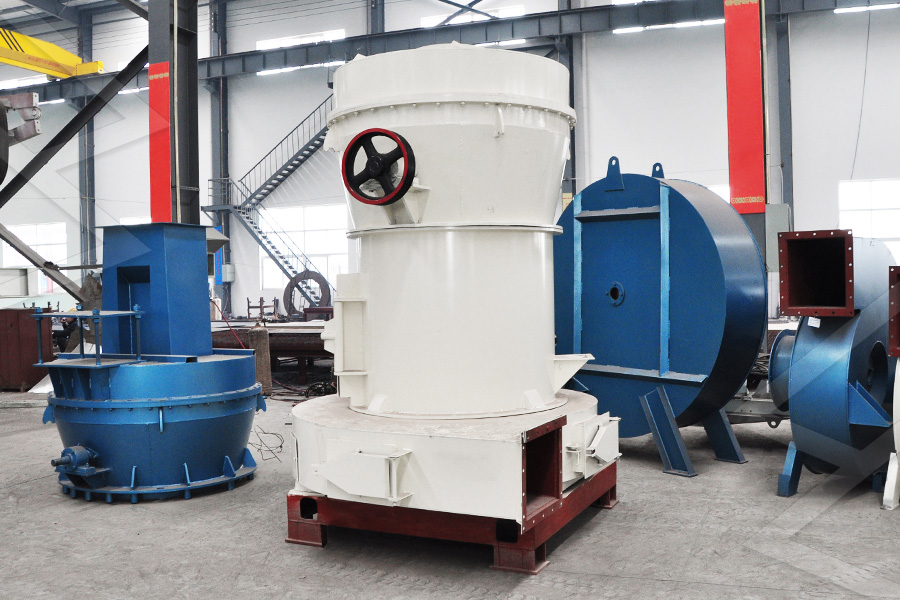
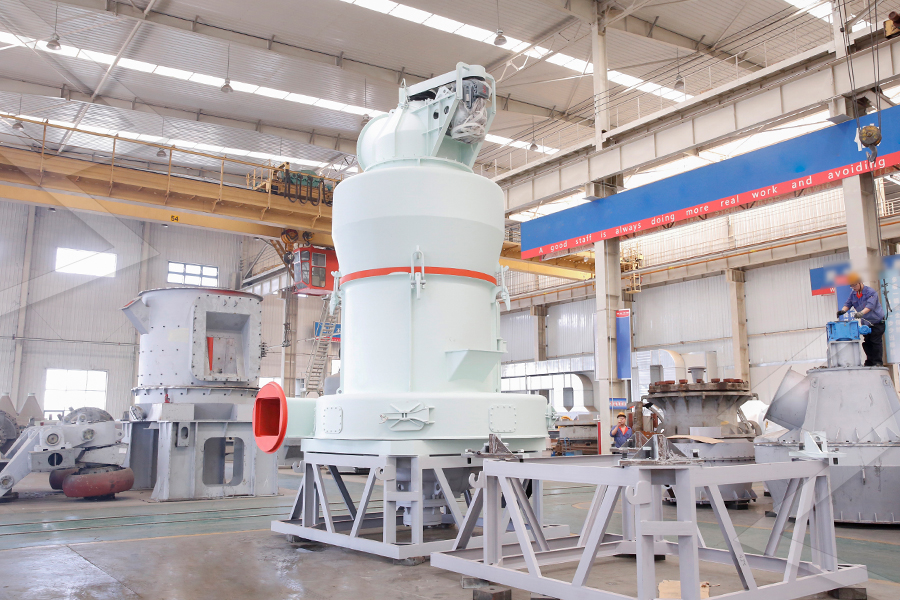
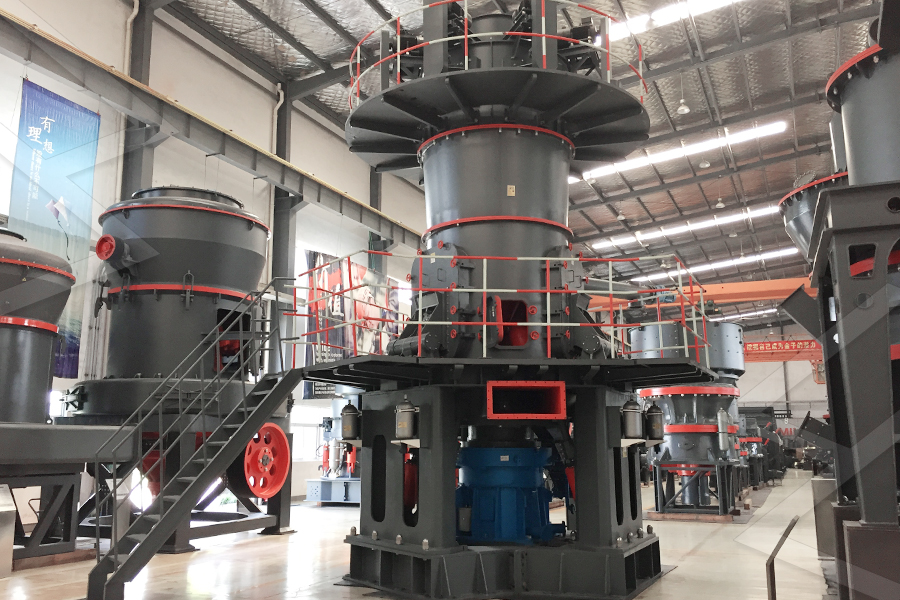
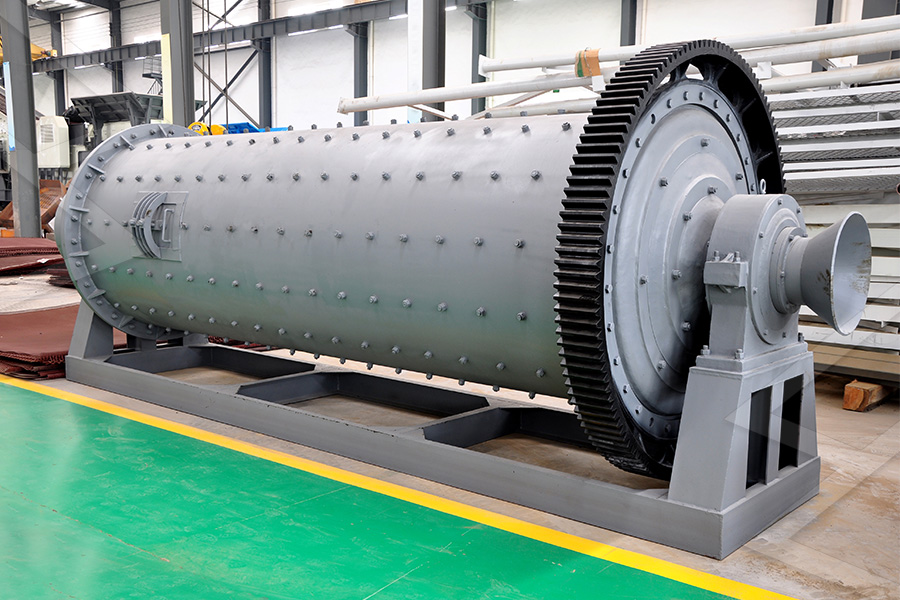
The calcium carbonate powder processing process involves raw material crushing, grinding, classification, and surface modification (optional). First, raw calcium carbonate ore (limestone or marble) is crushed into small particles (20-30mm) using a jaw crusher and impact crusher. The crushed material is then fed into a vertical mill, which grinds the particles into fine powder. A classifier is used to separate the powder by fineness, ensuring that only 250-mesh powder is collected. For some applications (such as plastic and rubber filling), the powder may undergo surface modification using coupling agents to improve its compatibility with the matrix material. The processed powder is stored in silos before being packaged or transported.