Gypsum Powder Processing: From Raw Ore to High-Value Industrial Applications
Gypsum, a hydrous calcium sulfate mineral (CaSO4·2H2O), is a widely used non-metallic mineral with unique properties such as fire resistance, sound insulation, and moldability. Its powder form is essential for many industrial applications, making gypsum powder processing a key segment of the non-metallic mineral industry. This article explores the details of gypsum powder processing, including production parameters, applications, and a project description, highlighting its role in modern industry.
The key parameters for gypsum powder processing are production capacity and出料 fineness, which are tailored to meet the specific needs of different applications. For this gypsum grinding project, the production capacity is set at 5 tph, with an出料 fineness of 300 mesh. The 5 tph capacity is suitable for small to medium-scale production, catering to the needs of local construction and building materials industries, while the 300-mesh fineness ensures that the powder has a high surface area, enhancing its binding and setting properties. Gypsum is a relatively soft mineral (Mohs hardness of 2), making it easy to grind, which reduces energy consumption and equipment maintenance costs.
Gypsum powder has a wide range of applications, primarily in the construction and building materials industry. It is used to produce gypsum board, which is widely used for interior walls, ceilings, and partitions due to its fire resistance, sound insulation, and lightweight properties. Gypsum powder is also used in the production of plaster of Paris, which is used for mold making, sculpture, and construction repairs. Additionally, it finds applications in the agricultural industry as a soil amendment to improve soil structure and provide calcium nutrients, in the food industry as a food additive (E516) for thickening and stabilizing, and in the pharmaceutical industry as a binder and excipient.
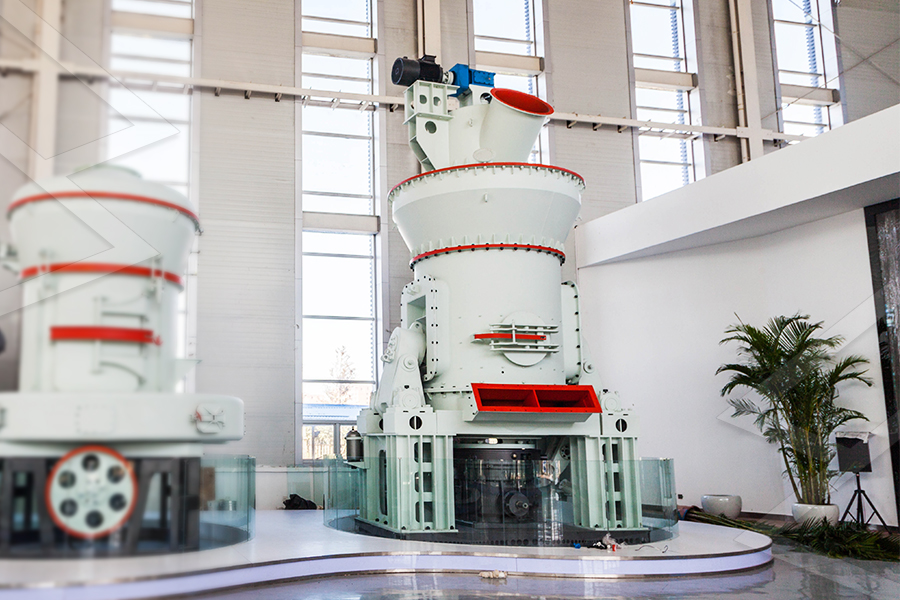
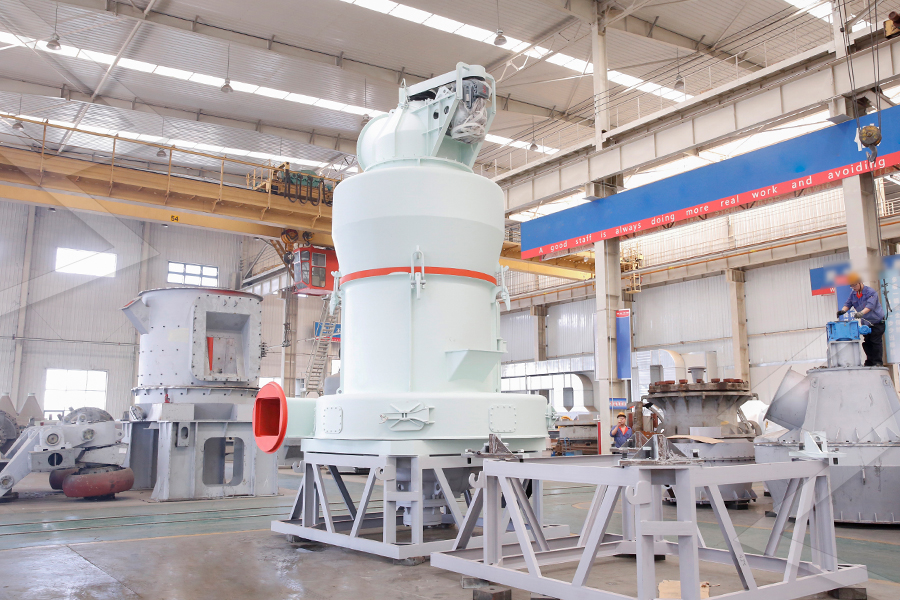
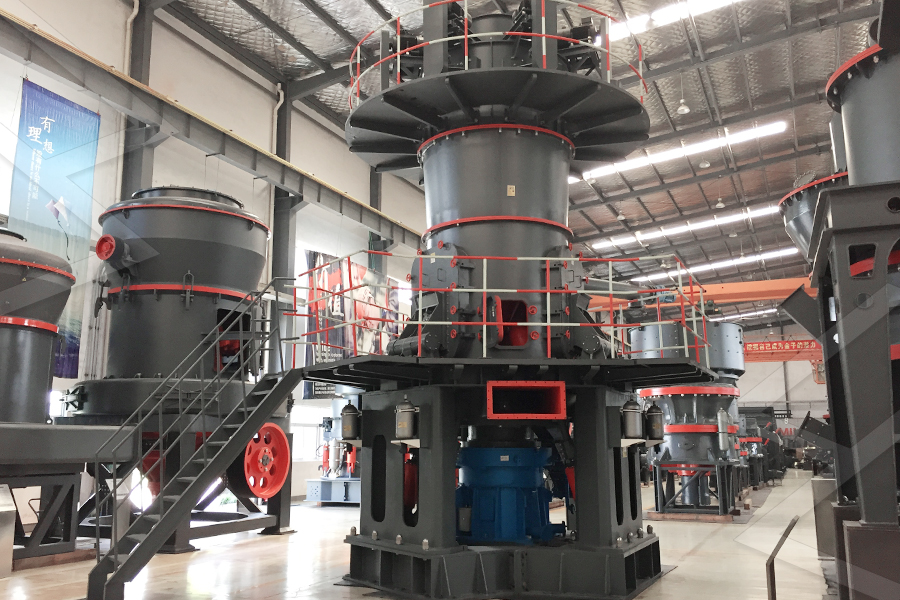
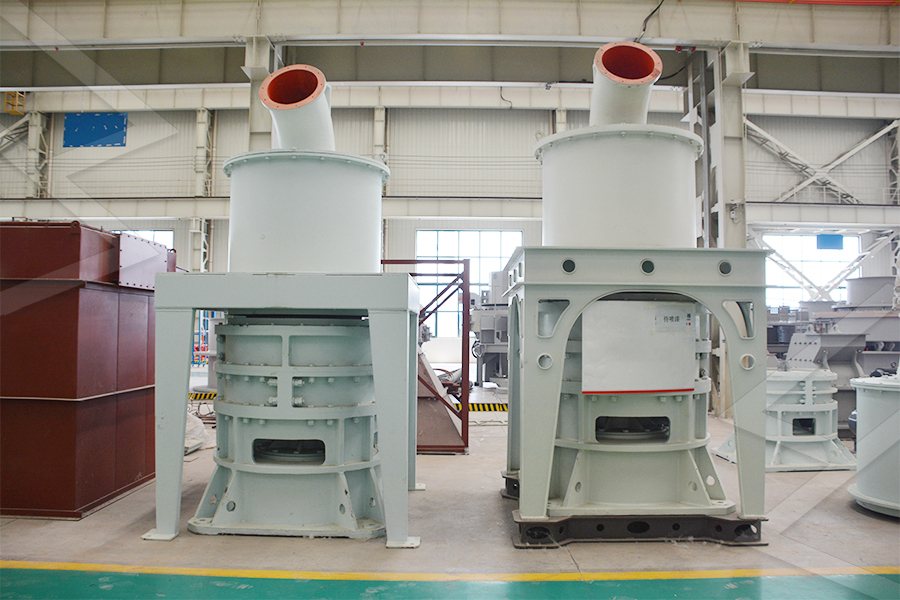
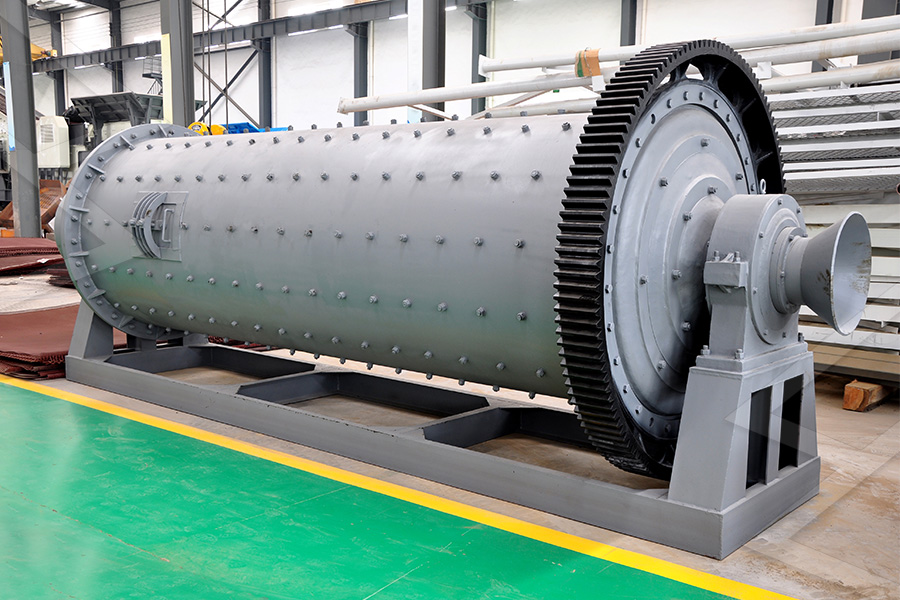
The gypsum powder processing process involves several key steps: raw material crushing, drying, grinding, and classification. First, raw gypsum ore is crushed into small particles (10-20mm) using a jaw crusher. The crushed material is then dried in a rotary dryer to remove moisture (moisture content is reduced to less than 5%), as excessive moisture can affect the grinding process and product quality. The dried material is fed into a vertical mill, which grinds the particles into fine powder. A classifier is used to separate the powder by fineness, ensuring that only 300-mesh powder is collected. The collected powder is stored in a silo and can be packaged in bags or transported in bulk. The vertical mill is chosen for this project due to its high drying and grinding efficiency, as well as its ability to produce consistent fineness.