Dolomite Powder Processing: A Versatile Solution for Multiple Industries
Dolomite, a carbonate mineral composed of calcium magnesium carbonate (CaMg(CO3)2), is another important non-metallic mineral with extensive applications in various industries. Its unique physical and chemical properties make it an ideal raw material for powder processing, and its abundance in nature ensures a stable supply for large-scale production. This article focuses on dolomite powder processing, including key production parameters, diverse applications, and a detailed project description, providing insights into its industrial value.
The core parameters of dolomite powder processing are production capacity and出料 fineness, which directly determine the product's application scope and market value. For this dolomite grinding project, the production capacity is designed to be 8 tph, with an出料 fineness of 150 mesh. The 8 tph capacity is suitable for medium-scale production, meeting the needs of local and regional markets, while the 150-mesh fineness balances the powder's reactivity and handling properties. Dolomite's hardness (Mohs hardness of 3-4) makes it relatively easy to grind, reducing energy consumption and equipment wear compared to harder non-metallic minerals such as quartz.
Dolomite powder has a wide range of applications across multiple industries. In the construction industry, it is used as a filler in concrete, mortar, and wall materials, improving the strength, durability, and frost resistance of the final products. It is also used in the production of refractory materials, as its high magnesium content enhances the refractory performance of bricks and linings used in high-temperature furnaces. In the agricultural industry, dolomite powder is used as a soil amendment to adjust soil pH, provide calcium and magnesium nutrients for crops, and improve soil structure. Additionally, it finds applications in the chemical industry for the production of magnesium salts, glass, and ceramics, and in the environmental protection industry for water treatment and flue gas desulfurization.
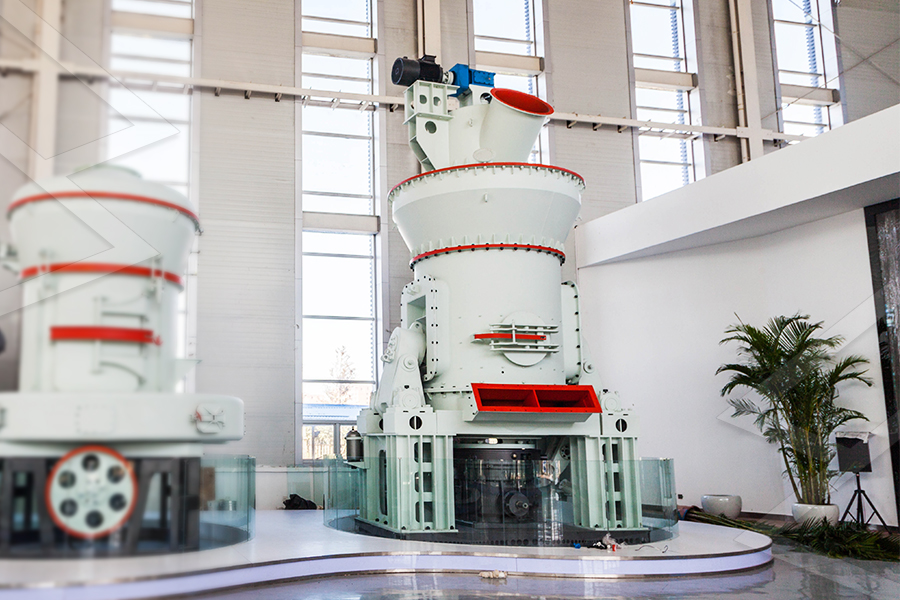
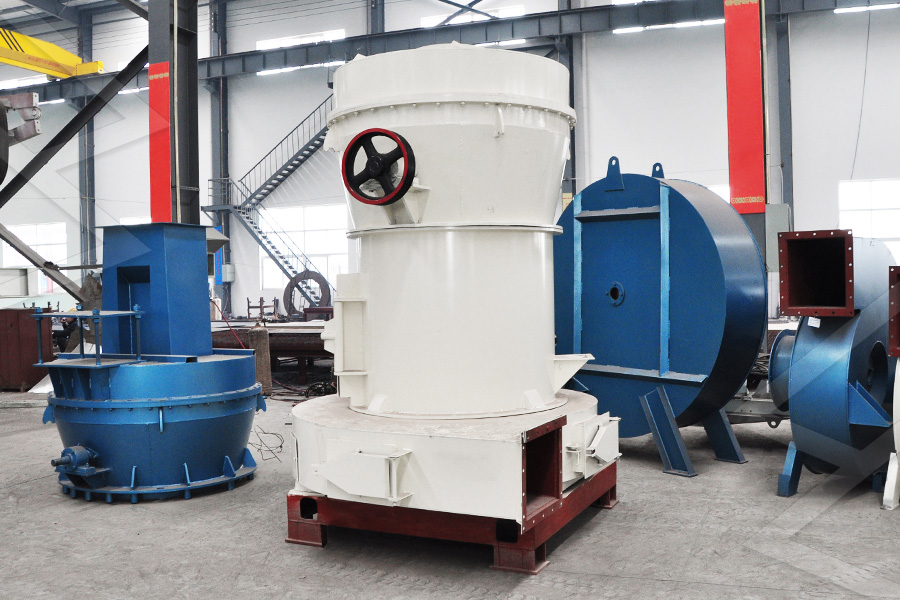
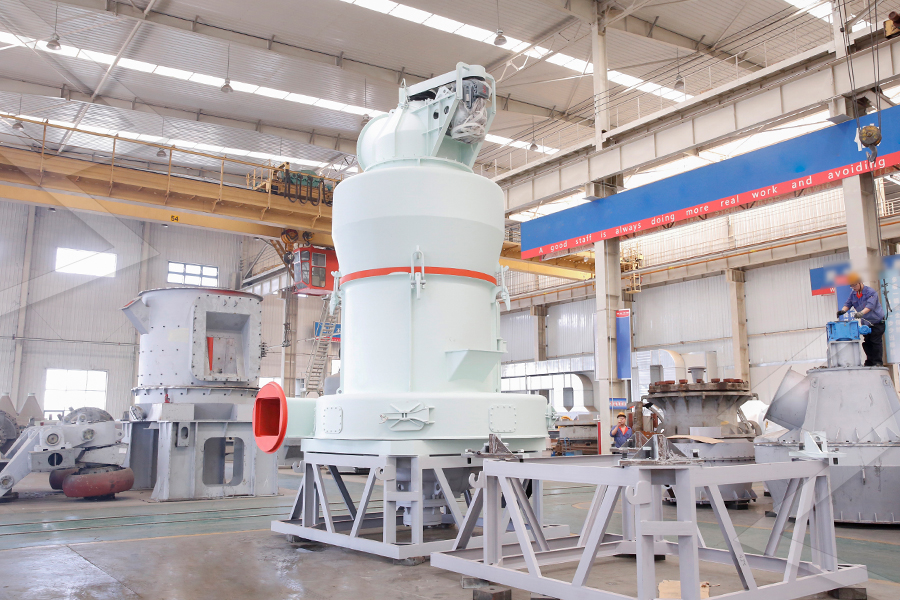
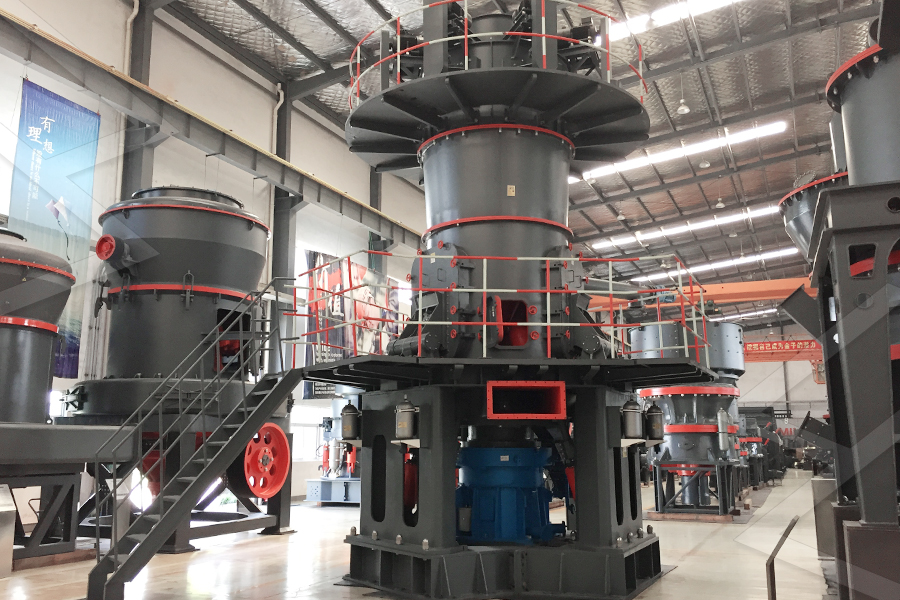
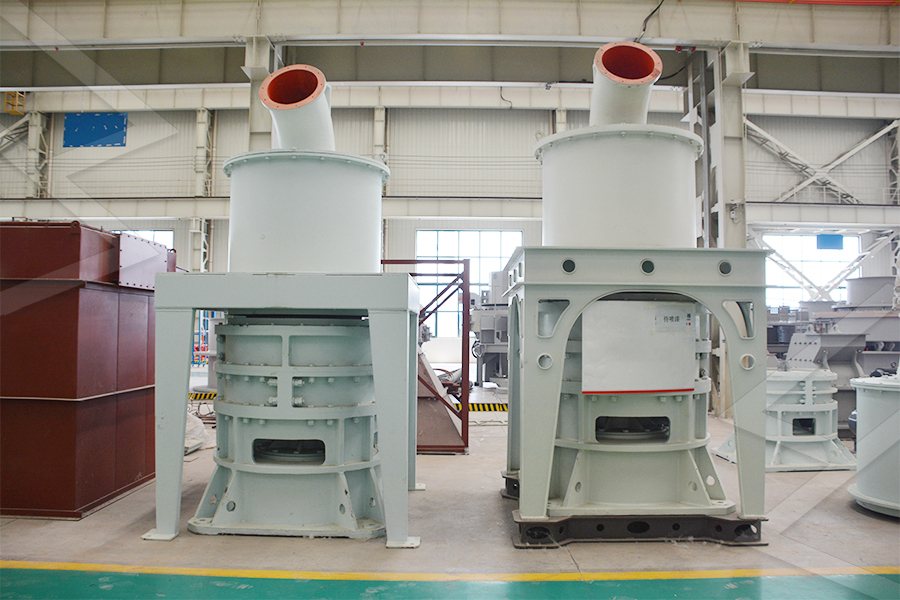
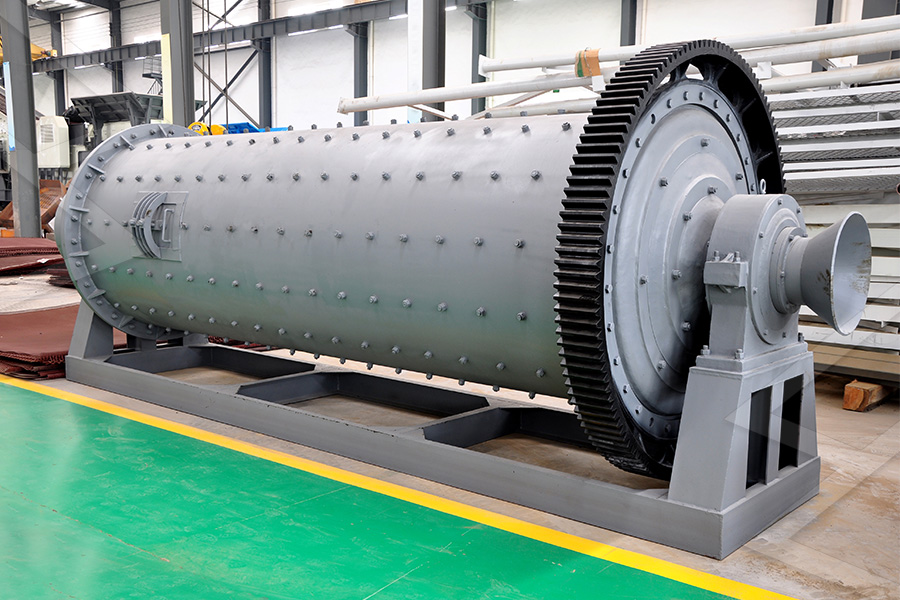
The dolomite grinding process is similar to that of limestone but requires slight adjustments to accommodate its unique properties. The process starts with raw dolomite being crushed into small particles (20-40mm) using an impact crusher. The crushed material is then fed into a Raymond mill, which grinds the particles into fine powder. A cyclone classifier is used to separate the powder by fineness, ensuring that only 150-mesh powder is collected. The collected powder is stored in a silo and can be packaged in bags or transported in bulk. The Raymond mill is chosen for this project due to its high grinding efficiency, low energy consumption, and ability to produce consistent fineness. The entire process is equipped with dust control systems to minimize environmental impact, including bag filters and cyclone dust collectors.