Unleashing the Potential of Limestone in Non-Metallic Mineral Powder Processing
Non-metallic mineral powder processing is a cornerstone of modern industry, providing essential raw materials for sectors ranging from construction to chemicals. Among the most widely used non-metallic minerals, limestone stands out for its abundance, versatility, and cost-effectiveness. This article explores the details of limestone powder processing, including production parameters, applications, and a real-world project description, highlighting its role in driving industrial development.
Limestone, a sedimentary rock primarily composed of calcium carbonate (CaCO3), is processed into fine powder through a series of grinding operations. The key parameters determining the quality and applicability of limestone powder are processing capacity and出料 fineness. For a typical limestone grinding project, the production capacity is set at 12 tph (tons per hour), with an出料 fineness of 200 mesh. This combination balances efficiency and product quality, making the powder suitable for a wide range of applications while ensuring cost-effectiveness in large-scale production. The 200-mesh fineness ensures that the powder has a high specific surface area, enhancing its reactivity and compatibility with other materials.
The applications of limestone powder are diverse and far-reaching. In the construction industry, it is a key ingredient in cement production, where it acts as a flux to lower the melting point of raw materials and improve the strength of cement clinker. It is also used as a filler in concrete, mortar, and asphalt, enhancing durability, workability, and resistance to corrosion. In the chemical industry, limestone powder is used to produce calcium oxide (lime), calcium hydroxide, and other chemical compounds, which are essential for water treatment, pH adjustment, and the production of fertilizers and pesticides. Additionally, it finds applications in the food and pharmaceutical industries as a food additive and antacid, thanks to its high purity and non-toxic nature.
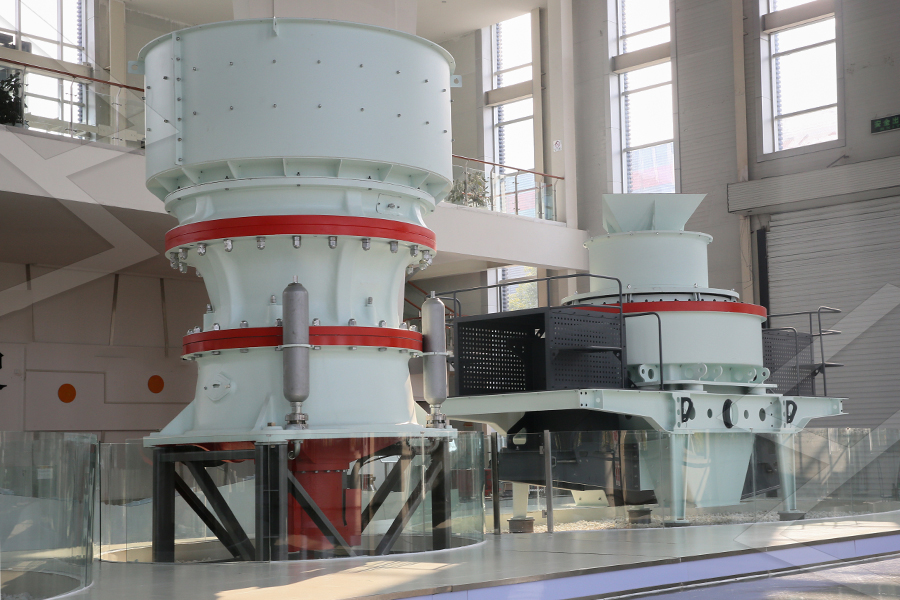
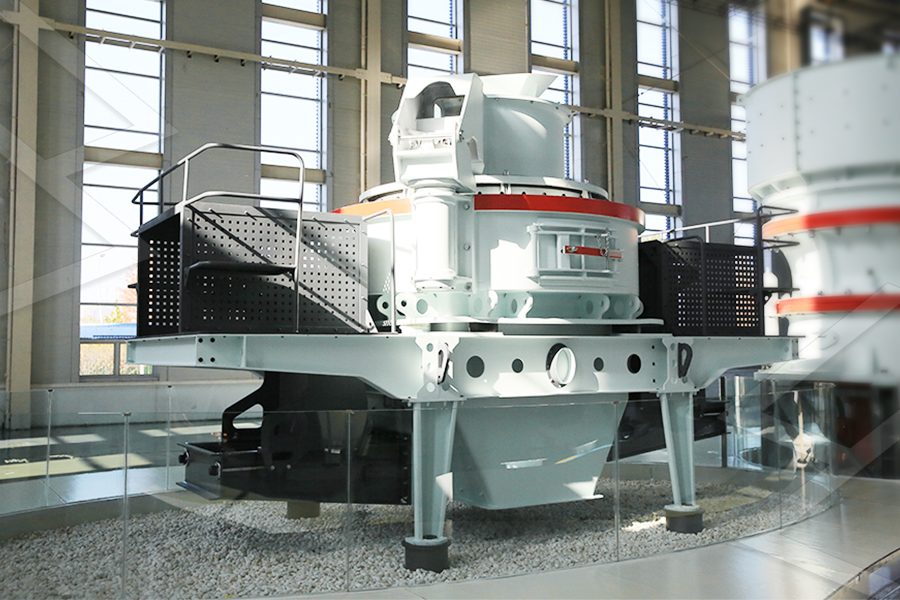
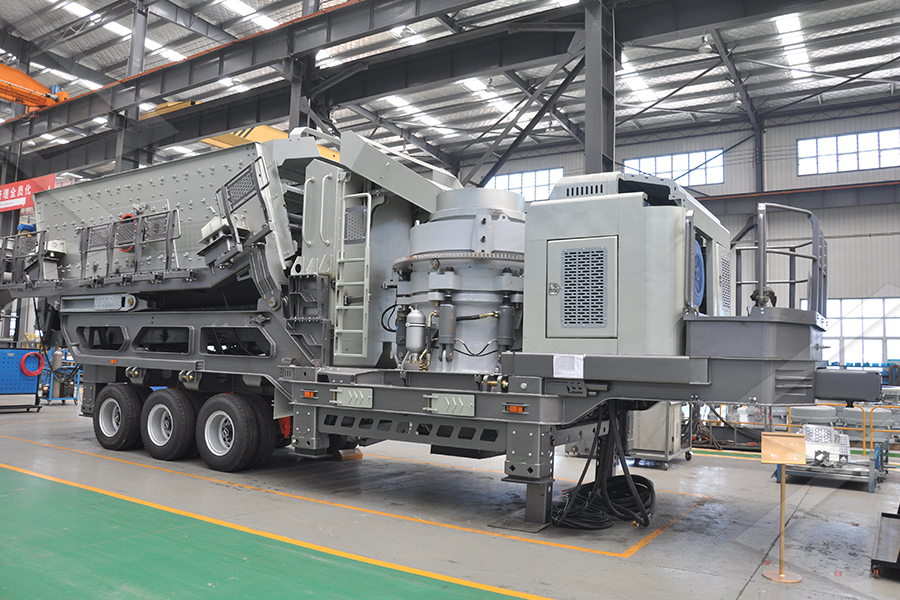
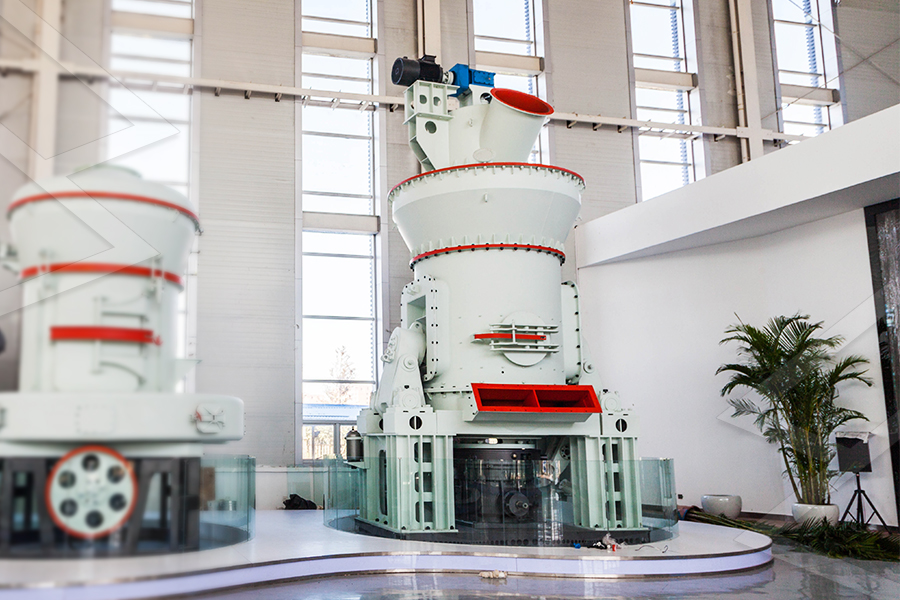
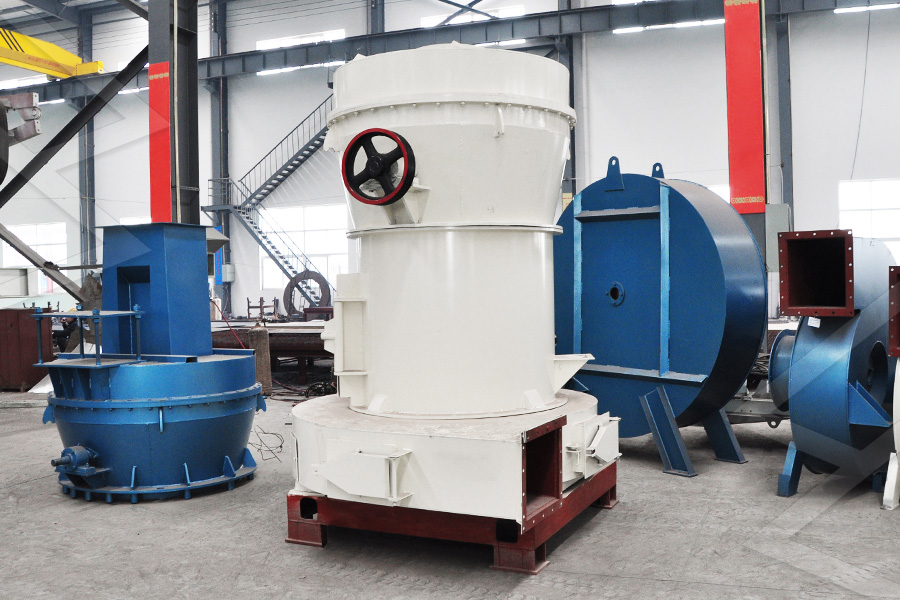
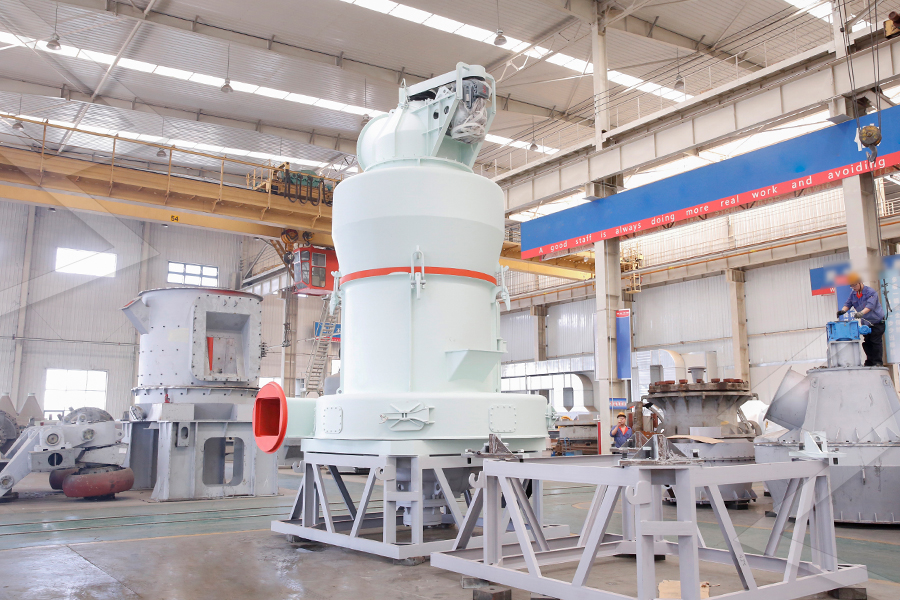
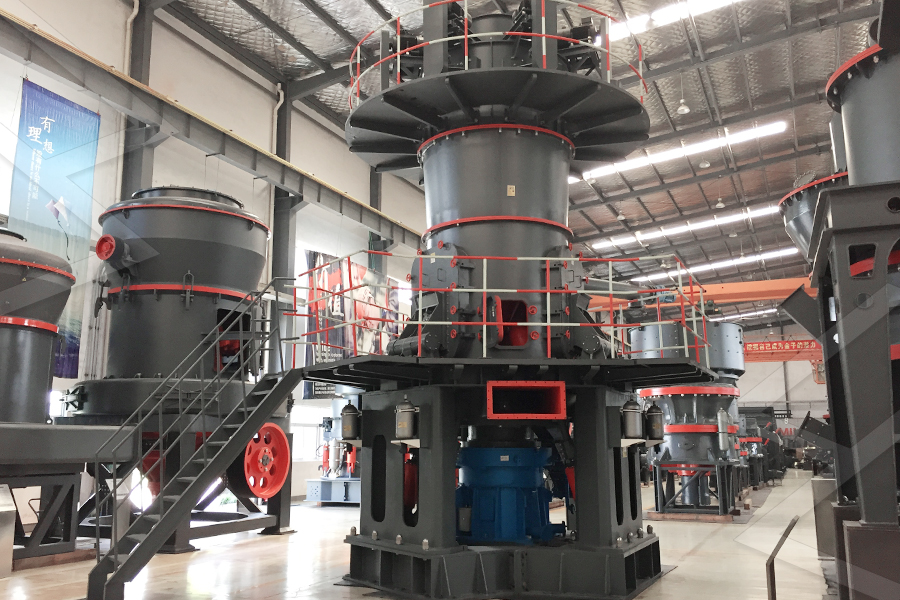
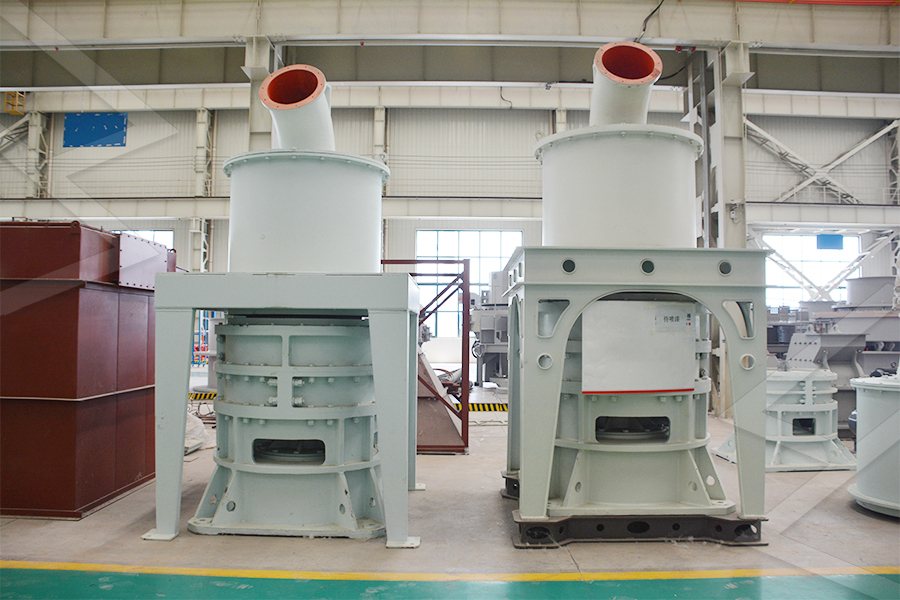
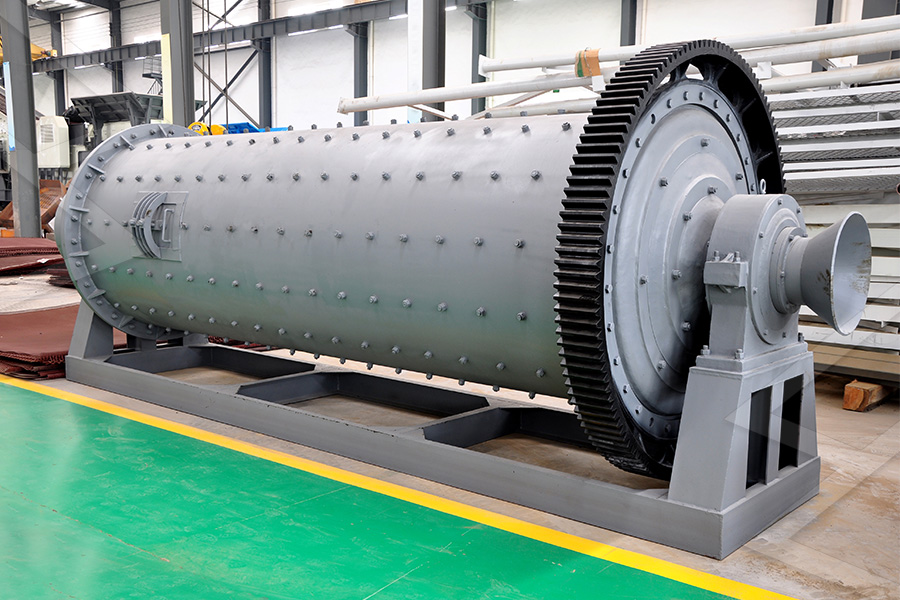
The limestone grinding process involves several key steps: raw material crushing, grinding, classification, and collection. First, raw limestone is crushed into small particles (typically 30-50mm) using a jaw crusher or impact crusher. The crushed material is then fed into a vertical mill, which grinds the particles into fine powder. A classifier is used to separate the powder according to fineness, ensuring that only particles meeting the 200-mesh requirement are collected. The collected powder is stored in silos before being packaged or transported to customers. The entire process is automated, with advanced control systems to monitor and adjust parameters such as grinding speed, air flow, and material feed rate, ensuring stable and consistent production.
Project Description: This limestone grinding project is located in a mining area in central China, where high-quality limestone reserves are abundant. The project was initiated in 2023 to meet the growing demand for limestone powder in the local construction and chemical industries. The project covers an area of 10,000 square meters, with a total investment of 8 million US dollars. It is equipped with one vertical mill, two jaw crushers, and a complete set of classification and collection equipment, with a designed production capacity of 12 tph and an出料 fineness of 200 mesh. The project employs 25 workers, including 5 technical personnel responsible for equipment maintenance and process optimization. Since its operation, the project has achieved an annual output of 86,400 tons of limestone powder, generating annual revenue of 3.2 million US dollars. It has also contributed to local economic development by creating jobs and promoting the development of related industries such as transportation and packaging. In terms of environmental protection, the project is equipped with dust collection equipment, ensuring that emissions meet national environmental standards.
In conclusion, limestone powder processing is a vital link in the non-metallic mineral industry, with broad market prospects and significant economic and social benefits. The 12 tph, 200-mesh limestone grinding project not only meets the market demand for high-quality limestone powder but also sets a benchmark for efficient and environmentally friendly non-metallic mineral processing. As industries continue to develop, the demand for limestone powder will continue to grow, driving further innovation and optimization in the grinding process.