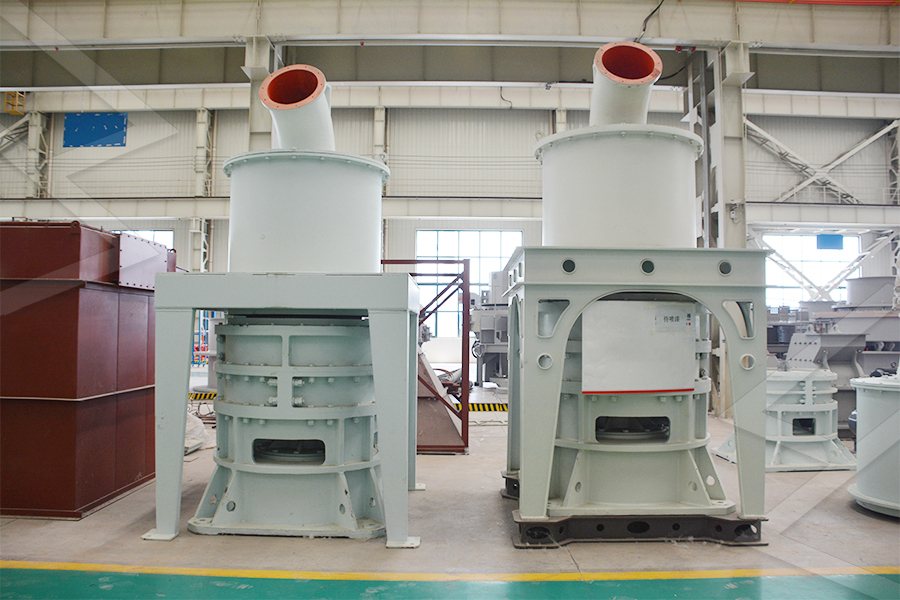
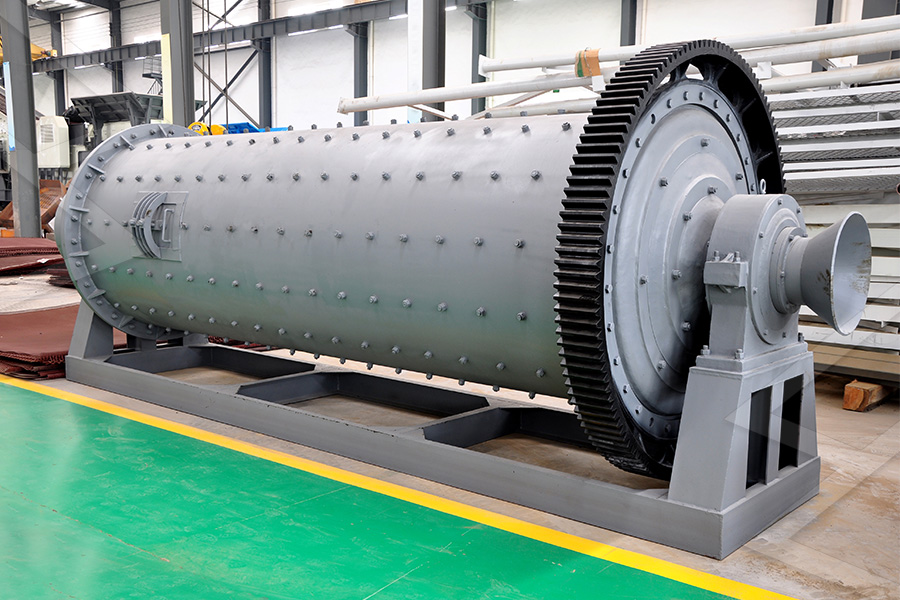
the hail gypsum plaster project saudi arabia
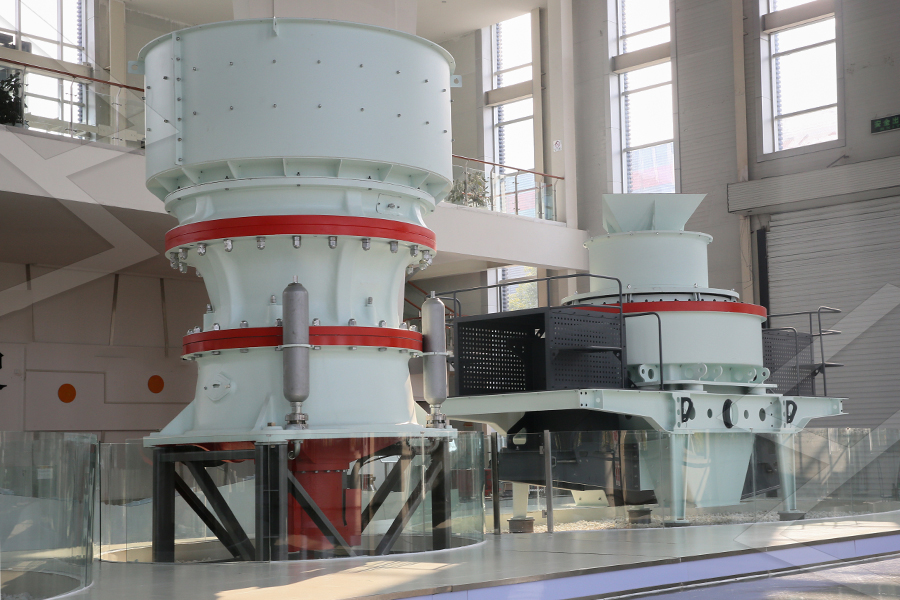
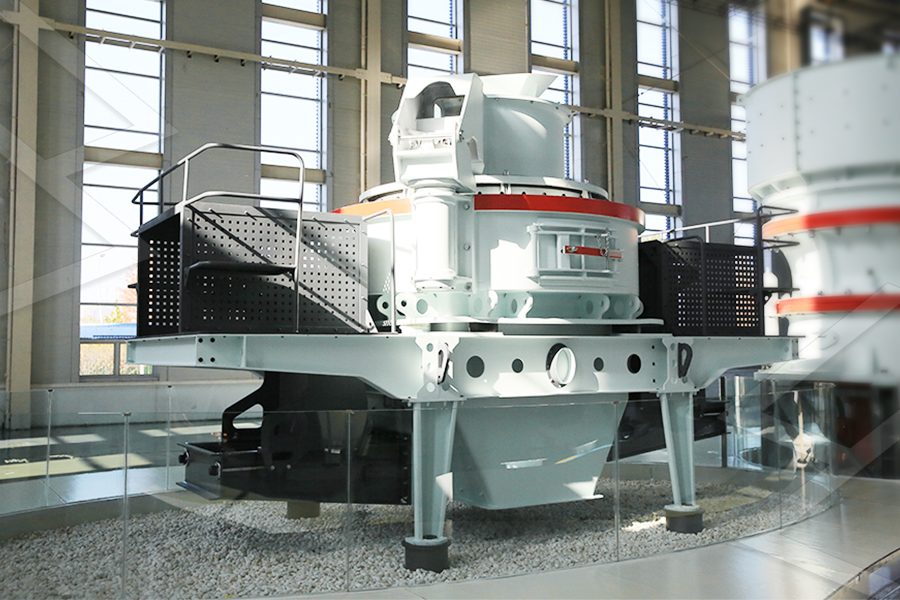
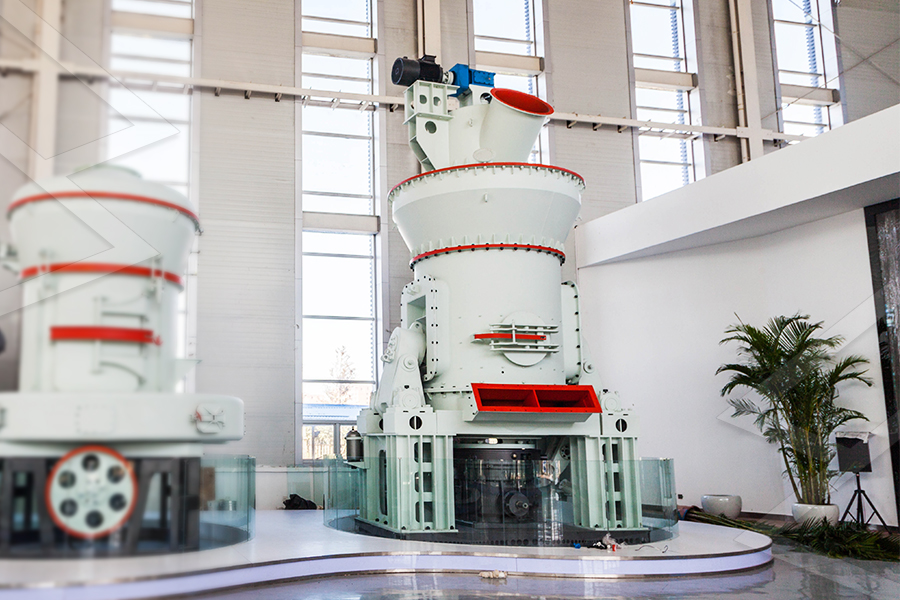
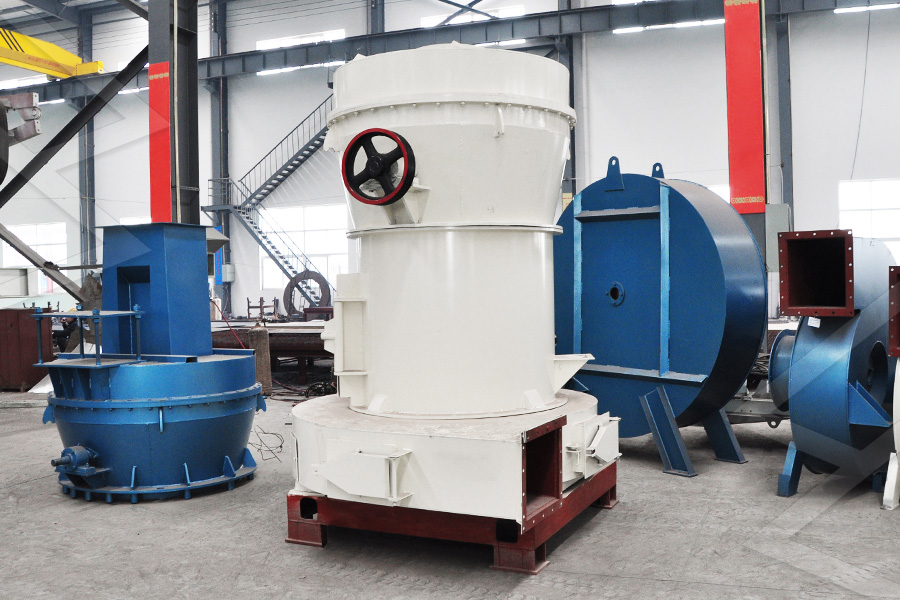
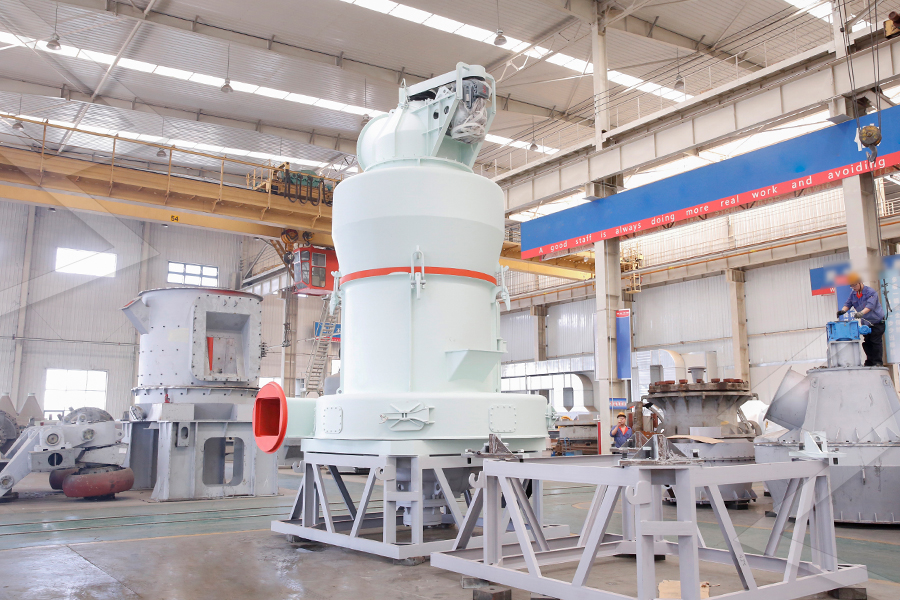
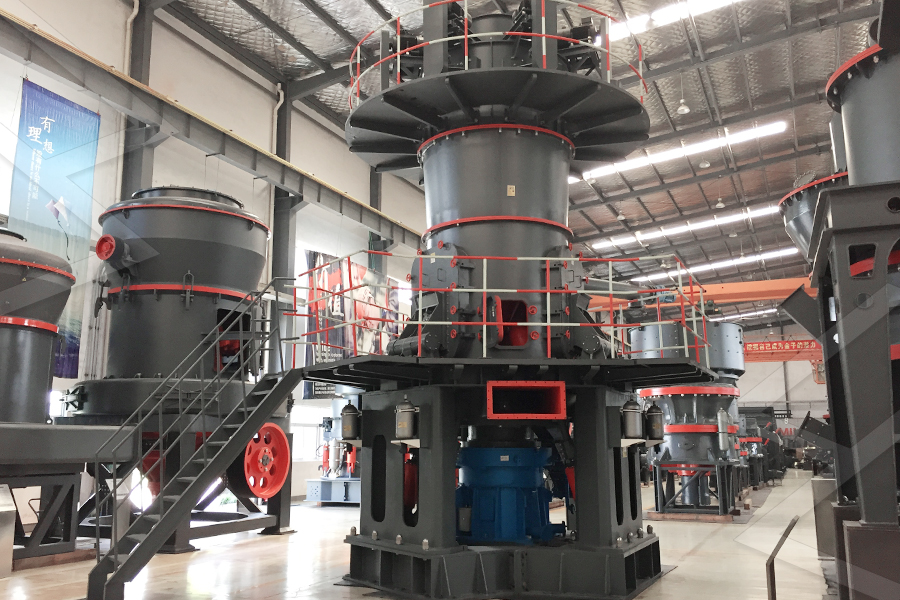
in the hail region of northern saudi arabia a project is processing local gypsum into high-quality plaster for the construction industry. this is the hail gypsum plaster project which features a vertical roller mill stone powder grinding mill with a capacity of 18 tons per hour. the raw material is natural gypsum from deposits in the surrounding desert where ancient seabeds left behind thick layers of this soft sulfate mineral.
the vertical roller mill was chosen for its ability to combine grinding and calcining in a single unit. gypsum must be partially dehydrated or calcined to become plaster of paris which sets when mixed with water. the mill uses hot gases from an external furnace to simultaneously grind and calcine the gypsum in a continuous process. the target fineness is 200 microns or 80 mesh which is ideal for general-purpose plaster used in interior wall finishes and decorative moldings.
the application of this plaster powder is critical to the construction boom in northern saudi arabia where new cities and industrial zones are being developed as part of the kingdoms vision 2030 plan. the plaster is used by thousands of construction workers for internal wall finishes in residential and commercial buildings and by artisans who create decorative ceiling roses and cornices for traditional saudi architecture. a portion of the production is also used in the manufacture of precast gypsum blocks for non-load-bearing partition walls.
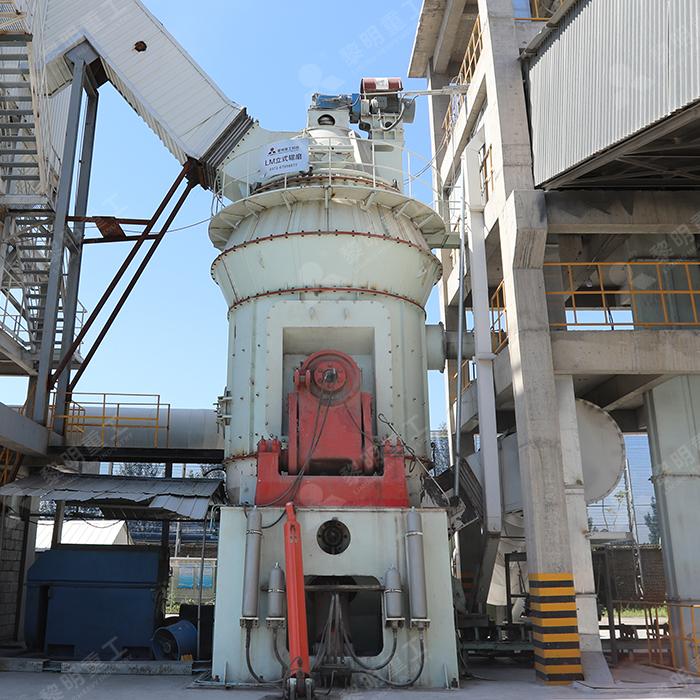
the project faced the challenge of operating in an extremely arid environment with summer temperatures exceeding 45 degrees celsius and frequent dust storms. the solution was to enclose the entire grinding and calcining system in a building with positive air pressure to keep out dust and to install a specialized cooling system for the mills main bearing and lubrication units. the vertical roller mill technology with its high efficiency and low power consumption was essential for economic operation in this challenging environment where every kilowatt-hour of electricity must be carefully managed.