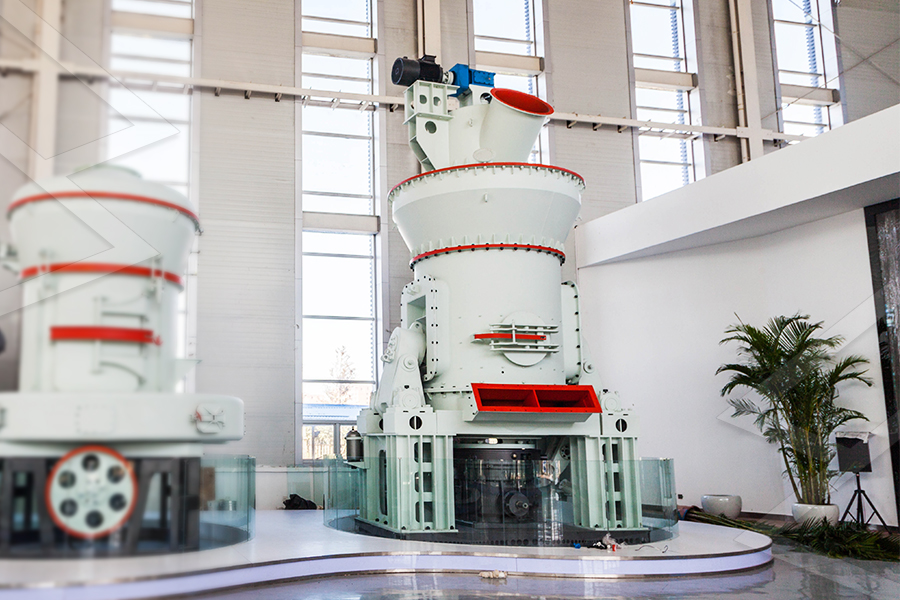
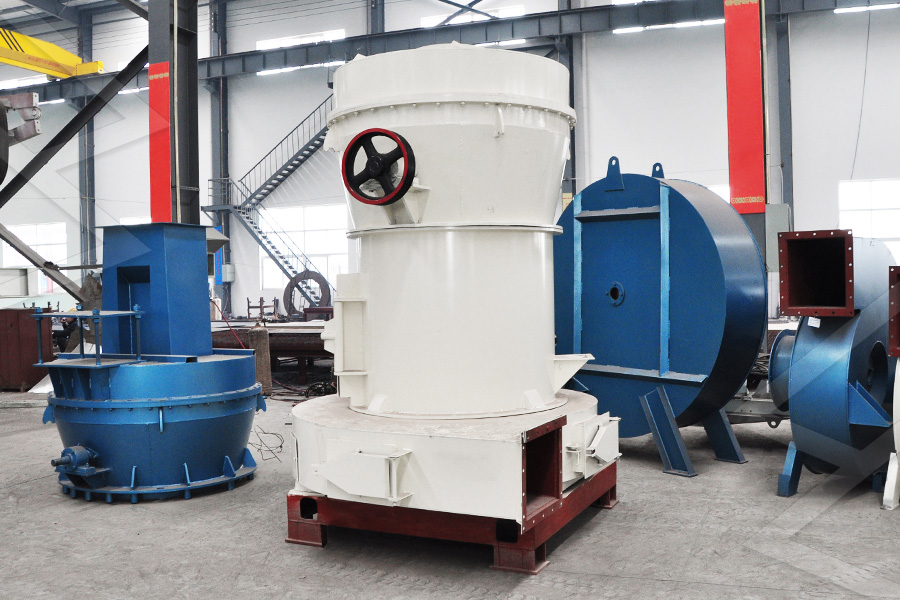
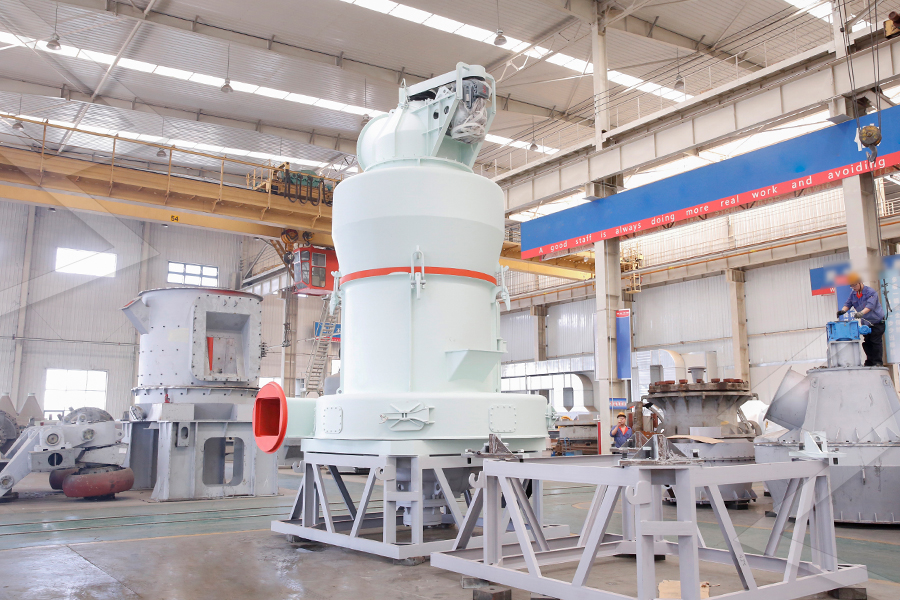
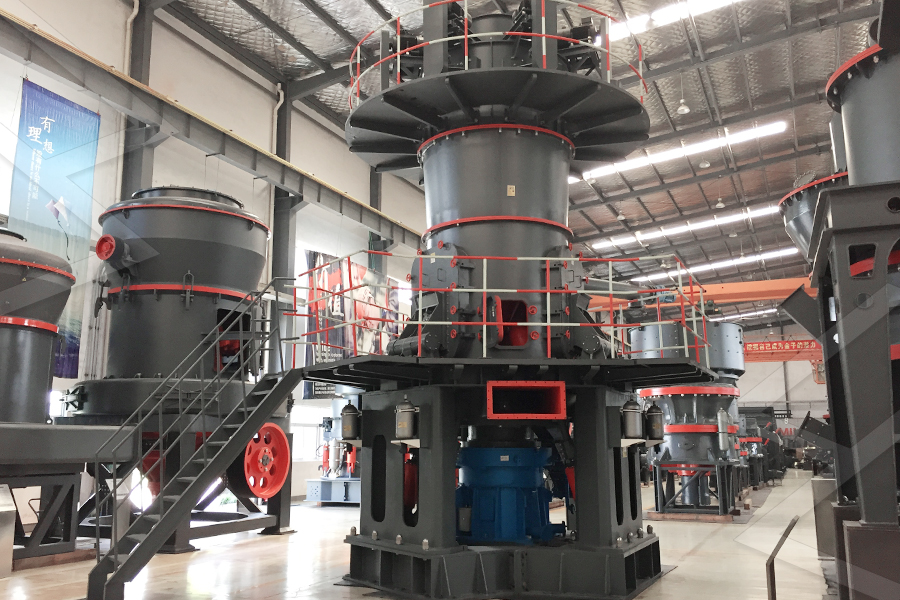
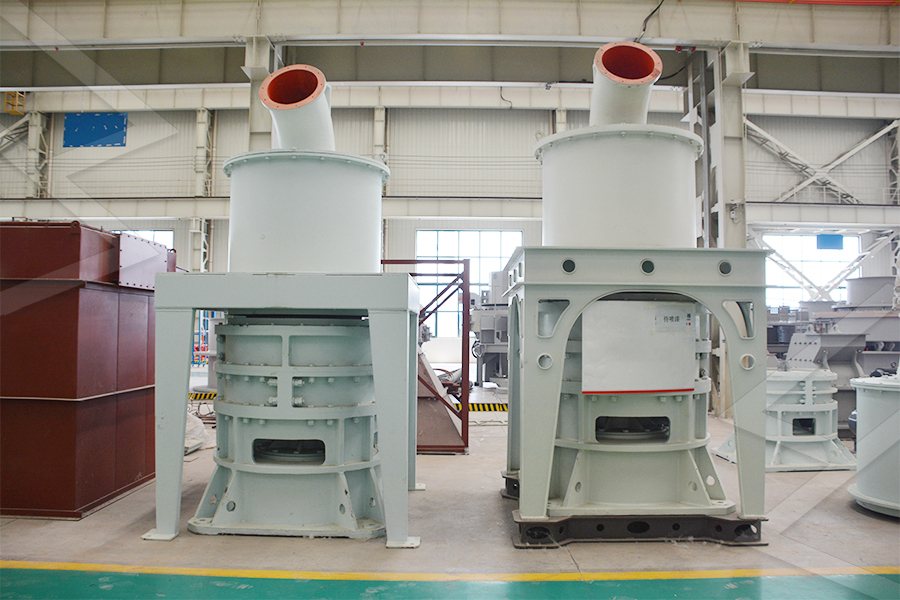
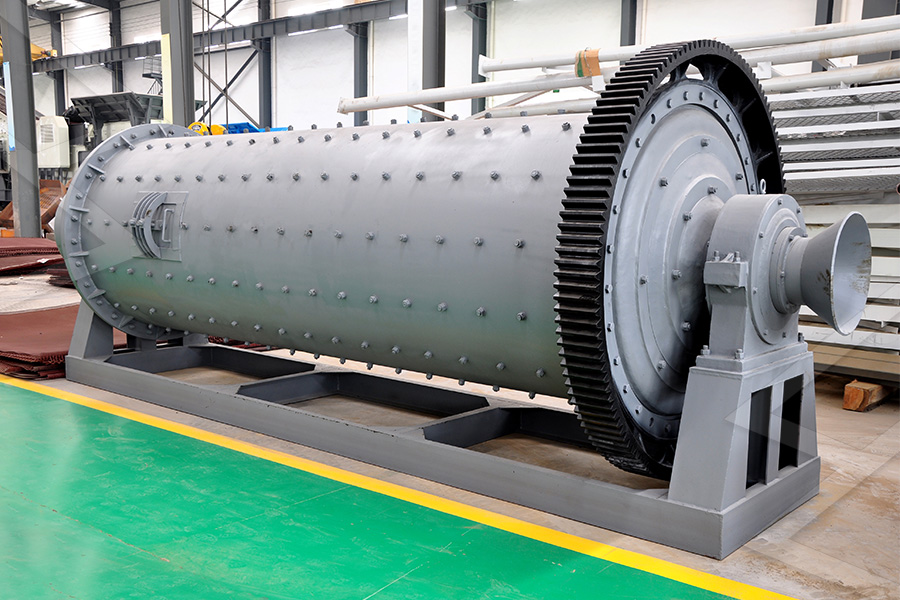
Core Ultrafine Grinding Unit: The heart of the system is an air-jet mill (fluidized bed jet mill) or a mechanical mill with integrated dynamic classification.
Air-Jet Mill (e.g., Fluidized Bed Jet Mill): This is ideal for high-value, heat-sensitive talc. Compressed air or superheated steam is injected through nozzles to create a high-velocity vortex in the grinding chamber. Particles are accelerated and collide with each other, achieving breakage primarily by interparticle impact.
This method generates very little heat, preserves the crystal structure, and produces extremely fine, narrow-distribution powder. It is inherently a grinding-classification integration, as the rising air carries particles to an internal classifier; fines are collected, and coarse particles fall back for further grinding.
This method generates very little heat, preserves the crystal structure, and produces extremely fine, narrow-distribution powder. It is inherently a grinding-classification integration, as the rising air carries particles to an internal classifier; fines are collected, and coarse particles fall back for further grinding.
High-Speed Mechanical Mill + Classifier: Systems combining a turbo mill or mechanical impact mill with a high-precision external air classifier are also common. The mill provides the mechanical energy for size reduction, and the ground product is pneumatically conveyed to the classifier. The classifier (often a rotor-type) performs the sharp cut, sending oversize back to the mill for another pass. This closed-circuit design allows independent optimization of grinding intensity and cut size.