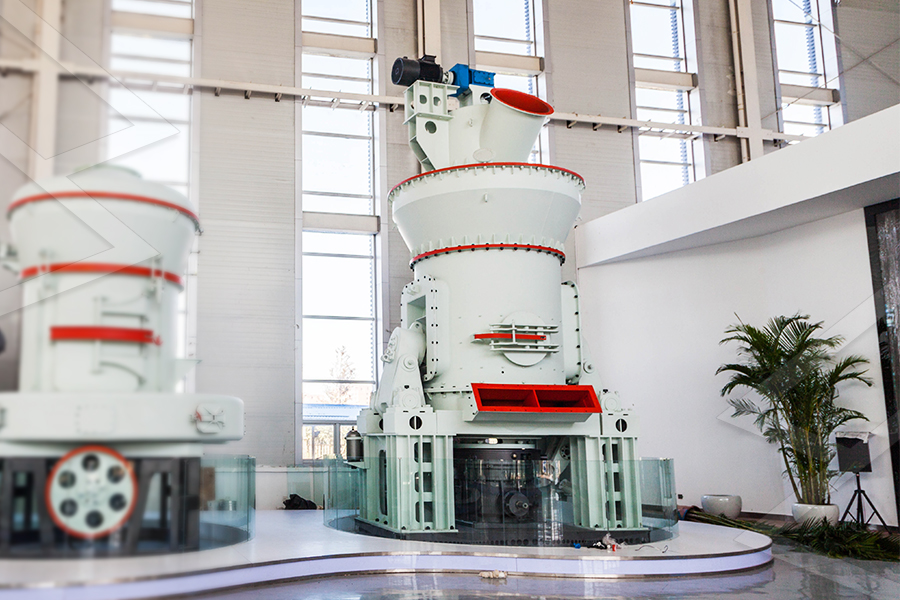
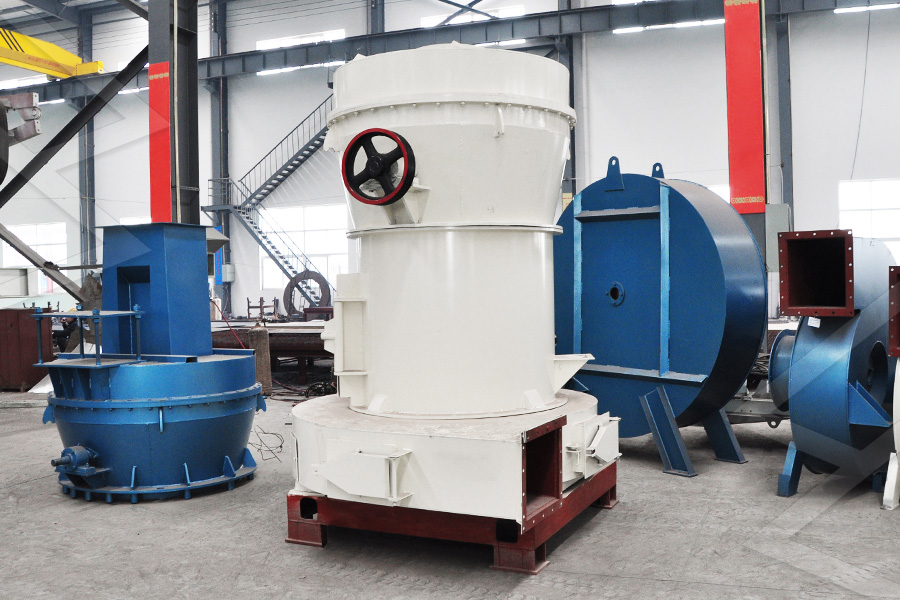
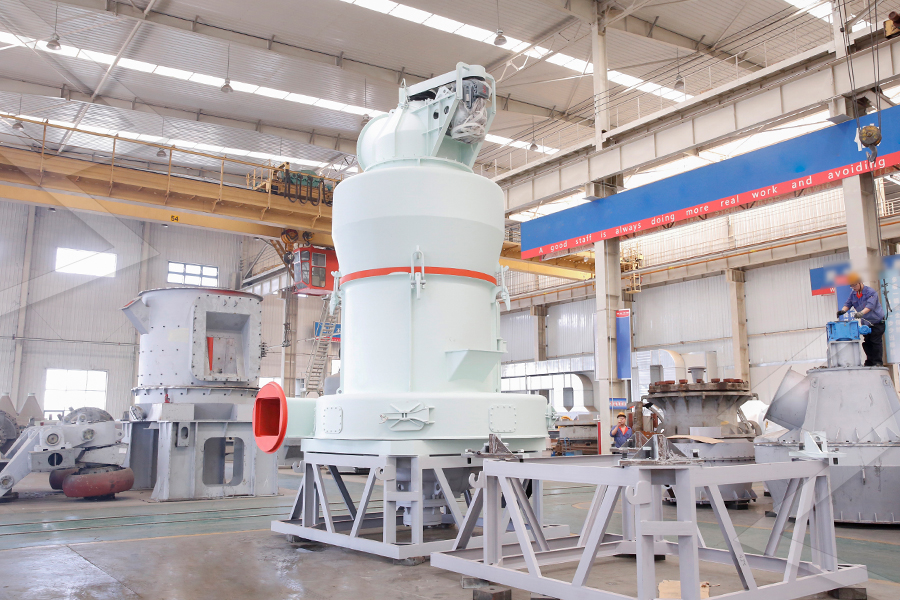
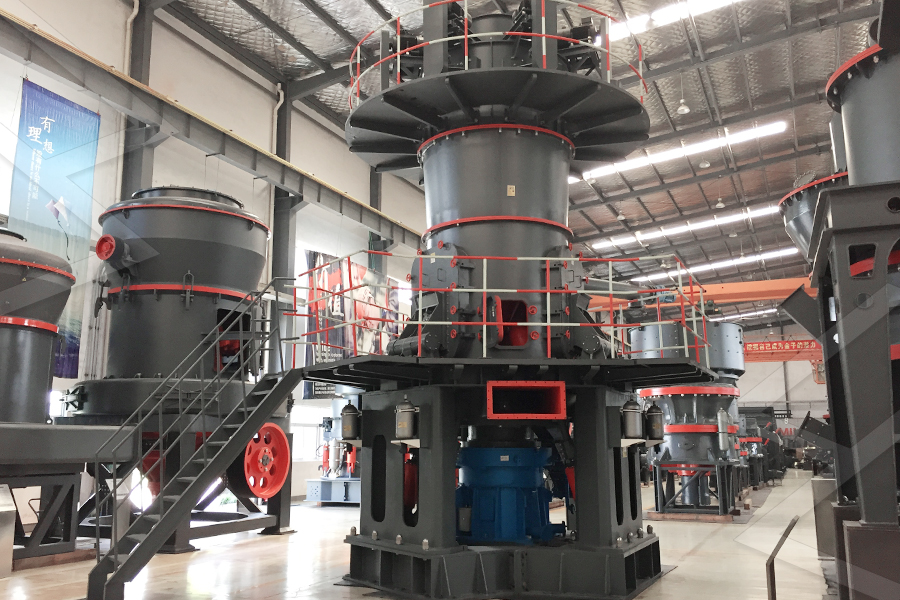
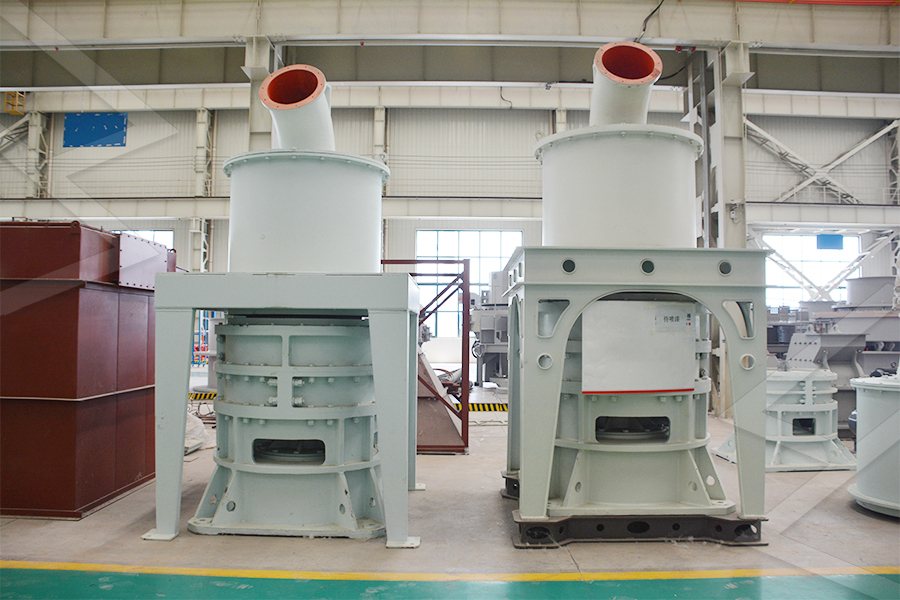
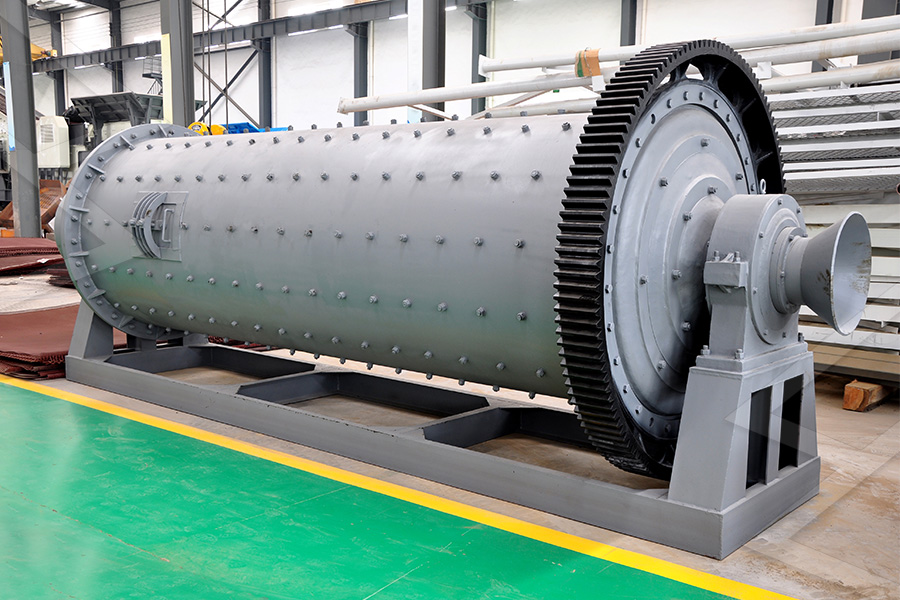
Talc Powder Equipment: Integrated Ultrafine Grinding & Classification Solutions
Producing high-quality talc powder, especially for high-value applications like cosmetics, pharmaceuticals, plastics, and paints, requires equipment capable of delivering ultrafine particles (often d97 < 10 µm) with a tightly controlled size distribution and preserved lamellar structure. This demand has led to the development of integrated grinding and classification systems.
The Challenge: Talc is a soft, platy mineral (Mohs 1). The goal is to delaminate the platelets to achieve fineness and high aspect ratio (which enhances opacity and reinforcement) without excessive breakage across the plates, which would reduce performance. Dry processing is preferred to maintain brightness and avoid drying costs.
Integrated System Solutions:
A modern talc powder line moves beyond a single mill to a synergized circuit:
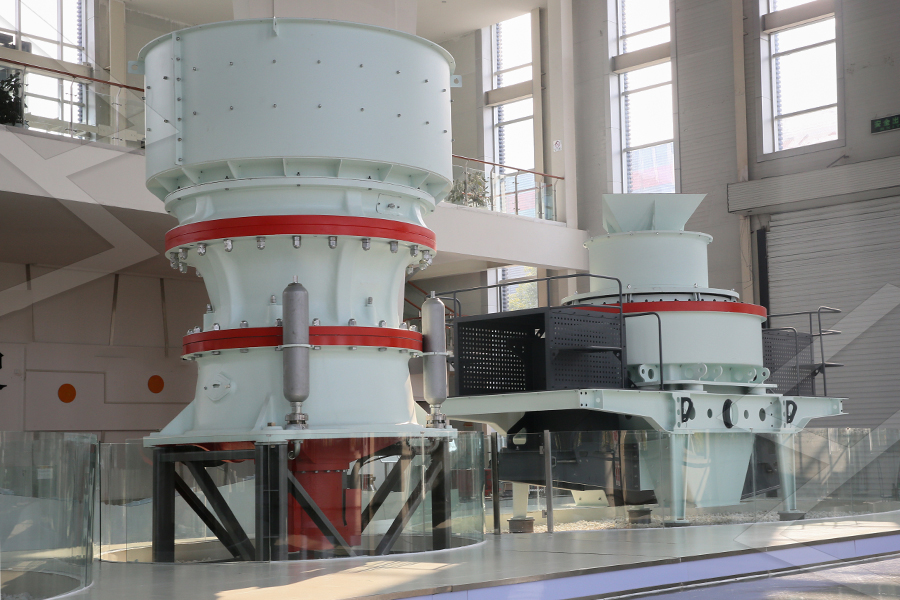
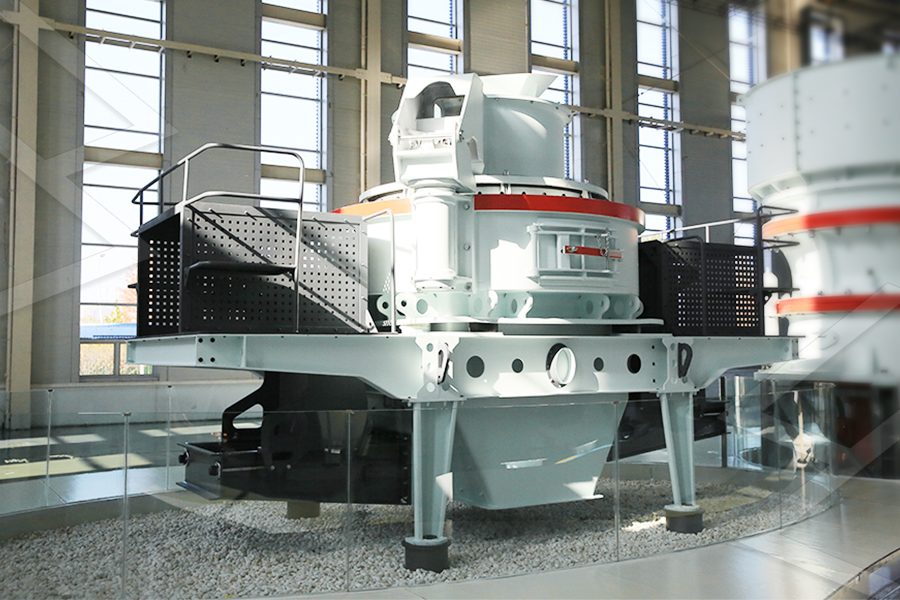
Primary Coarse Grinding: Crushed talc rock is first reduced to a coarse powder (e.g., ~100 mesh) using a mechanical impact mill (pin mill) or a ring roller mill (Raymond mill). This stage prepares the feed for the ultrafine circuit.