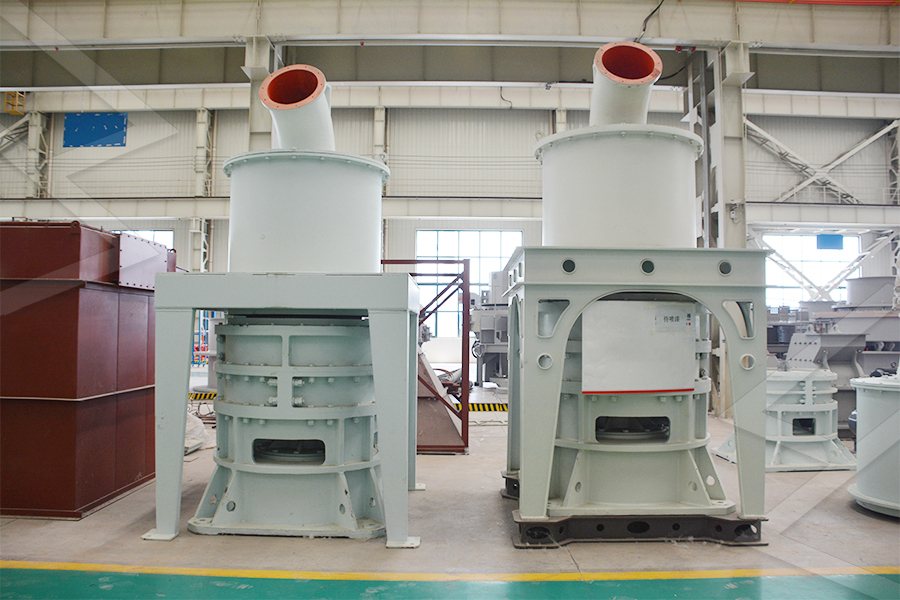
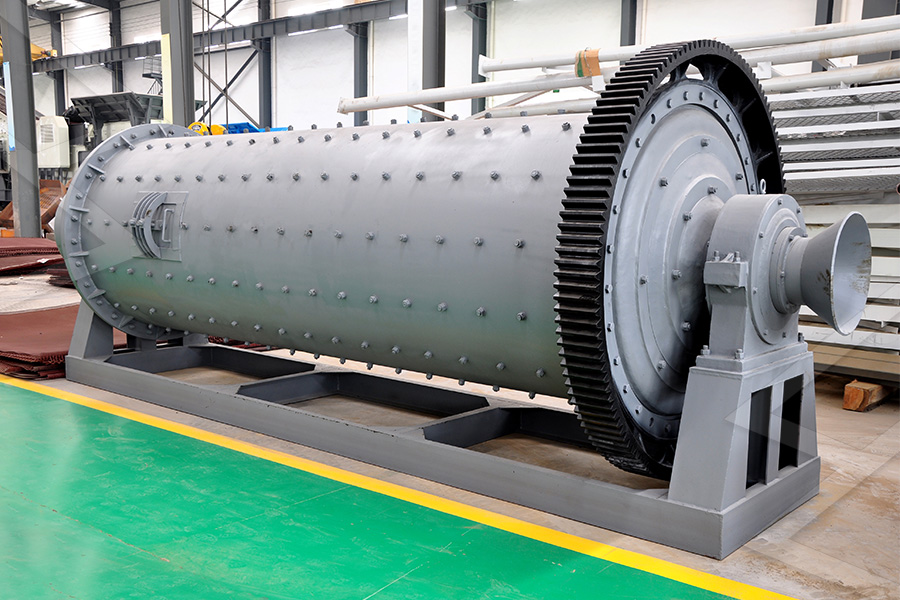
Inspection & Measurement: Thoroughly inspect all components. Key tasks:
Measure roll and ring wear profiles against original drawings. Determine if they can be rebuilt or must be replaced.
Inspect the roll bearings for play, noise, and lubrication condition.
Check the condition of the grinding ring segments and their hold-down hardware.
Inspect the classifier blades, guide vanes, and the mill housing liners for erosion.
Examine the gearbox oil and seals if accessible.
Repair/Replacement: Worn rolls can be rebuilt in-situ via hardfacing with arc-welded abrasion-resistant alloys, a skilled process requiring pre-heat and controlled cooling to avoid cracking. Severely worn parts are replaced. All seals and gaskets in the accessed areas are replaced.
Reassembly & Alignment: Critical step. Rolls must be reinstalled with correct angular alignment and clearance (or pre-load) relative to the ring. Failure here causes rapid, uneven wear and vibration.
Test Run: After reassembly, the mill is run empty to check for abnormal vibration and noise, then gradually loaded with coal while monitoring all parameters.
A comprehensive overhaul strategy, based on runtime and condition monitoring data, minimizes unplanned downtime, maintains grinding efficiency, and optimizes the total cost of ownership over the mill's life.