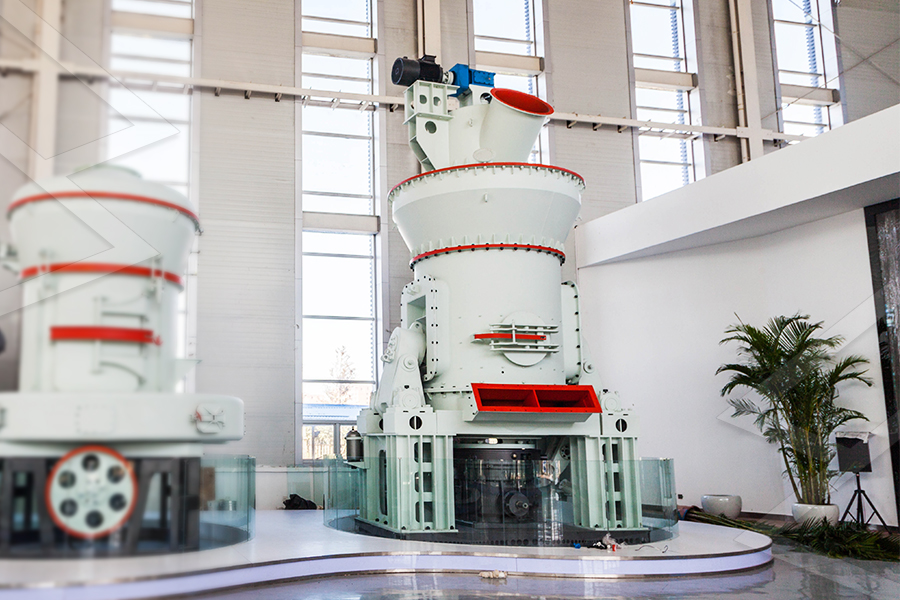
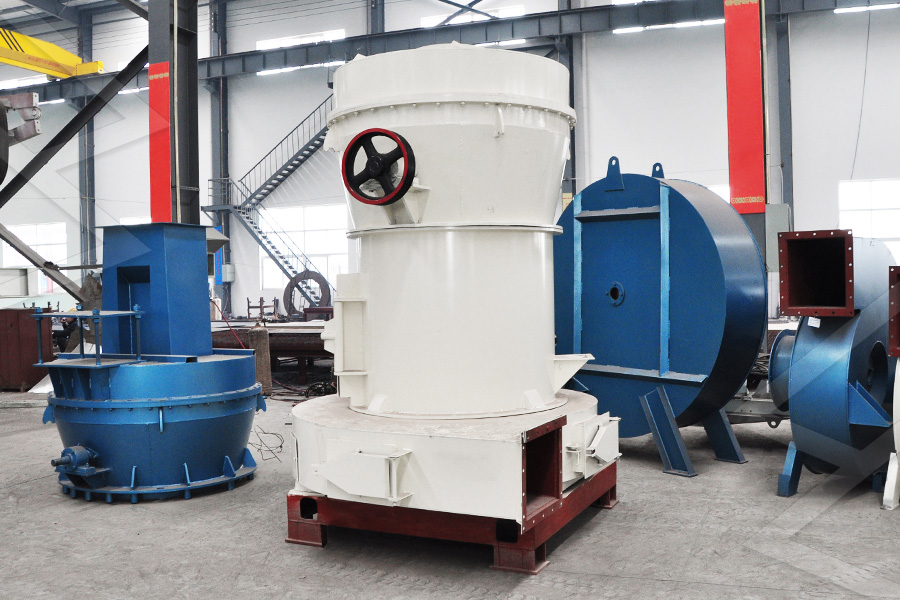
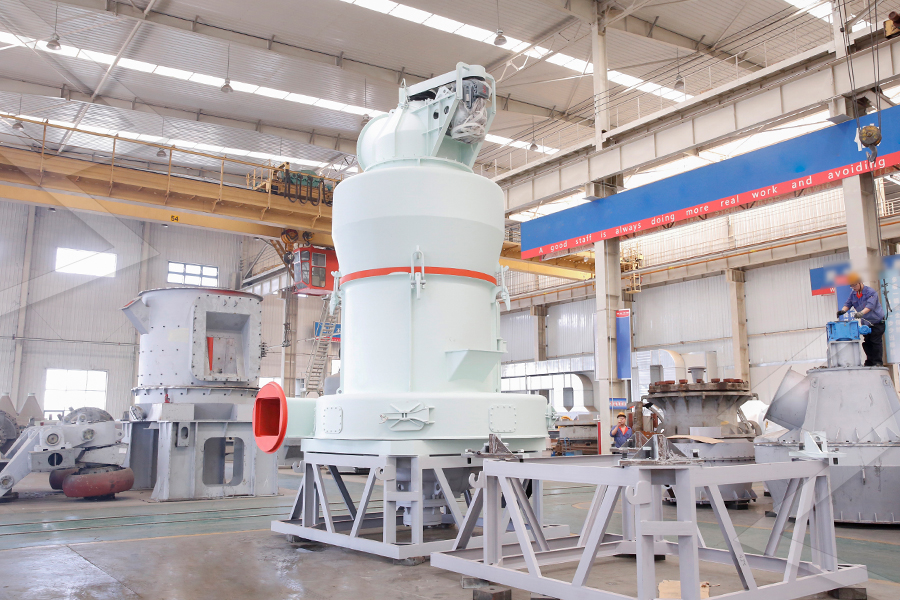
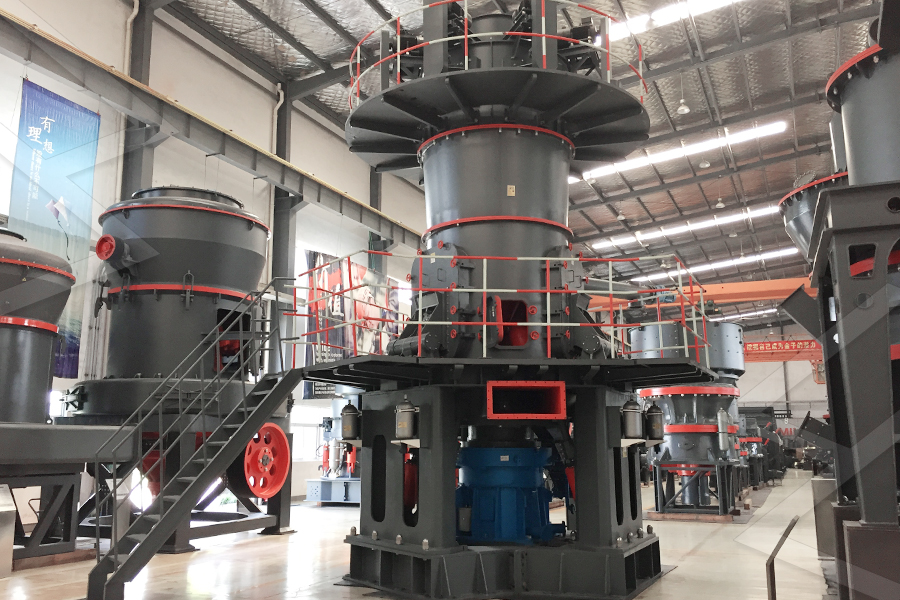
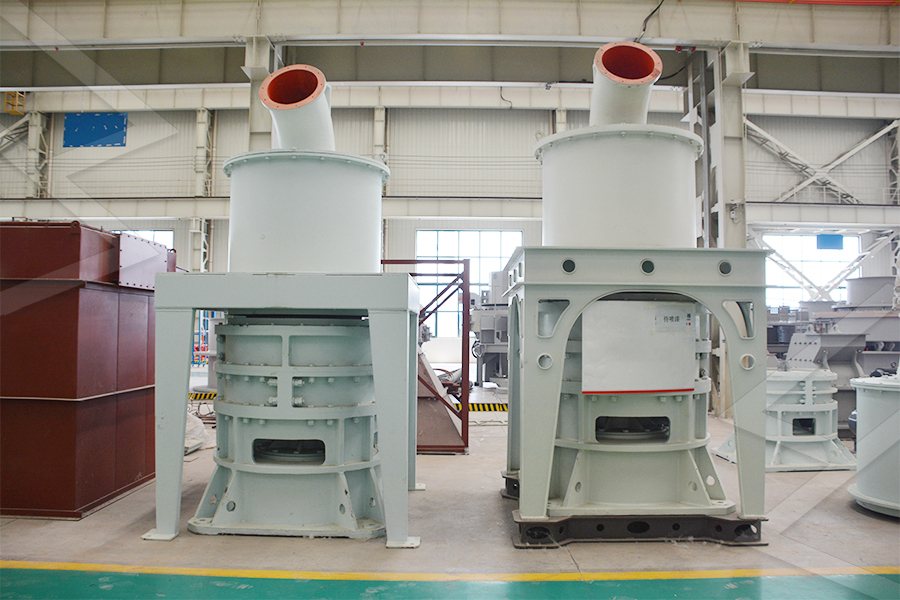
Raymond mill is suitable for small-scale nepheline syenite milling projects. It has the advantages of simple structure, easy operation and low investment cost. The Raymond mill can grind nepheline syenite to 200mesh, and the product quality is stable. However, the Raymond mill has the disadvantages of high energy consumption and low production efficiency. The unit energy consumption is about 50-60 kWh/ton, and the production capacity is generally 1-10 tons per hour. In addition, the Raymond mill should use wear-resistant parts made of non-iron materials to avoid the introduction of iron impurities.
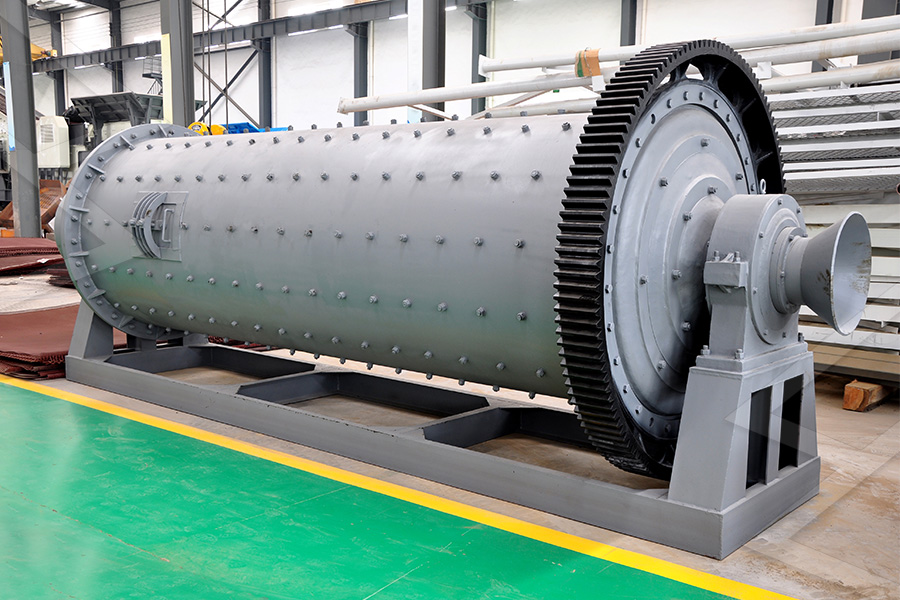
Ultra-fine ball mill is suitable for the production of high-purity nepheline syenite powder. It can grind nepheline syenite to 200mesh or finer, and the product has high purity and low iron content. The ultra-fine ball mill uses ceramic balls or glass balls as grinding media, which can avoid the introduction of iron impurities. However, the ultra-fine ball mill has the disadvantages of high energy consumption and high production cost, which is suitable for enterprises with high requirements on product quality.
200mesh nepheline syenite powder is widely used in the glass industry. It can be used as a raw material for glass production, replacing part of quartz sand and feldspar. Adding 200mesh nepheline syenite powder to glass can reduce the melting temperature of the glass batch, save energy consumption, and improve the transparency, strength and chemical stability of the glass. For example, in the production of flat glass, adding 200mesh nepheline syenite powder can reduce the melting temperature by 50-100℃, and reduce the energy consumption by 10-20%. In the production of glass fiber, adding 200mesh nepheline syenite powder can improve the strength and corrosion resistance of the glass fiber.