Nepheline Syenite Milling to 200mesh: Milling Equipment and Application in Glass Industry
Nepheline syenite is a kind of alkaline feldspar mineral, which is composed of nepheline, feldspar and other minerals. It has the advantages of low melting point, high alumina content and low iron content. It is widely used in glass, ceramics, enamel and other industries. The milling of nepheline syenite to 200mesh is an important pre-treatment process, which can improve the melting efficiency of nepheline syenite and reduce the energy consumption of production. Therefore, the selection of efficient milling equipment for nepheline syenite to 200mesh is of great significance for the development of the related industries.
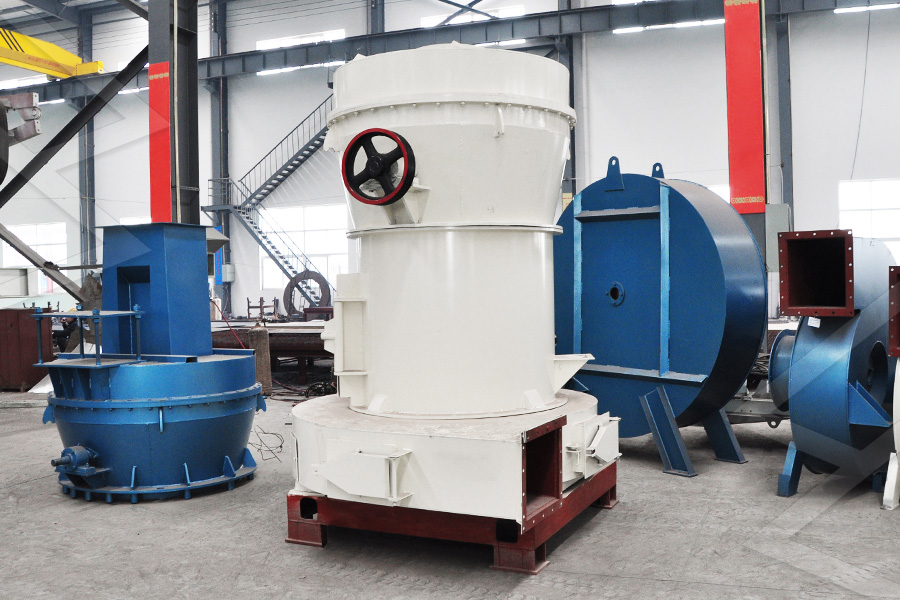
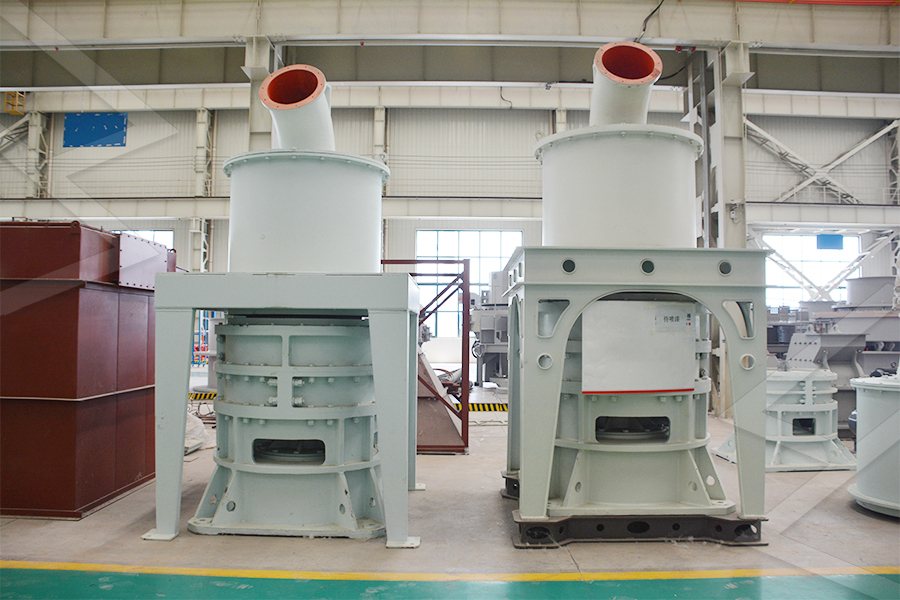
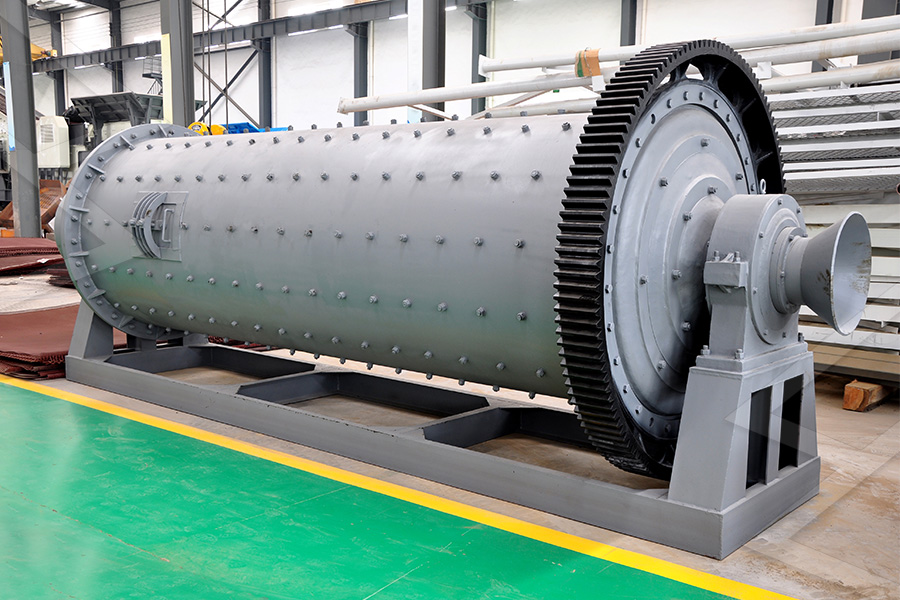
Nepheline syenite has the characteristics of medium hardness, good grindability and low iron content. Therefore, the milling equipment should have good grinding effect and avoid the introduction of iron impurities. At present, the commonly used equipment for nepheline syenite milling to 200mesh includes vertical roller mill, Raymond mill and ultra-fine ball mill.
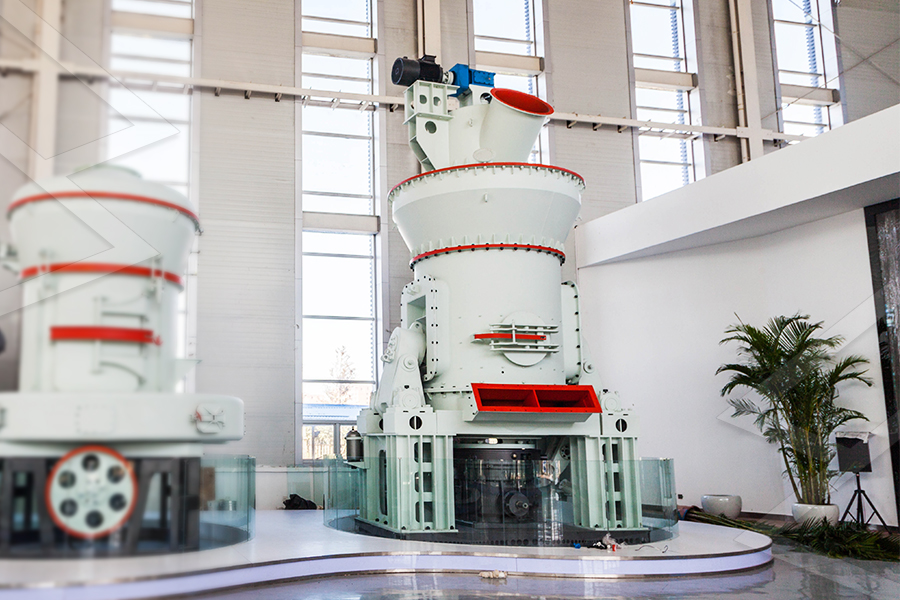
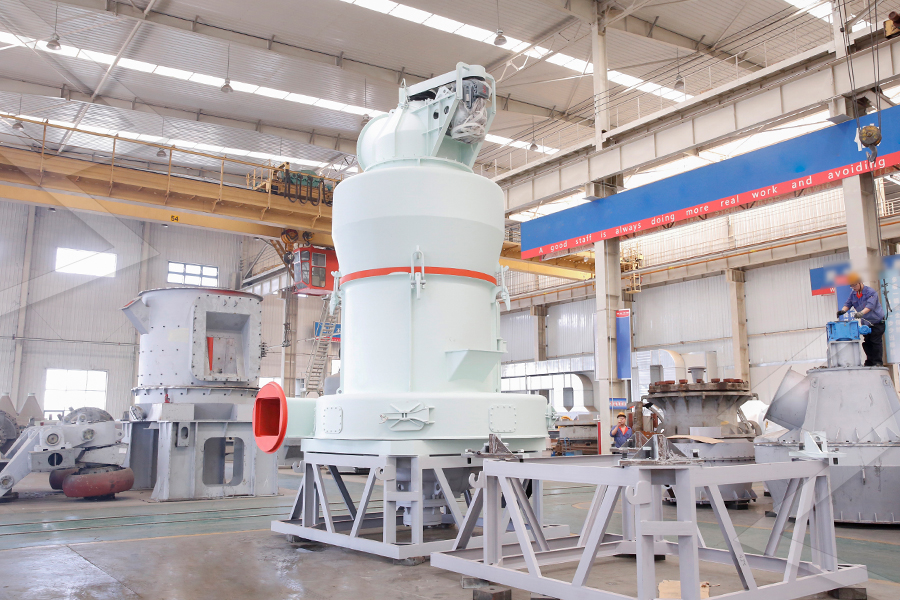
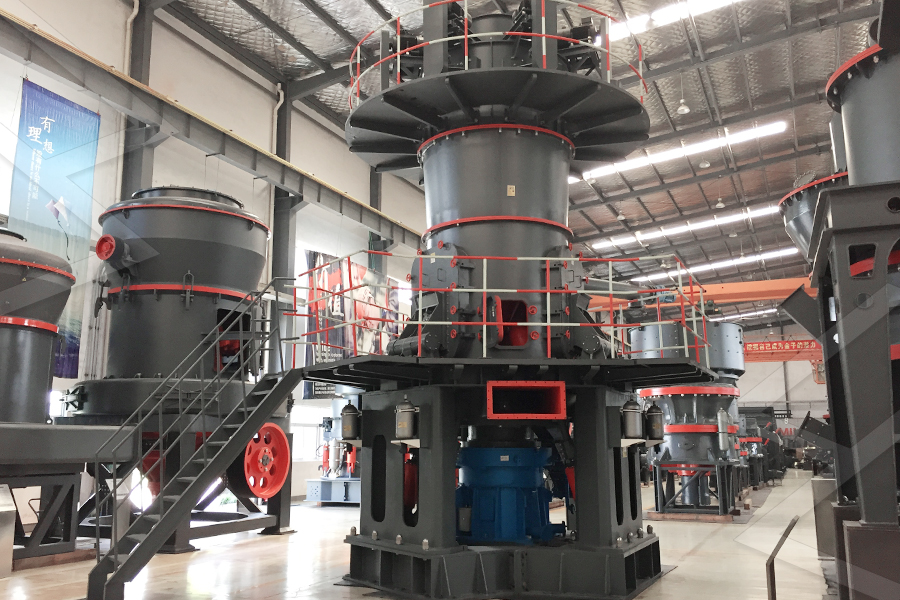
Vertical roller mill is the preferred equipment for large-scale nepheline syenite milling to 200mesh. The vertical roller mill adopts the working principle of roller pressing and grinding, which can complete the processes of crushing, grinding, grading and conveying in one step. It has the advantages of high production efficiency, low energy consumption and small floor area. The vertical roller mill is equipped with wear-resistant parts made of high-alumina ceramic or alloy materials, which can avoid the introduction of iron impurities and ensure the low iron content of the product. When milling nepheline syenite to 200mesh, the vertical roller mill can achieve a production capacity of 5-50 tons per hour, and the unit energy consumption is only 25-35 kWh/ton. At the same time, the vertical roller mill adopts a closed-loop production process, which can effectively control the dust emission, meeting the national environmental protection standards.