Gypsum Milling to 100mesh: Application of Raymond Mill and Production Efficiency Improvement
Gypsum is a widely distributed mineral resource, which is divided into natural gypsum and industrial by-product gypsum. After milling, gypsum powder can be used in building materials, chemical industry, agriculture and other fields. 100mesh gypsum powder is a common specification, which is mainly used in the production of gypsum board, gypsum mortar, plaster and other building materials. Raymond mill, as a traditional milling equipment, is widely used in the production of 100mesh gypsum powder due to its simple structure, easy operation and low investment cost.
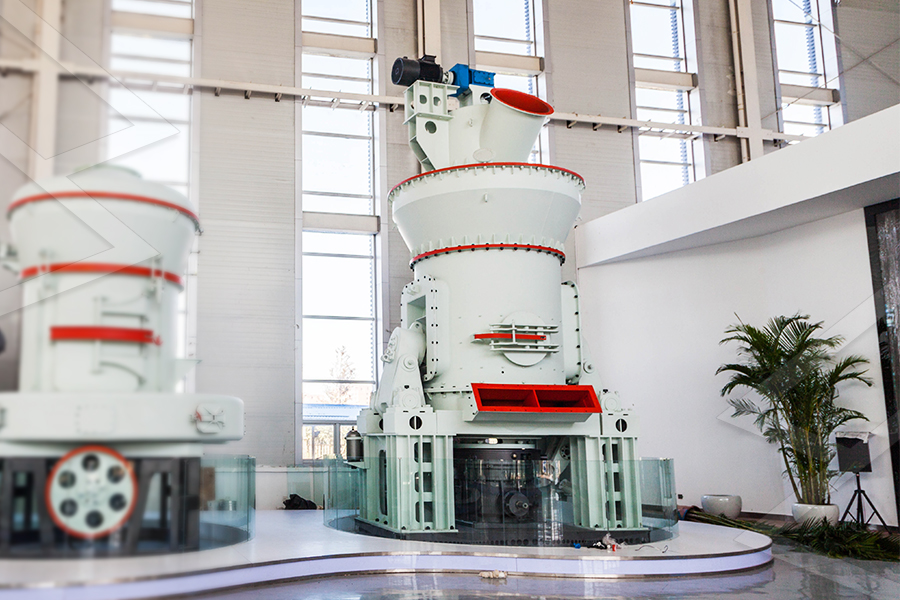
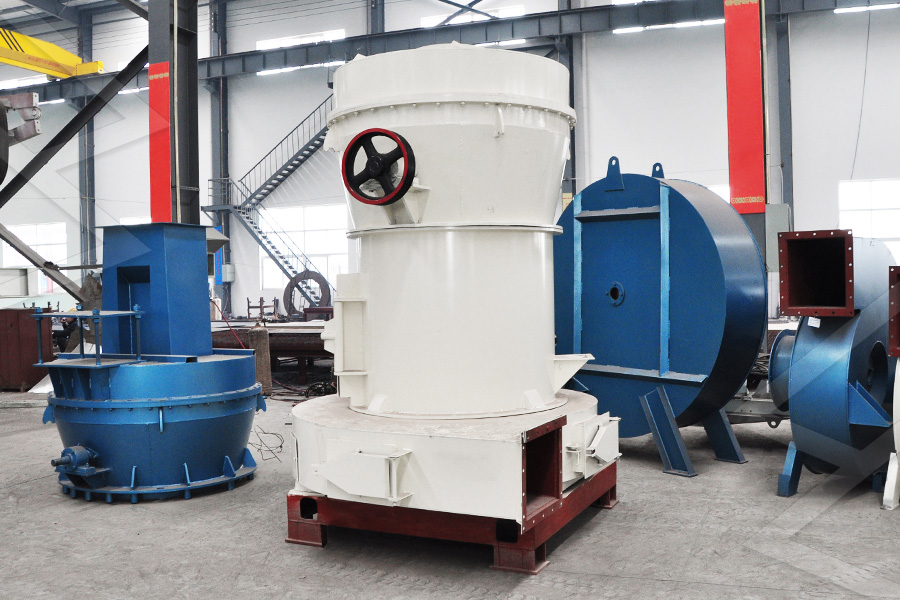
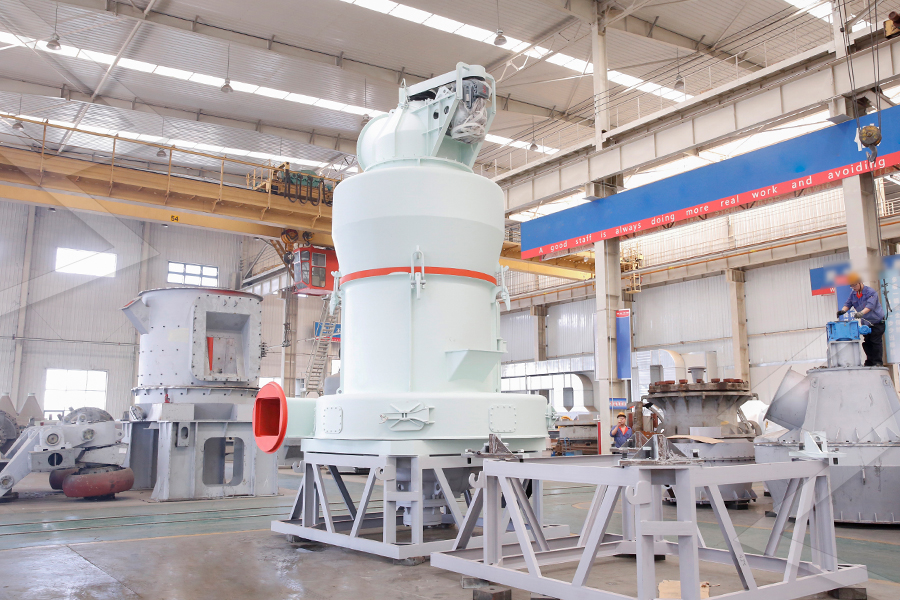
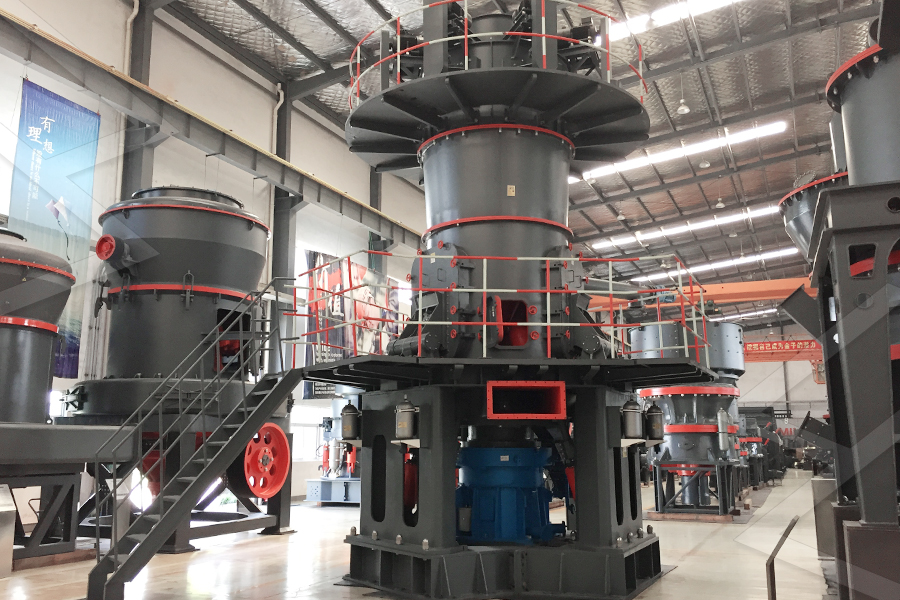
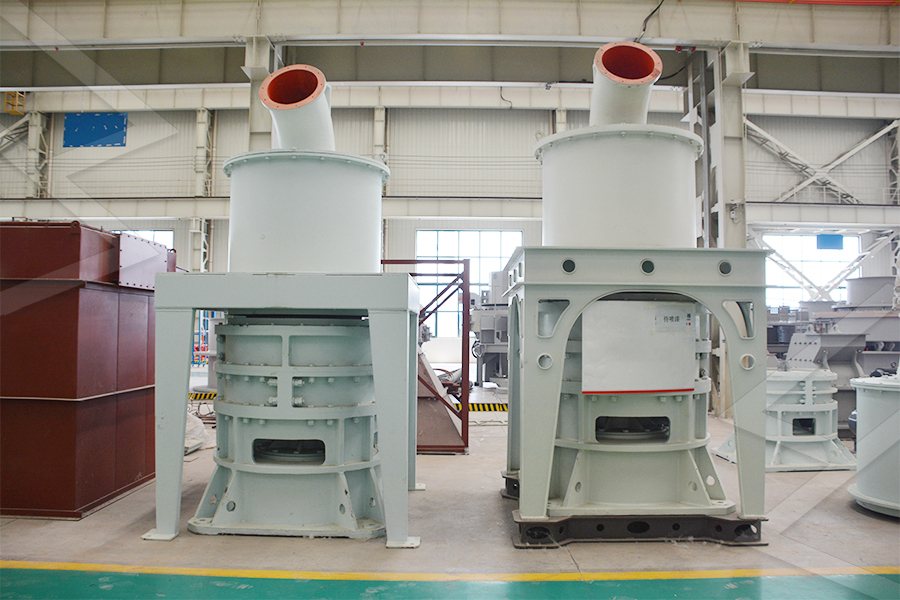
Raymond mill is composed of main machine, analyzer, blower, cyclone collector, pipeline system and other parts. The working principle of Raymond mill for gypsum milling is as follows: the raw gypsum is crushed to less than 25mm by a hammer crusher, and then sent to the main machine of Raymond mill through a conveyor. In the main machine, the material is lifted by the shovel blade and sent between the grinding roller and the grinding ring.
Under the action of centrifugal force, the grinding roller presses the material on the grinding ring for grinding. The ground material is blown up by the air flow generated by the blower and enters the analyzer for classification. The 100mesh qualified powder is sent to the cyclone collector for collection, and the unqualified coarse powder falls back to the grinding chamber for regrinding. The whole production process is continuous and stable, which can ensure the continuous output of 100mesh gypsum powder.
Under the action of centrifugal force, the grinding roller presses the material on the grinding ring for grinding. The ground material is blown up by the air flow generated by the blower and enters the analyzer for classification. The 100mesh qualified powder is sent to the cyclone collector for collection, and the unqualified coarse powder falls back to the grinding chamber for regrinding. The whole production process is continuous and stable, which can ensure the continuous output of 100mesh gypsum powder.
Although Raymond mill has many advantages in the production of 100mesh gypsum powder, there are still some problems in the actual production process, such as low production efficiency and high energy consumption. To solve these problems, we can take a series of measures to improve the production efficiency of Raymond mill. First, optimize the feeding system. By installing a frequency conversion feeder, the feeding amount can be adjusted according to the working condition of the mill, avoiding the overload of the mill caused by excessive feeding and the low efficiency caused by insufficient feeding. Second, improve the grinding parts.