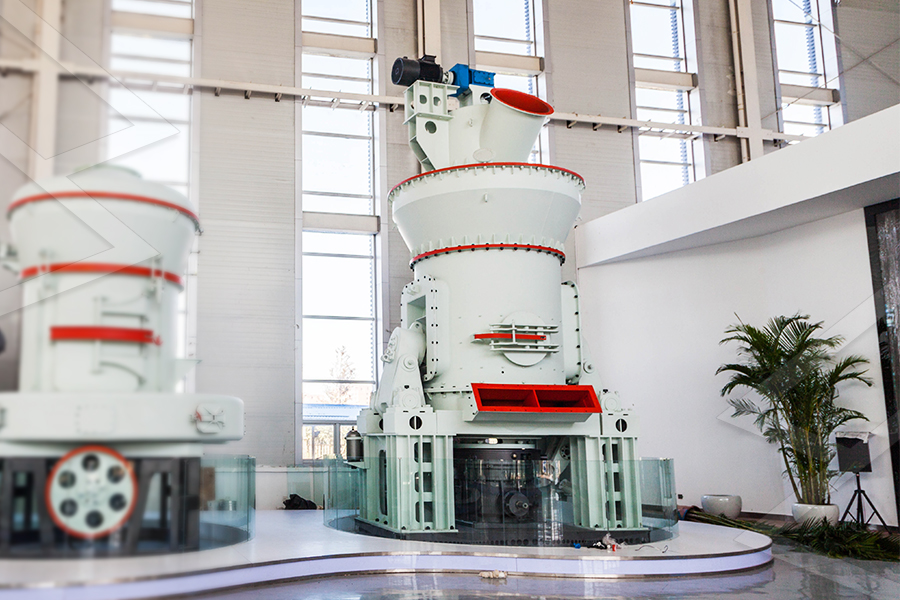
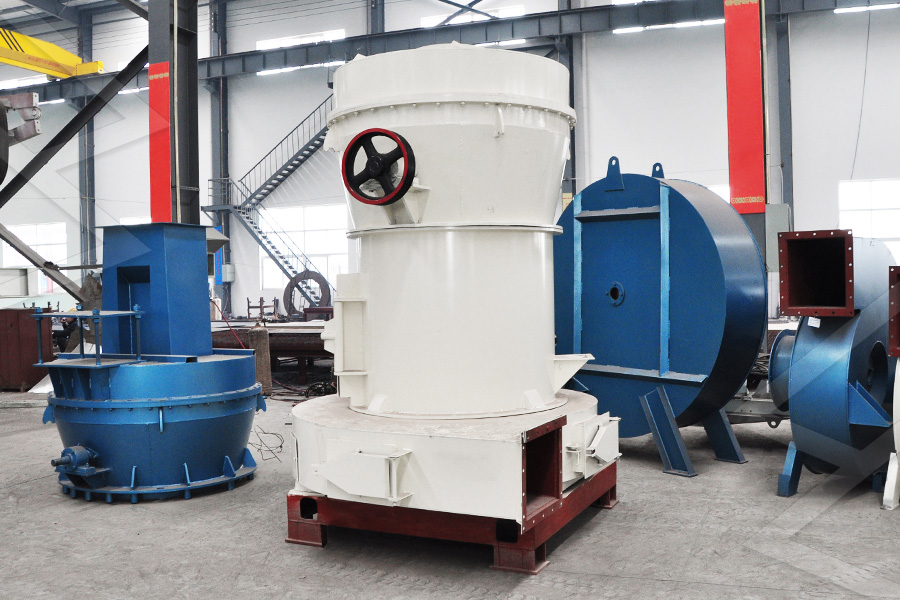
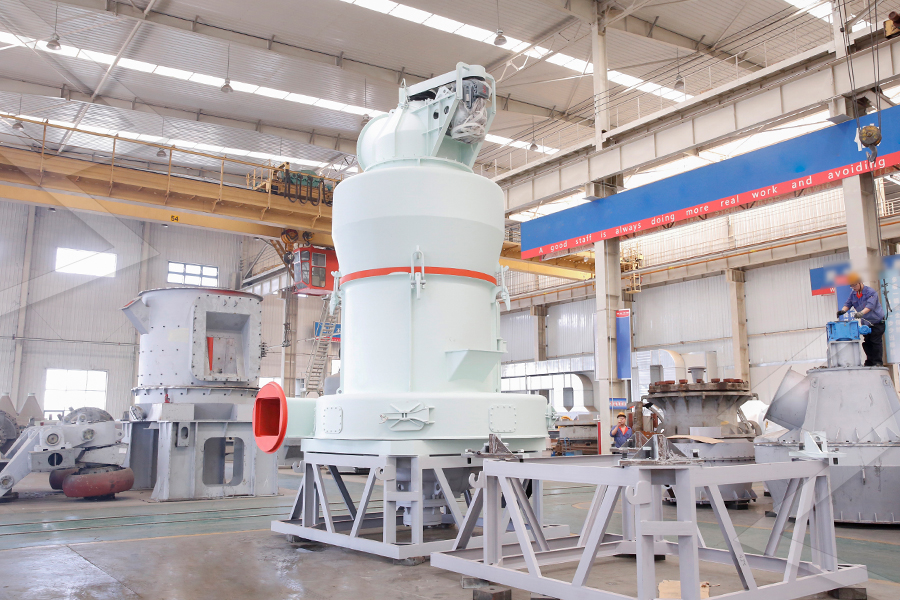
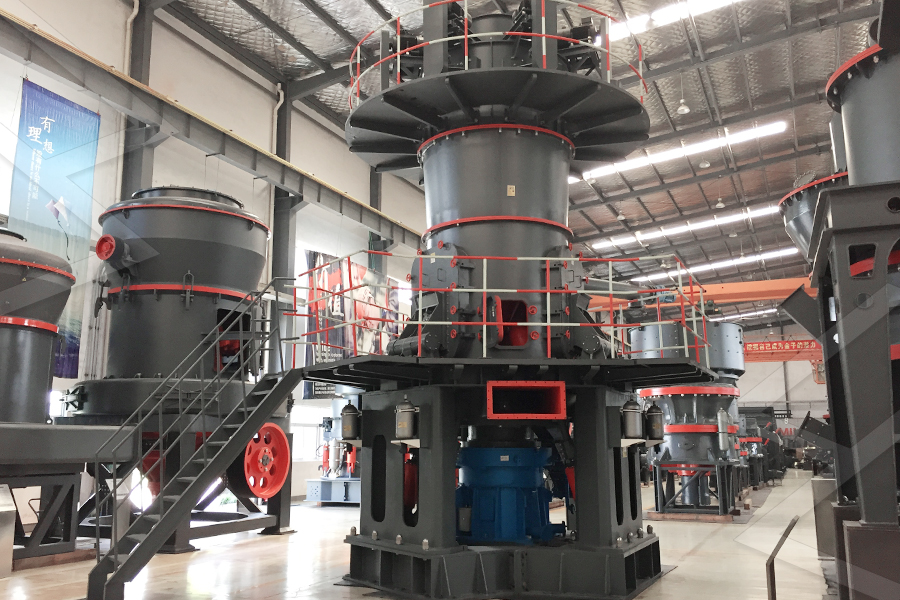
Optimizing the Operation Parameters of Vertical Mills for Maximum Efficiency
To fully leverage the performance of vertical mills, it is essential to optimize their operation parameters. The key parameters include material feed rate, grinding pressure, air flow rate, and hot air temperature. Proper adjustment of these parameters can significantly improve grinding efficiency, reduce energy consumption, and ensure stable product quality.
The material feed rate is one of the most important parameters to optimize. A too-low feed rate leads to underutilization of the mill's capacity, increasing unit energy consumption. Conversely, a too-high feed rate causes overloading of the grinding table, resulting in reduced grinding efficiency, increased vibration, and even equipment failure. The optimal feed rate depends on the type and hardness of the material, as well as the mill's capacity. For example, when grinding limestone, the feed rate can be set higher than when grinding granite. Operators can determine the optimal feed rate by monitoring the mill's load, current, and product fineness.
Grinding pressure directly affects the grinding efficiency and product fineness. Higher grinding pressure generally results in finer powder and higher grinding efficiency, but it also increases energy consumption and wear of the grinding components. Therefore, it is necessary to find a balance between grinding pressure, efficiency, and cost.
For soft materials, lower grinding pressure is sufficient to achieve the required fineness. For hard materials, higher grinding pressure is needed, but it should be adjusted within the range that the grinding components can withstand. The hydraulic system of modern vertical mills allows for precise adjustment of grinding pressure, and operators can set the optimal pressure based on real-time data.
For soft materials, lower grinding pressure is sufficient to achieve the required fineness. For hard materials, higher grinding pressure is needed, but it should be adjusted within the range that the grinding components can withstand. The hydraulic system of modern vertical mills allows for precise adjustment of grinding pressure, and operators can set the optimal pressure based on real-time data.