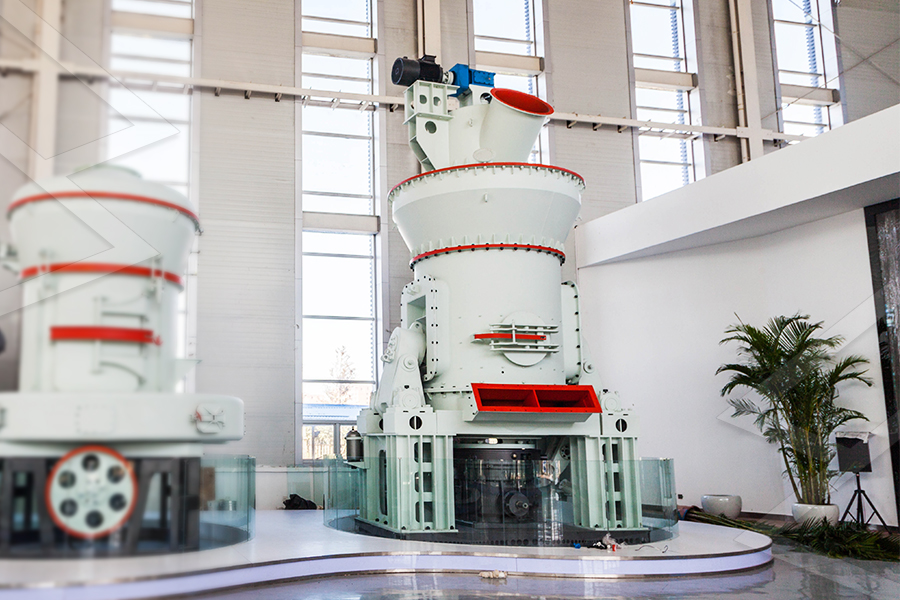
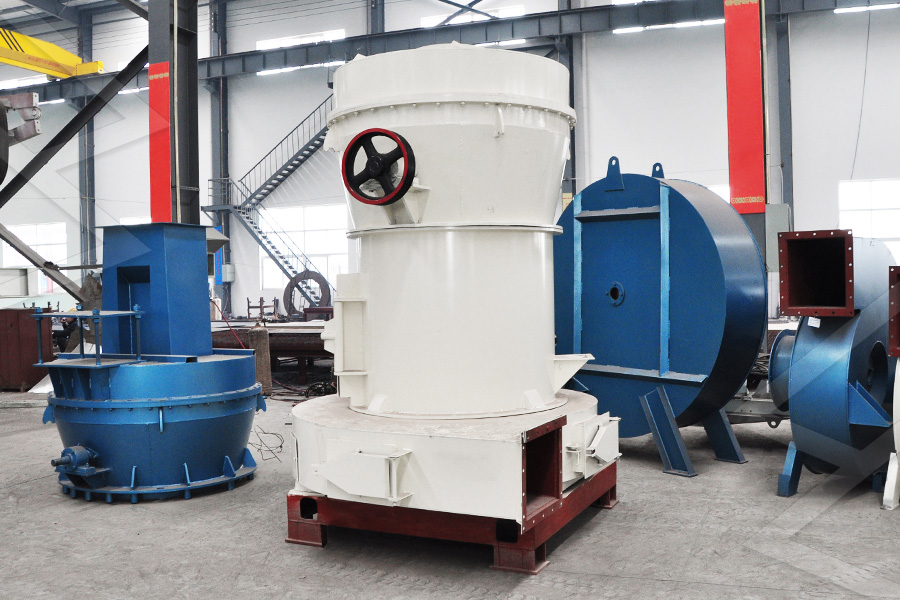
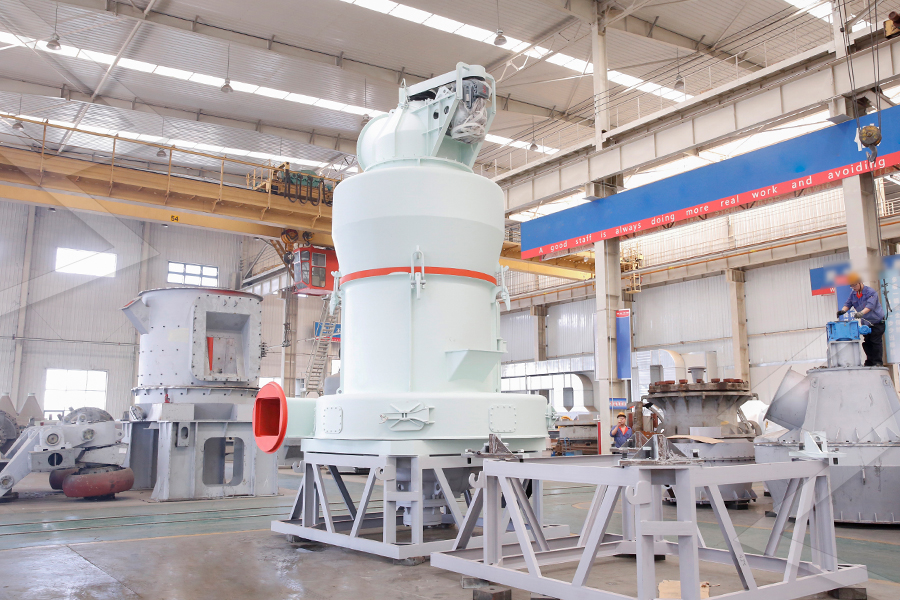
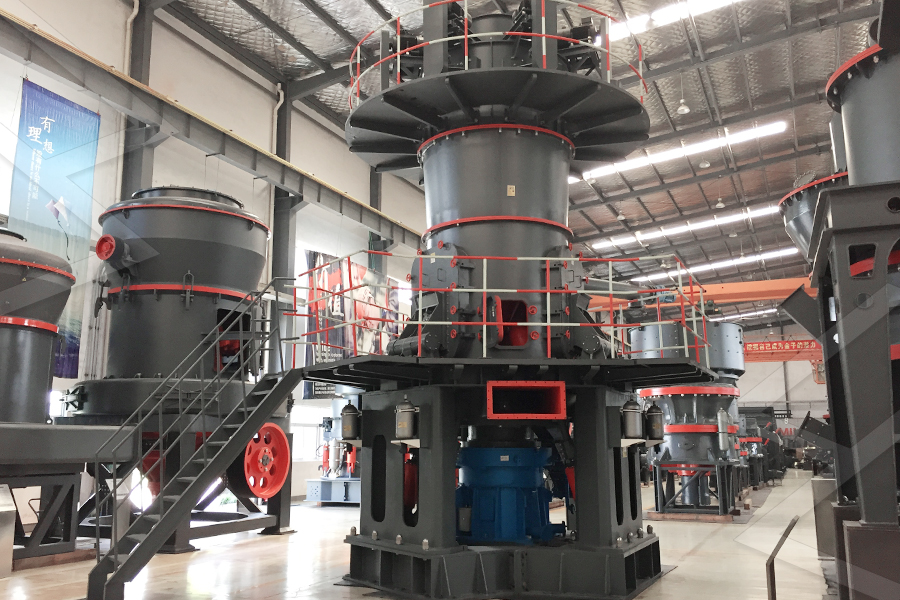
The Application of Vertical Mills in the Pharmaceutical Industry: Meeting GMP Standards
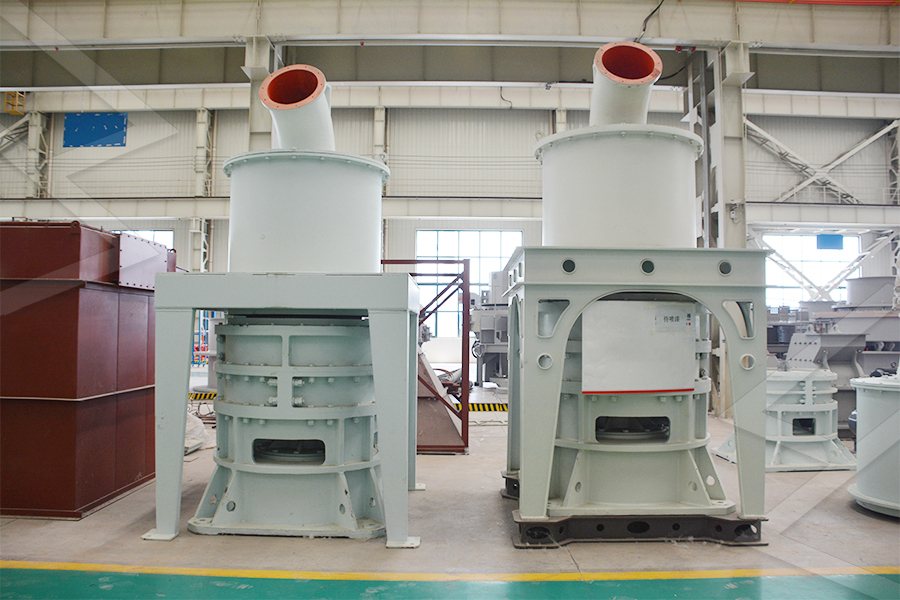
The pharmaceutical industry has strict requirements for the production of pharmaceutical powders, including purity, particle size, and sterility. Vertical mills, when designed and operated in compliance with Good Manufacturing Practice (GMP) standards, are well-suited for pharmaceutical powder production, ensuring product safety and quality.
GMP-compliant vertical mills feature a fully enclosed structure to prevent cross-contamination. All parts in contact with pharmaceutical materials are made of inert materials such as 316L stainless steel, which is corrosion-resistant and easy to clean. The mill is equipped with a CIP (Clean-in-Place) system, allowing for automated cleaning without disassembling the equipment. The CIP system uses high-pressure water or cleaning agents to thoroughly clean the interior of the mill, including the grinding chamber, grinding rollers, and pipelines, ensuring that no residues of previous products remain.
In terms of particle size control, vertical mills offer high precision, which is essential for pharmaceutical powders. Many pharmaceutical products, such as tablets and capsules, require a specific particle size distribution to ensure uniform drug content and bioavailability. Vertical mills can achieve particle sizes ranging from a few micrometers to hundreds of micrometers, with a narrow particle size distribution. The integrated air classification system ensures that only particles meeting the required specifications are collected, while oversized particles are recycled for further grinding.
Sterility is another critical requirement in the pharmaceutical industry. Some vertical mills are designed for aseptic operation, with features such as steam sterilization (SIP) systems. The SIP system uses high-temperature steam to sterilize the mill's interior, eliminating microorganisms and ensuring that the pharmaceutical powder is sterile. Additionally, the mill's air supply and exhaust systems are equipped with high-efficiency particulate air (HEPA) filters, preventing the entry of external contaminants and the release of pharmaceutical powders into the environment.