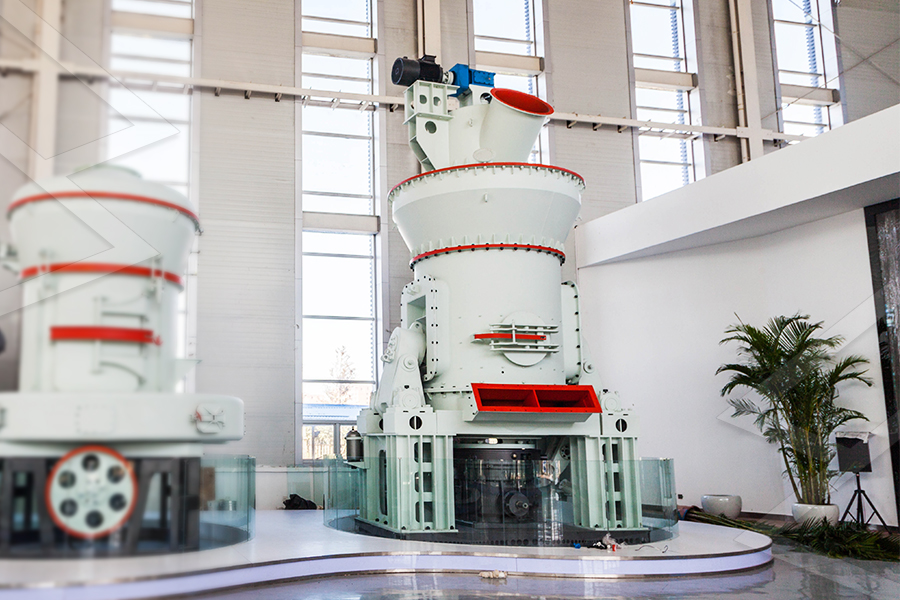
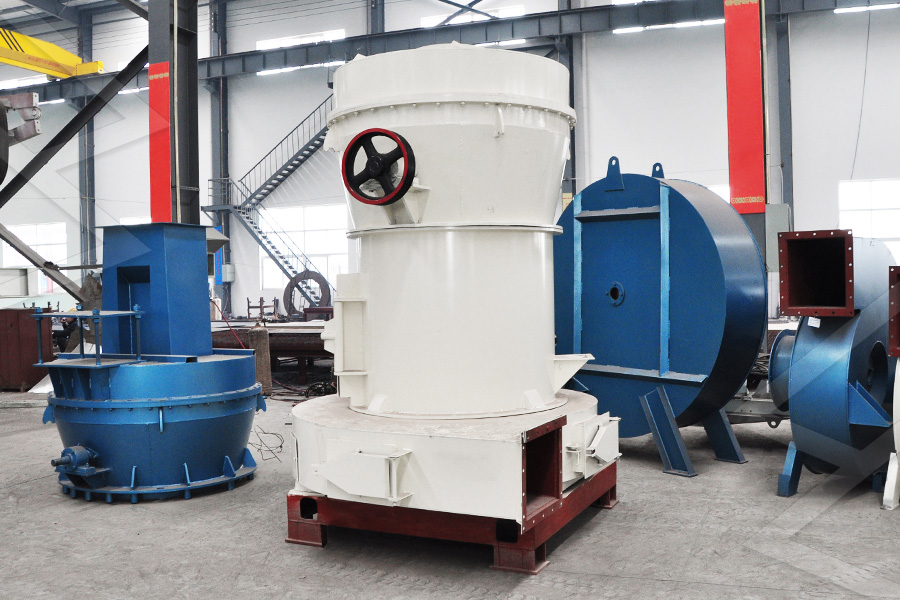
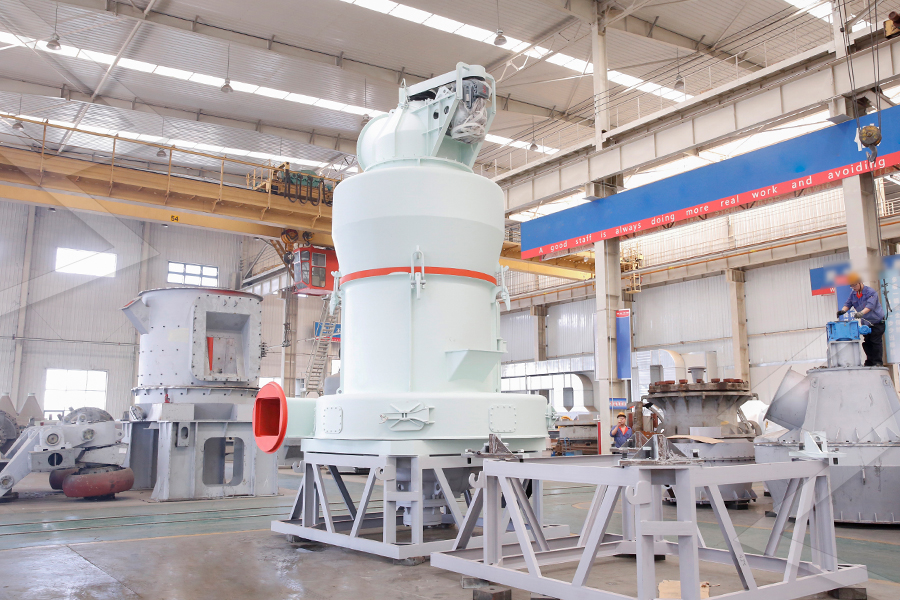
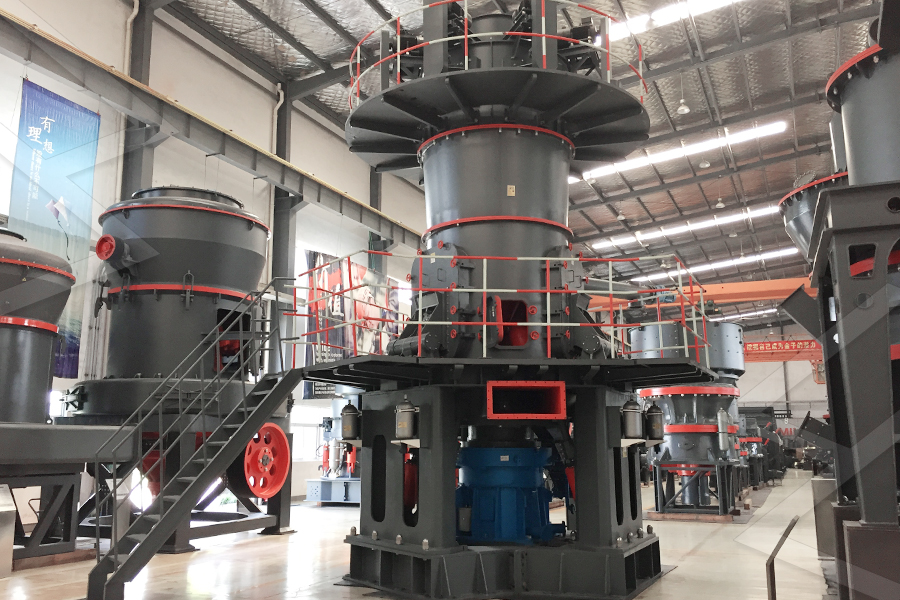
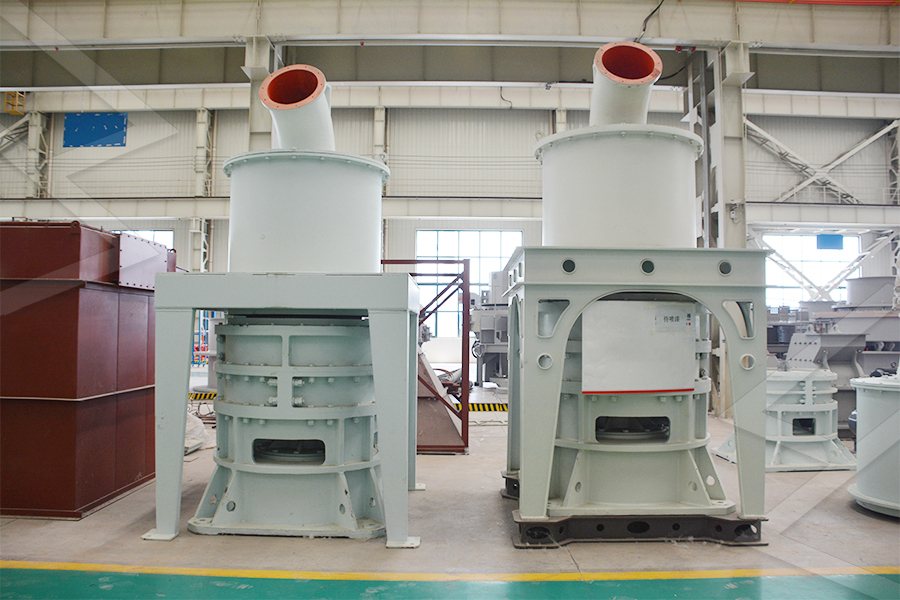
silica grinding mill is a core equipment in india’s glass manufacturing industry, where the demand for high-transparency glass products has been soaring in recent years. local glass factories widely adopt a 6 tph silica grinding mill, as it perfectly matches the production scale of medium-sized enterprises without causing excessive energy waste. this mill is precisely calibrated to produce 75 micron silica powder, a specification that has become the gold standard for float glass production. when added to glass batches, the 75 micron powder reduces light scattering, significantly improving the glass’s transparency and surface smoothness, which is essential for products like architectural glass and solar panels.
the operation process of this silica grinding mill is efficient and stable. raw silica ore from rajasthan’s mines is first crushed into 20mm particles, then fed into the grinding chamber. rotating rollers and a grinding ring work together to grind the material, and an air classifier ensures only 75 micron powder is collected, with coarser particles recirculated. maintenance is convenient too; replacing wearing parts takes just 2-3 hours, minimizing downtime. local suppliers provide timely after-sales service, making the 6 tph, 75 micron silica grinding mill a reliable choice for india’s glass industry.
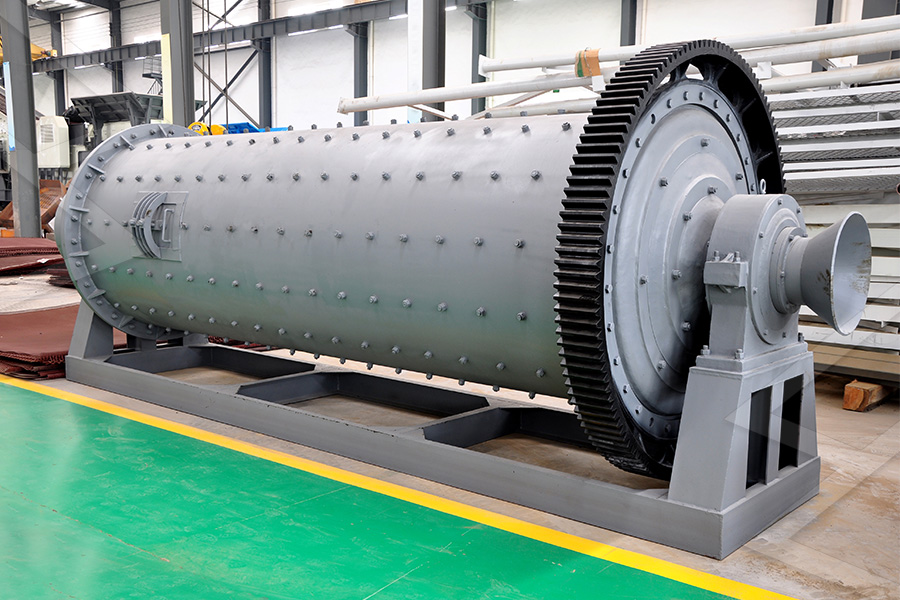
in vietnam’s construction ceramic sector, the silica grinding mill plays an irreplaceable role, especially with the country’s booming real estate market. most ceramic factories opt for a 10 tph silica grinding mill, which can meet the large-scale production needs of wall and floor tile manufacturing. this mill is adjusted to produce 150 micron silica powder, a key component in ceramic glazes. the 150 micron powder improves the glaze’s adhesion and wear resistance, ensuring the tiles can withstand daily friction and humid conditions in vietnam’s climate.
in vietnam’s construction ceramic sector, the silica grinding mill plays an irreplaceable role, especially with the country’s booming real estate market. most ceramic factories opt for a 10 tph silica grinding mill, which can meet the large-scale production needs of wall and floor tile manufacturing. this mill is adjusted to produce 150 micron silica powder, a key component in ceramic glazes. the 150 micron powder improves the glaze’s adhesion and wear resistance, ensuring the tiles can withstand daily friction and humid conditions in vietnam’s climate.