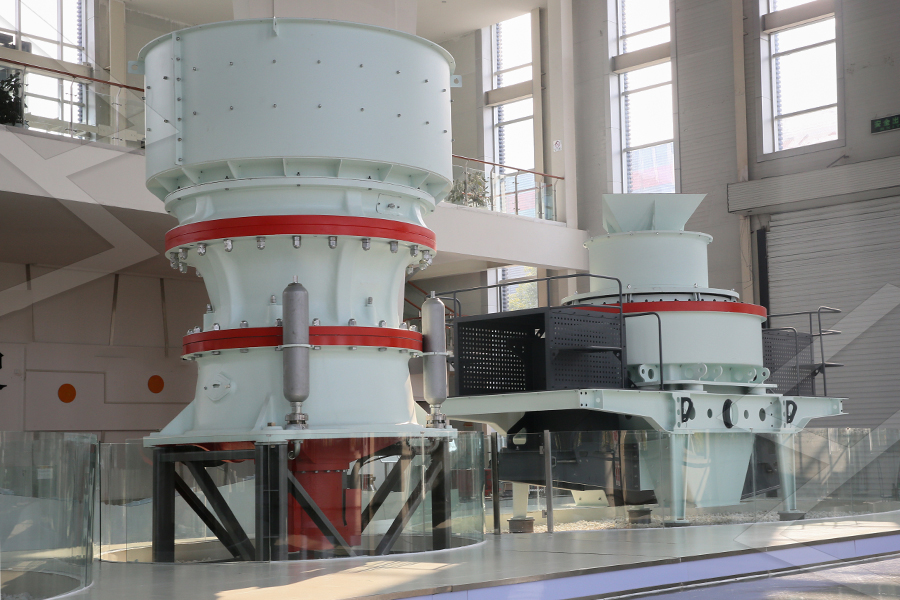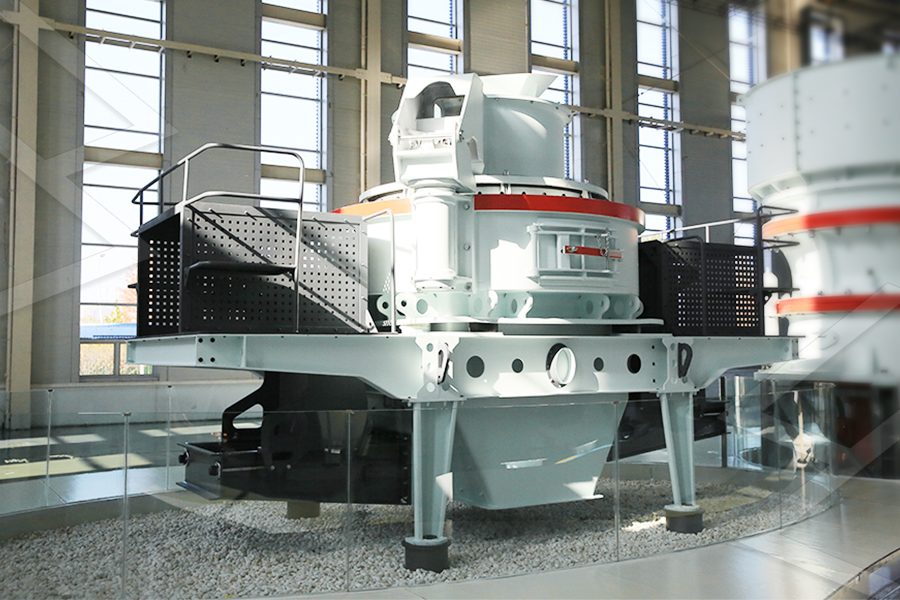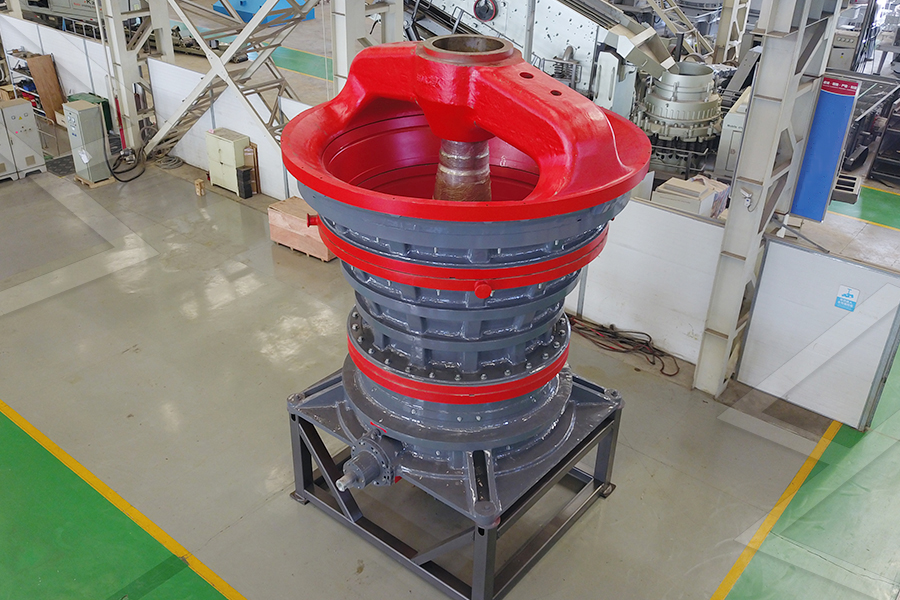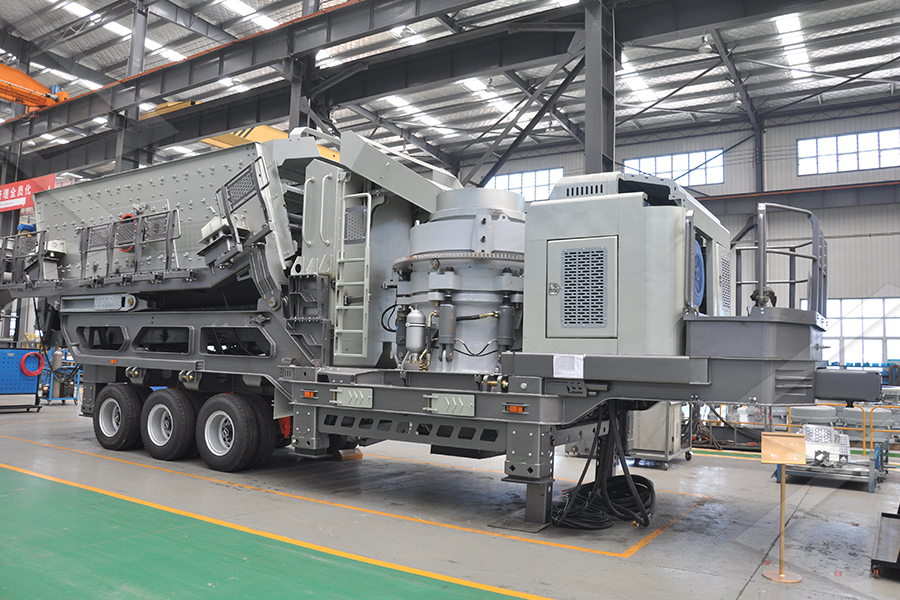
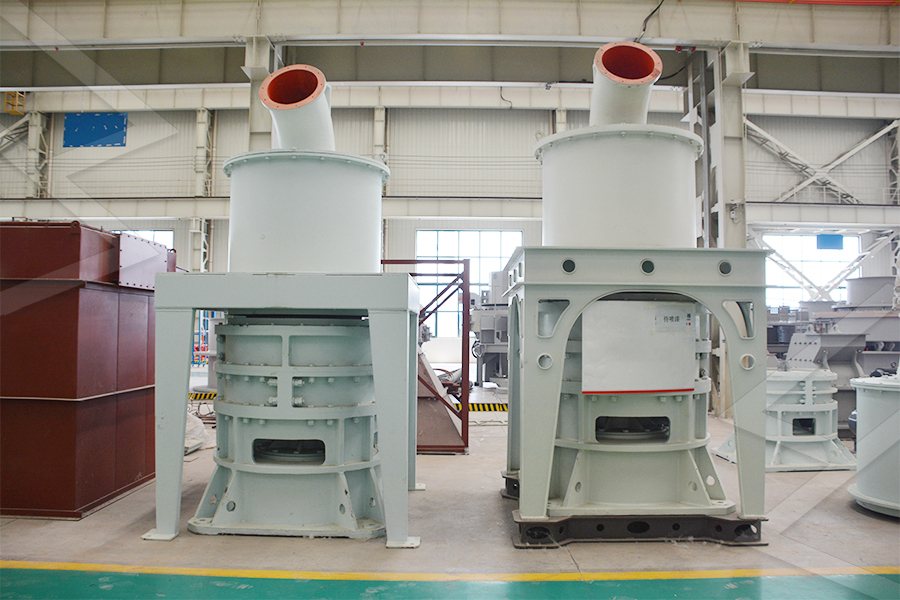
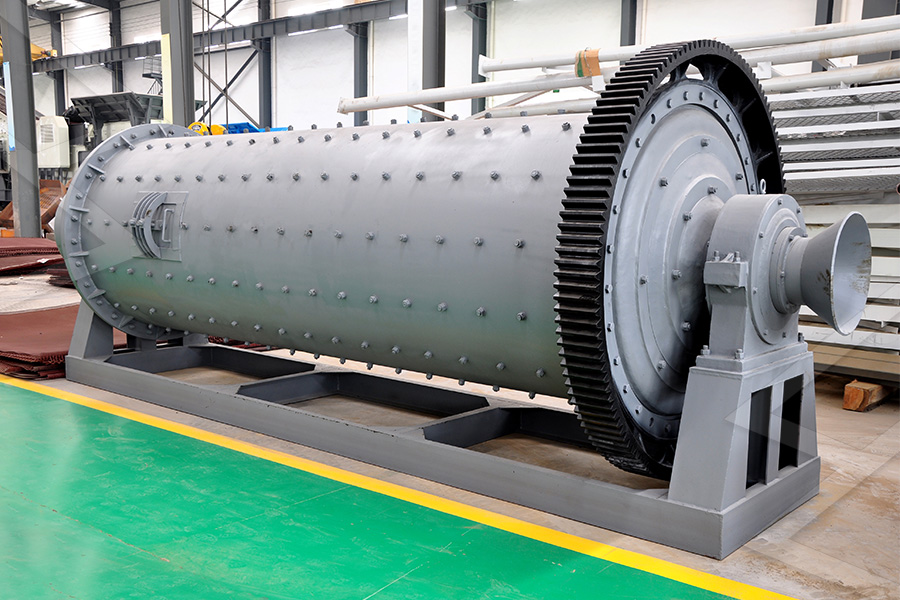
The grinding line follows a systematic dry processing route, starting with raw material pretreatment. Raw limestone blocks (with a maximum particle size of 500mm) are first fed into a jaw crusher, which reduces them to 50-80mm particles. This primary crushing step is critical to prevent overloading the subsequent grinding equipment.
The crushed limestone is then conveyed to a vibrating screen for classification: particles larger than 80mm are recycled back to the jaw crusher, while those within the 50-80mm range are sent to a secondary cone crusher, further reducing the particle size to 10-20mm. This two-stage crushing process ensures uniform feed size for the grinding mill, optimizing efficiency.
The crushed limestone is then conveyed to a vibrating screen for classification: particles larger than 80mm are recycled back to the jaw crusher, while those within the 50-80mm range are sent to a secondary cone crusher, further reducing the particle size to 10-20mm. This two-stage crushing process ensures uniform feed size for the grinding mill, optimizing efficiency.
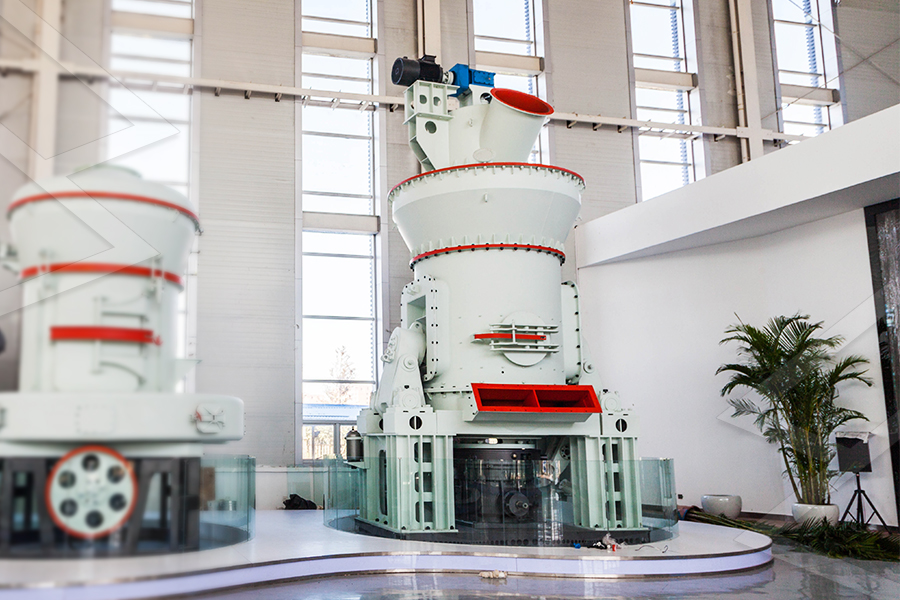
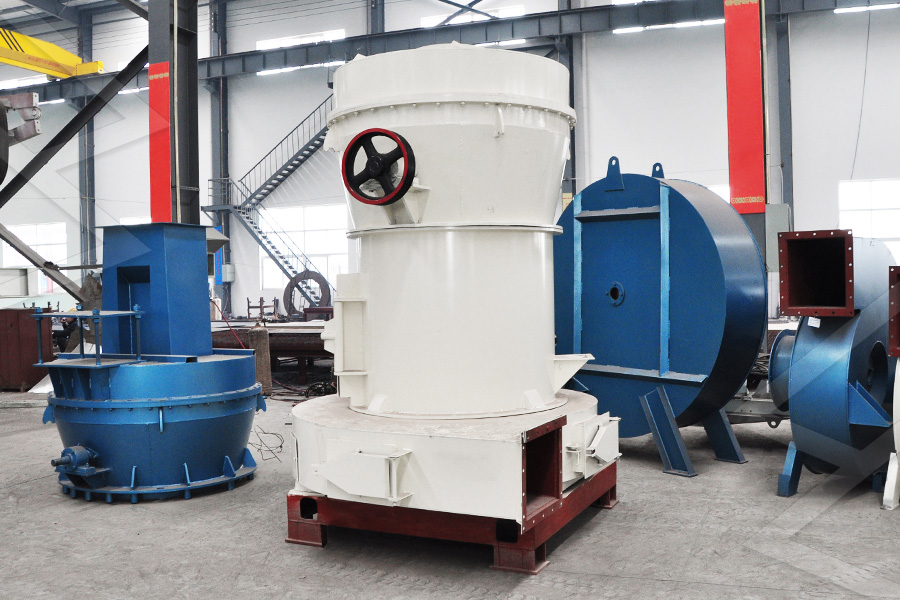
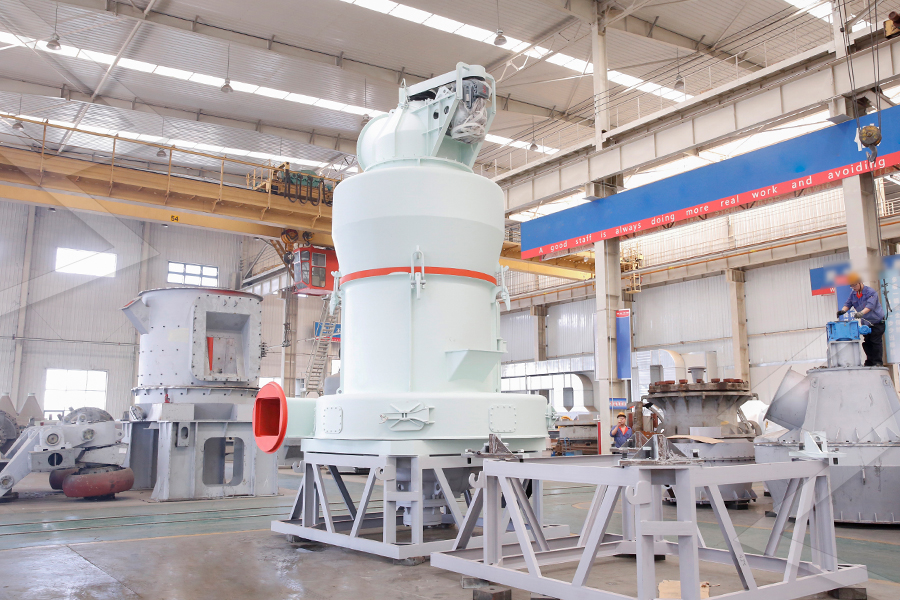
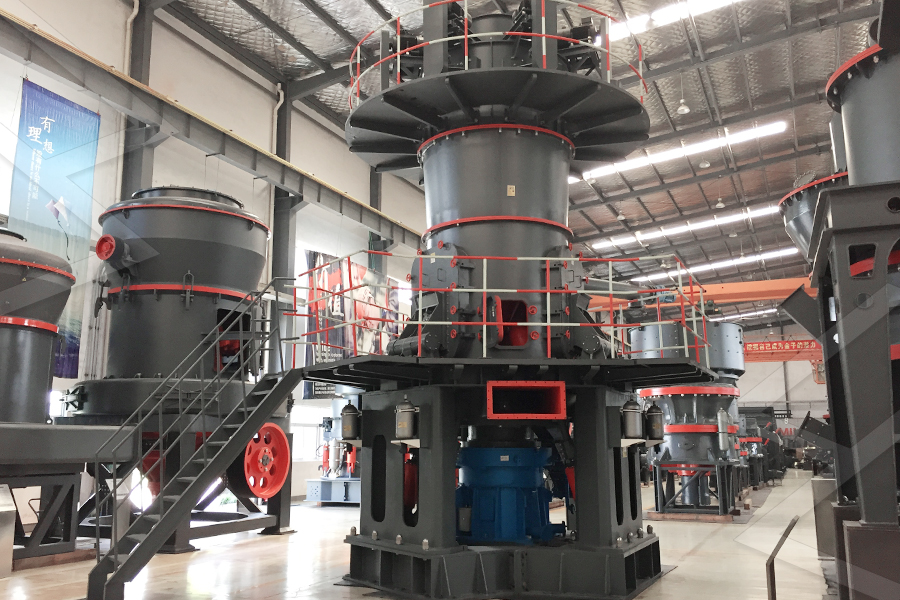
The core of the project is a vertical roller mill (VRM) with a diameter of 4.6 meters and a power rating of 1600 kW. VRMs were selected over traditional ball mills for their superior energy efficiency (consuming 30-40% less electricity per ton of product) and ability to handle large feed volumes—perfect for the 25 TPH capacity. The VRM operates by pressing the 10-20mm limestone particles between a rotating grinding table and three hydraulic rollers, grinding them into fine powder. Hot air (heated to 180-200°C by a natural gas burner) is injected into the mill to dry the powder and carry it to the integrated air classifier.